
When you start raising backyard chickens or purchase farm-fresh eggs instead of store-bought, you might be left wondering about whether the facts you have heard about chicken eggs are true or myths. From float tests indicating bad eggs to brown egg shells being more nutritious, there is a lot of conflicting information out there.
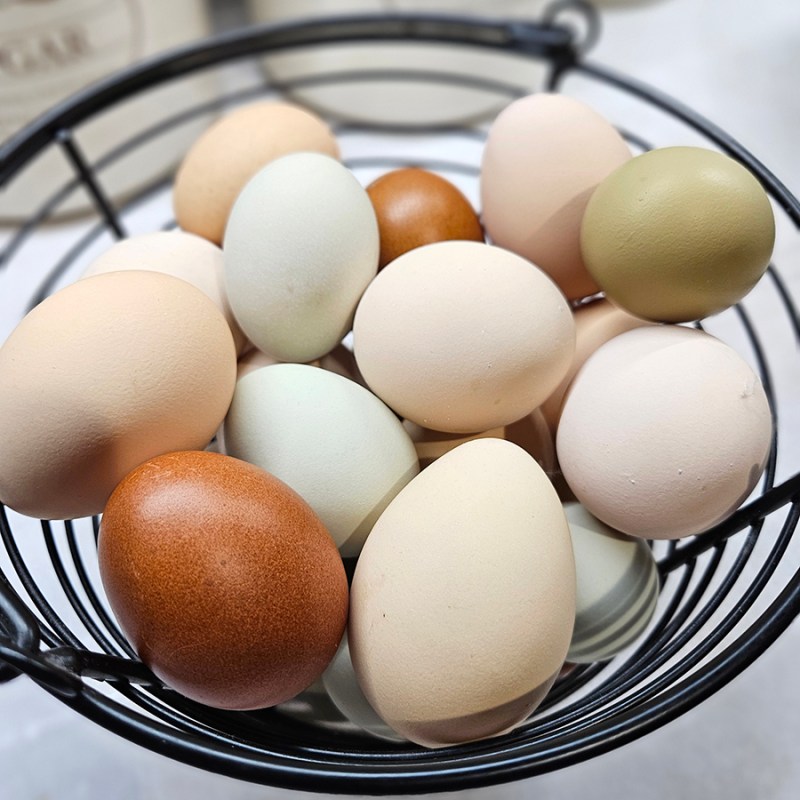
In this article, I am going to try to sort through the noise and put the kibosh on some of the most common egg myths that are floating around out there (pun intended!).
By the time you are done reading, you should feel more comfortable and confident that you are providing your family with a nutritious alternative to store-bought eggs, whether you purchase them at a local farm stand or raise them from chickens yourself.
Myths Or Facts: You Should Always Refrigerate Chicken Eggs
According to the FDA, you should refrigerate ALL chicken eggs. In addition, you should only purchase pasteurized eggs treated for salmonella. However, most people reading this article likely don’t agree with those statements and enjoy eating farm fresh eggs. (Also, what would be the point of raising backyard chickens if you couldn’t eat their eggs?)
The truth is that you do not always have to refrigerate eggs. However, there are a few guidelines to this statement.
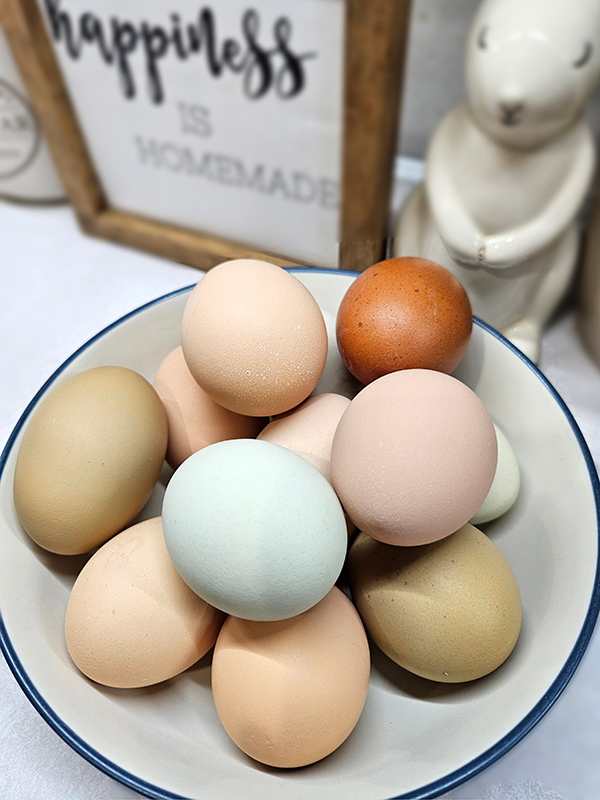
When a hen lays an egg, it adds a clear protective coating called the “bloom”. This bloom helps to seal the shell’s pores, prevents bacteria from entering the egg shell, and maintains freshness. You can leave eggs at room temperature thanks to the bloom if you have not washed them. However, the minute you expose the eggs to water, the bloom is no longer intact. You then need to keep the eggs in your refrigerator.
In addition, if you purchase eggs that have been in a refrigerator, they must stay in the refrigerator. This is regardless of whether you have washed the eggs or not. You can’t go from a refrigerator to your countertop.
Another factor that would cause you to refrigerate your eggs if it’s cold outside and you bring the eggs into a warm location. This change of temperature can cause the cold eggs to sweat as they warm up. This sweating will remove the bloom, thus making it easy for bacteria to enter the shells.
So, to break it down:
- Unwashed eggs at room temperature: Safe for countertops
- Unwashed cold eggs: Put in the refrigerator
- Washed eggs at any temperature: Put in the refrigerator
- Eggs kept previously in a refrigerator: Leave in the refrigerator
Myths Or Facts: If An Egg Floats, It Is Bad
I don’t know how many times I have either heard or read that if you put an egg into a bowl of water and it floats, it’s bad. I can’t imagine how many people toss completely good eggs in the bin or compost just because of this myth.

The truth is that just because an egg floats, it doesn’t automatically mean it is bad. In fact, it’s just an indication of the age of the egg.
An eggshell is porous. As an egg gets older, moisture evaporates through the shell and is replaced by air. This air creates a larger air pocket, which allows an egg to either stand on its end or float in water.
So a floating egg does not mean that it is bad, just that it is an older egg. You can use a floating egg in recipes just like you would use a fresh egg. You also cannot look at an egg and know whether it is spoiled or not.
Instead, crack each egg into a separate bowl before adding it to your recipes or skillet. That way, you can immediately toss the bad egg without ruining your entire recipe. You will know if an egg is spoiled because it will have a very strong, off-putting sulfur odor and/or a weird texture.
Hopefully, I am not jinxing myself, but I have yet to have a floating egg actually be spoiled or bad.
Myths Or Facts: A Chicken Lays Eggs Year-Round
This statement can actually be fact or myth, depending on the situation. First, let’s give you a bit of information.
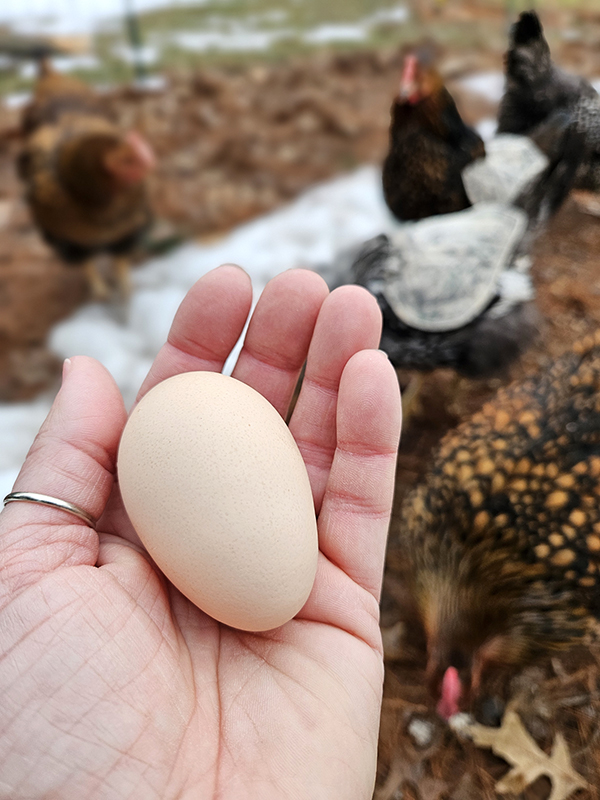
In order for hens to lay eggs consistently, they need fresh water, a high-quality feed with protein, access to additional calcium if needed, and around 14 to 16 hours of light. The key to whether hens can lay year-round depends mostly on the amount of light they receive.
The number of daylight hours is less during the fall and winter months. By the winter solstice, there are only about nine hours of daylight on average. The shorter daylight hours cause most hens to take a pause on laying eggs during this time.
So if you want hens to lay year-round, you need to supplement artificial light. This is what most of the commercial egg-laying facilities do, but backyard chicken keepers can do the same thing as well.
Keep in mind: The number of eggs a hen can lay yearly depends on their breed and their age. Hens are born with all the eggs they are capable of laying in their lifetime already in their ovaries. (The undeveloped yolks are called “ova”.) As hens get older, they naturally lay fewer eggs. So if you “force” a hen to lay year-round, they will “run out” of eggs quicker than if you let nature do its thing.
Myths Or Facts: Brown Chicken Eggs Are Healthier Than White Eggs
This is one of my favorite myths because it is a way for commercial egg producers to jack up prices just because they sell brown or colored eggs. The truth is that the color of an egg’s shell has nothing to do with nutrition or health.
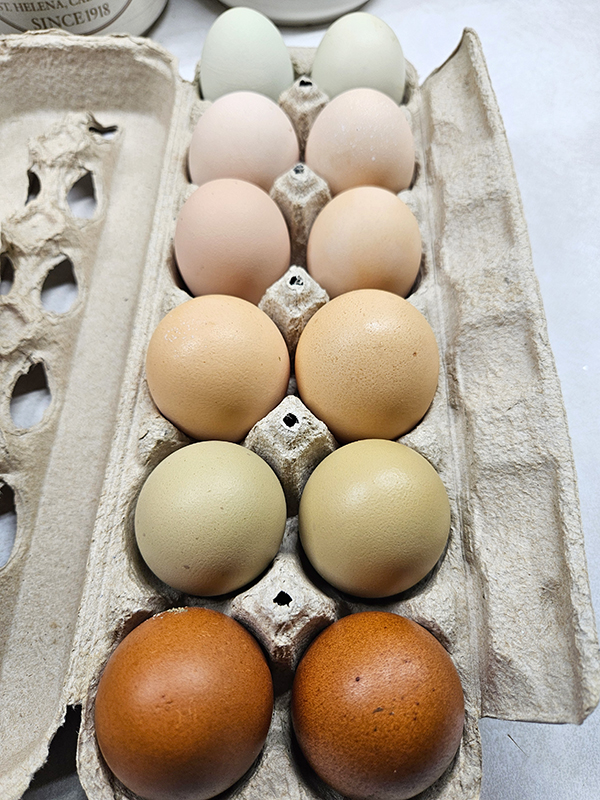
The color of a chicken’s egg shell depends on the breed and genetics of the hen. For example, my Cooper Maran lays dark brown eggs while my Olive Egger lays green. Then there’s my Wyandottes that lay light cream colored eggs. All of those eggs are the same nutrition-wise because they are fed the same chicken feed and have the same living conditions.
In fact, all eggshells start out white in color. As the eggs travel through the hen’s oviduct, special pigments are added to the shell during the last few hours. This colors the outside of the shell while the inside stays white. Some pigments can penetrate the interior of the shell. For example, Ameraucana birds add “oocyanin” as the pigment, which travels through the shell and colors both the inside and outside of the shell.
There are a few different factors that affect the intensity of the shell color. The hen’s age, diet, and stress can all lighten or darken the pigments. However, the color has nothing to do with nutrition.
The yolk, on the other hand, can be more or less nutritious based on the color. This color mostly has to do with the diet of the hen. Typically, the darker a yolk is, the more nutritious the egg is, since these hens have access to food other than grain feed.
Myths Or Facts: You should Immediately Wash Eggs
Washing eggs removes the protective bloom that coats the eggs. Once you remove the bloom, the eggs are more susceptible to bacteria and will start to become less fresh faster.
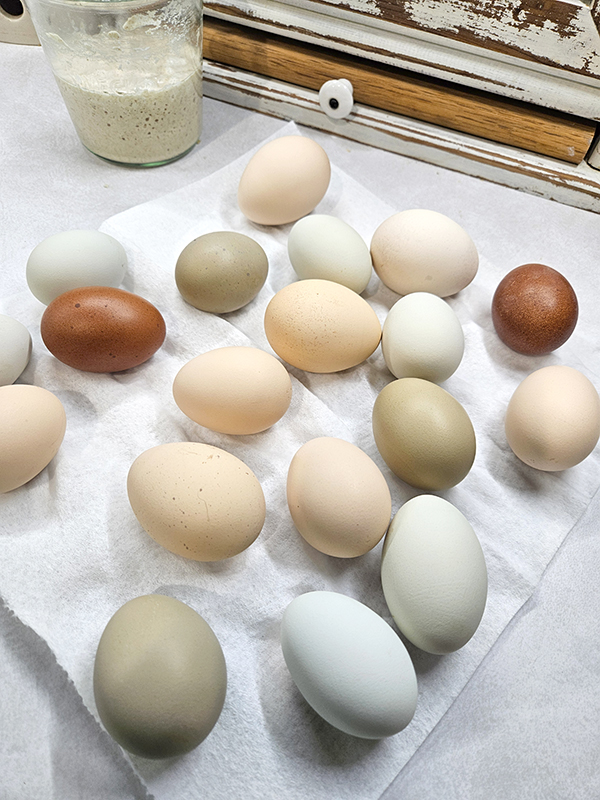
To help prolong the life of an egg, don’t wash your eggs until right before you need to use them. If they are really dirty, gently clean them off with a dry towel or brush, then store them as normal.
After I’ve brought the eggs into the house before storing, I do not wash my eggs unless they are caked in mud or poop. Then I put them immediately in the fridge. To be honest, if the eggs are really bad, I compost them because I don’t want to chance bacteria from the poo going into the eggs as I wash them. You do you.
When it comes time to wash the eggs, use hot or warm water and gently scrub. I wash all my farm fresh eggs before I use them, whether they are visibly dirty or not.
If you are raising chickens and want tips on getting cleaner eggs, I swear by the combination of using sand in your coop and run, as well as using these Chicken Nesting Pads (Product Link). The pads come in a six-pack, and you can cut them to size and wash them if needed. Also, make sure that you are gathering eggs daily.
Myths Or Facts: You Can’t Eat Fertilized Chicken Eggs
An egg cannot turn into an embryo without several days of incubation by either a broody hen or a warm environment (like an incubator). Because of this, fertilized eggs are completely fine to eat.

The key is to gather the eggs daily. If you are worried that your kitchen might be considered a “warm environment”, then just store the eggs in the refrigerator. (The “ideal” temperature for incubation is around 99-100º Fahrenheit.)
There is no difference in the nutritional value or flavor of fertilized eggs. The only real difference is that you might see a small white spot with a ring around it when you look at the yolk. This is called the blastoderm and indicates that the egg was fertilized.
Continuing on the rooster topic, you don’t need a rooster in order to get eggs. Just like a female human produces eggs whether or not a male is in the picture, chickens are the same way. As I mentioned above, all hens are born with all their immature eggs already in their body. Those eggs get released whether or not a rooster is around.
Myths Or Facts: Rapid-Fire Addition
Blood spots mean the egg is fertilized: These spots occur when a blood vessel breaks at some point while the egg is forming. You can remove the blood spot if you wish, but they are completely safe to eat.
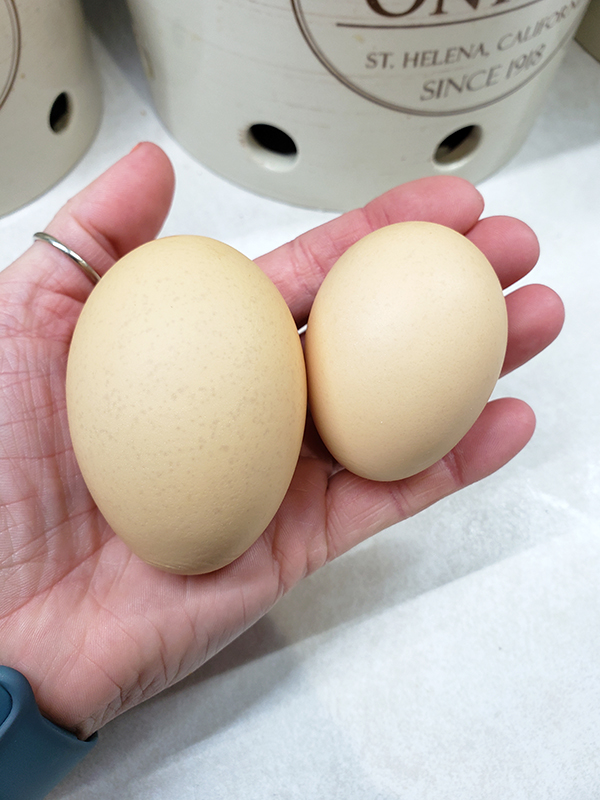
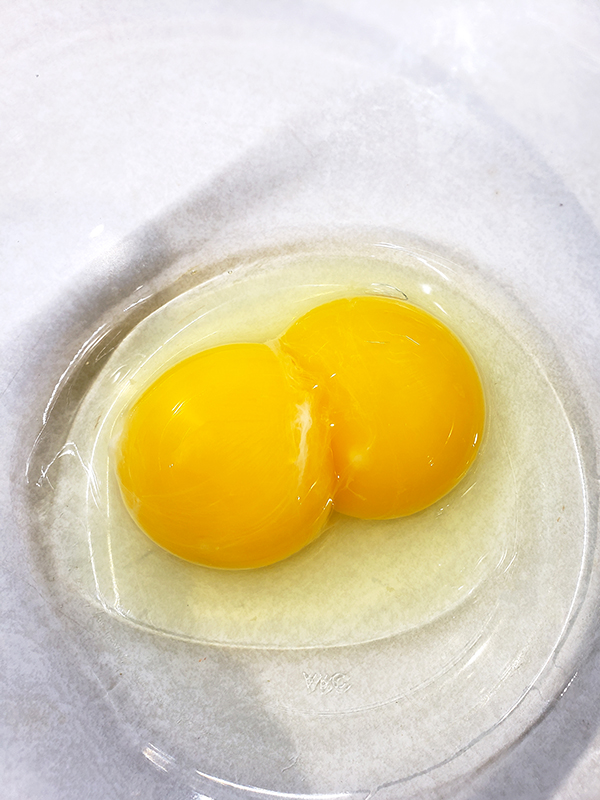
Double yolks are either dangerous or good luck: Double yolks happen when you crack open an egg and see two yolks inside as opposed to one. Double yolks are completely safe to eat and often occur with young layers. Occasionally, an older hen will lay a double yolk. If your hen is constantly laying double yolks, it can be a sign that something isn’t right with her reproductive system.
Odd-shaped eggs should be tossed: Egg shells can come in several odd shapes, sizes, and colors. This can happen because of age, nutritional imbalances, or stress. Thankfully, most eggs with these oddities are safe to consume as long as they aren’t cracked or spoiled. (If we have an odd colored shell, I like to say that there was an error with the hen’s printer!)
You can eat raw eggs: This one is kind of a controversial topic. I personally do not eat raw farm fresh eggs. All raw eggs can carry Salmonella, even though they might look clean. The risk is low, but it’s still there. I will consume raw eggs if they are pasteurized. You need to decide what you are comfortable with and what is best for your family.
Free-range means better eggs: This is one of those statements that annoys me. Just because chickens are “free range” doesn’t mean they have posh living situations. It just means they have some outdoor access. What matters more is the diet that chickens eat and how they are raised. Not a simple label on an egg carton.
Until next time, thanks for stopping by!
– Chelsea
*This post may contain affiliate links. These are products I have used personally and highly recommend. As an Amazon Associate, I may earn a small commission from qualifying purchases if you purchase items through my links. These links and the ads on this page help to support my family and our semi homestead, so Thank You!
Discover more from Semi Homestead Life
Subscribe to get the latest posts sent to your email.