
If you are looking for a very user-friendly litter to use in your backyard chicken coop, then sand is the way to go! Not only does it create a dry and healthy environment for your chickens, but it is super simple to clean up and maintain for you – a huge bonus if you are a busy semi homesteader like me!
I don’t know about you, but I don’t have hours to spend maintaining and cleaning a chicken coop. I set aside at most 5 to 10 minutes each day to do chicken chores, and then I’m on my way. Sure I still visit the coop multiple times a day (often to chase one of my new chickens back into the fenced-in area), but I don’t have to waste it on, well, their waste!

Most of you have likely heard of using either straw or wood shavings for “bedding” in a chicken coop. My late Grandma used both at one time or another when she was raising chickens. She also implemented a “deep litter method”, especially during the winter months (more on this below).
However, I wanted a method that was a little simpler and easier to use. I also didn’t want to have to go out and purchase multiple bags of litter every couple of weeks. Who has time for that (or the money?)!
After doing a ton of research, I landed on using sand. But not just any sand will do. There’s a specific type of sand that you need in order to gain all of the benefits of using it in your chicken coop successfully.
How To Use Sand As Litter In Chicken Coops And Runs
Litter vs Bedding
First off, let’s talk about what litter is in regards chickens. There is a reason why I am calling this “litter” as opposed to “bedding” as you often hear people refer to it as.
Bedding refers to some type of material that animals lie down in while sleeping or resting. Think of a sheep or a hog lying down in a bed of straw. These farm animals use bedding as a way to keep warm and comfortable and to support their bodies.
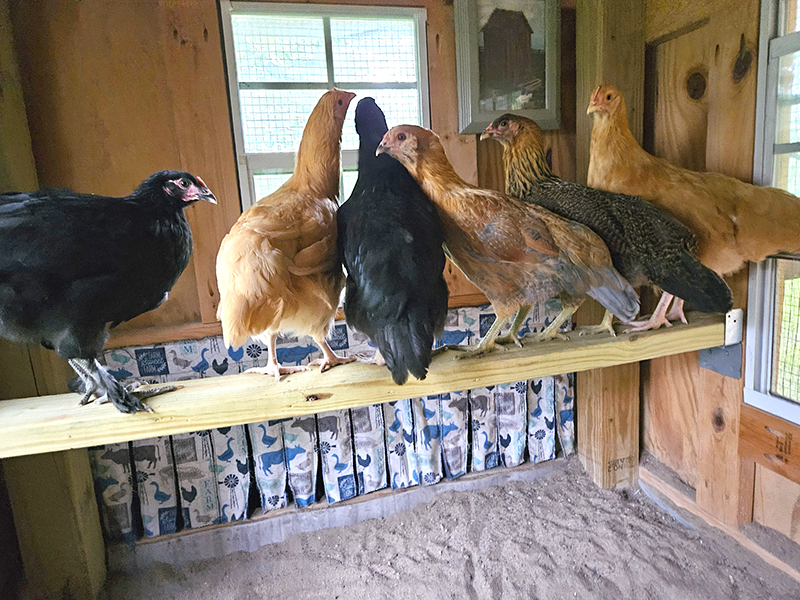
Chickens, however, don’t lie down to sleep. They roost on bars or up in the trees. Even if they sunbathe, they choose anywhere the sun is shining to sprawl out regardless of whether it’s sand, soil, grass, or whatever is available. It’s not a matter of comfort or support.
Basically, chickens don’t require soft and fluffy bedding around the coop because they aren’t “bedding down” in it to sleep or rest. So, instead, what you use in a coop should be referred to as litter.
Putting it bluntly, litter is some sort of material that is used to collect poop and urine. Its main job is to keep the coop dry and clean.
Just think of cat litter. It is used to collect – so to speak – the cat’s feces and urine. It is designed to contain moisture as well as keep ammonia from building up over time. Then you scoop out the used litter and dispose of it. Sand works the same way – simple and easy!
Other Types Of Litter
There are many different materials that you can use as litter besides sand in your chicken coop and run. Some of the most popular are wood shavings and straw. However, over time, both of those start to build up with loads of chicken droppings, feathers, moisture, insects, etc.

Wood shavings are inexpensive and easy to get for most backyard chicken raisers. A single bag can cost as little as $5.00 depending on your location. The shavings are very absorbent and help to retain the moisture that comes from chicken manure. However, they need to be turned or refreshed at least weekly in order to prevent matting or a build-up of ammonia.
Straw is often used in northern climates since it helps to hold in heat better than either wood shavings or sand. However, it does not really absorb moisture at all. In addition, when young chicks are exposed to it, they might consume the straw, causing impacted crops. Lastly, straw can harbor mold and fungus growth as well as be the perfect home for insects like mites.
Some backyard chicken keepers like to use a deep litter method with straw and wood shavings. Essentially, as the chicken droppings pile up, they add more litter on top to cover not only the poop but also the smell. The materials at the bottom break down over time and create an almost garden-ready fertilizer. It’s a very hands-off method and does have its advantages. However, I still think the advantages of sand by far outweigh those of either wood shavings or straw.
The Right Type Of Sand For Litter
When it comes to using sand, you have to make sure you get the right kind for your chicken coop. It’s important that you don’t use playground sand or pool sand. Both of these sands are made up of crushed quartz and are too fine to be used around chickens. In addition, they don’t have the same drainage and moisture control.

Instead, you need to look for washed river sand or construction-grade sand. This type of sand is often called many different names, depending on who you are contacting about purchasing the sand. It can also be referred to as arena sand, washed sand, mortar sand, equestrian sand, etc.
The key is to make sure that the sand is natural and made up of various sizes of particles like tiny rocks. (See the first photo to see the sand I use up close. We’ve even found tiny shells in our river sand.)
River sand is NOT crushed quartz sand. Garden centers, landscaping companies, and construction companies often offer river sand in bulk.
Using Sand In Coops & Runs
You need to add the sand to a depth of about 3 to 5 inches when using it as litter. When using it in a raised coop, make sure that the flooring can support the weight of the sand. Add in extra supports under your flooring if you are concerned about the weight.
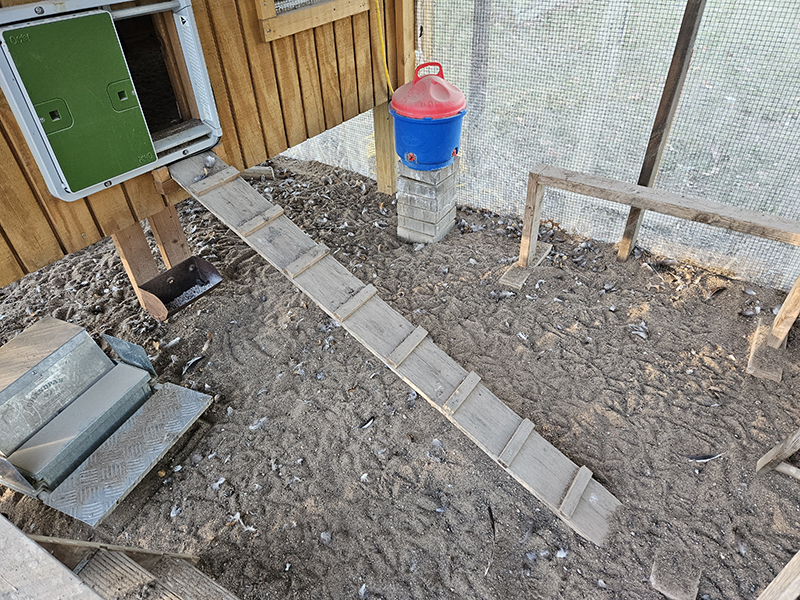
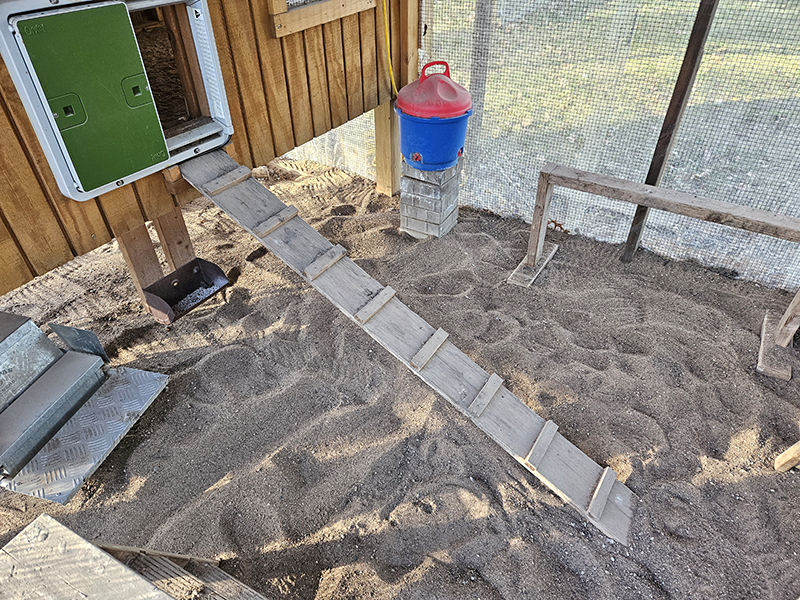
We also use about 3 to 5 inches in our covered run as well right on top of the ground. This helps to cut back on the mud and makes cleaning the run much easier. The covered run is wrapped in hardware cloth and gives the girls a protected, safe place to hang out during bad weather.
If it rains, the sand will occasionally get wet since it is only covered on the top in the run. However, the excess moisture will simply drain out to the bottom and the sand will eventually dry out. Using a rake to stir the sand around can help to dry it out even faster.
Cleaning The Litter
To clean the coop, I use two main tools: an extendable kitty litter scoop and a soil sifter. You basically scoop up the droppings just like you would kitty litter and give it a gentle shake to remove some of the sand. The droppings usually clump together and are fairly easy to find in the sand. (Product Links: Extendable Kitty Litter Scoop and 12-Inch Soil Sifter)
I then dump the droppings onto the sifter and gently shake off the excess sand. I put what’s left into a large bucket I keep just for the droppings.

Some people use the droppings to add to their compost pile to be turned into amazing fertilizer for their gardens. Any extra feathers and sand will only help to loosen the soil and aid in drainage wherever it’s used. Just be sure to age the droppings well because they are full of ammonia and will burn delicate plants and foliage (not to mention chicken poop carries loads of possible diseases).
By cleaning the coop and run daily, there is no buildup of ammonia, no pesky flies, and no poopy chicken feet. It really is that easy! I can have a clean, poop-free coop and run, and it only takes me a few minutes each day to accomplish – my kind of chore!
Until next time, thanks for stopping by!
– Chelsea
*This post may contain affiliate links. These are products I have used personally and highly recommend. As an Amazon Associate, I may earn a small commission from qualifying purchases if you purchase items through my links. These links and the ads on this page help to support my family and our semi homestead, so Thank You!
Discover more from Semi Homestead Life
Subscribe to get the latest posts sent to your email.