
If you want to get a head start on your gardening season, I’ve put together a list of 6 great cool-weather crops that you can plant in early spring, long before crops like tomatoes, peppers, and cucumber plants can go into the ground.
Depending on your location and growing zone, you can plant some of these crops in the soil as early as February. Most often, though, you need to plant them in March or April.

Not only does planting these crops early give you a head start on your gardening season, but they grow better when the weather is cooler. Once the heat of summer kicks in, most of these vegetables start to suffer and either slow way down on production or stop altogether.
Most of these crops are able to withstand late-season or unexpected light frosts that often occur in early spring. In addition, they thrive in colder soils whereas other summer-loving crops would become stunted or simply die.
Aside from a couple on the list, most of these crops germinate quickly, are fast-growing, and can be harvested early. Most can even be replanted in late summer or early fall for a second harvest during the cooler fall months.
6 Great Crops To Plant & Grow In Early Spring
There are actually many different early-season crops you can plant. These just happen to be some of my personal favorites that we’ve had good luck starting early in Illinois.
We live in Growing Zone 5, so we can plant most cold-weather crops in late March to April. (To find your Growing Zone, you can visit the USDA Plant Hardiness Zone Map.)
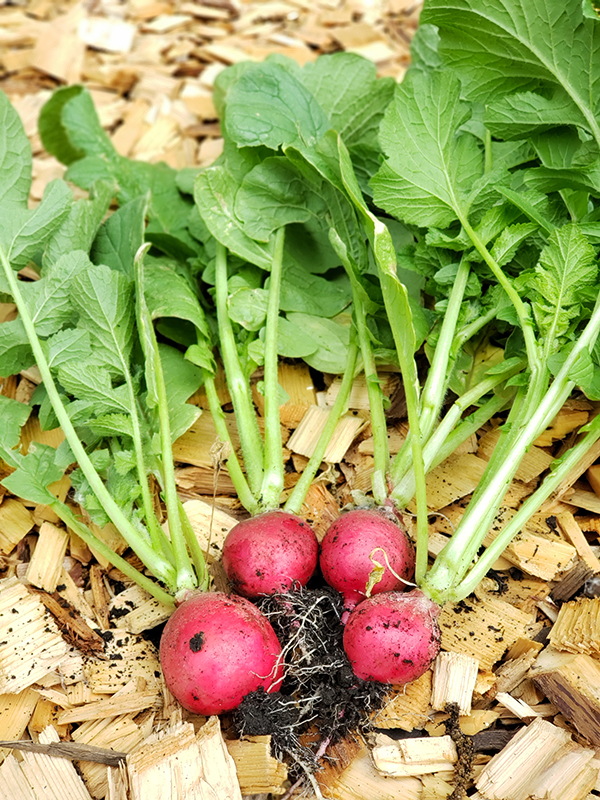
Radishes
Radishes are one of the fastest crops to go from planting to harvesting (in around 30 days!). Grow radishes in rows, only planting as much as you can consume in a week or so. Stagger each row’s planting by about 10 days and you can enjoy a continual supply of radishes all spring and early summer long!
Most radishes grow to around 6 inches tall and only 1 to 2 inches wide. Due to their smaller size, you can cram in several plants in a small growing space. They are also great for growing in raised beds or containers.
Choose a location in your garden that receives full sun and has well-draining soil. Radishes prefer moist soil, so keep an eye on water levels and water about twice a week if you don’t receive any rain. They are best for Growing Zones 2-9.
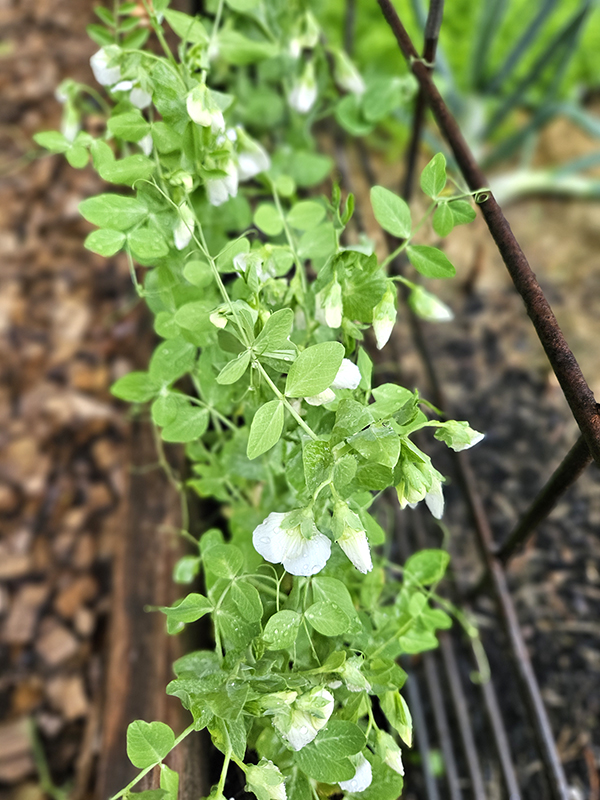
Peas – 6 Crops To Plant In Early Spring
Both shelling peas and peas with edible pods can be started in early spring in Zones 3-11. In fact, they can germinate when the soil temperature is as low as 40º Fahrenheit. Peas take around 60 to 70 days to mature from planting and can be sown directly in the soil.
Due to their climbing habit, most peas need to have some sort of trellis or support to grow up. We have used everything from a teepee of bamboo to sturdy cattle panels with great success. (The cattle panels are our personal favorite.)
Plant peas in rows, with one pea about every 1 to 2 inches apart. Since they grow on long vines, you can pack more plants together in a small space. Choose a location that receives full sun and well-draining soil for best results.

Lettuces
There are so many different types, colors, flavors, and varieties of lettuces you can grow from seed, and they are all perfect for starting in early spring. They have a hardiness growing zone of 3-9 but can be successfully grown in colder locations when using cold frames or something similar.
Most lettuce varieties thrive in the cool weather. In fact, the high heat of summer will cause most to bolt and turn bitter. They require full sun and well-draining soil. The size of the plant will depend on the variety you are growing, so check your seed packet before sowing seeds.
As soon as leaf lettuces start to mature, you can begin to harvest the tender, young leaves. The plants will keep on producing until the weather warms up. For head lettuces, allow the plant to grow to mature size before harvesting.
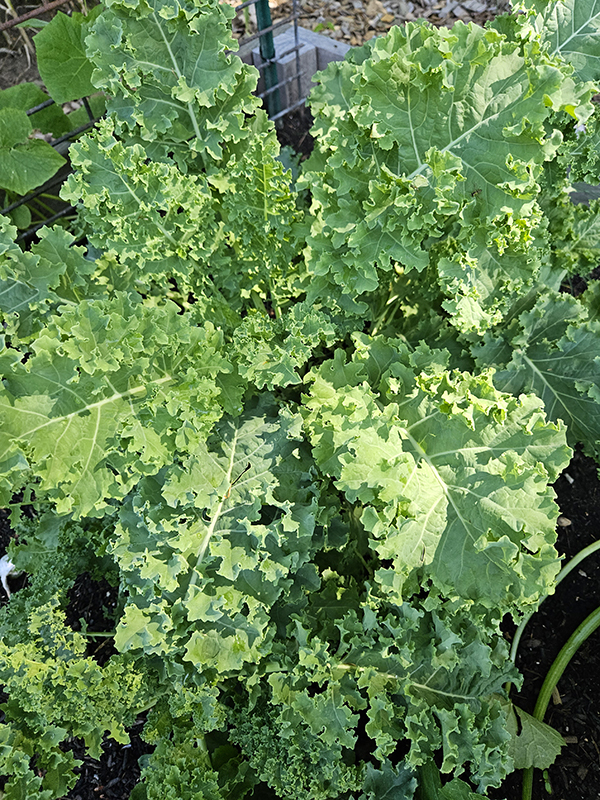
Kale – 6 Crops To Plant In Early Spring
Like lettuces, kale is also an excellent choice for starting early when the weather still has that chill to it. Kale is loaded with vitamins C and E as well as beta-carotene. It’s also a good source of plant-based calcium (and it is delicious turned into kale chips!).
Choose a growing location that receives full sun and has well-draining soil. Each plant can grow to be one to two feet tall, so you need to invest a bit more space for kale.
As soon as the soil is workable in Zones 3-10, you can plant kale outside. It will take around 50 to 60 days for plants to mature, but they will keep on producing until the weather gets too warm.
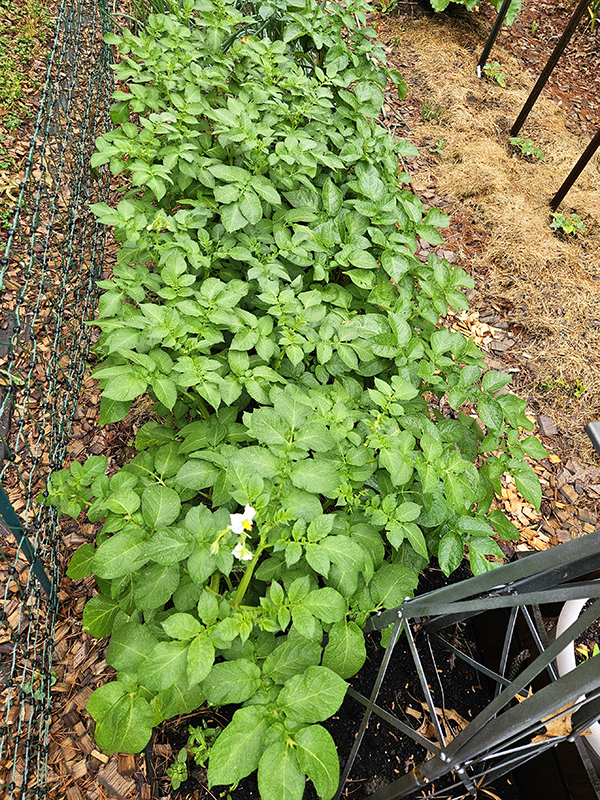
Potatoes
Seed potatoes are one of the first crops that I plant out in my garden. I go off of what past generations of my family did, and I plant our seed potatoes on Good Friday (at least when I can).
However, in Growing Zones 3-10, you can actually plant them any time the ground is workable and the soil reaches a temperature of around 45º F. Young potato plants can survive light frosts but be sure to cover them in case of any hard freezes or heavy snows.
Potatoes take a bit longer to grow, so they aren’t ones you can harvest soon after planting like some of the crops on this list. They take about 100 to 120 days to mature, so patience is key. You can harvest the spuds a bit earlier as baby potatoes if you prefer as opposed to mature potatoes.
Choose a location that receives full sun and has moist but well-draining soil. We actually like to grow potatoes in inexpensive grow bags to help extend our in-ground garden even further. (Product Link: VIVOSUN 5-Pack 10 Gallon Plant Grow Bags)

Broccoli – 6 Crops To Plant In Early Spring
Another crop that doesn’t grow well with high heat but thrives in temperatures below 70º F is broccoli. Because of this, it is best planted and grown in early spring or in the fall as opposed to the summer months. Broccoli does well in Growing Zones 2-11.
Like potatoes, broccoli takes a bit longer to mature, with a days to maturity of around 60 to 100 days from seed. This date depends on the variety, so be sure to check your seed packet for specific information.
Just like most of the other items on this list, choose a location that receives full sun and has well-draining soil. Plants can grow to be pretty big, so give each one plenty of space and watch out for bugs like cabbage worms.
Other Great Cold-Weather-Loving Crops
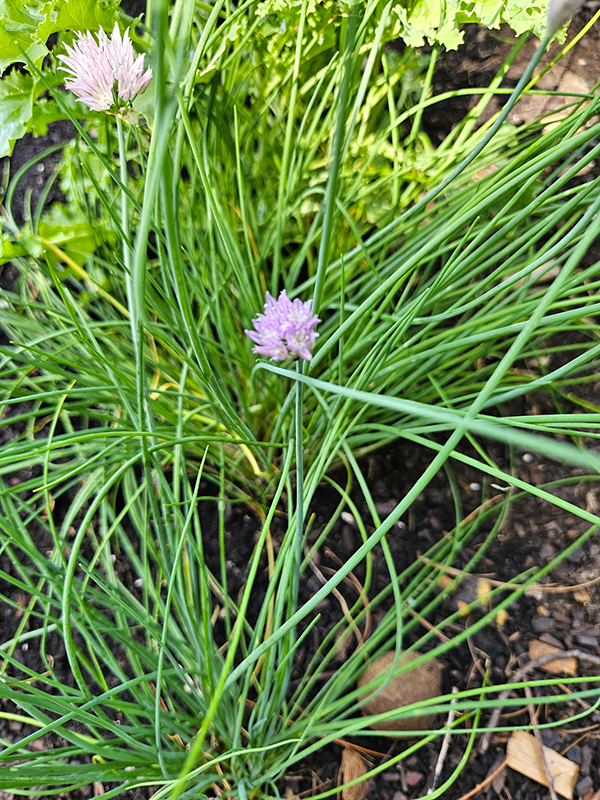
As I mentioned earlier, this isn’t an exhaustive list of crops that are cold-weather hardy. Crops like beets, brussels sprouts, cabbages, carrots, cauliflowers, kohlrabi, onions, parsnips, spinach, turnips, and Swiss chard are also excellent crops to plant and grow in early spring.
By planting them early, you can extend your growing season as long as possible – which is something use gardeners with shorter growing seasons are all about!
Until next time, thanks for stopping by!
– Chelsea
*This post may contain affiliate links. These are products I have used personally and highly recommend. As an Amazon Associate, I may earn a small commission from qualifying purchases if you purchase items through my links. These links and the ads on this page help to support my family and our semi homestead, so Thank You!
Discover more from Semi Homestead Life
Subscribe to get the latest posts sent to your email.