
If you plan on including tomato plants in your garden this summer, then you should really think about taking advantage of using companion plants! To help, I’ve put together a list of 6 of the best companion crops to grow next to your tomato plants – and what ones to avoid!
Tomatoes are one of the most popular crops for home gardeners, and for good reason. One plant can provide you with loads of bright, juicy tomatoes to enjoy. You can eat them fresh, bake them into wonderful dishes, or process the fruit and turn them into shelf-stable goodies to enjoy all year long!

Over the years, I’ve learned that there are some crops that play well with tomato plants. In fact, there are some that help to control pests, improve pollination, protect the soil, or even help improve the flavor of the fruit you harvest.
On the flip side, there are some crops that don’t play well with tomatoes. These plants might compete for the same type of nutrients, attract unwanted pests, or even inhibit the growth and production of your tomatoes.
Growing certain crops near each other is a process called companion planting. Depending on the crops, they can either mutually benefit one or both of the plants growing nearby. This article talks about which crops are great as companion plants for tomatoes and why, as well as which crops you might want to grow on the other side of your garden.
6 Companion Crops For Tomato Plants – And 4 To Avoid
Good Tomato Companion Crops
Before choosing your companion plants for tomatoes, make sure that they all have the same growing requirements. This means full sun of at least 6 hours or more and well-draining, nutrient-dense soil.

The goal with these companion plants will vary depending on what crops you choose. Some will help to improve the soil, prevent weeds by acting as a living mulch, deter pests and some insects, attract pollinators, or just help to use up available space around the base of the tomato plants.
Consider the mature size of these crops before planting and the time it takes for each crop to mature. And experiment! What works well for one gardener might not work well for you.
1: Basil
While most people enjoy the scent that basil provides, there are definitely some pests that don’t. And many of these pests can be a real pain when you grow tomatoes!

Planting basil near tomato plants will help to deter pests like aphids, thrips, tomato hornworms, and whiteflies. Their strong scent helps to hide the smell of the tomato plants. This makes it much harder for these pests to find the tomato plants in the first place.
In addition, tomato and basil are both great crops to grow together because they are often used in the kitchen together. Think tomato basil salads, pasta sauces, soups, etc. It’s nice to be able to walk out to your garden and grab what you need all in the same place!
2: French Marigolds – 6 Tomato Companion Plants
Marigolds are a must-have in my garden. They are an annual flowering plant that I have grown every year since I started gardening. Not only are they super easy to grow from seeds or transplants, but they also help to benefit your tomato plants by acting as the perfect companion plant.

Like basil, marigolds produce a strong scent that masks the smell of the tomato plant and helps to deter pests. But in addition to their scent, marigolds attract loads of pollinators thanks to their many blooms.
Pollinators like bees, butterflies, beneficial wasps, and more all flock to warm-colored marigold flowers. Not only are pollinators attracted to marigolds, but so are ladybugs and lacewings. These are both beneficial insects that feast on aphids, a common pest for tomato plants.
Marigolds are also one of the last plants in my garden at the end of the growing season. They will continue to push out bloom after bloom up until the first frost.
Lastly, French marigolds can help to control root-knot nematodes in the soil around tomato plants. Who knew one flower could do so much?!
3: Onions & Garlic
This group includes all members of the onion family, like onions, chives, and garlic. If you’ve ever cooked with these vegetables, then you know just how pungent their aroma can be.
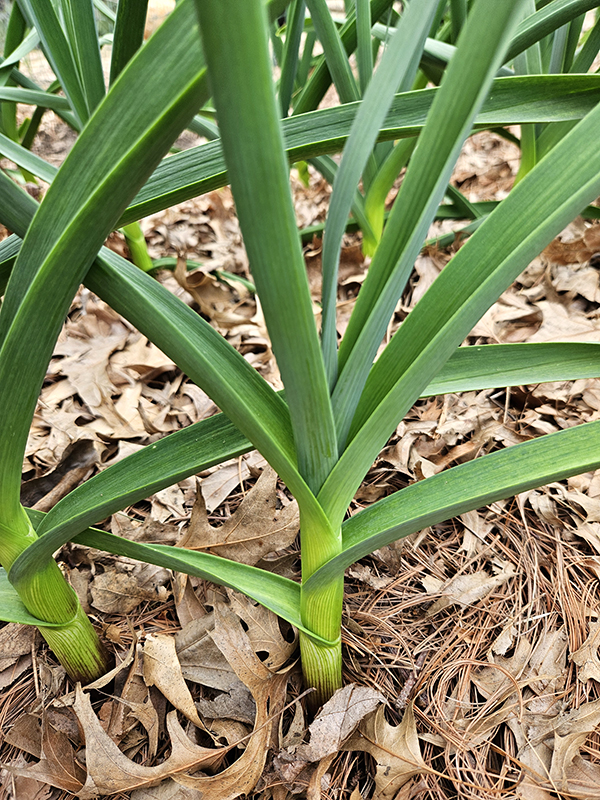
Well, it’s not just the harvested vegetable that smells. The plants themselves also give off a rather strong scent as they grow in your garden. This strong scent can help to deter some pests like aphids, cabbage worms, potato beetles, Japanese beetles, and spider mites. Slugs and snails also tend to steer clear of these vegetables.
But it’s not just the tiny pests that these plants can deter. Smaller animals like rabbits, voles, and gophers also stay away from onions and garlic.
In addition, onions and garlic also have antibacterial and antifungal compounds. This helps to prevent or fix some soil-borne diseases and issues that can plague tomatoes.
Chives are a multi-purpose companion plant. Not only do they help to repel pests like spider mites, aphids, and nematodes, but they also produce beautiful blooms that will help to draw in pollinators.
4: Radishes – 6 Tomato Companion Plants
Radishes are another dual-purpose companion plant for tomato plants. First, they have very shallow root systems. This allows them to grow around the base of tomato plants without interfering with a tomato plant’s root system.
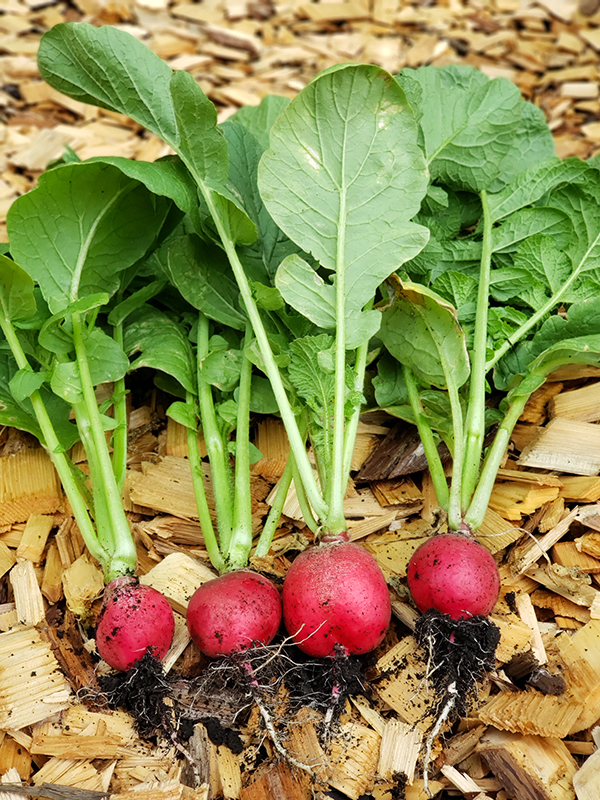
In addition, radishes also help to act as a “trap crop.” These are crops that you basically sacrifice in order to get more desirable crops to grow.
In the case of radishes and tomatoes, the radishes attract flea beetles, which are known to defoliate young tomato plants. Yes, you might end up with fewer radishes because of this. However, you can always replant a second batch of radishes to make up for the loss since they are so quick to grow.
5: Nasturtium
Aside from marigolds, nasturtium is one of my favorite flowering annuals to grow near tomato plants. They act as a trap crop for many different pests that can bother tomatoes, like aphids and whiteflies.
Often, mature plants can survive light attacks from both of these insects without much damage. At the same time, the nasturtium blooms will attract pollinators and other beneficial insects that will help to eat aphids.
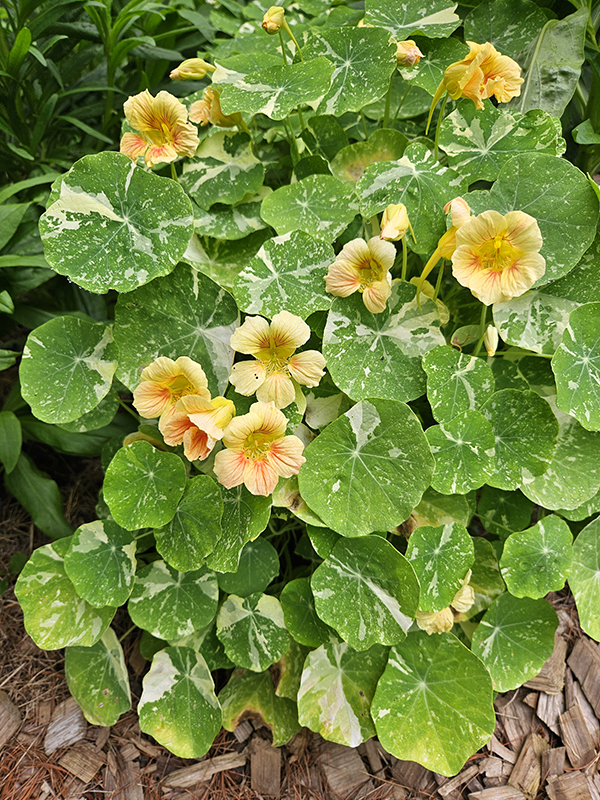
Nasturtium is also a great ground cover plant. As it grows, it spreads out along the soil. This helps to suppress weeds, keep the soil around the tomato plants cool, and reduce soil erosion.
6: Lettuces & Herbs
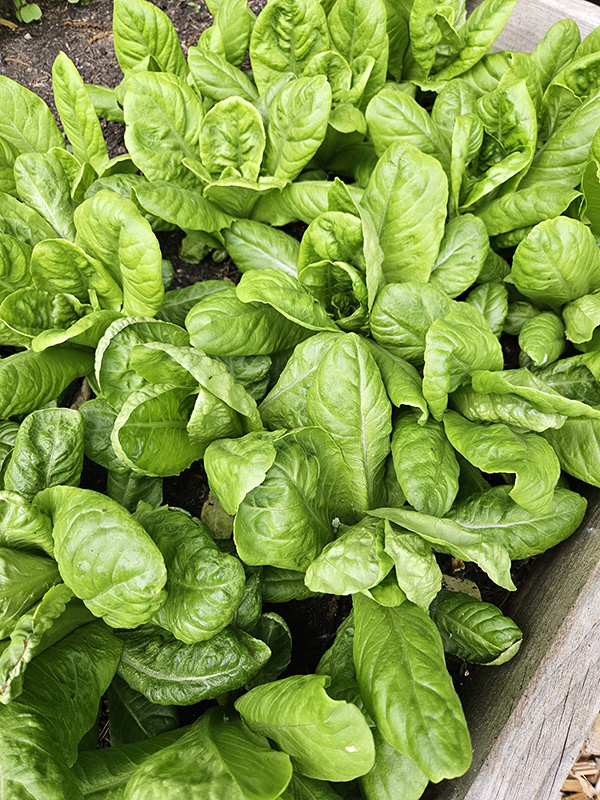
Low-growing lettuces and herbs round out the last of my 6 companion crops to grow around tomato plants. You can plant them around the base of tomato plants.
These crops prefer cooler temperatures in order to grow. The shade from the tomato plants helps to slightly reduce temperatures, which can help delay bolting.
At the same time, the herbs and lettuces help to suppress weeds that might otherwise grow around the tomato plants. They act as a sort of living mulch to keep the ground from being bare. This also helps to maintain the moisture in the soil and reduce soil erosion.
In addition, some herbs produce blooms. These tiny blooms can help attract pollinators and beneficial insects that often feed on pests like aphids.
Bad Tomato Companion Crops – 6 Tomato Companion Plants
There are a few crops that just don’t work well as companion plants for tomatoes. This can be because of a whole host of reasons.
Some crops are not good matches because they compete for the same nutrients, like nitrogen and phosphorus. Some crops might compete for sunlight or proper airflow. Others might even produce chemicals that can stunt or kill tomato plants.
Whatever the reason, take caution when planting the following crops near your tomatoes. While you may never have had issues with these crops before, one year you might not be so lucky!
1: Brassicas
Crops in the brassica family include broccoli, Brussels sprouts, cauliflower, cabbage, collards, and kale. You should plant these crops pretty far away from tomato plants. The main reason is that they can stunt the growth of the plants.
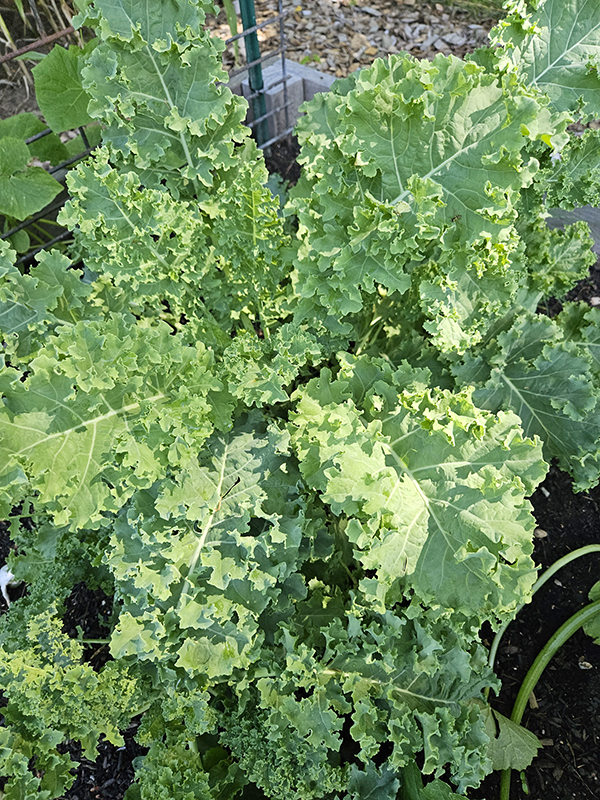
All of these crops compete for the same type of nutrients in the soil. Once those nutrients are used up, one or both of the crops will start to suffer, resulting in stunted growth.
In addition, both of these crops can take up a lot of space in the soil. If you don’t have proper airflow around these plants, issues like powdery mildew can take hold and continue for the rest of the growing season.
2: Fennel – 6 Tomato Companion Plants
Fennel is one of those crops that doesn’t really play well with most vegetables. The reason for this is that it produces a type of chemical (i.e., allelopathic chemicals) that actually inhibits the growth of most types of vegetables.
If you want to include fennel in your garden, try to use a dedicated raised bed or container to grow it in. You can even use inexpensive grow bags to grow fennel. Just make sure the bags are tall so the roots and top have plenty of room to grow. (Product Link: 10-Pack 7 Gallon Grow Bags)
The containers or raised beds will keep most of your vegetables unaffected. Or, stick the fennel in with plants that aren’t bothered by the chemical, like some brassicas, lettuce, peas, and dill.
3: Corn
Neither sweet corn nor popcorn should be grown directly near tomato plants. There are three main reasons for this.
First, corn is an extremely heavy feeding crop, as are tomatoes. The two crops can compete for nutrients and resources from the soil. Without enough nutrients (especially nitrogen), both crops might end up suffering in the long run.
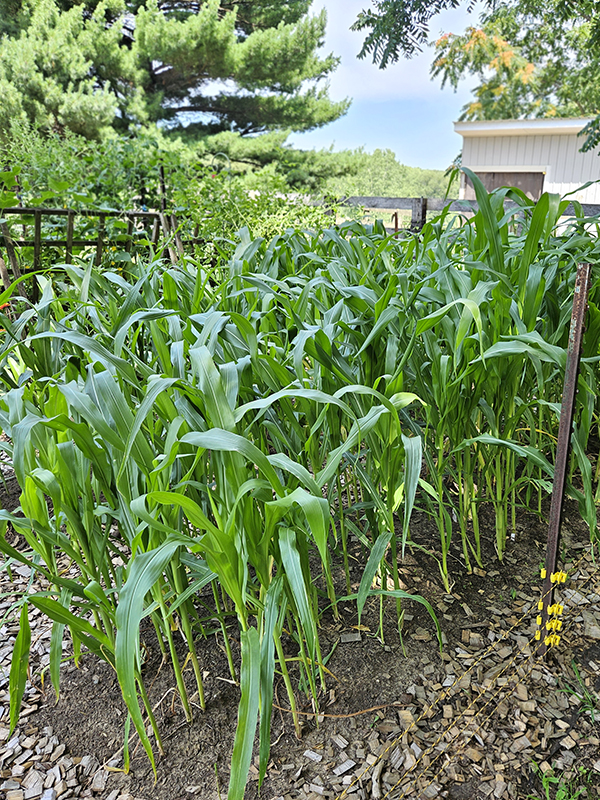
Next, corn is known to attract the corn earworm. This pest is also called “tomato fruit worm”. (It is called corn earworm when it is found on corn and tomato fruit worm if it is found on – you guessed it – tomatoes.) If you have either of these crops growing nearby, the pest can happily make its way back and forth between the two, causing damage.
Lastly, both corn and tomato plants can grow to be pretty tall. This will cause the plants to compete with one another for sunlight and can increase the likelihood of mildew taking hold if there is not proper air flow.
4: Other Nightshades
Tomatoes are part of the nightshade family. This group also includes potatoes, peppers, and eggplants. While all of these crops have somewhat similar growing conditions, they shouldn’t be planted near one another.
The main reason is that they are all susceptible to early and late-season blight. These blight spores can drop to the soil and be transferred to other similar crops via rainwater, hand watering, animals, or even yourself. And once you have blight spores in your garden, it can be tricky to get rid of. (This is a good reason to rotate your crops, but that’s a discussion for another day!)
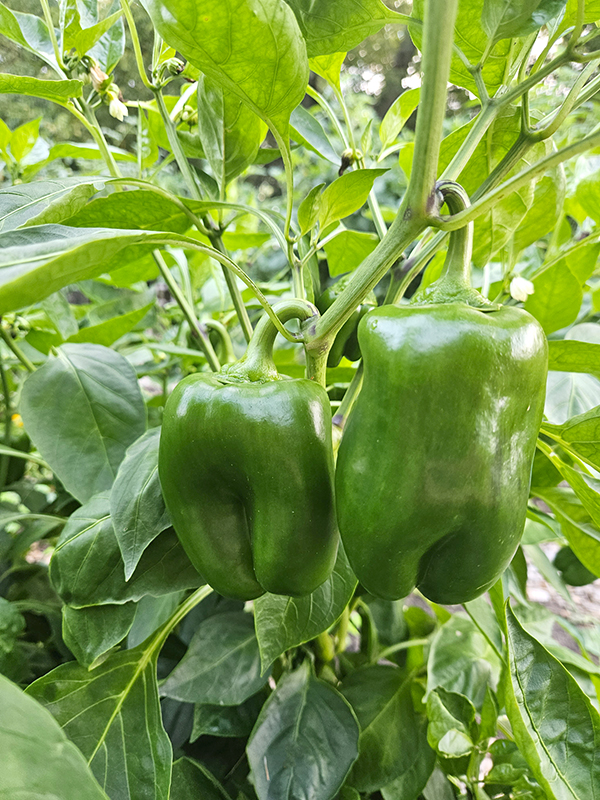
In addition, a common pest for tomatoes is the tomato hornworm. These massive worms don’t just affect tomato plants. They will snack on all plants in the nightshade family as well.
Hopefully, these lists will help a bit when it comes to growing companion plants near tomatoes while keeping other plants far away!
Until next time, thanks for stopping by!
– Chelsea
*This post may contain affiliate links. These are products I have used personally and highly recommend. As an Amazon Associate, I may earn a small commission from qualifying purchases if you purchase items through my links. These links and the ads on this page help to support my family and our semi homestead, so Thank You!
Discover more from Semi Homestead Life
Subscribe to get the latest posts sent to your email.