
When it comes to growing a garden, there are so many benefits that marigolds can and will bring to your growing space if they are planted amongst your vegetables. From attracting loads of pollinators to helping repel some of the most annoying garden pests, marigolds are a must-have for our garden – And they should be in yours, too!
Marigolds are super easy to grow in about any type of location. As long as they get full sun and well-draining soil, these annual flowers can thrive. In fact, you can grow them directly in your garden, in raised beds, in containers, and even in hanging baskets.
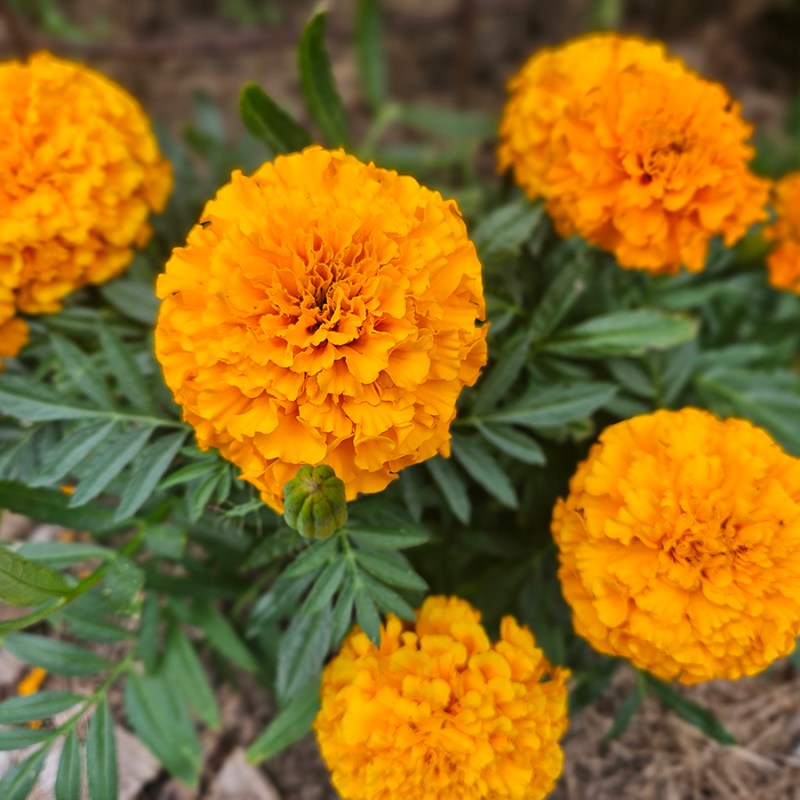
You can find marigolds that grow to be as tall as four feet or as dainty and short as 6 inches. They can be planted as a living border to gardens and walkways or you can use them as stunning backdrops behind shorter annual flowers and crops.
Marigolds will fill your landscape with brilliant fiery hues of red, orange, yellow, white, and a combination of colors. Their blooms can grow huge to resemble large pom poms. Or they can be dainty with just a single layer of petals.
Whichever type of marigold you choose to grow, they will all work to help benefit your garden in several different ways. See what those benefits are and why you should consider growing marigolds in your garden this year!
The Benefits Of Growing Marigolds
Flowers are perfect for adding pops of color and texture to your property. In fact, there are some flowers I grow in my garden just because I like how they look. But that doesn’t mean that you also can’t grow flowers that can look pretty AND be put to work to help protect your garden at the same time!
Marigolds are definitely one of the prettiest flowers available in my opinion. With their warm-colored blooms and textured green foliage they are great for adding a pop of fiery color wherever they are planted.

Marigolds are also one of the easiest annual flowers to grow. They germinate quickly from seed and you can start them indoors and then plant them as transplants. Or, you can sow the seeds directly in your garden once the soil warms.
With hardly any maintenance at all aside from the occasional watering during dry spells and deadheading spent blooms, marigolds will continue to provide you with bloom after bloom all summer long!
But wait, there’s more!
Attracting Beneficial Insects
These same beautiful blooms are perfect for drawing in all sorts of beneficial insects and pollinators. Bees, butterflies, moths, and wasps are all attracted to marigold blooms.
As the insects visit bloom after bloom, they help to pollinate the other flowers and vegetables in your garden. The more pollinators buzzing or flying around equals more flowers, vegetables, and fruit for you to harvest!
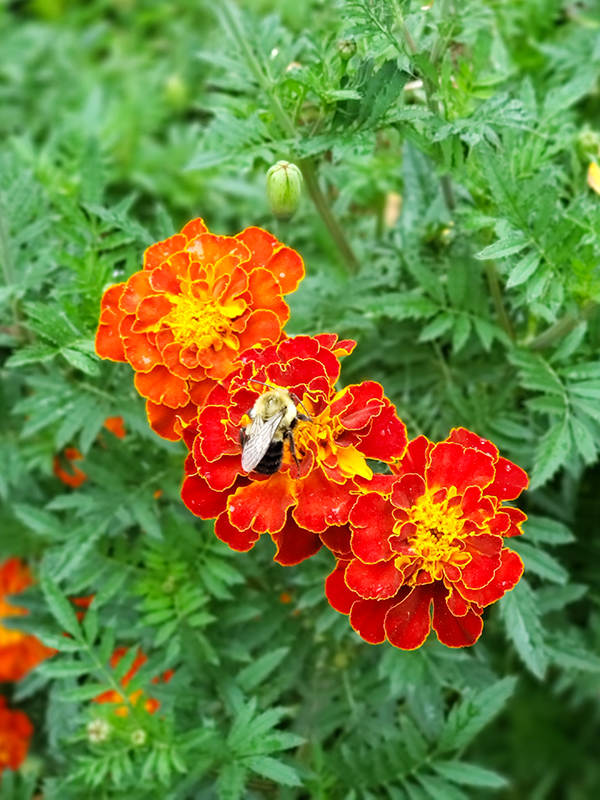
Besides pollinators, marigolds also help to attract ladybugs, hoverflies, and parasitic wasps. The ladybugs help to eliminate mealybugs, mites, and the every-pesky aphids. Hoverflies, while annoying if they land on you, also help to control aphids. And parasitic wasps can help get rid of those creepy-looking tomato hornworms.
Preventing Other Pests – Benefits Of Growing Marigolds
Due to their interesting odor, marigolds can also help deter larger pests from hanging around your garden. Animals like rabbits, squirrels, groundhogs, and chipmunks tend to steer clear of marigolds due to their strong scent.
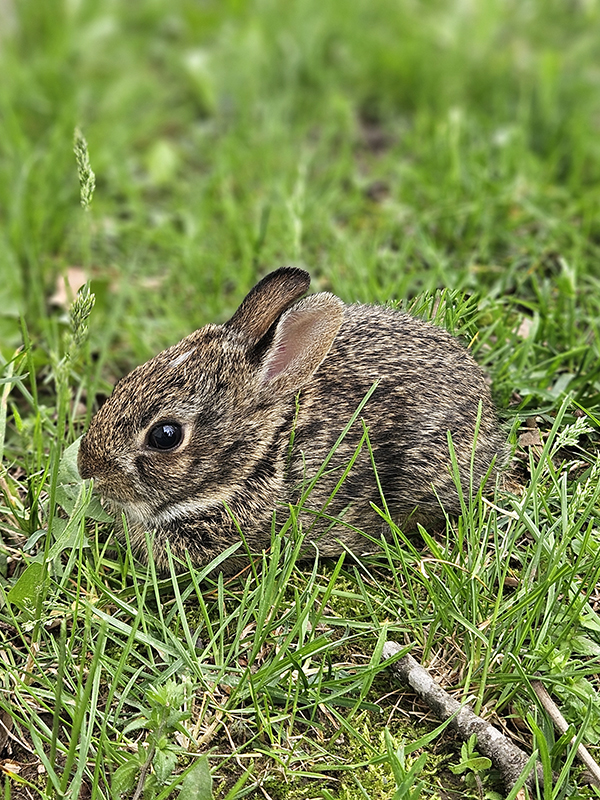
However, any plants that aren’t growing by the marigolds are usually fair game. We learned this the hard way due to several hungry baby bunnies that kept visiting our garden. Sure we had marigolds around the tomatoes and peppers, but not the beans. Lesson learned!
Some other smaller garden pests can also be put off by the scent of marigolds. Pests like cabbage worms, squash bugs, and tomato hornworms will also usually look elsewhere for their dinner if marigolds are nearby.
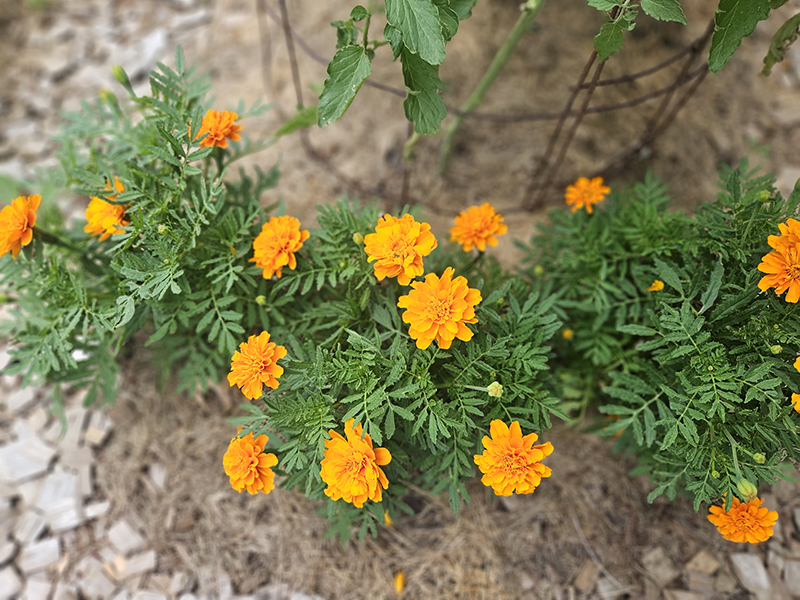
Some gardeners like to plant a border or fence-like surrounding of marigolds around their vegetable garden just to help keep such pests at bay. If you are going this route, choose French Marigold varieties due to their smaller yet bushier growth habits. We tend to grow them around our tomatoes and other at-risk plants since we use growing rows in our garden.
Deterring Nematodes
Nematodes are tiny, microscopic non-segmented round worms. There are millions of these little worms living in your soil that you can’t see. (This is unlike the beneficial nightcrawlers and red worms that you can see and are good for your garden soil.)
Thankfully, most of the species of nematodes aren’t harmful. They simply coexist in your soil without any issues (or without you even knowing they are there!). However, there are some nematodes that can not only damage your vegetable crops but kill them altogether.
One of the most common unwanted nematodes is the Root Knot Nematode. This microscopic worm feeds on the roots of plants like tomatoes, peppers, and other vegetables in your garden. The result is stunted plants that can eventually die altogether.
If you were to remove the affected plant, you would see little bumps or knots on the roots of the plant. (Hence the name “Root Knot” Nematode!) These knots prevent the plant from drawing up nutrients and moisture, eventually killing it altogether.
Marigolds work by producing a chemical that the nematodes don’t like (specifically French Marigolds). In fact, it’s toxic to them. So planting marigolds around the base of these usually affected plants can help prevent or at least slow down the damage caused by Root Knot Nematodes.
Saving The Seeds – Benefits Of Growing Marigolds
Lastly, another one of the best benefits of growing marigolds is that you can easily save their seeds. In fact, marigolds are one of the easiest annual flowers to save seeds from. Some of my favorite varieties are:
- Safari Scarlet Marigold – A dwarf French Marigold variety that grows to be around 10 inches tall. It features 2-inch blooms with light orange centers and bright red tips. (Product Link: Baker Creek Rare Seeds Sarari Scarlet Marigold Seeds)
- Happy Days Mixed Colors Marigolds – Another French Marigold variety that grows to around 10 inches tall. It has a mixture of 2-inch-sized orange, yellow, and bicolored red blooms. (Product Link: Burpee Happy Days Mix Marigold Seeds)
- Whopper Orange Marigolds – An African Marigold variety that grows upwards of 18 inches tall. It produces huge double blooms that resemble large pom poms in bright orange. (Product Link: Park Seed Whopper Orange Marigold Seeds)
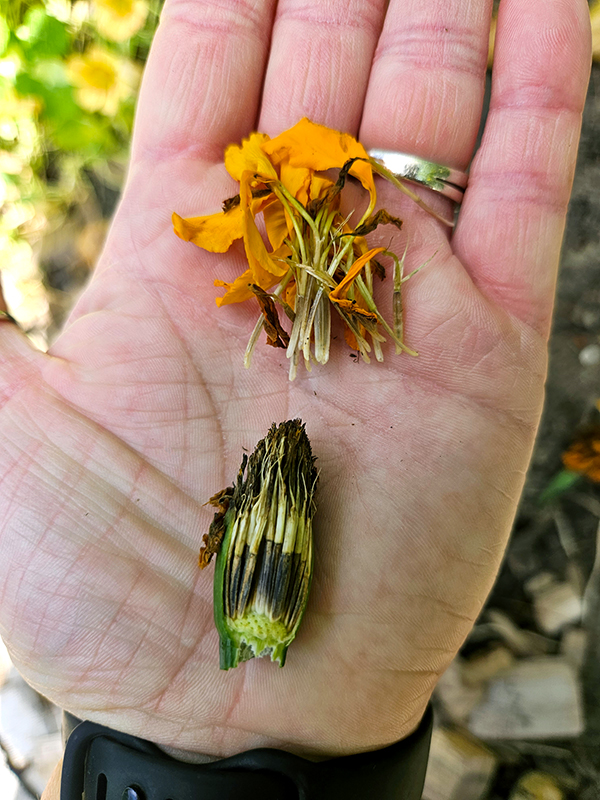
As long as you are growing an open-pollinated variety, you can successfully save their seeds and have the new plants be identical copies of the parents. We have done this successfully on many occasions, and it has allowed us to not only save money but also keep growing some of our favorite marigold varieties year after year.
Hopefully, this article helped encourage you to grow marigolds in your vegetable garden this year and reep all of the benefits that go along with growing them – aside from them just being pretty!
Until next time, thanks for stopping by!
– Chelsea
*This post may contain affiliate links. These are products I have used personally and highly recommend. As an Amazon Associate, I may earn a small commission from qualifying purchases if you purchase items through my links. These links and the ads on this page help to support my family and our semi homestead, so Thank You!
Discover more from Semi Homestead Life
Subscribe to get the latest posts sent to your email.