
While you might not think about what goes on below your feet, both nightcrawlers and redworms are super beneficial for gardeners. And while they might appear like creepy crawlers, they play a vital part in keeping your soil – and thus your plants – healthy and happy!
If you have ever walked outside in your yard at night right after a rainstorm and noticed a slithering as you walk, then you’ve likely encountered nightcrawlers (also called dew worms). If you’ve taken a shovelful of decomposing compost and seen little red worms everywhere, then you’ve likely encountered redworms (also called red wigglers).
Both of these tiny creatures are a type of beneficial earthworms that help gardeners in two main ways. First, they are excellent bait for freshwater fishing. You’ve likely come across bait shops or even gas stations selling tubs of these wiggly worms from small refrigerators.

Second, and the reason for this article, is that they both help to benefit the soil in gardening situations. Even though neither nightcrawlers nor redworms are native to the United States, they can work miracles for backyard soils and ecosystems!
While you might have had to deal with nightcrawlers and redworms slowly creeping onto your driveway or sidewalk after rainfall, these earthworms are actually welcome creatures for gardeners and growers.
All About Nightcrawlers And Gardeners
Identifying Nightcrawlers & Redworms
Nightcrawlers and redworms are sometimes confused with one another. While both help to decompose the soil, break down organic matter, and create worm castings, they are a bit different in appearance and habits.
Nightcrawlers are fairly large worms, growing to around four to eight inches in length. They might appear to be even longer when they stretch out crawling along the ground. They are darker brown in color, with hints of pink and gray.
Redworms, on the other hand, only grow to around two to three inches long. They are – you guessed it – mostly red in color.
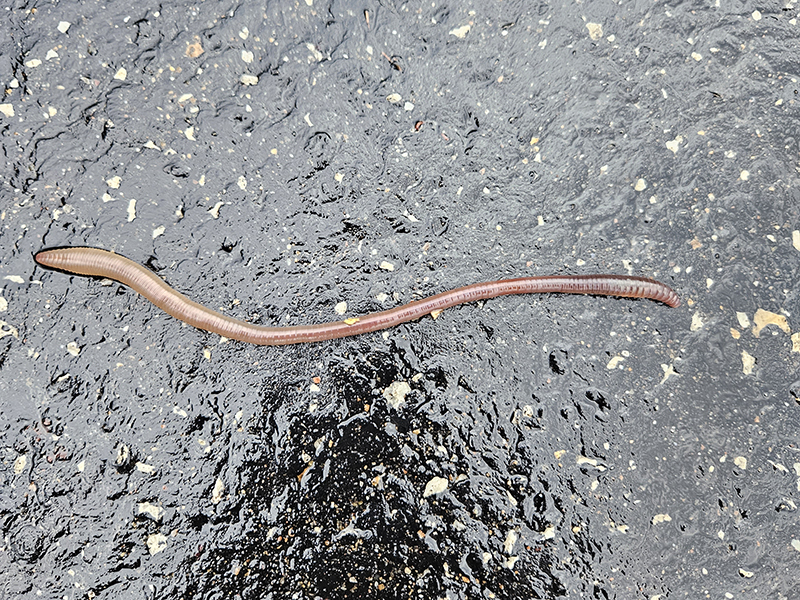
While both are great for creating nutrient-dense worm castings (aka worm poop), redworms tend to stick to the top few inches of the soil. Because of this, they prefer locations where temperatures stay around 70 to 80º Fahrenheit.
Nightcrawlers, on the other hand, burrow deep into the soil, adding additional benefits to growing areas within gardens. They can withstand cooler temperatures and conditions.
If you were to pick up one of each of these earthworms and hold them in your hand, the redworms would squirm like crazy and try to wiggle away. The nightcrawlers, however, would simply slither away slowly.
NightCrawler Benefits
You can start to see nightcrawlers in the spring and summer months. They live deep under the ground but come to the surface to mate and after rain. If you have active nightcrawlers, you might see little mounds of soil on the surface of your lawn.
After heavy rains or when the ground is very moist, you can often see nightcrawlers slinking around on the soil’s surface. You have to be a bit sneaky to see them though because they quickly dart back under the soil if they sense vibrations from your (or your pet’s) feet.

One of the best benefits of nightcrawlers or dew worms is the fact that they help to aerate the soil. As they crawl through the soil, they leave behind small tunnels that help to move oxygen to plants’ roots. These tunnels also help with soil drainage as well.
In addition, as they travel along, they break down and decompose organic matter. Items like decaying plant matter, dead leaves, etc all become consumed by the nightcrawlers. In their wake, nightcrawlers leave behind mineral and nutrient-rich worm castings.
Are Nightcrawlers An Issue?
Nightcrawlers can become a nuisance around your property when it comes to your sidewalks and driveways. If you have a large population of nightcrawlers, you might see these creatures make their way to your concrete paths after heavy rains.
The best way to handle them is to either ignore them completely or give them a gentle hand at moving to your yard or garden spaces. They will either slowly crawl their way off the concrete or they will eventually dry up if they aren’t fast enough.
Redworm Benefits
Redworms are known for being fast movers and quick eaters. In fact, the worms eat up to half their body weight daily whereas nightcrawlers only eat about a third. Redworms’ choice of meal items includes decaying organic matter, similar to that of nightcrawlers.
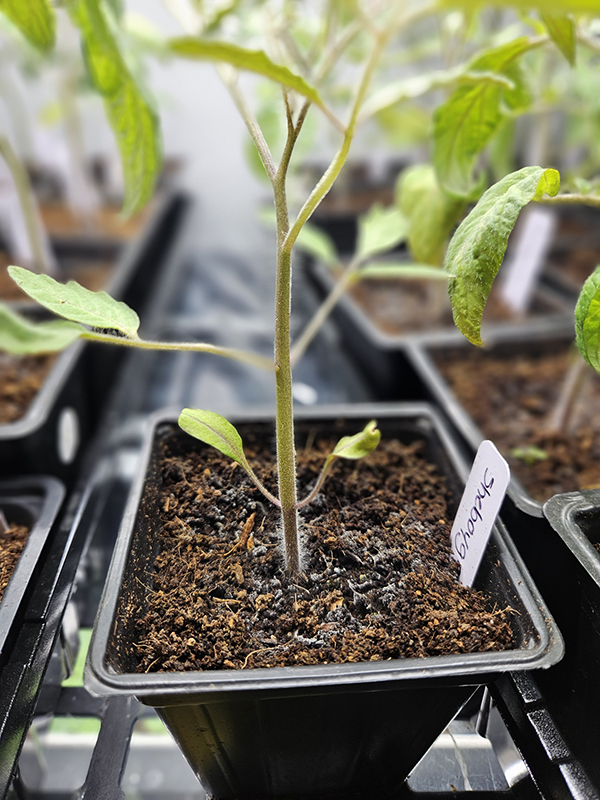
One of the best ways to put redworms to use is in your compost pile. The whole goal of creating amazing compost is to decompose all your organic matter quickly without losing any nutrients. Redworms, thanks to their high consumption rate, are perfect for tackling this task.
Many gardeners will also use redworms for vermicomposting bins. Along with fast eating, they can also reproduce quickly. This allows for rapid population growth within these enclosed systems.
The more worms you have, the quicker they can decompose and break down all your compost, leaving behind the perfect all-natural fertilizer, worm castings! These worm castings are perfect for all sorts of gardening uses.
Fun Facts About Nightcrawlers and Redworms
- While worms don’t have eyes, they can sense light through their front end.
- Worms are both male and female, and they still mate in order to reproduce.
- They don’t have lungs. Instead, worms breathe through their moist skin.
- There can be over one million earthworms in just one acre of land.
- The slime that is on a worm’s skin contains nitrogen – A vital nutrient for growing plants in the garden.
- When that slime coating dries out, a worm will die.
- Worms stay in their burrows during the winter in a sleep-like state, similar to bears.
- You can actually purchase worms online if you want to add them to your compost piles or start a vermicomposting bin. (Uncle Jim’s Worm Farm)

Hopefully, you now realize just how important and useful nightcrawlers and redworms are for gardeners and growers. Maybe, instead of being creeped out the next time you see a wiggly creature, you can thank them for improving your garden soil and creating amazing compost!
Until next time, thanks for stopping by!
– Chelsea
*This post may contain affiliate links. These are products I have used personally and highly recommend. As an Amazon Associate, I may earn a small commission from qualifying purchases if you purchase items through my links. These links and the ads on this page help to support my family and our semi homestead, so Thank You!
Discover more from Semi Homestead Life
Subscribe to get the latest posts sent to your email.