
From planting all the way through harvesting, there is a lot to know about growing zucchini plants, and this article will cover it all! Zucchini are a perfect addition to any garden and their fruit can be used for way more than zucchini bread!
You’ve likely heard the joke warning people to make sure their car windows aren’t down and their front doors are locked during the summer months or else neighbors will start dropping off zucchini by the buckets. And there’s a good reason for those jokes!
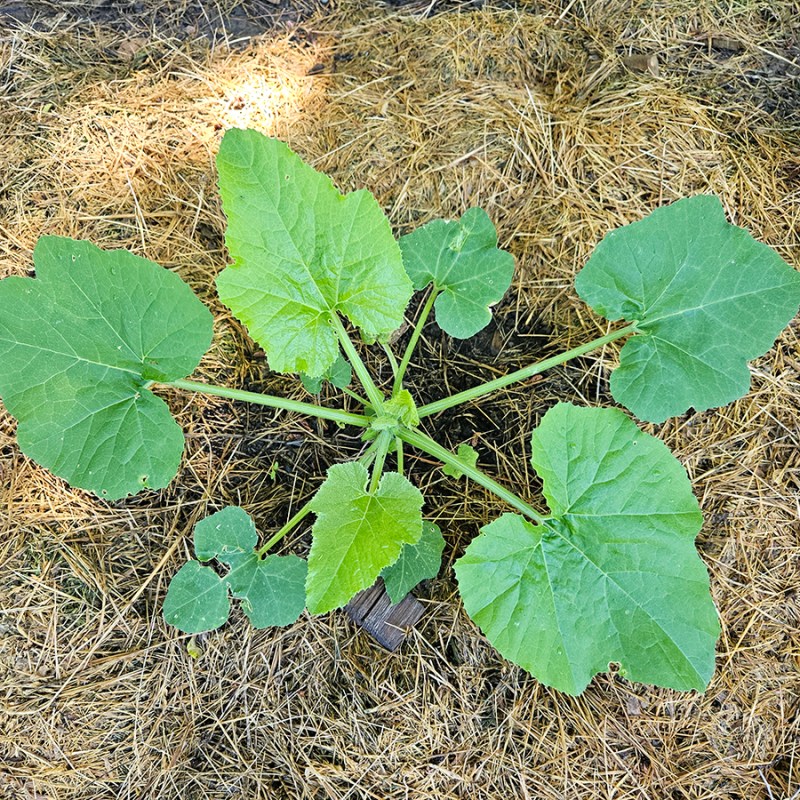
Zucchinis are heavy producers. One plant can produce enough to keep a “typical” family in a steady supply all summer long. (For my family since I am a zucchini lover, I prefer more around 8 plants! Yes, I’m that crazy!)
Zucchinis are warm-weather crops that are sometimes called “Summer squash.” This is because they are harvested during the summer months, unlike winter squash that are harvested during the fall. Most often the varieties produce green zucchinis, but some also produce yellow or even striped.
While zucchini plants are relatively simple and easy plants to grow from seed or transplants, there are still a few things you need to know. From choosing the right location to watching out for some common pests (I’m talking to you, Vine Borers!), a few simple tips will go a long way!
How To Plant & Grow Zucchinis – All About Zucchini Plants
Starting Seeds Or Direct Planting
One of the best parts about growing zucchini is that they can be grown via seeds or transplants. You can either start the seeds indoors in late winter/early spring to transplant outside or you can plant the seeds directly in your garden space.
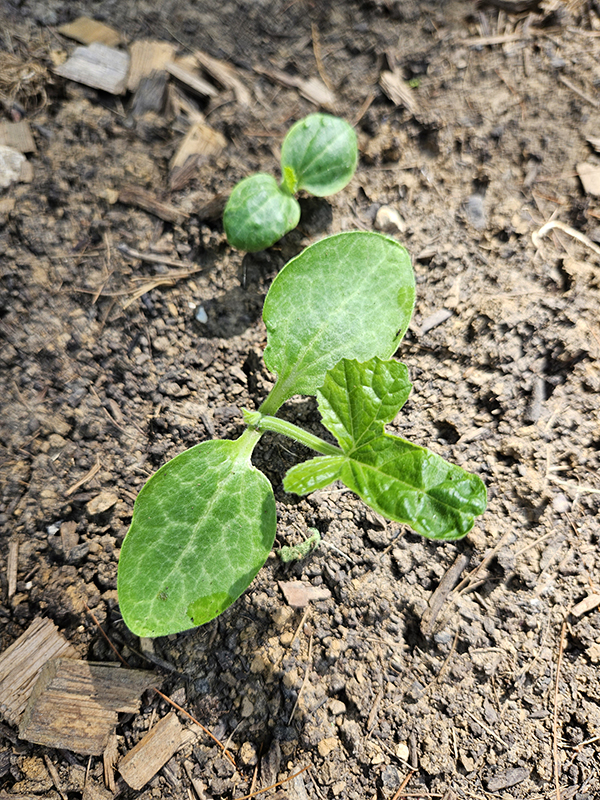
There have been some years when I have started some seeds indoors to give plants a head start before transplanting them outside. Then, I’ll also plant seeds directly in my garden in early summer. This allows me to have mature plants later in the growing season about the time the indoor-started plants begin to slow down on production.
If you are starting the seeds indoors, use a container that is decomposable. This will allow you to transplant the zucchini into the garden with the least amount of stress to the plant’s roots. However, I have many times used regular grow containers and not had issues with the transplants, aside from them looking a little weak for a week or two.
Start the seeds about 2 to 4 weeks before your last frost date. For more specific information on starting seeds indoors, check the first article in my series: “Starting Your Garden Seeds Indoors Series – Part 1: Sowing“.
Picking The Right Time
If you are planting seeds directly in the garden or when you go to plant the seedlings you either purchased or started indoors, wait until the soil is at least 65 to 70º Fahrenheit. Cooler soil will prevent germination and stall the plant’s growth.
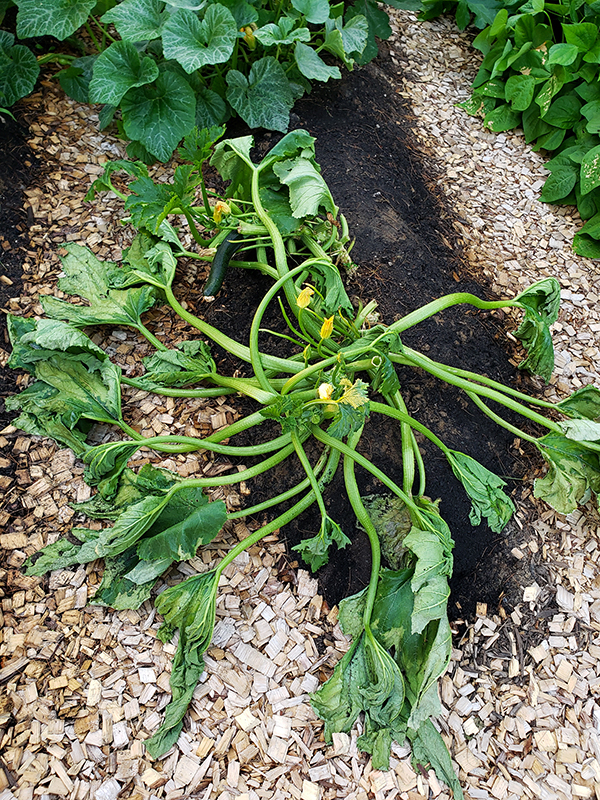
There are also some other advantages to delaying the planting of your zucchini seeds or transplants. Pushing the date back until midsummer is even best in some instances.
This is because zucchini plants often fall victim to squash vine borer. In spring and early summer, a vine borer adult will fly around looking for a place to lay her eggs. Their favorite is the bottom stem of a zucchini plant. By waiting to plant until mid-summer (around the end of June/early July where we live), most of the adults have already moved on.
Squash Vine Borers
My plants have often become victims of vine borers. If you can’t delay planting, using row covers when plants are young can help. You can also wrap the base of the stem with foil to prevent the eggs from being laid.
Another tactic you may have read about is verticle growing. However, we have not personally seen the benefit of that as far as preventing vine borers is concerned. For saving on garden space, it’s a great option. But growing the plants vertically has not had any effect on preventing the vine borers from laying eggs on the plants.
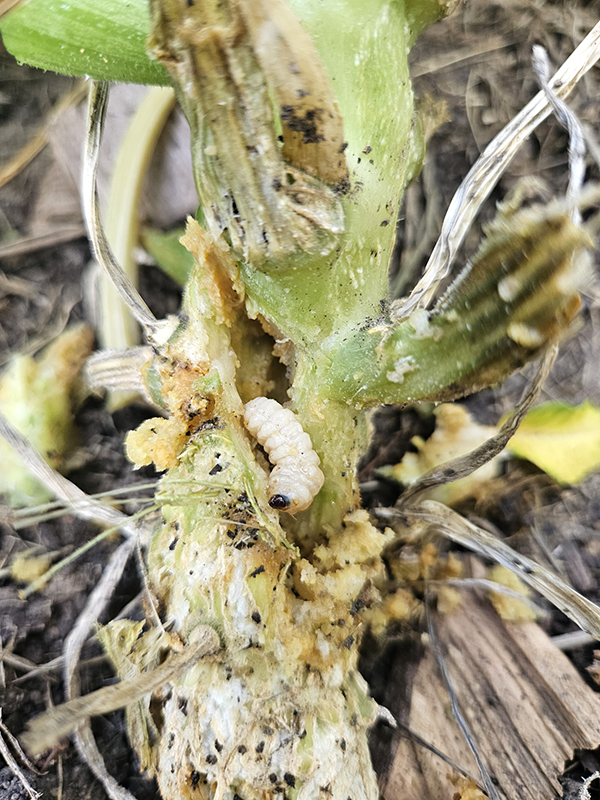
If you do notice vine borer damage (chaff around the base of the plants and weakened-looking stems), all is not lost. Simply dig the little grubs out and bury the cut part of the stems. It’s a gross job, but we’ve had good success with it!
Choosing The Right Location
One of the biggest parts of growing healthy zucchinis that are also heavy producers comes down to choosing the right location for your plants.
Like many other garden vegetables and flowers, zucchinis require full sun in order to produce blooms and eventually fruit. Choose a growing location that receives at least 6 to 8 hours of direct sunlight each day.
While they aren’t particular about the soil they are in, they do prefer evenly moist soil. Choose a spot that drains well since the plants don’t like standing water.
In addition, zucchini plants grow best when the soil is loose and fertile. This goes for either directly planted seeds or transplants. Work in several inches of rich compost into the soil prior to planting to give plants a great head start.

It’s Planting Time – All About Zucchini Plants
For direct sowing, you can use either mounds or growing rows. Most often, we choose to grow our zucchini in rows because it works better for our garden situation.
For rows, space seeds 4 to 6 inches apart. After the seeds germinate and are a few inches tall, thin so there is one plant every 3 to 5 feet (1 to 2 feet for vertical growing).
For mounds, create a small hill every 3 to 5 feet apart. Plant 3 to 5 seeds per mound. The seeds should be placed about 1 inch deep in loosened soil. Once they have germinated and are a few inches tall, thin to 2 to 3 plants per mound.
Water the seeds well and keep the soil consistently moist until germination occurs. This usually occurs about a week to two weeks after planting if the soil is warm enough. Add a nice thick layer of mulch around the plants to help retain the soil’s moisture.
If you are planting transplants, Plant one zucchini plant every 3 to 5 feet apart. If you are growing plants vertically, the spacing can be more around 1 to 2 feet apart.
Caring For Zucchini Plants
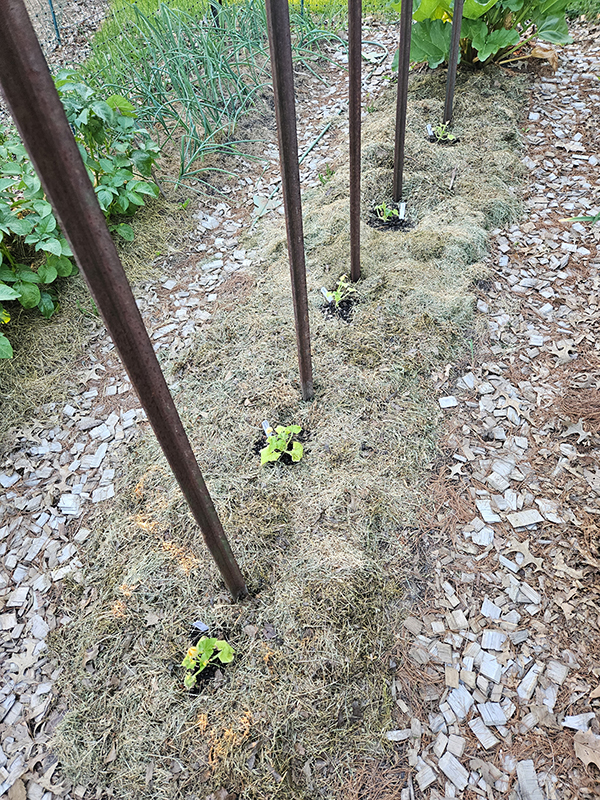
If you are growing plants vertically, install the trellises at the time of planting. We grew several plants up steel t-posts and tied them with stretchy plant ties. That allowed us to have several more plants in a smaller space. However, we also have great success with growing plants along the soil as well. (Product Link: Soft Plant Ties for House and Garden Plants)
Maintain a 4 to 6-inch deep layer of mulch around plants. Avoid letting the mulch touch the plant’s stem. Use an organic material like shredded leaves, grass clippings, or straw (our personal favorite is grass clippings).
When you start to see blooms, provide a boost of nutrients and energy by side-dressing compost or an all-purpose balanced fertilizer. Both liquid or granular fertilizers work well with zucchini plants.
Pollination Problems
If your plants are growing like weeds but you aren’t getting any fruit, you might have an issue with poor pollination. Each plant produces both male and female blooms. However, most early flowers are male.
Be patient and keep an eye out for female flowers later on. They will be the flowers with little bulges at the base of the bloom. Hand pollination can always be used if needed (more on this in a future article).

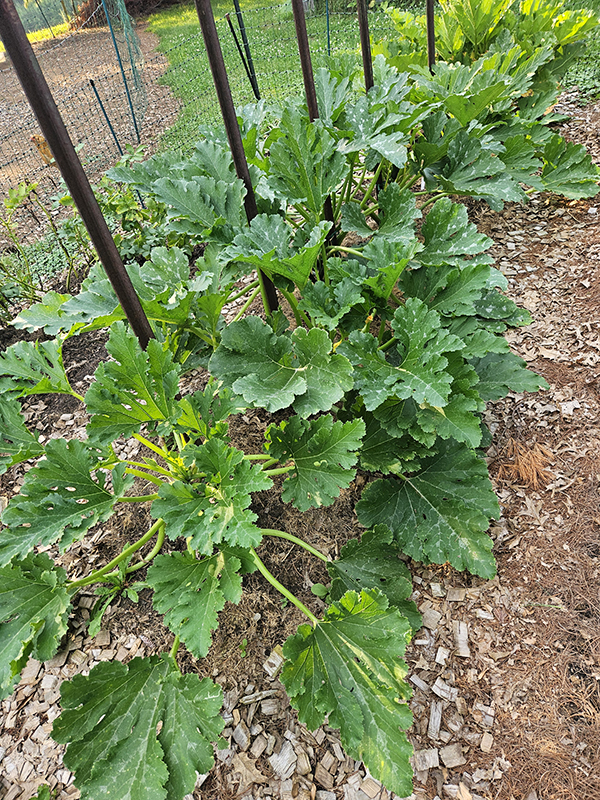
Some plants produce so many large leaves that the pollinators have issues getting to the female and male blooms on the plant. If this is the case, you can cut off the older leaves. This will also help to improve airflow to the rest of the plant as well. Continue to prune plants throughout the season as the plant grows.
Proper Watering
Adequate watering is one of the most important aspects of successfully growing zucchini. They require around an inch of rainfall or hand watering each week.
When watering, avoid getting moisture on the leaves if at all possible. This will help lessen the chances of mildew occurring.
Water plants deeply and less often as opposed to little drinks here and there. This will help to encourage the roots to grow down deep into the soil. Use a moisture meter if you need assistance knowing whether the soil down deep is still moist to avoid both under and overwatering. (Product Link: XLUX Soil Moisture Meter)
Harvesting Zucchinis – All About Zucchini Plants
For the best flavor and texture, harvest zucchinis when they are on the smaller size. Aim for a size of around 6 to 10 inches long and just about 2 to 3 inches in diameter.

Sure it’s fun sometimes to harvest those huge zucchini. However, leaving the fruit to grow that large on the plant can slow down the plant’s production of additional fruit.
Also, those humongous zucchini aren’t nearly as tasty or pleasant to eat! They become spongy and the seeds get to be rather large. (You can scoop out the spongy part and the seeds which helps or feed them to your chickens like we do.)
Zucchinis really are a great addition to any garden. I hope you give one (or eight!) plants a try this summer!
Until next time, thanks for stopping by!
– Chelsea
*This post may contain affiliate links. These are products I have used personally and highly recommend. As an Amazon Associate, I may earn a small commission from qualifying purchases if you purchase items through my links. These links and the ads on this page help to support my family and our semi homestead, so Thank You!
Discover more from Semi Homestead Life
Subscribe to get the latest posts sent to your email.