
You might consider them to be obnoxious weeds that can survive some pretty harsh conditions. However, there are actually some pretty great benefits to allowing dandelions to grow in your lawn and garden – at least for a little while!
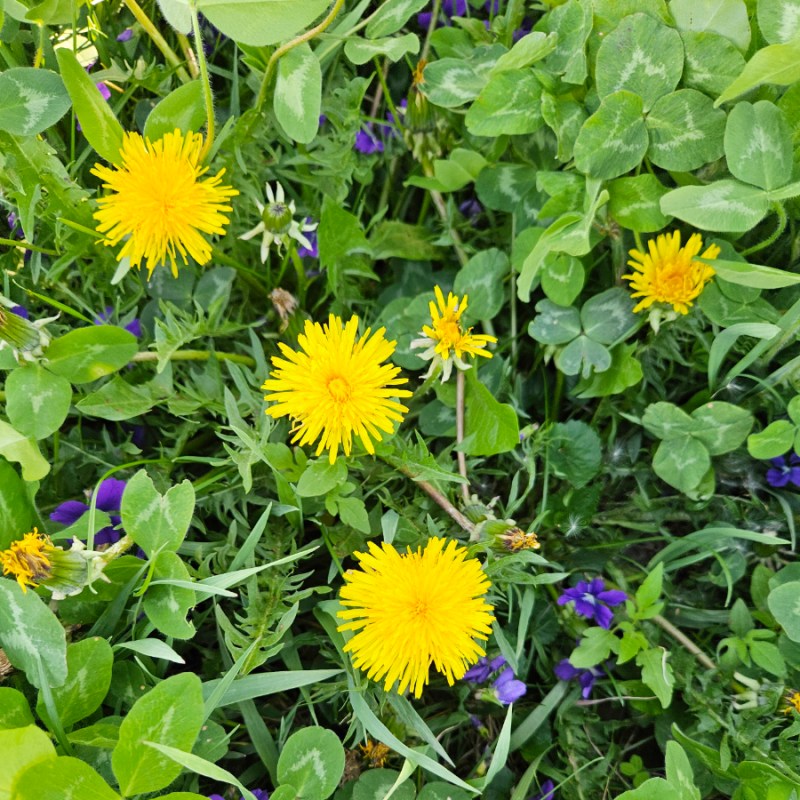
I get it, most people think of dandelions as weeds. The sight of those little yellow puffballs on long stems can send shivers down some homeowners’ backs. How can they get those beautiful green stripes in their lawn after mowing if there are dandelions growing in the way?
In all honesty, all those straight lines never drew much appeal for me personally. Not only is there a ton of time involved with maintaining a pristine, weedless lawn, but most of the time, homeowners have to dump loads of chemicals and sprays just to keep unwanted grasses and weeds from popping up.
As someone who grows my own food through gardening and even foraging, I try to stay away from chemicals as much as possible. This is especially the case when the chemicals aren’t really needed other than for maintaining a certain aesthetic appearance.
While I know it isn’t always possible to just let your yard grow wild, in most cases. This is especially true if you live within city limits. But you can still avoid using chemicals to spray the weeds. Even putting off mowing for as long as possible in early spring can go a long way.
That way, you can still allow the dandelions to grow and bloom before they need to be cut. Not only will you be doing pollinators like bees a huge favor, but you might be able to learn a little bit about your yard at the same time!
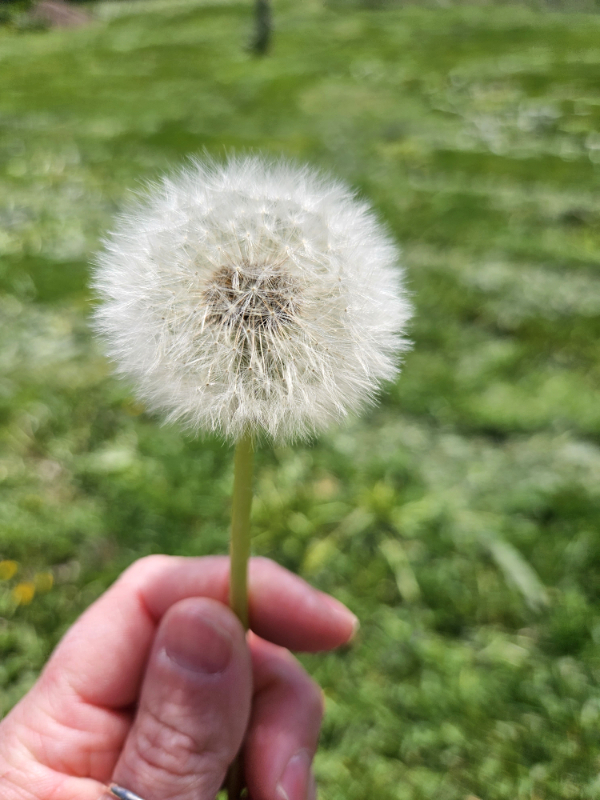
What Makes A Dandelion A Weed?
A “weed” is a plant that is growing in a location where it isn’t wanted. A dandelion itself isn’t really a weed. It only becomes one when it is growing in the cracks of your sidewalk or some other place you’d rather not see it.
In fact, Merriam-Webster actually defines a weed as “a plant that is not valued where it is growing and is usually of vigorous growth. Especially : one that tends to overgrow or choke out more desirable plants”.
Personally, I will always have a soft spot for dandelions. They were the first “flowers” my kids used to pick each spring to give to me. While they never lasted long in a bud vase on the counter, I still enjoyed displaying them for the short amount of time.
But the benefits of dandelions go beyond just being a mother’s bouquet. From being one of the very first food sources for bees and early pollinators to actually helping your soil, they are a weed that I like to keep around as long as possible.
The Health Benefits Of Dandelions
Dandelions have been used for years in homeopathic and traditional medicines. From the yellow petals to the long taproot, the entire plant is considered to be medicinal.

Dandelions are actually packed with vitamins and minerals. Vitamins like A, C, E, and K, as well as calcium, iron, magnesium, and potassium, can all be found in dandelions. They are also high in antioxidants like beta-carotene and polyphenols, which can help to protect against aging and some chronic illnesses.
They can help support your liver, regulate your sugar, act as a diuretic, and reduce inflammation. While you can find dandelion supplements in stores and online, you can also forage and consume them yourself to get these same health benefits.
The Plants Are Edible – The Benefits Of Dandelions
All parts of a dandelion are edible. I even have two articles about making Dandelion Jelly as well as Dandelion Shortbread Cookies, if you want to check those out. Otherwise, here are other ways you can enjoy consuming dandelions:
Greens – The green parts of a dandelion plant are a bit bitter. However, you can still enjoy them fresh by adding a few leaves to fresh salads. To help reduce the amount of bitterness, it’s best to cook the leaves. Blanch the washed greens for one minute in salted water to help reduce their bitterness. Squeeze out any excess water. Then, saute them with a little fat/oil and your favorite seasonings.
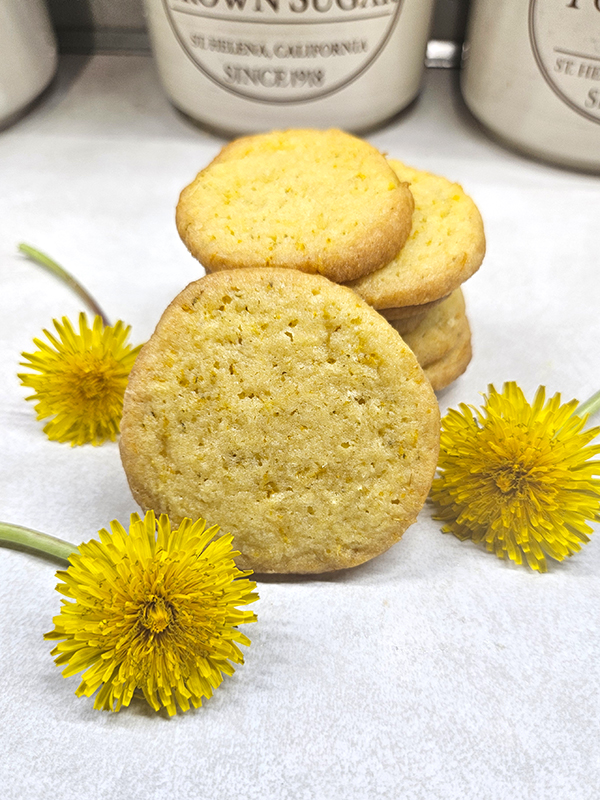
Flowers – This is my favorite part of a dandelion plant to consume. The yellow petals of a dandelion do not have the bitter flavor that the greens can, and you can use them in all sorts of recipes. Sprinkle the petals on salads, dehydrate them to add to teas, create dandelion wine, infuse them in butter or oils, etc. There are several ways to use the yellow petals.
Roots – People use the roots most often to make a coffee or tea alternative. You can also treat the roots like you would any root vegetable and add them to soups and stews. Just be sure to clean them well before using!
The Feed Pollinators
One of the best benefits of dandelions is that they are one of the first sources of food for those early-arriving pollinators. Insects like bumblebees, honeybees, butterflies, hoverflies, and more all visit dandelions for their pollen.
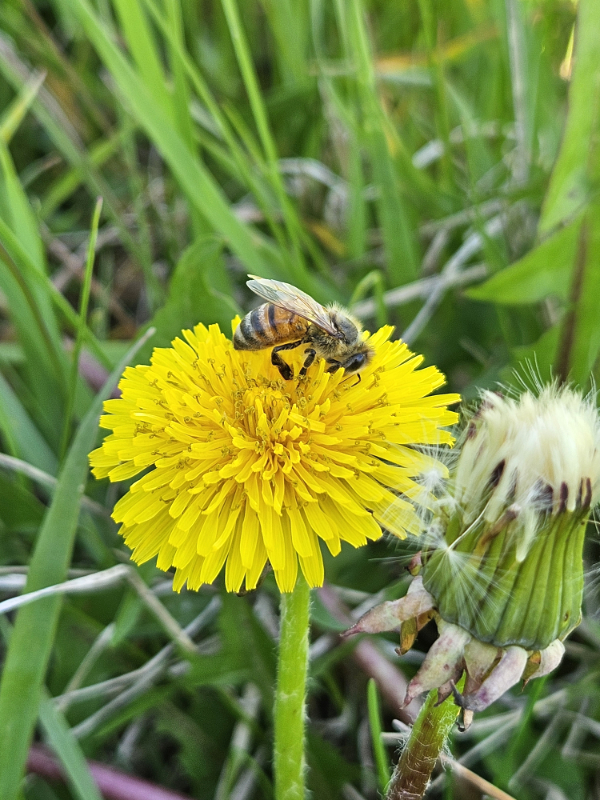
Dandelions aren’t native plants to the United States, even though they are well-established. However, they still provide a source of pollen to pollinators when other native plants aren’t quite yet blooming in early spring. Even though the pollen is technically low-quality, it is still a readily available food source that the bees can rely on.
The key is to leave the dandelions in your yard for as long as possible in early spring. Hold off on mowing your yard, or at least a part of your yard if at all possible. This allows the bees to enjoy the dandelions if no other native plants are nearby.
Dandelions Benefit The Landscape
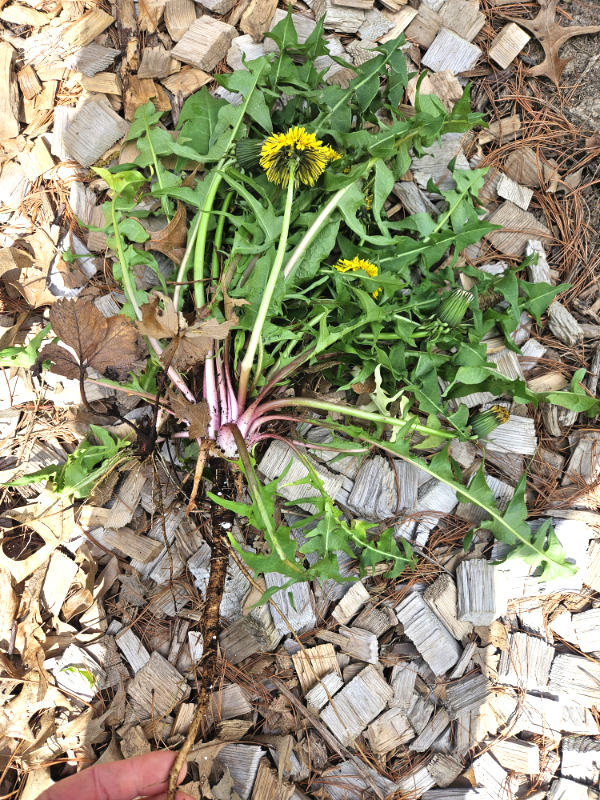
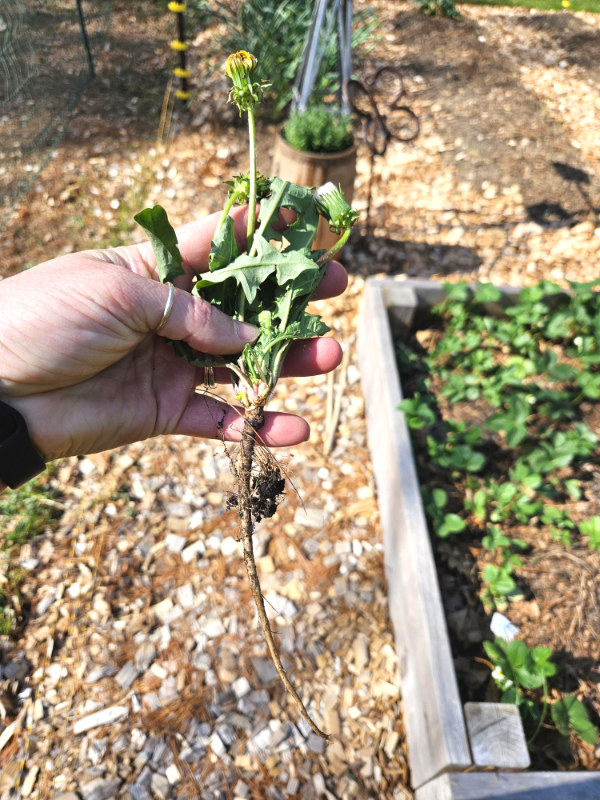
Have you ever tried to pull a dandelion out of the ground? Most of the time, the top simply snaps off right at the soilline. In order to fully remove the plant, you need to pull up the entire taproot as well as the part that grows above the soil.
Dandelions have extremely long taproots. This makes them a pain in the butt to remove. However, that same taproot can also benefit your soil and the surrounding plants.
Since taproots grow deep down into the soil, they have access to a lot of nutrients other plants can’t reach. The dandelions help to bring up those nutrients to the surface. In addition, the taproots also help to aerate the soil. By allowing dandelions to grow in heavy, poor-quality soil, you are actually helping to improve your soil over time.
They Tell You About Your Soil
If you have dandelions growing in your soil, that means your soil is likely compacted and lacking in organic matter. They thrive in soil that is low in calcium but high in potassium and nitrogen.
Test your soil if you are worried about your soil composition. If it comes back showing you have low calcium levels and acidic pH, then apply calcitic lime to the area. Aerating your soil can also help with compaction, as well as working in loads of organic matter like compost. This should help reduce the chances of dandelions making an appearance.
Whether you consider dandelions to be weeds or not, the fact of the matter is that these plants can still benefit you, your soil, and those early arriving pollinators in the springtime.
Until next time, thanks for stopping by!
– Chelsea
*This post may contain affiliate links. These are products I have used personally and highly recommend. As an Amazon Associate, I may earn a small commission from qualifying purchases if you purchase items through my links. These links and the ads on this page help to support my family and our semi homestead, so Thank You!
Discover more from Semi Homestead Life
Subscribe to get the latest posts sent to your email.