
Now is the perfect time to take advantage of all the benefits of planting a cover crop in your garden this year! It’s a practice that I’ve been following now for the last few years and have had amazing success with it.
Not only does the cover crop help to keep my soil protected and prevent weed seeds from taking hold, but it also improves the overall soil health as well. This is especially important if you have overly dense soil like we do here in Zone 5b.
Fall is the time of year when all your warm-weather plants have started to die off and the garden gets cleared out. What you are left with after removing all your plant debris is an empty and sad-looking garden.

If you are anything like me, seeing the garden empty and bare is a bittersweet time. While you are grateful for everything the garden has provided for you and might be ready for a slow-down, it’s also sad to see all that bare soil.
But there are other issues besides your sad emotions that can occur if you leave the soil empty and unprotected. That’s where cover crops can come into play!
Advantages Of Planting A Cover Crop In Your Garden
One of the best reasons for planting a cover crop is the way it helps to suppress weeds. If you leave soil bare and empty, there is a high chance of weed seeds getting blown in, brought in by visiting animals and birds, or simply sprouting from being dormant all growing season long on that bare soil.
However, when you plant a cover crop and it starts to grow, the cover crop fills in the bare soil. This gives the weed seeds no way to get to the soil and germinate.

Another advantage of growing a cover crop is that it helps prevent soil erosion. Bare soil has a much higher chance of running and leaving areas due to heavy rains or high winds. The roots of the cover crop help hold the soil in place and prevent the loose soil from eroding away.
Helping To Improve Your Soil
When you are growing vegetables and fruit in your garden all spring and summer long, the soil quickly gets depleted of vital nutrients and resources. Many cover crops are able to help add those items back into the soil. For example, field peas are excellent for adding nitrogen back into the soil.
Last but definitely not least why you should grow these green manure crops is how they improve your soil. First, cover crops produce deep roots that help to break down dense, heavy soils. This is a big reason why I like to use them in my garden.
In addition, once spring arrives, you can kill off the cover crops by mowing or other means or turn the crops into your soil. This helps to add plenty of organic matter to your soil, improving the soil’s overall composition. So growing them is really a win-win when you think of all their advantages.
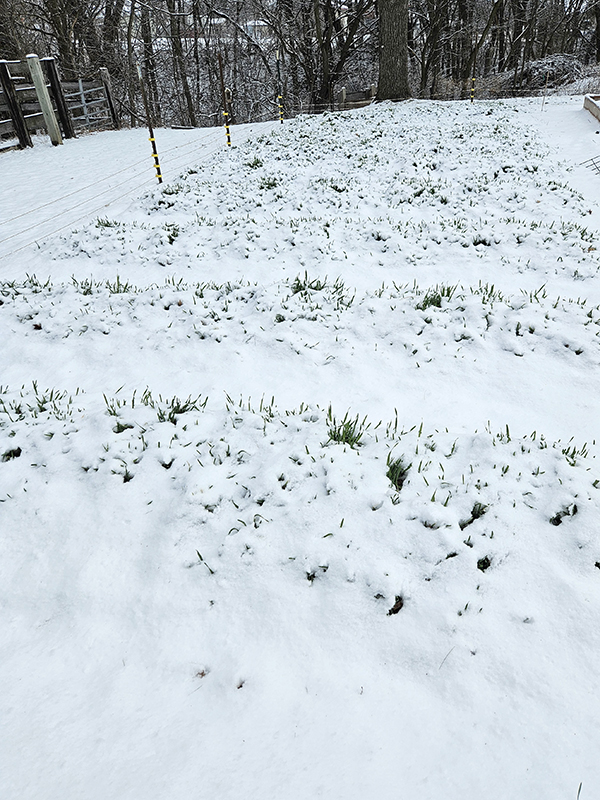
How To Plant & Grow A Garden Cover Crop
Choosing Your Seed Variety
To begin with, you need to choose the type of cover crop you want to grow. Many popular options are winter rye, oats, winter wheat, crimson clover, winter peas, and hairy vetch. The type of crop you choose will depend on the goals you want to focus on.
Since I have overly dense soil, I wanted to pick a crop that grows deep roots to help loosen the soil. I wasn’t as worried about adding nitrogen back into the soil since I use compost to aid with that. But I did want to ensure that the cover crop could withstand the harsh Illinois winters.
For that reason, I chose winter rye for the first few years of growing cover crops. The winter rye would germinate quickly and start to grow in the fall. Then it would become dormant over the winter.
Once spring arrived, the annual rye would grow more and continue to fill in further protecting the soil. I then simply mowed the cover crop short a few times to kill it or I tilled it into the soil.
This year, I am attempting to grow oats. I had issues getting my winter rye to die this year before the 2023 spring planting timeframe. I was hoping to avoid tilling but after several failed attempts at killing it off, tilling was my only choice. (See, “The No-Till Method – Great Idea, But Is It Practical For Everyone?” to read all about that!)
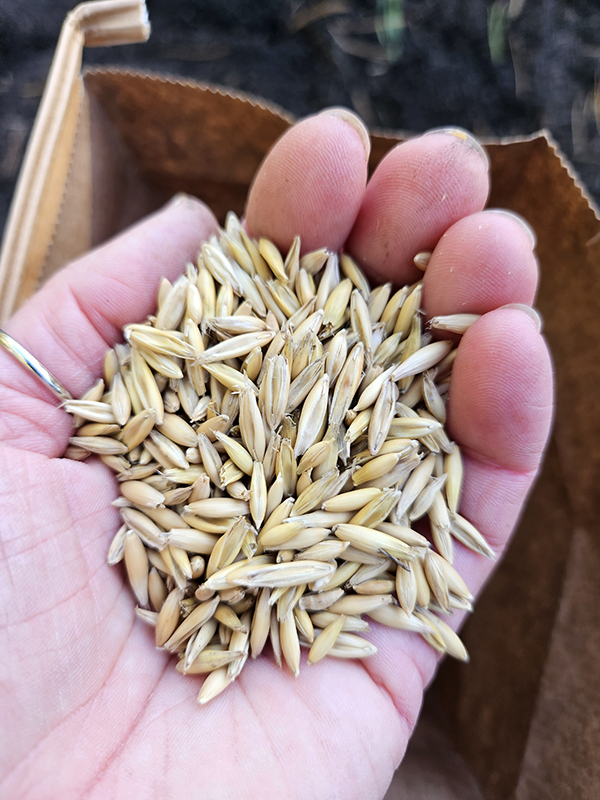
Unlike winter rye, oats will naturally get killed off with the first frost. So hopefully, I can still get some of the benefits of using a cover crop without the stress in the spring. (Gardening is all about trial and error and seeing what works for your particular situation. This is a great example of that.)
Planting Garden Cover Crop Seeds
You want to give your cover crop seeds plenty of time to germinate and start to grow before you experience your first frost. This timeframe will depend on the variety of cover crops you choose and your growing zone.
For example, winter rye can withstand colder temperatures and can be planted later in October for my specific growing location. Oats, however, need a bit longer to grow and fill in since they will die with the first frost.
The first step after you’ve purchased your cover crop seed is to prepare your garden space. Remove all of the plant debris and old growth from the soil. Pull any existing weeds so you are starting with fresh, clean soil.
Lightly rake the soil so that the first inch or two of soil is loose and free. You can then either use a seeder or cast out the seeds by hand. Some years I use a seeder but this year I simply used my hands. Both have their advantages and disadvantages.
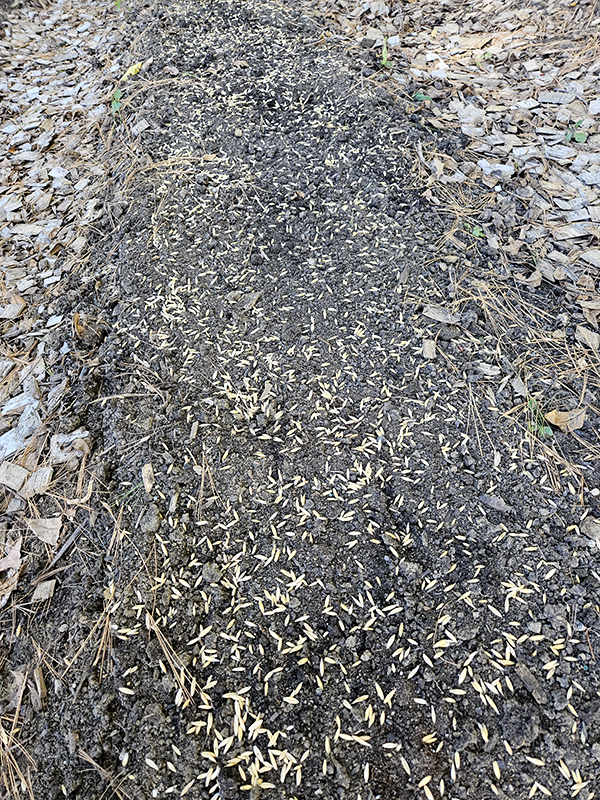
Once the seeds are on the soil, lightly rake the top to help settle them in and slightly discourage the birds from having a nice fall snack. Lastly, water the seeds in well.
Maintaining & Killing Cover Crops
You will want to continue to water the garden cover crop seeds every couple of days until germination occurs. This timeframe will depend on the type of seeds you choose.
Depending on the weather, you may want to keep watering occasionally to help with the initial growth. Once the first frost hits, hold off on watering any longer.
Cold-hardy crops like winter rye will keep standing and become dormant over the winter months. When spring arrives, you will need to cut them in order to prevent them from going to seed.
To kill off cold-hardy crops, mow them down short a couple of times in early spring at least a few weeks before you plant your spring crops. If mowing doesn’t work, you can always till them back into the soil. Both ways help to add organic matter back to the soil.
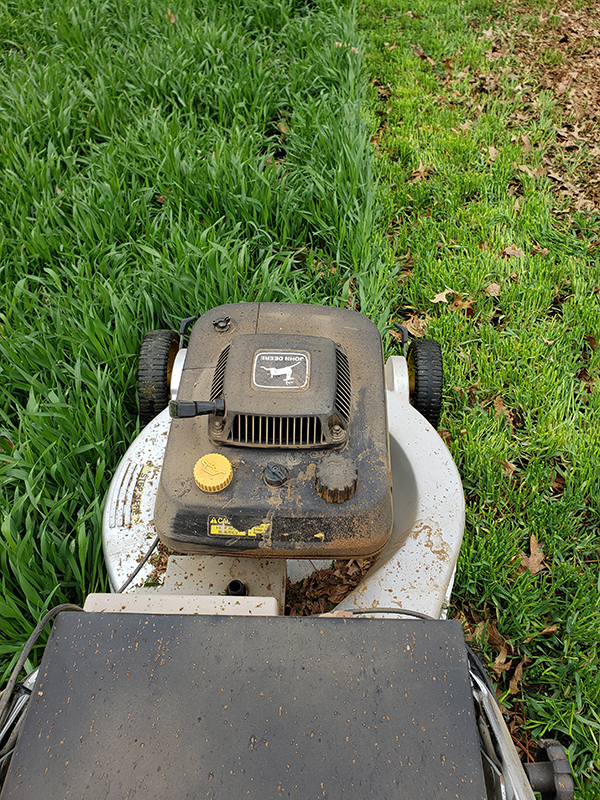
Other crops like oats will die off with the first frost. Those crops can be left to decompose where they stand. They will provide a great organic mulch that will continue to keep the soil covered until your spring planting.
No matter which variety of cover crops you choose to plant in your garden, the goal is to prevent bare soil from occurring by keeping it covered and protected. Not only will you have fewer weeds because of it, but your soil will be much better off and ready for spring planting next year!
Until next time, thanks for stopping by!
– Chelsea
*This post may contain affiliate links. These are products I have used personally and highly recommend. As an Amazon Associate, I may earn a small commission from qualifying purchases if you purchase items through my links. These links and the ads on this page help to support my family and our semi homestead, so Thank You!
Discover more from Semi Homestead Life
Subscribe to get the latest posts sent to your email.