
When it comes to raising chickens, there are some issues you should keep in mind in order to protect yourself and your family, and one of those is preventing histoplasmosis.

All things in life come with their fair share of risks and warnings. In my opinion, raising chickens is no different. First, there’s the chance of dealing with Salmonella and E. coli with the eggs and chicken poop. Where there’s poop (or what is normally called “droppings” with chickens), there’s bacteria – and chickens produce a lot of droppings!
But there’s also another risk factor that you might not have ever heard of, and that is histoplasmosis. This scary-sounding name is basically a fungal infection that is caused by bird and bat droppings mixing with soil. The infections aren’t usually serious or a big deal, but they can be in some cases.
Because of this, it’s best to educate yourself on histoplasmosis, what it is, and what you can do to help prevent an infection. Then take that information into consideration and see if the benefits of raising chickens still outweigh the risks.
For us personally, the benefits of raising chickens do, even though I personally have been infected with histoplasmosis. I just make sure to take extra steps to protect myself and my family from additional infections and risks, and I want to share those tips with you.
Please Note:
I am not a medical doctor, nor do I have a degree in a medical field. I am simply a backyard chicken keeper who has personal experience with histoplasmosis.
Always consult with your doctor if you have any questions or concerns. This article is not meant to treat, diagnose, or prevent histoplasmosis. Use it for informational purposes only, and make sure to do your own research in addition to reading this article. (Check out this Fact Sheet from the State of Illinois Department of Health.)
Ok, now that the “legal” stuff is out of the way, let’s get on with it!
What Is Histoplasmosis And How It Matters When Raising Chickens
As I mentioned in the introduction, histoplasmosis is a type of fungal infection caused by Histoplasma capsulatum. This fungus is present in soil that has a buildup of decaying bird and bat droppings.
When someone or something disturbs the soil, people inhale the airborne infectious spores. The spores affect the lungs most commonly. In rare cases, it can also disseminate (or travel to) other organs in the body. In severe cases of chronic and disseminated diseases, antifungal medications may be required. Without them, histoplasmosis can lead to death if it is severe enough.
The histoplasmosis fungus is most commonly found along the Ohio and Mississippi River Valleys, but it can appear in other locations of the United States as well. Since I live in Illinois, I am in a prime location for H. capsulatum.

Symptoms of histoplasmosis often mimic a cold, pneumonia, or the flu. Fever, cough, chest pain, headaches, sweating, shortness of breath, muscle aches, and rashes are the most common symptoms. While it is noted that around 80% of the population has been exposed to H. capsulatum, most people do not show any symptoms, let alone go on to develop Histoplasmosis.
The disease is most often found in people who have compromised immune systems; are smokers; or those who work in construction, farming, landscaping, gardening, or raise chickens and other types of birds.
My Case Of Histoplasmosis (POHS)
In my personal case, I had ocular histoplasmosis, which caused histo scars in my retinas. Chances are, as a kid, I had an infection in my lungs that then traveled through my bloodstream to create spots on my eyes. After the infection was gone, scars were left behind where the spots once were.
These scars lead to a disease called Presumed Ocular Histoplasmosis Syndrome (POHS). Luckily, as of now, the histo scars do not cause me any issues with my vision (even though I have horrible vision to begin with).
However, the problem is that the spots can cause complications years or even decades later. There is a correlation between the scars and new growth of abnormal blood vessels under the retina. If these new blood vessels spread to areas that do affect my vision, I could lose my eyesight completely.

I do not have a compromised immune system, but I did grow up on a farm. I was a country girl, so I was raised playing in the dirt and helping my dad farm. So it doesn’t take a genius to guess where my histoplasmosis infection came from. I do not remember having specific symptoms, but who knows if I just mistook them as a typical cold or flu at the time.
I will always have these histo scars on my retinas and a chance of losing my eyesight. However, I still raise chickens. I just take extra precautions so I hopefully won’t get an additional histoplasmosis infection again and cause even further damage. (Or have my kids get any infections either.)
What I Do With Regards To Histoplasmosis and Raising Chickens
There are three main ways that I help to reduce the chances of any recurrence of histoplasmosis while I am raising my chickens:
1: Keeping The Coop Clean
First, I clean my chicken coop and covered run daily. I use sand in my covered chicken run as well as in my coop. This makes it easy to clean by only using a kitty litter scoop and a sifter.
The sand itself does not contain H. capsulatum spores. However, any decaying fecal matter that is left in the sand can contain it. When that sand is disturbed and creates dust, the spores become airborne and can infect me or my family.
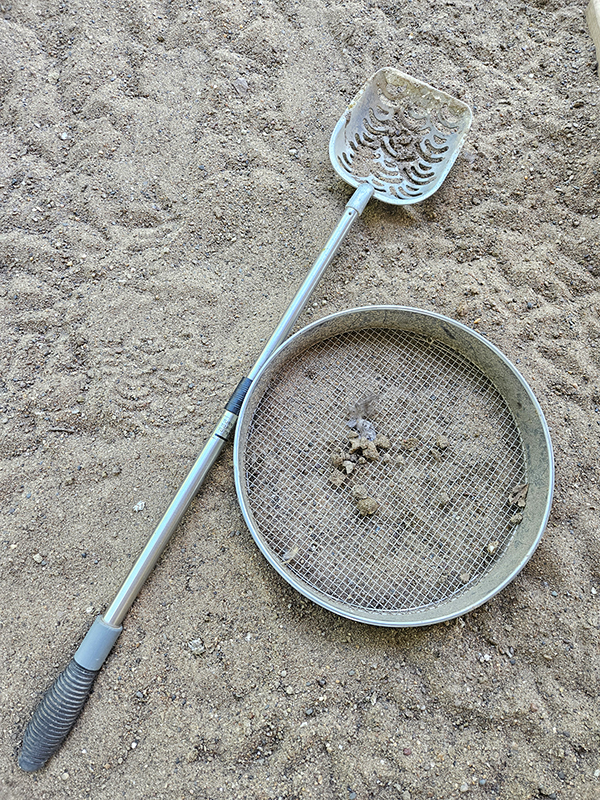
Fresh bird droppings do not appear to contain H. capsulatum. So by keeping my coop and run as clean as possible, I am cutting way back on the chances of the disease since there are few droppings left behind to decay and mix with the sand.
(You can read more about why I chose to use sand instead of a different type of litter for my chickens here: “Advantages Of Using Sand As Litter In Chicken Coops And Runs”.)
2: Reduce Dust Inhalation
Yes, dust and raising chickens go hand-in-hand. However, I can take steps to reduce the amount of dust I am personally exposed to. If I have to do a lot of work in the chicken run that involves raking or disturbing large amounts of sand, I lightly water down the sand first.
By doing this, I reduce the amount of dust that goes airborne. (And thus reducing the amount I inhale.) Use a hand sprayer to gently mist down the sand or soil until it is damp. Do not use a powerful stream since that can disturb the sand or soil itself.
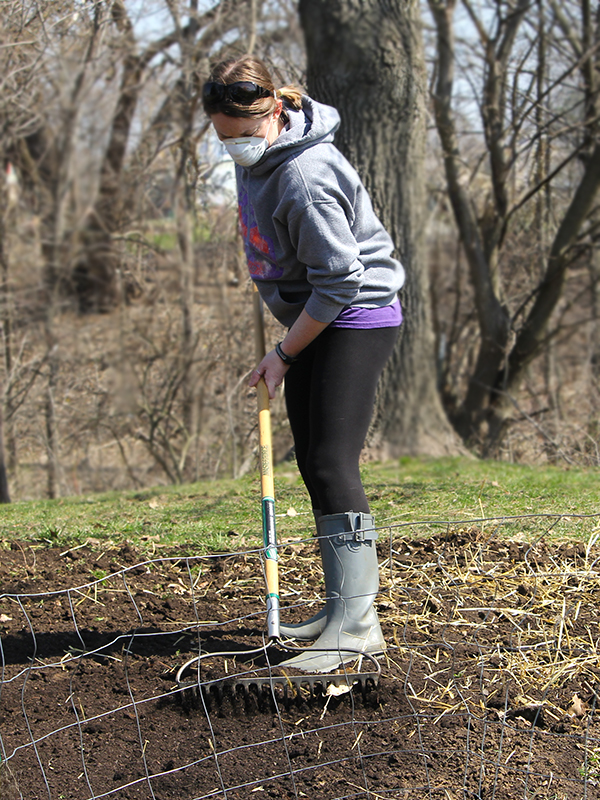
In addition, it’s a good idea to wear an N95 mask. While some people might consider wearing a mask overkill, it’s an extra step I take to keep myself and my family safe. I also wear a mask when I am tilling my garden, for the same reasons. (We have bats and all sorts of birds that fly over my garden, depositing their droppings in the soil.)
3: Disposing Of The Chicken Litter
While I know that aged chicken droppings can make for excellent fertilizer for gardens, I do not use them in my garden. I also don’t add the droppings or any of the chicken litter to my compost bin. Instead, I dispose of it.
Yes, I know that loads of people use chicken droppings as fertilizer and have no issues at all. I also know that your late relatives likely did the same thing without any issues or bodily harm.
However, the chances of me getting reinfected or my family getting histoplasmosis make the benefits not worth it for us personally. If skipping this particular benefit of raising chickens so I can still get fresh eggs daily gives me peace of mind (as well as makes my optometrist happy), then I’ll do it.
You don’t have to be paranoid or go overboard when it comes to worrying about histoplasmosis. Again, most people have inhaled spores and never have any symptoms or issues. Just be smart and take small steps to help reduce the chances of histoplasmosis happening while still enjoying raising your chickens!
Until next time, thanks for stopping by!
– Chelsea
*This post may contain affiliate links. These are products I have used personally and highly recommend. As an Amazon Associate, I may earn a small commission from qualifying purchases if you purchase items through my links. These links and the ads on this page help to support my family and our semi homestead, so Thank You!
Discover more from Semi Homestead Life
Subscribe to get the latest posts sent to your email.