
Want to learn how to save flower and vegetable seeds this year to grow in your garden next year? Not only is it easy to do, but it can really save you a ton of money in your gardening budget – that is as long as you keep a few things in mind!
When it comes to growing plants, it can be hard to see some of your favorites start to fade as the cooler weather arrives. Even if you live in the South, there comes a point in time when the annuals in your garden start to die back. But what if I told you there is a great way to save those plants so you can grow them again next year?
There are two main types of plants: open-pollinated and hybrid. Which type you grow will depend on whether you can successfully save and replant their seeds.
While any viable seeds you dry out and store properly can be saved and planted, not all will produce the same results you had with the parent plant. In fact, you might even end up with a whole new plant variety (which could be a good or bad thing) or one that is completely sterile!
That’s where this article comes into play. I explain the basics of saving seeds and why one type of plant will have much better success than the other.
I’ll also give you tips on how to properly store your seeds. What you learn might even influence you on which types of seeds you purchase for your garden next year if seed saving is something you want to start doing more of.
Tips On How To Successfully Save Your Garden Seeds
Two Main Types Of Plants
As I mentioned above, there are two main types of plants: open-pollinated plants and hybrids. Which type of plant you grow will depend on whether or not you have success saving and growing their seeds.
Open-pollinated plants produce seeds that are “true to type.” What does that mean? Basically, if you were to save the seeds and plant them, you would end up with new plants that are almost identical to the parent plant.
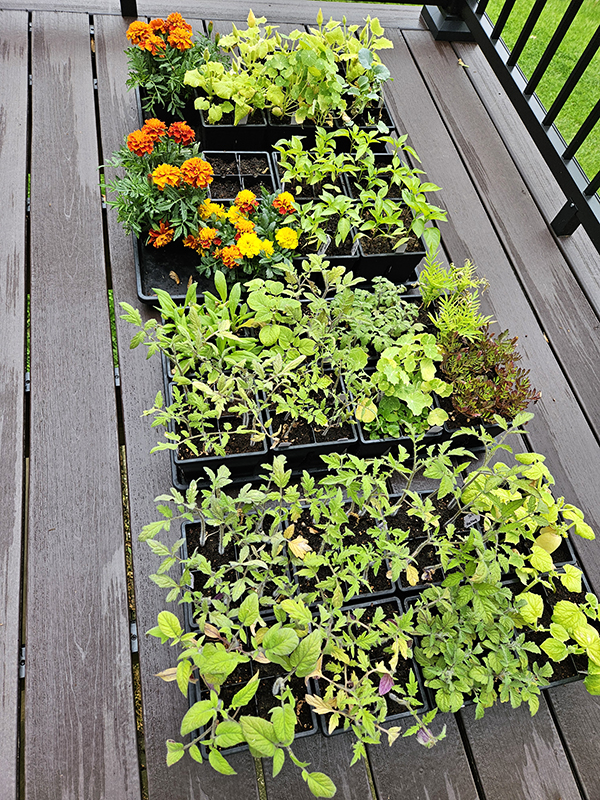
Hybrid plants, on the other hand, are typically made by combining two or more different plants to make a new plant. This new plant is the F1 generation. The seed packets or transplant labels will often include “F1” in the plant’s name.
The seeds from hybrid plants will not be true. Instead, you will likely end up with one of the original variations – or a totally new one altogether.
Typically, the cross-breeding of the two parent plants is used to create better qualities like disease resistance, higher yields, unique colors, etc. Most are considered more hardy than their open-pollinated counterparts. A lot of hybrids were also created for mass production.
What About Heirlooms?
But what about heirlooms? Where do they come into play? I’m sure that’s a word you’ve heard thrown around a lot. This is especially true if you’ve ever glanced at a display of seed packets or visited an online seed retail shop.
Heirlooms are a type of open-pollinated plant. Their name “heirloom” comes from the fact that these seeds have been passed down from generation to generation to preserve their purity. Many people prefer the flavor and texture of heirloom vegetables and fruit, but newer hybrid varieties are coming closer!
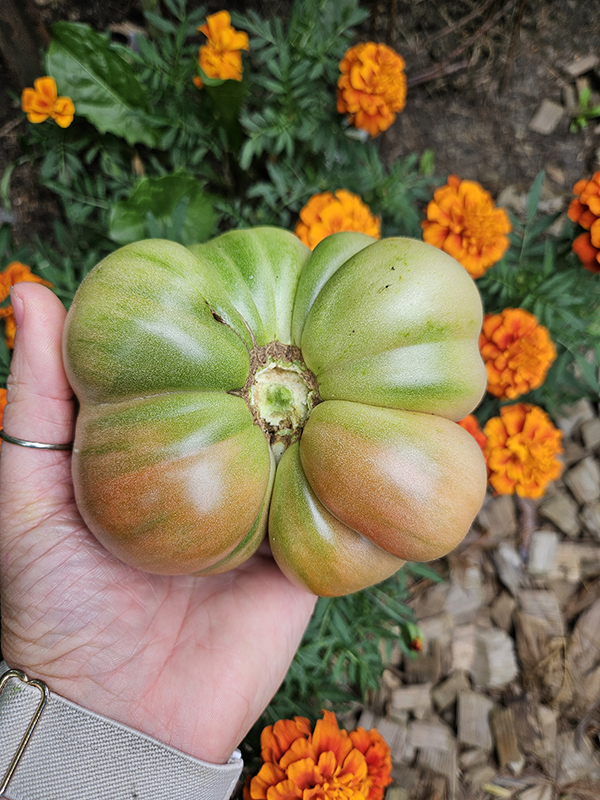
Most plants are considered to be heirlooms as long as their history can be traced 50 or more years ago with backing data and records. However, there are also newer “heirloom” varieties as well, and the “50 years” varies depending on who you ask.
Why You Can’t Save Hybrid Seeds For Your Garden
Since hybrids are a mix of two different varieties, their seeds do not carry identical traits of the parent plant. When you save those seeds, the new plants will not be the same as the plant you saved them from.
For example, last year, I had one variety of marigold seedlings that I purchased at a local garden center. Unfortunately, the seedling tag only said “marigold” so I wasn’t sure of the exact variety. They ended up being one of my absolute favorite marigolds, so I saved their seeds.
This spring, I started those same seeds indoors to help give the plants a head start on our growing season. You couldn’t tell at all by looking at either the seeds or the seedling whether the parent plant was open-pollinated or hybrid. So I knew I was taking a chance growing it.
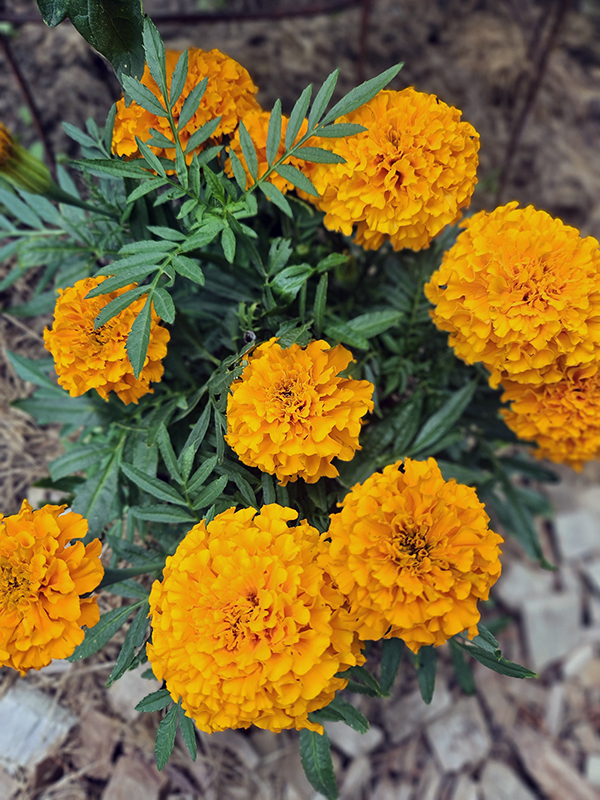

After I planted it and it became established, the plant started to set blooms. Some hybrid varieties are actually sterile, so I knew we were at least headed in the right direction. Unfortunately, once the flowers opened, I immediately could tell that the parent plant was a hybrid. While this new plant is interesting, it wasn’t the exact copy of the parent marigold I was hoping to get!
How To Save Garden Seeds
Once you have identified the flowers or vegetables that are heirlooms or open-pollinated, it’s time to save their seeds. The following are some basic tips that can help. I hope to go more in-depth about different crops eventually.
Use the seeds from the healthiest and biggest vegetable, fruit, or flowers possible. Also, make sure it is from the healthiest plant as well. You don’t want to save seeds from a plant that is diseased or weak since those traits might transfer to the new seedlings.
In general for flowers, you need to wait until the bloom has started to die back. This allows the seeds to dry out a bit while still on the plant.
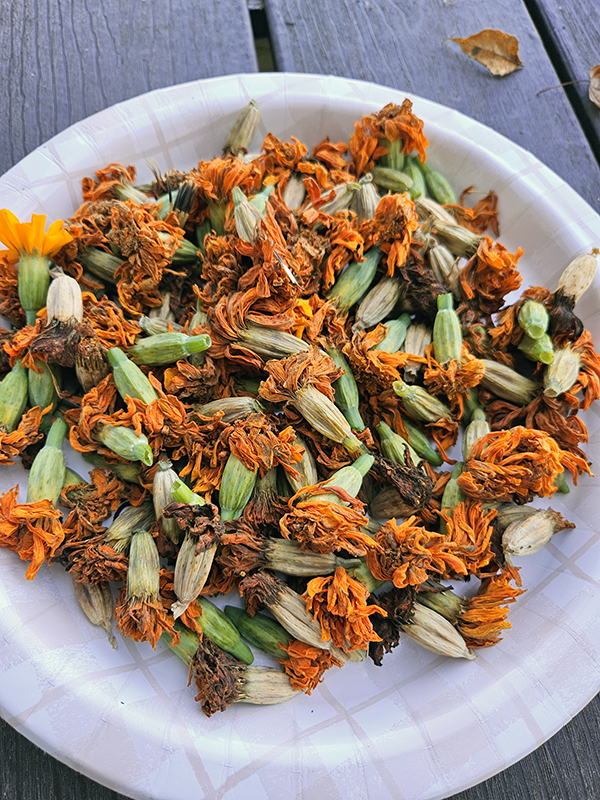
Before the seed head is completely dried, it’s time to harvest. Cut the seedhead off and place it on a paper plate or napkin. Place that somewhere in your home that is dry and out of direct sunlight. You can also remove the individual seeds at this time. Allow the seeds or seedheads to fully dry out.
For fruit or vegetables, it will depend on the crop you are growing on how you save the seeds. With tomatoes, I ferment the seeds. For most others, you can simply allow the seeds to dry out on a paper plate just like you would flowers.
Storing The Seeds Long-Term
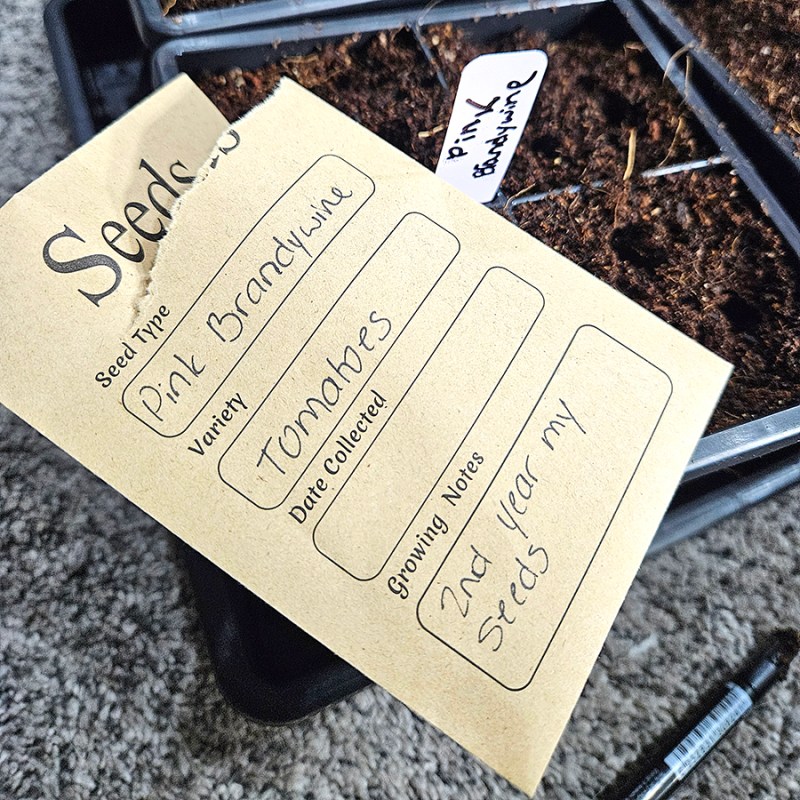
Once the seeds dry out completely, it’s time for storage. I like to put my seeds in a small kraft paper envelope. You can simply use a regular envelope. A brown paper bag also works, depending on how many seeds you are saving. (Product Link: Self-Adhesive Kraft Paper Seed Envelopes)
Avoid storing them in glass or plastic alone. These products might harbor moisture if there is any left in the seeds at all. Just be sure to label the seeds well with the date and variety of seeds the plant came from. Add any additional notes about the plant you might want to remember.
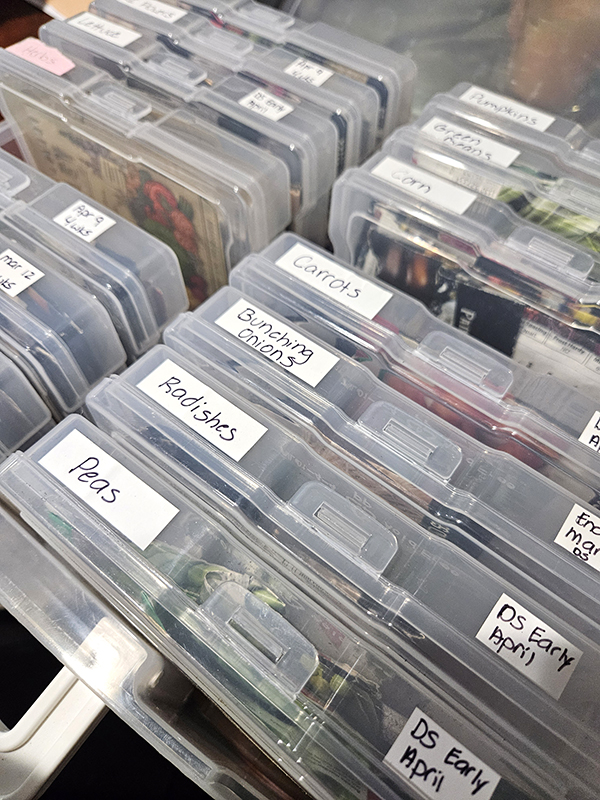
Store the seeds in a dry, dark, cool location. I keep my seed packets in a container that is meant to store 4×6 photos. There are individual compartments that make organizing easy and convenient (and since I used paper envelopes, the plastic has never been an issue). (Product Link: Photo Storage Container)
Soon, you will have plenty of seeds that are almost exact copies of your favorite open-pollinated plants for next year’s garden – and all without spending a dime!
Until next time, thanks for stopping by!
– Chelsea
*This post may contain affiliate links. These are products I have used personally and highly recommend. As an Amazon Associate, I may earn a small commission from qualifying purchases if you purchase items through my links. These links and the ads on this page help to support my family and our semi homestead, so Thank You!
Discover more from Semi Homestead Life
Subscribe to get the latest posts sent to your email.