
Are you overwhelmed with the thought of home composting and knowing whether you are adding enough of the right materials to create the best compost possible?
While some gardeners make the process complicated and confusing, it doesn’t have to be that way at all. In fact, composting is actually an easy and simple process that helps to reduce the amount of junk being sent to landfills while providing you with something great in return!
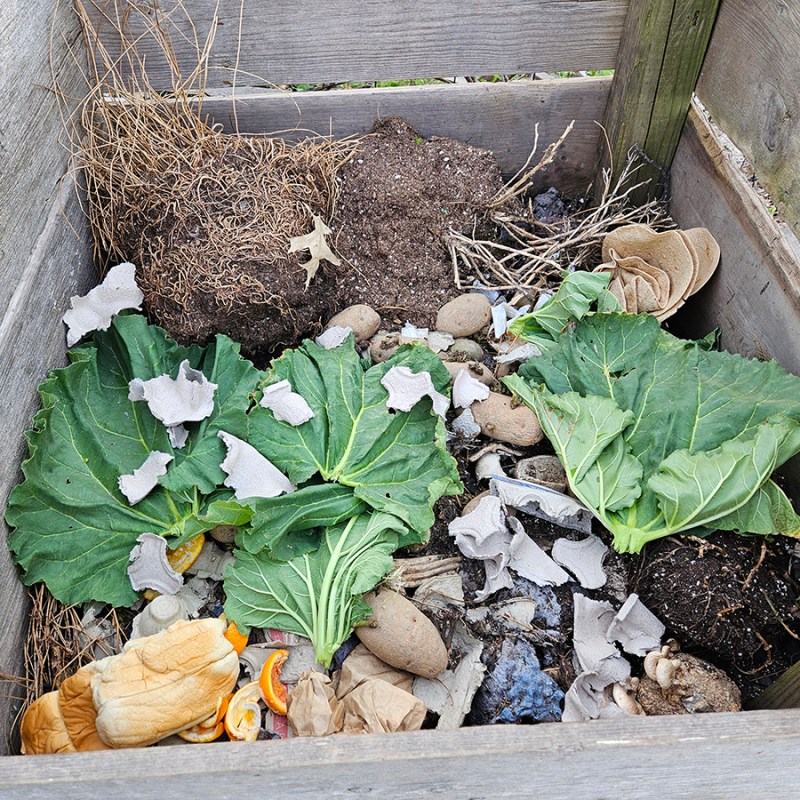
Composting is the process of breaking down different materials to create an organic and nutrically rich soil amendment. The result is one of the best additions you can provide to your growing vegetables and flowers as well as your soil.
It is packed full of organic matter, has loads of leftover nutrients and trace minerals that can be easily absorbed by plants, and can improve even the worst types of soil. I use it to power the seedlings I start inside, the transplants I plant in the garden, and the mature plants I harvest from. And it has turned our heavy, clay-like ground into perfect workable soil.
To take some of the confusion away, I have broken down the differences between the two main types of materials you should include in your pile and why they are so important in the composting process. You might be amazed at what all you can – and can’t – compost by the time you are done reading this article!
Different Compost Materials And What To Avoid
The Basics Of Composting
Eventually, most all products decompose. Some materials like plastics and glass take much longer to break down than materials like paper and cardboard. In addition, the smaller the pieces, the quicker they can break down.
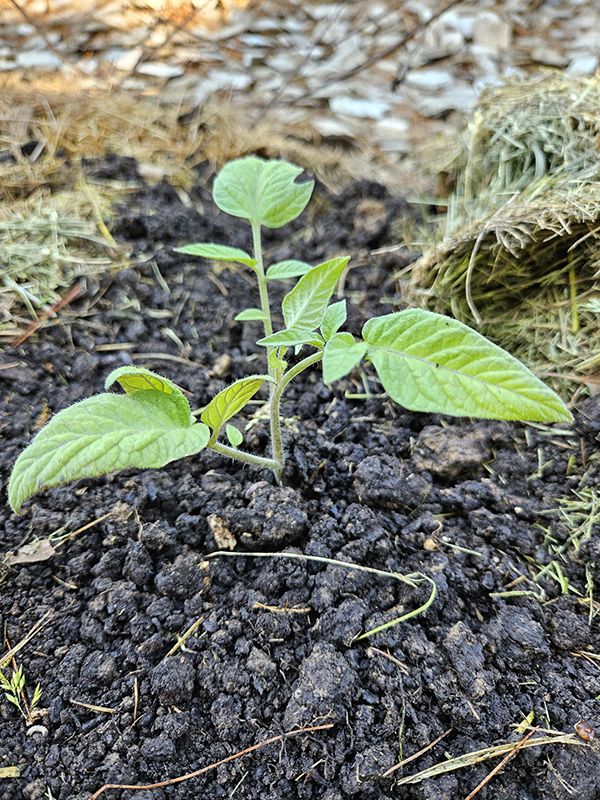
The act of home composting helps to speed up the process by adding specific materials together to create a pile that heats up fast and decomposes materials quickly. The finished product is a soil amendment that is loose, loaded with organic matter, and perfect for improving even the worst types of soil.
With home composting, the goal is to create an ideal environment for beneficial bacteria, fungi, and other organisms to go to work breaking down materials. Because of this, there are some materials that should not be added to piles and others that are great additions.
These materials are categorized into two main groups: Brown Materials and Green Materials. The combination of these two groups is what creates amazing finished compost. A good rule of thumb is to aim for one part of green material for every four parts of brown materials.
If you want to read more in-depth about really how to compost, you can check out my article, “Making Compost The Easy Way – A Gardener’s Secret Weapon!” For this article, I want to get more into examples of brown and green materials, as well as what materials you shouldn’t add.
All About Brown Materials
Brown materials help to provide carbon to compost piles. These carbon-based products are essentially the food source for the decomposers. In addition, the brown materials help to add substance and bulk to the pile, which in turn allows air to circulate through the pile.
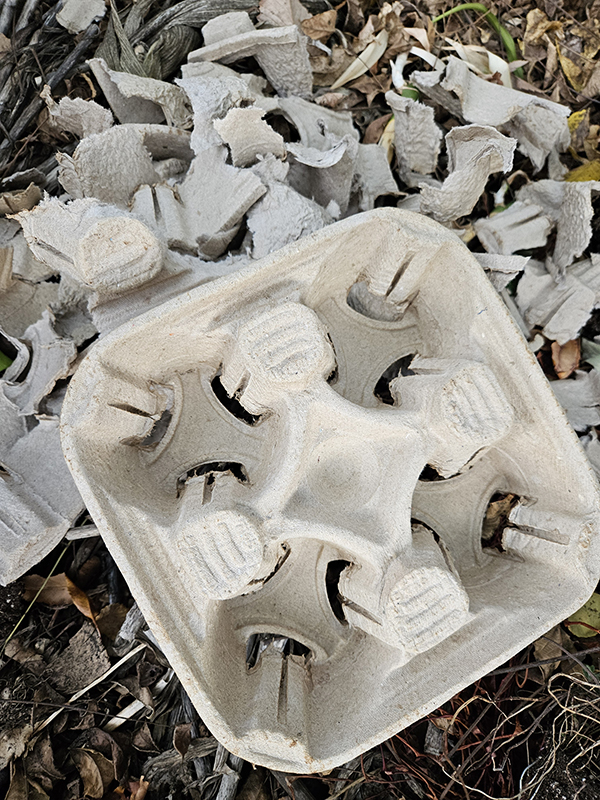
Most of the items on this list are naturally brown or neutral colored, so that makes them a bit easier to remember. They also tend to be “dry” materials that lack moisture. Here are some examples of excellent brown materials:
- Paper products like newspaper, notebook paper, non-greasy paper plates, napkins, tissues, and coffee filters
- Cardboard
- Dried fall leaves
- Dead pine needles
- Wood shavings and sawdust
- Limbs, branches, twigs, bark, etc.
- Straw
- Dried grass clippings
- Dryer lint
All About Green Materials – Materials To Compost
Green materials are products that are high in nitrogen. The nitrogen helps to heat up a compost pile because it accounts for the rapid growth and reproduction of the microorganisms in the pile.
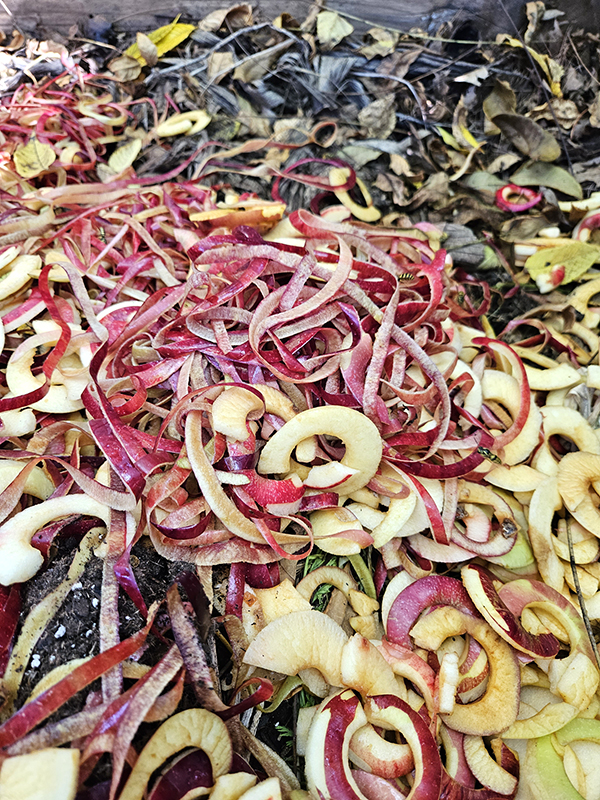
Think of green materials as items that have higher moisture levels and were recently “living.” It’s not always the case, but several of the materials are green in color, similar to how brown materials are brown or neutral colored. Here are some examples of green materials:
- Green grass clippings
- Kitchen food scraps, especially vegetable and fruit scraps (minus a few food items I’ll mention below)
- Coffee grounds and tea bags
- Plant materials (like dead potted plants)
- Eggshells
- Livestock manure (horses, cattle, hogs, sheep, chickens, and rabbits)
- Pet fur
What Not To Add – Materials To Compost
Now that you know what you can add, there are a few materials that you should keep out of your home compost pile. Some of these items will introduce harmful pathogens and bacteria to your compost while others can attract wild animals and pests.
While most of your kitchen scraps are perfect for home compost piles, avoid adding any meat products, oils, dairy products, or butter-based items. While these food items will decompose, they often attract unwanted pests as well as create stinky piles!
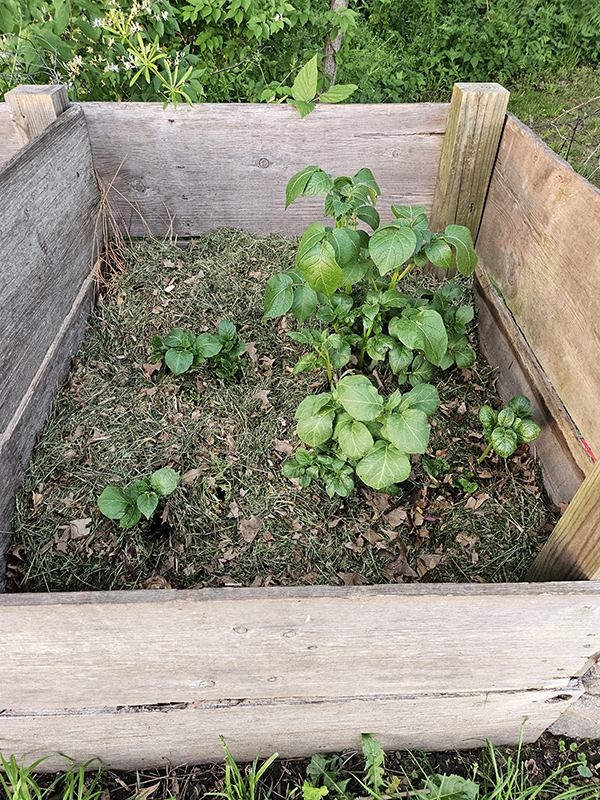
Livestock waste is great for adding nitrogen to compost piles, but do not use waste from humans, cats, or dogs. Home compost piles can’t get hot enough to kill off the pathogens that humans and pet feces often contain.
Don’t add any plant materials to your compost pile that are diseased, have been sprayed with chemicals, or are harboring pests. This also includes any and all tomato plant materials since they are known for carrying diseases.
Lastly, avoid adding any plant materials that have seeds. Just like the compost pile can’t heat high enough to kill off unwanted pathogens, it also can’t kill off seeds. As soon as you use the finished compost, you are essentially “planting” all those seeds wherever it is used.
Two Additional Elements – Materials To Compost
On a final note, besides brown and green materials, home compost piles really only require two additional elements. Those items are oxygen and moisture.

In order to get oxygen, turn (i.e., stir) the pile with a pitchfork or shovel at least once a week. This allows the materials on the outside of the pile to heat up at the same rate as the middle.
As for moisture, occasional summer rains should be enough to keep piles adequately moist. If you are experiencing a dry summer, give the pile a little mist of water now and then. A home compost pile shouldn’t be sopping wet, but moisture is needed to keep the pile hot and active.
With the right combination of chopped-up brown and green materials and a bit of oxygen and moisture, you will be creating amazing finished compost in no time at all!
Until next time, thanks for stopping by!
– Chelsea
*This post may contain affiliate links. These are products I have used personally and highly recommend. As an Amazon Associate, I may earn a small commission from qualifying purchases if you purchase items through my links. These links and the ads on this page help to support my family and our semi homestead, so Thank You!
Discover more from Semi Homestead Life
Subscribe to get the latest posts sent to your email.