
Congratulations – You’ve decided to get chickens for the first time! Before you bring those cute little fluffballs home, there are a few things you might want to keep in mind. From chicken poop getting everywhere to feathers and molting, there are a few things that you might not be aware of.

Sure, baby chicks look cute in farm stores, with their quiet little peeping sounds. Those little balls of fluff and feathers are definitely hard to resist!
Then there’s the idea of walking out to your beautiful chicken coop and gathering fresh eggs every day. (It’s no lie that store-bought eggs don’t even come close to the rich flavor and color of farm-raised eggs!)
However, the reality is that raising chickens isn’t all rainbows and sunshine. Because of this, I am putting together a list of 12 things you should know BEFORE you decide to start raising chickens. After taking this list into consideration, you will be much more prepared to handle a brand new flock.
1. Where’s The Eggs?
Chickens do not lay eggs every day, nor do they lay year-round. While it would be really nice to get 365 eggs each year, that just doesn’t happen.

As the daylight hours lessen during the fall and winter months, most chickens will stop laying. (They need at least 12 to 14 hours of daylight per day in order to lay eggs.) The shorter days also coincide with molting (See #3), which also causes hens to stop laying.
Some chicken keepers add artificial light to the chicken run to prevent a stop in laying. However, similar to humans, a hen is born with all of her immature eggs. While you might be able to keep your chickens laying year-round, she will simply run out of eggs that much sooner. Besides, I figure it’s nice to give the ladies a bit of a break over the winter season, as much as I hate the lack of eggs!
2. Droppings Everywhere
Probably one of the biggest challenges with raising chickens is that they make a huge mess . . . everywhere! On average, chickens poop around 12 to 15 times a day. However, they can actually go every 30 minutes or so. The result is chicken poop everywhere! And if you have several chickens, this can really add up!
If you are keeping your chickens in an enclosed run or fenced-in area, that poop can build up and really cause a stink, literally! That’s why I like to use sand for litter/bedding in their covered run and coop. The droppings are easy to pick up using a kitty litter scoop and sifter.
Even if you free-range your chickens, you will also run into issues with poop. You will likely find droppings all over the place, including your driveway, front porch, and deck. Any surface goes for these gals! This can especially become a problem if you have little kids or even dogs. (Our mini Aussie likes to enjoy the droppings as a snack! Blech!)

3. They Molt – Before You Get Chickens
In addition to your ladies slowing down their production because of reduced daylight hours, hens also stop laying while they are molting. Molting is the process of chickens losing their old, worn-out feathers and producing new ones.
Molting can happen pretty much anytime during the late summer, fall, and winter months. Each hen has their own timeline for when they molt as well as the way they molt. Some ladies lose only a few feathers here and there. Others can look like they lost a war with a cat!
While chickens are molting, they require additional protein to help build all those new feathers. So instead of using the nutrients for making eggs, the chickens stop laying to allow those nutrients to go towards new feathers. (Help provide the ladies with a feed with a higher percentage of protein during this timeframe.)
4. Breeds & Your Climate– Before You Get Chickens
Do extensive research about what types of chicken breeds you want to get BEFORE going to the farm store or hitting the “Purchase” button. For example, some are more adapted to cold or hot weather climates than others. (Since we live in Illinois, we need birds that can handle both hot and cold weather.)
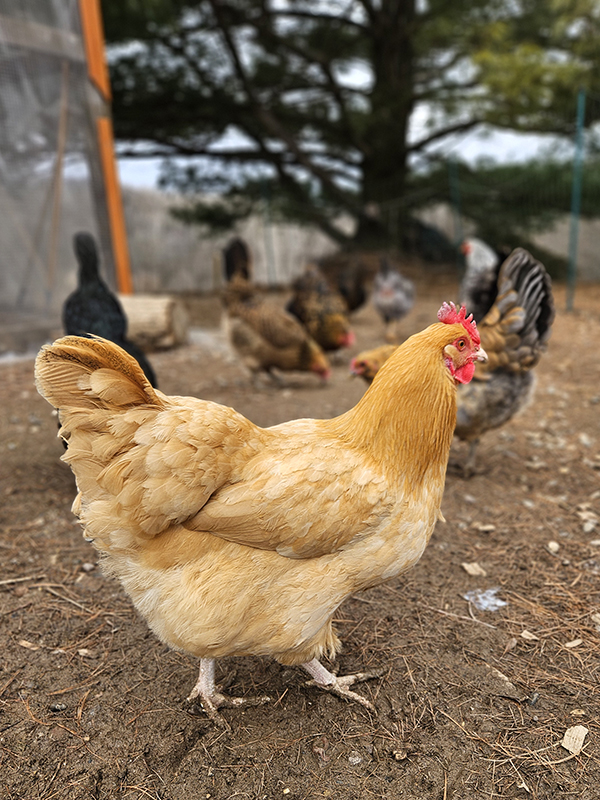
If you live in a location that has scorching summer heat, you don’t want to purchase breeds that can’t handle warmer temperatures well. For example, Australorps and Brahams have dense feathering and can struggle in excessive heat.
The same goes for winter weather. There are some bird breeds that aren’t able to handle sub-zero winters, thanks in part to their less dense feathers and large combs. Examples would be Polish or Frizzled hens.
5. No Rooster Needed – Before You Get Chickens
As I mentioned earlier, a hen is born with a certain number of eggs in her body, similar to how humans are. And similar to humans, a hen doesn’t need a rooster (i.e., a man) to lay those eggs.
Having a rooster in your flock is a personal choice. (Or, the choice is made for you due to living in city limits.) Either way, it doesn’t make a difference in how well or how many eggs your hens lay.
You can still eat eggs that have been fertilized. Be sure to remove newly laid eggs from the coop each day so they don’t have a chance to get incubated and grow into baby chicks.
6. They Can Be Noisy
When most people think of noisy chickens, they likely think of roosters crowing away in the early morning light. This wake-up call is often the reason why most cities don’t allow roosters in flocks (my town included). However, hens can also be noisy.
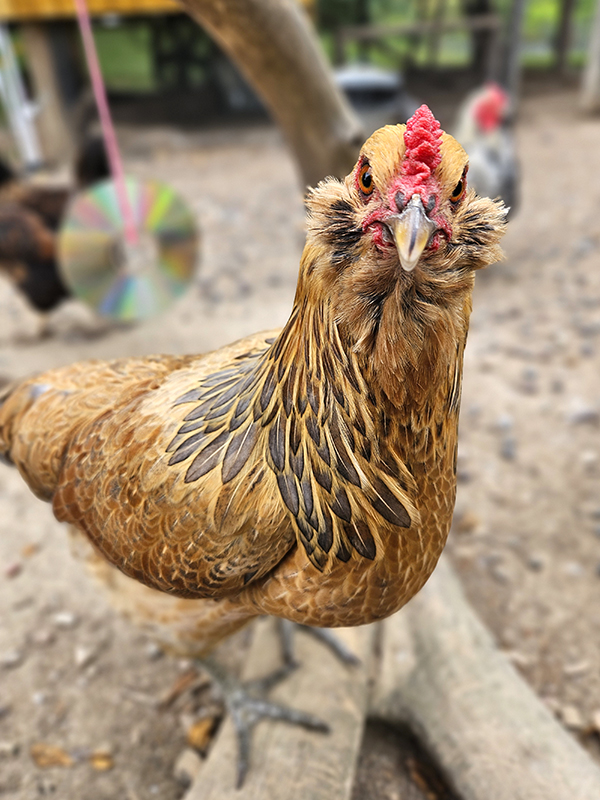
After a hen lays an egg, they will sometimes make the whole flock aware of their achievement by doing what’s referred to as an “egg laying song”. Sometimes, other hens will join in with the cheerful clucking as well, which becomes quite the noisy affair!
In addition, some hens just tend to be more “chattier” than others, squacking and clucking all day long. I actually have one hen whom I lovingly named Reba in honor of a famous singer, thanks to her constant vocal exclamations!
7. Pecking Order
In a flock of chickens, there is what’s referred to as a “pecking order”. A hierarchy of sorts that the chickens abide by. If you have a rooster, usually he is at the top of this order, which means he rules the roost.
However, even within the hens, there is a sort of order of seniority. Those higher up on the list will have the first access to food and water, as well as the best roosting areas. Usually, one of the older hens in your flock is at the top of the list. It is based not only on the age of the bird, but also on the size and strength of the hens. This order can change over time.
To maintain the pecking order, you will often see the hens squack and peck at those lower on the list. A quick peck is done to let the lower chickens know to get out of the way or to find another spot to feed. If your hens are chasing or picking on one particular hen or a few hens, then that is another story, and those bully hens need to be taken care of.

8. You May End Up With A Roo
Chicks can be purchased as “sexed chicks,” which means that a trained professional determined whether the chicks are male or female. However, most often, the accuracy is not 100%. (Some breeds are “auto-sexed”, which means that males and females have different traits, so they are closer to 100%.)
This percentage varies based on the breed of the chickens, since some are harder to sex than others. That means that even though you buy sexed chicks in the hopes of getting all females, you still may end up with a rooster or two in your flock.
If that is the case, you need to have a plan set up for any possible roosters you end up with. Whether that is rehoming him or sending him to the stock pot, have a plan in place before you purchase your chicks.
9. They Don’t Lay Eggs Forever
Hens start to lay eggs around 18 to 22 weeks of life. On average, most hens lay around 250 eggs per year. Some breeds lay more while others lay less.
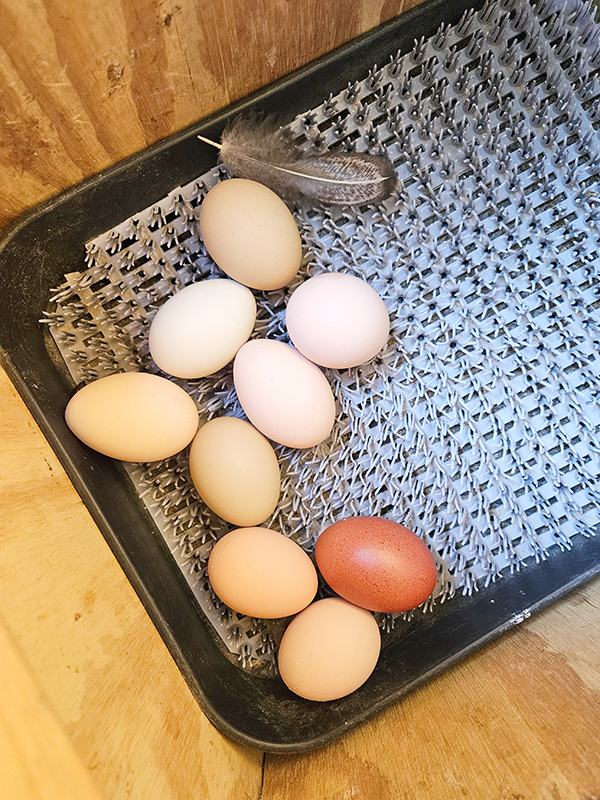
In the first year of a laying hen’s life, they will lay the most. The second year, production drops to about 80%. By four years of age, a hen’s production has dropped to 60% or less. (Some breeds are capable of laying up to 8 years old, but the number of eggs will be few and far between.)
When a hen’s production drops, you need to decide whether these older hens will live their lives out as freeloaders or if you need to rehome or dispatch them. You also need to decide whether you want to replenish your flock with new chicks every few years so you can always have eggs on the table.
10. Broody Ladies – Before You Get Chickens
Some hens have a maternal instinct to want to sit on a nest of eggs and hatch them. This is called being “broody.” Some chicken breeds are more apt to go broody than others, so be sure to research that if it is a trait you desire in your flock.
A hen can become broody whether the eggs she is sitting on are fertilized or not. I do not have any roosters in my flock, so none of my chicken eggs are ever fertilized. However, I still have a few hens that go broody a couple of times each year.
Whether or not you allow the hen to sit and hatch the eggs is a personal choice. However, if you don’t want them to or you don’t have fertilized eggs, you need to break them of their broodiness for the health of the hen. (You can read my article all about that process: “Stopping A Broody Hen – Why & How To Break A Broody Chicken”.)

11. They May Ruin Your Yard
We don’t allow our chickens to free range because we technically live within city limits and there are rules about that. However, besides their coop and covered run, we provide the birds with a fenced-in area so the chickens can roam around.
Due to the number of chickens we have and the space provided, the chickens have “ruined” our yard. Basically, they have eaten every single blade of grass or weed that used to grow in the fenced-in area.
It’s not a big deal for us, but just something you will want to keep in mind if you have several chickens in a smaller area. Some people use moveable chicken coops (like a chicken tractor) to help prevent the grass from being overconsumed.
12. Injuries & Death Happen
Unfortunately, any time you are dealing with a living creature, you will come across injuries and death. It’s the absolute worst part of raising chickens or any type of livestock/pets.

One or more of your chickens will most likely get injured at some point in their lives. Whether it’s from a chicken with senority giving a harsh warning peck to a smaller hen or from something as simple as breaking off a toenail, injuries happen. In addition, internal parasites, fleas, and other chicken pests are also a real possibility.
Because of this, have medicine and a first-aid kit ready to go to help you deal with any of these injuries and/or pests. Unfortunately, many vets won’t do much for an injured chicken, if anything. (Here are a few of my go-to products to have on hand – Product Links: Vetericyn Plus Poultry Care Spray, Safe Guard Equine Dewormer Paste, Vet RX Veterinary Remedy Poultry, Rooster Booster Pick No More)
Also, know what to do in case a chicken needs help crossing over the rainbow bridge (also known as “culling”). Whether that is having a willing vet help euthanize the bird or taking matters into your own hands, chances are it’s an issue you will have to deal with if you raise chickens.
Hopefully by reading this list before you get chickens, you will have a bit of a head start on what you can expect when raising chickens. Despite all of the “issues” and troubles, it is all worth it in my opinion!
Until next time, thanks for stopping by!
– Chelsea
*This post may contain affiliate links. These are products I have used personally and highly recommend. As an Amazon Associate, I may earn a small commission from qualifying purchases if you purchase items through my links. These links and the ads on this page help to support my family and our semi homestead, so Thank You!
Discover more from Semi Homestead Life
Subscribe to get the latest posts sent to your email.