
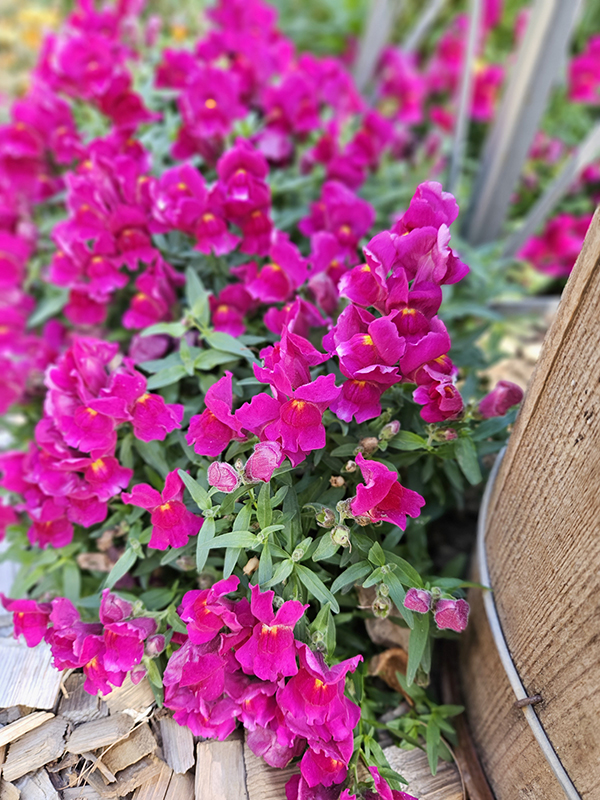
Do you already have stunning snapdragons growing in your garden this year but wish to grow even more next year, possibly in a brand new location? If so, you need to consider saving your snapdragon seeds!
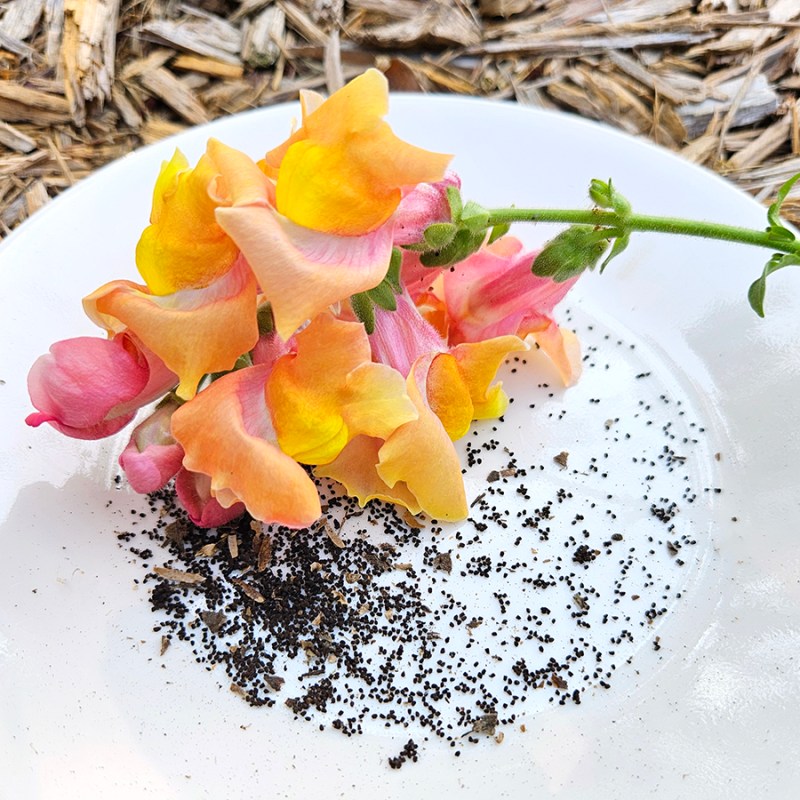
Most likely, you’ve read all about saving the seeds from common annual flowers like marigolds and zinnias, but what about snapdragons? Snapdragons are one of the most unique and fun flowers to grow in gardens. They are actually one of my favorites to grow amongst my vegetables each year. (In fact, I even had a few snapdragon blooms included in my wedding bouquet!)
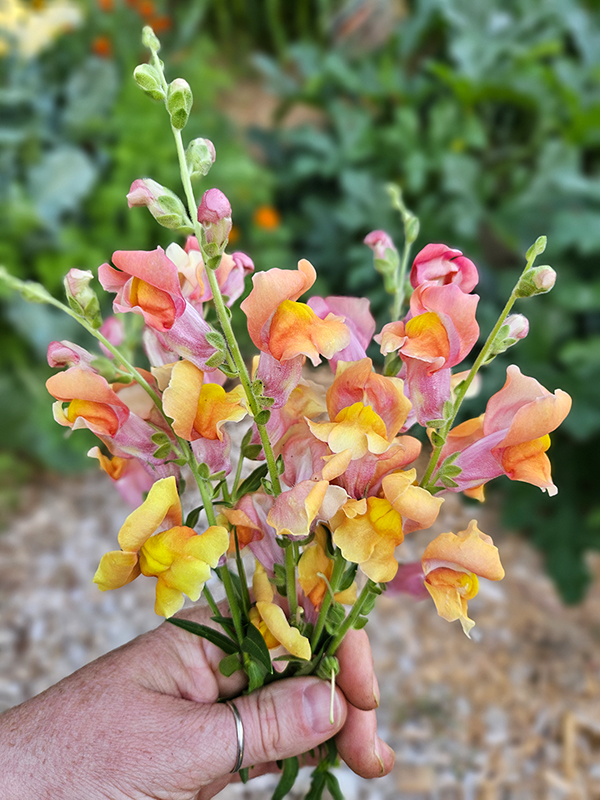
Not only do these old-fashioned flowering plants come in a wide array of colors and shades, but their hinged blooms are perfect for attracting all sorts of pollinators. Bees, butterflies, moths, and even hummingbirds are frequent visitors to snapdragons.
These hardy annual flowers are considered to be excellent self-seeders. However, there might come a time when you want to be more in control of where the snapdragon seeds are planted. That’s where saving the seeds comes into play.
Saving snapdragon seeds is not a difficult task. In fact, I actually consider it to be quite rewarding. Knowing that you are taking part in the future of your vegetable and flower garden can not only be a source of self-reliance but also of pride.
A Little About Snapdragons
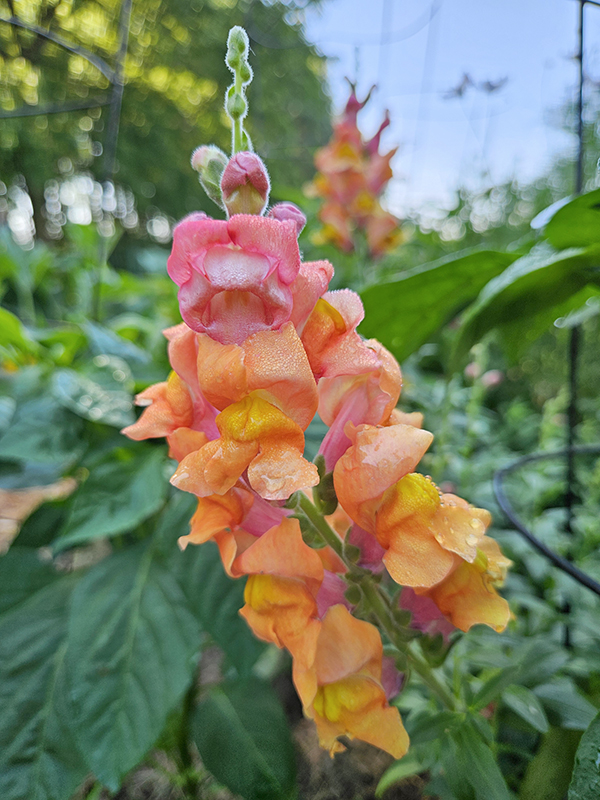
Snapdragons are considered to be cool-weather annual flowers. They produce multiple showy blooms on top of tall flower spikes in the cooler spring and sometimes fall months. The flower spikes can grow to be as tall as four feet, but there are also dwarf varieties that grow less than a foot tall.
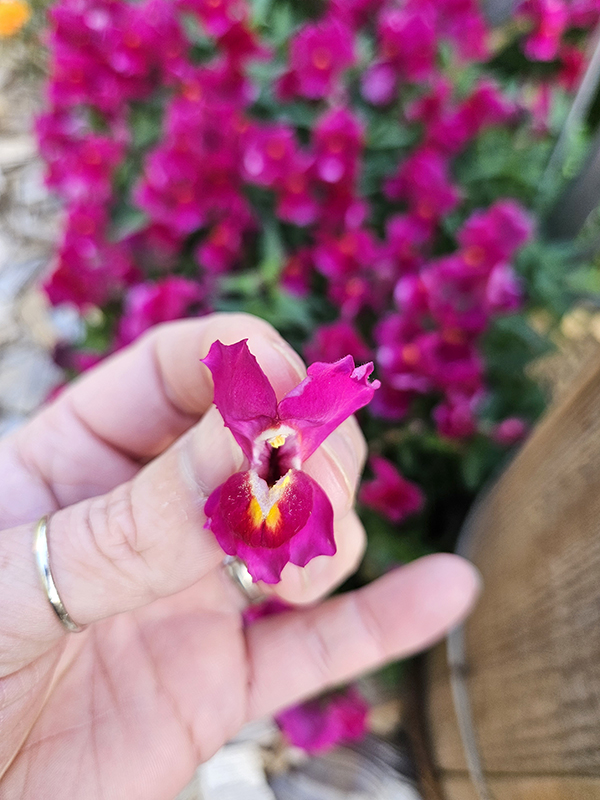
However, it isn’t the flower stalks themselves that make the biggest impact when it comes to snapdragons; It’s the blooms. Snapdragon blooms have unique hinged petals that appear to “open” when you squeeze the sides. This makes them look like little dragon mouths that open and close, hence their namesake.
Snapdragons are perennials in Growing Zones 8-11. In other growing zones like here in Illinois (Growing Zone 5), they are grown as annuals. Most varieties are excellent at reseeding, allowing you to have multiple years of enjoyment from a single planting.
In addition, snapdragon blooms also make excellent cut flowers. With proper care, the blooms can last well over a week in a water vase display. (Or, like in my case with my wedding bouquet, you can use them in bouquets and other flower arrangements.)
How To Save Snapdragon Seeds
Even though snapdragons are capable of reseeding, there might come a time when you want to save the seeds instead. It’s an easy process, but it does require a little bit of knowledge and patience.
In order to save seeds from your snapdragons and ensure that the new plants will become exact copies of the parent plants, you need to first make sure your variety is open-pollinated. Only open-pollinated plants will produce seeds that are exact copies of themselves. (This includes heirloom varieties.)
If your snapdragon is a hybrid variety, then the seeds most often won’t produce the type of snapdragon blooms you are looking for. Hybrid plants are the result of crossing two separate varieties together, usually to achieve desirable results like disease resistance or higher yields.
When you save the seeds from these plants, you will end up with either one of the two plants crossed together. Or, sometimes the plants can produce completely sterile seeds, which is not what we want at all.
Timing It Right
Once you correctly identify that your snapdragon plants are open-pollinated, then it’s time to get to work!
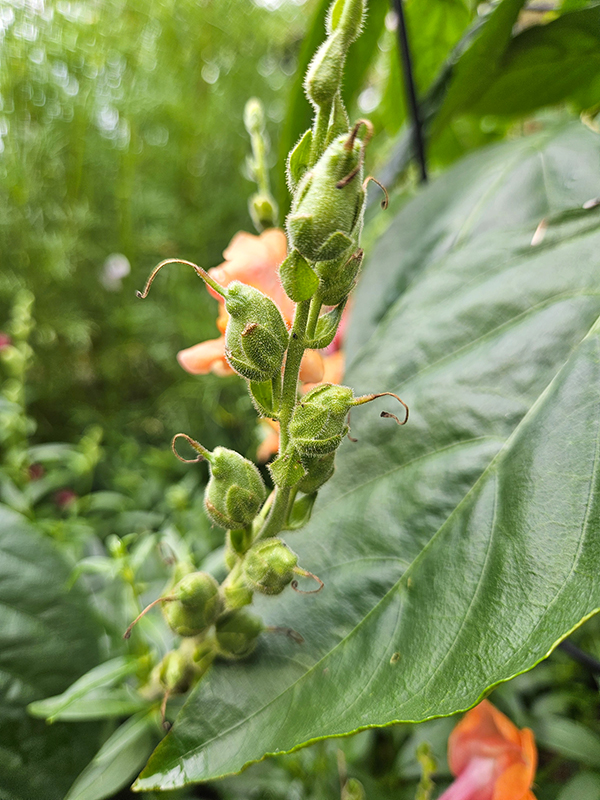
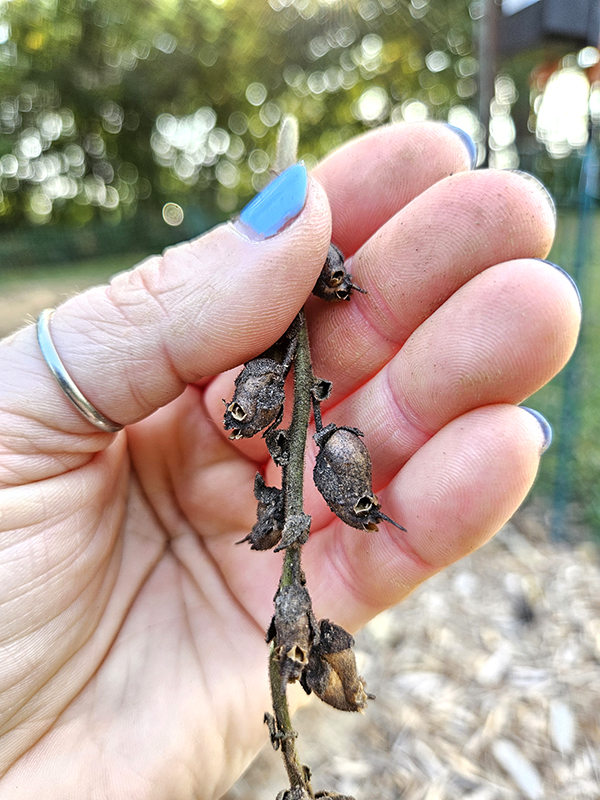
Note the blooms on the plants. Once the blooms start to fade on the flower stalks, the petals will drop off, and you will be left with a rather odd-looking seed pod. (Some people think it resembles a skull.) It’s inside these little “skulls” that the teeny tiny seeds lie.
Here’s where the patience comes into play. Wait until the seed pod has dried out and turned a dark brown color. It’s at this point that the seeds are mature and ready for harvesting.
Choose a flower stalk that has no signs of disease or pest damage. Cut the flower stalk off completely, taking care not to wiggle the dried seed pods too much.
Separating The Snapdragon Seeds
Next, it’s time to actually harvest the seeds from the dried seed pods. The way I go about doing this is to take each seed pod and cut it in half. This allows better access to the small black seeds.
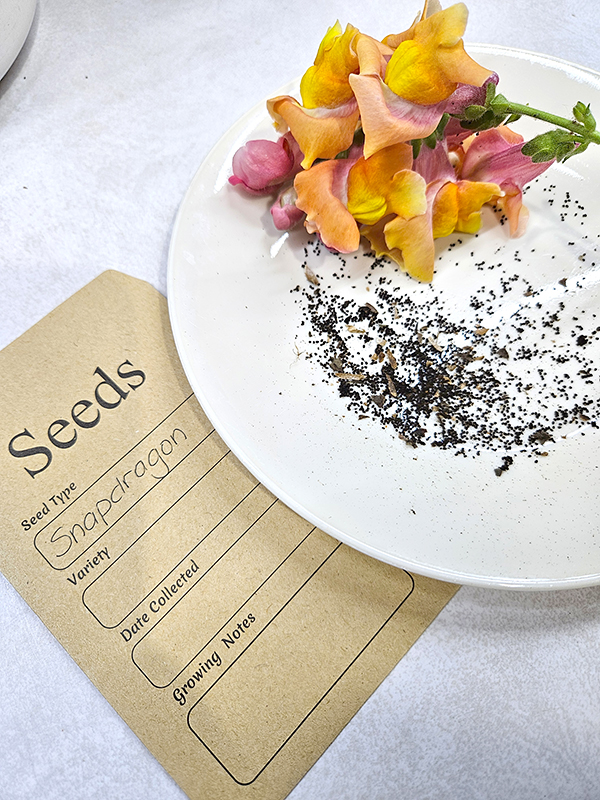
Shake each of the seed pod halves over a white paper plate or paper towel. Each seed pod contains multiple seeds. Repeat this process for each half until you have harvested all the seeds.
Even though the seed pods were dry when you removed them, it’s still a good idea to allow the tiny seeds to dry for additional time. Any moisture left in the seeds can cause them to spoil when storing. Set the paper plate somewhere dry and out of the way for a week or two.

Storing The Seeds Long Term
After a couple of weeks, store the fully dried seeds in paper envelopes. Avoid using plastic bags since they tend to harbor moisture. I use kraft paper seed packets I buy in bulk on Amazon, but regular paper envelopes will work as well. (Product Link: Kraft Seed Saving Storage Envelopes)
Be sure to label the envelopes with the date you collect the seeds (or at least the year). Also include the seed type, variety, and any other notes you might want to mention about the snapdragon plants.
I then store all my leftover seed packets and any saved seeds in a photo storage container. It isn’t really the container’s intended purpose, but it works perfectly for keeping my seed packets dry and safe. (Product Link: Novelinks Clear Photo Organizer)
Now, when late winter rolls around and it’s time to start your seeds indoors, you already have a head start on getting your seeds going – all without needing to purchase new seeds!
If you want to try saving other types of flower seeds from your garden, check out some of my other seed-saving articles: Marigolds, Nasturtiums, Coneflowers, and Strawflowers. (More articles to come!)
Until next time, thanks for stopping by!
– Chelsea
*This post may contain affiliate links. These are products I have used personally and highly recommend. As an Amazon Associate, I may earn a small commission from qualifying purchases if you purchase items through my links. These links and the ads on this page help to support my family and our semi homestead, so Thank You!
Discover more from Semi Homestead Life
Subscribe to get the latest posts sent to your email.