
How do you know you are choosing the right tomato varieties for your vegetable garden and harvesting plans when there are so many different ones to choose from?
In fact, there are over 10,000 different tomato seeds and seedlings available nowadays. Just stand in any store that sells garden seeds and look at the row after row of tomatoes. The amount of seeds available is even bigger online!
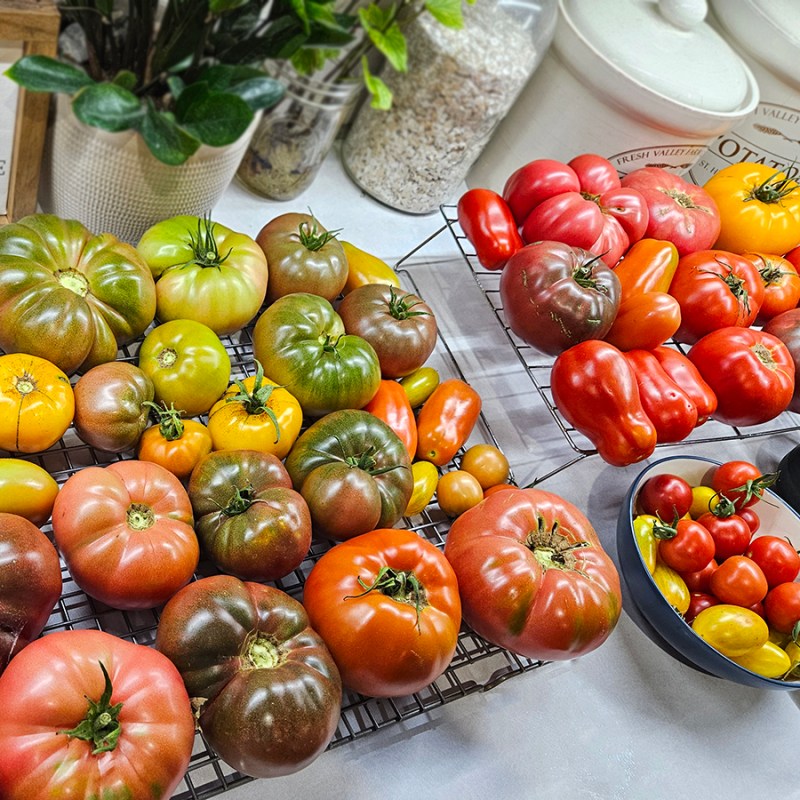
It can make even seasoned gardeners overwhelmed, myself included! From huge tomatoes that can grow to be as big as your hand to tiny ones that grow smaller than a marble, how do you know which ones are right for you and your garden?
And it’s not just the size that is different between varieties. Some tomatoes are listed as “indeterminate” and “determinate” tomatoes, and then there are “hybrids” or “heirlooms”. That doesn’t even include the different colors and flavors you can get!
For the most part, why you purchase specific varieties of tomatoes will depend on your garden setup and how you plan to use the fruit after harvesting. Choose the wrong type and you might be left more than a little disappointed. By the end of the article, you should be able to choose the right ones that will be perfect for your growing situation and plans for harvesting!
Tips On Choosing The Right Tomato Varieties – 5 Tips To Keep In Mind
Before you even step into a store that sells vegetable seeds or log into a retailer’s website online, the following information should be kept in mind in regard to tomatoes.
Use it as a guide but feel free to experiment in your garden. We like to grow a variety of all types so we can get the best of all options! There really is no one-size-fits-all setup here! What works for me and our family might not work for you – and that’s perfectly ok!

Hopefully, the information will at least help you narrow down the best possible choices for your garden and your harvesting goals.
1: Your Garden Setup
First, you want to think about your gardening setup and space. Not everyone has a plot of land that they dedicate to an in-ground, “traditional” garden.
Some people will be growing tomatoes in raised beds while others might use containers like 5-gallon buckets or grow bags. While you might be able to grow about whatever variety you want in a traditional garden, those with a smaller area will need smaller, more compact plants.
Because trust me, some tomato varieties can get REALLY out of hand. (I’m looking at you, Spoon tomatoes! As much as I love your fruit, your plants grow crazy wild after just a few weeks! Just trust me on this one!)
If you have a smaller setup, look for seeds or plant labels that state the variety is “container friendly” or “compact”. There are also many different dwarf varieties that are also great for growing in containers. Determinate tomatoes are also an excellent choice for container growing (more on what that is in a bit).
2: What Do You Want To Do After Harvesting?
Next, you want to keep in mind what you want to do with the tomatoes after harvesting. Not only do different tomato varieties produce their fruit at different times, but the fruit itself is different.

Some tomatoes are firm and have way more flesh compared to seeds. Others have less flesh and tend to be more watery and full of seeds. The composition of the fruit itself can change how you use and enjoy the fruit.
For example, do you want a tomato that you can slice up a big piece and enjoy on a big BLT sandwich? Maybe you are hoping to preserve a huge batch of fresh salsa or pasta sauce to store on your shelves for winter. Maybe fresh snacking or topping your lunch salad is more on your mind.
All of these “end goals” will make a difference in the type of tomato variety you grow. But don’t worry, nothing says you can’t grow more than one or two types of tomatoes in your garden like we do!
3: Indeterminate Vs Determinate Tomatoes – Choosing The Right Tomato Varieties
If you look at a seed packet or the label on a seedling, most likely it will say either “determinate” or indeterminate.” Those two terms have to do with how the plant grows and produces fruit.
Determinate tomatoes grow to a set size and then stop putting out new growth. Most of the fruit on these types of plants becomes ripe all around the same timeframe (within a few weeks that is).

Determinate tomatoes are great if you want to process or cook large batches of tomatoes all at once. However, due to their limited and more compact size, they are also perfect for those who are short on growing space. For this reason, determinate tomatoes are great for growing in containers.
Indeterminate tomatoes, on the other hand, grow as vines that keep on producing fruit up until the first frost. They are a bit slower to push out fruit with only a few here and there ripe at the same time.
Due to their vining nature, indeterminate tomatoes require some sort of support or trellis. If you don’t have the space for tomato supports or can’t use a trellis, then you probably want to avoid growing indeterminates. Pruning can help keep the plants tidier, but it isn’t always a fit-all.
If you would like to read more in-depth information about determinate and indeterminate tomatoes, I’ve written an entire article dedicated to the topic: “Determinate And Indeterminate Tomatoes – All You Need To Know“.
4: Differences In Fruit Sizes & Contents – Choosing The Right Tomato Varieties
Another main difference between tomato varieties is the size and shape of the fruit. These are what I consider to be the main four types: Slicing (also called beefsteak), Paste (also called Plum, Sauce, or Roma), Cherry or Grape, and Globe.
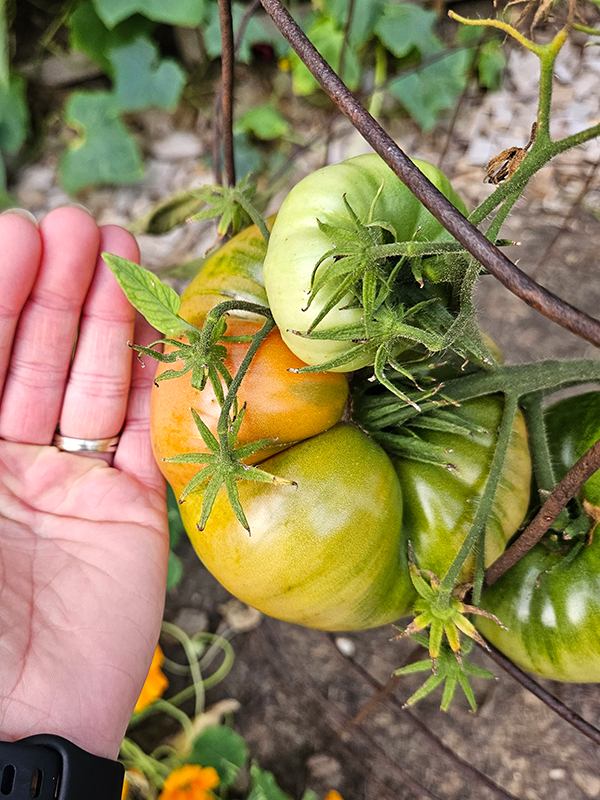
Slicing tomatoes are used for just what their name sounds: slicing and eating fresh on sandwiches or as a stand-alone treat. They are typically larger and contain big, bold flavors to match. The fruit has quite a bit of juice as well as seeds. You will often hear slicing tomatoes described as being “meaty.”
Paste tomatoes are best for cooking down into tomato sauces, pastes, and salsas. They grow to be a few inches long and oblong-shaped. They have a ton of flesh and very few seeds, which makes them perfect for thickening up canning products.
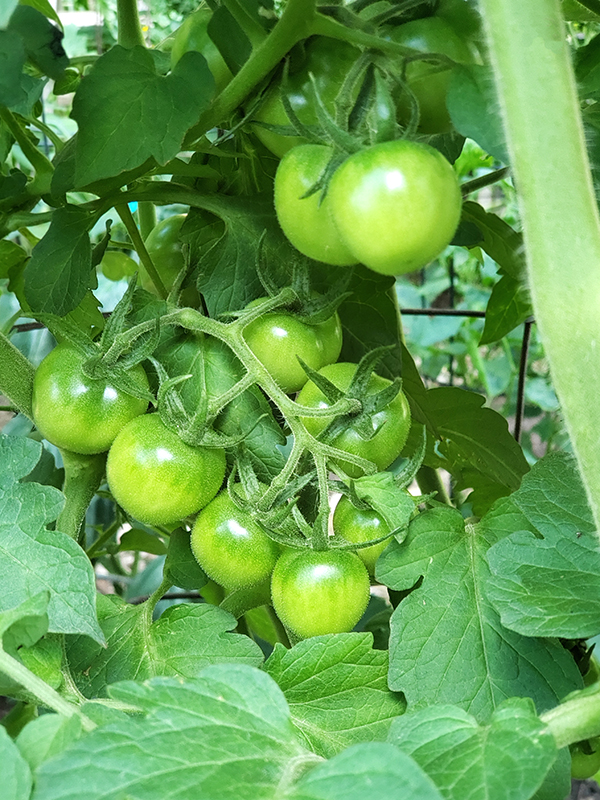
Cherry and Grape tomatoes are smaller, sweet, and flavorful. They are usually used for snacking and fresh eating (like topping salads). Cherry tomatoes are round-shaped while grape tomatoes are more oblong. They range in size but usually are bite-sized.
Globe tomatoes are usually medium to large-sized and have smooth, round shapes. They can be used for slicing and eating fresh or for adding to pasta sauces and other dishes. They have a good mixture of both flesh and seeds.
However, these are just suggestions. When I make pasta sauce, I always throw in several slicing tomato varieties and even several cherry tomatoes. The addition of the different flavors helps to make your tomato products taste even better.
5: Heirloom Vs. Hybrid Tomatoes – Choosing The Right Tomato Varieties
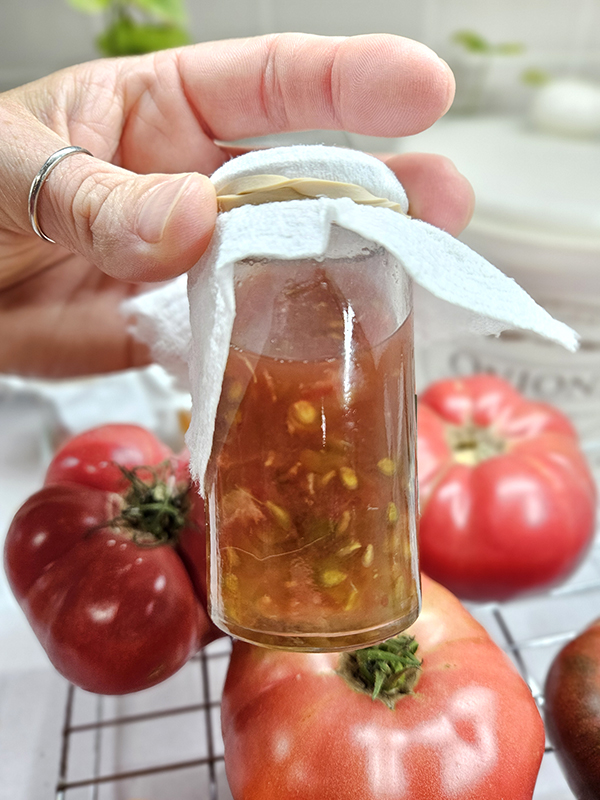
Then there are Heirlooms vs Hybrids. Heirlooms are also called “open-pollinated” tomatoes. That means that the seeds of these tomatoes can be replanted and exact copies of the parent plant will result. Often, heirlooms are varieties that have been passed down from generation to generation. However, there are newer heirlooms as well.
You will often see heirlooms as a “type” of tomato similar to “Slicing” and “Paste”. However, the reason why I don’t include them is because any shape and size can be an heirloom. You can also find them in a variety of different colors and flavors.
Heirloom tomatoes are often beloved by gardeners because you can save the seeds and replant them. This helps save the gardener money and also ensures that they can always have their favorite varieties on hand.
Hybrid Varieties
However, there is nothing wrong with growing hybrid tomato varieties. Many of these plants have been selectively bred by crossing two or more plants together to result in better yields, richer flavors, and greater disease resistance. But for some reason, it seems like “Hybrid” has gotten a bad rap.
If you see that a seed packet or plant tag says “Hybrid” or “F1” in the plant name, then these are not heirloom tomatoes. You can read more in-depth about the two types here as well as some of their advantages and differences: “How To Save Garden Seeds – Open-Pollinated Vs Hybrid Seeds“.
Again, I grow a variety in my garden. There is one heirloom plant on my list that I have been saving the seeds of for years. However, I sometimes have more issues with diseases with those plants so I like to plant hybrids as well. I just know that I can’t save those seeds and get true copies of the same plant.
Bonus: Flavors And Colors
Beyond what I’ve already listed above, you can also find tomatoes with different flavor profiles as well as colors. From tomatoes that are acidic and perfect for tangy ketchup recipes to sweeter tomatoes that you can eat like candy, you can find a tomato to match.
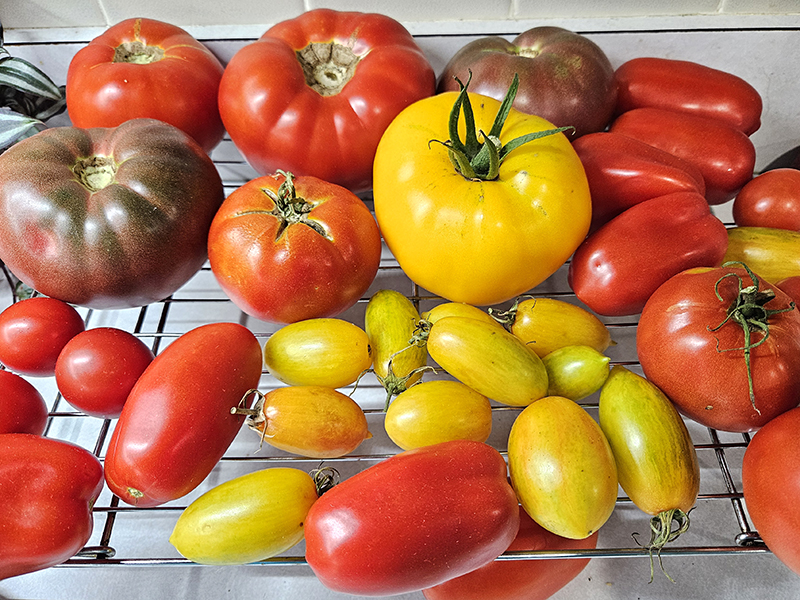
Most tomato flavors are a personal preference but it can come into play when choosing the right variety for your garden. If you plant on canning or processing tomatoes, then you definitely want a few varieties with a bit more acidity. But that’s a discussion for another time!
Don’t Get Overwhelmed!
Hopefully, this “guide” gives you a better grasp of the differences between all the available tomato varieties so you know you are choosing the right tomato variety for your garden this year. Use it as a guide but by all means, feel free to experiment and see what works for you and your family.
You never know, that out-of-the-box variety you just had to try might end up becoming your new favorite, must-grow tomato!
Until next time, thanks for stopping by!
– Chelsea
*This post may contain affiliate links. These are products I have used personally and highly recommend. As an Amazon Associate, I may earn a small commission from qualifying purchases if you purchase items through my links. These links and the ads on this page help to support my family and our semi homestead, so Thank You!
Discover more from Semi Homestead Life
Subscribe to get the latest posts sent to your email.