
Knowing the difference between determinate and indeterminate tomatoes can make a huge difference in which seed packets or transplants you purchase when spring rolls around. Not only do these two tomato types grow differently, but they also set and produce fruit differently as well – which can play a huge part in how you harvest and use these fruit.
There are a TON of different tomato varieties available on the markets nowadays. Not only is there a difference between heirloom and hybrid varieties, but you also have choices in a whole range of flavors, colors, sizes, and textures. Then there’s the option of determinate vs indeterminate plants.
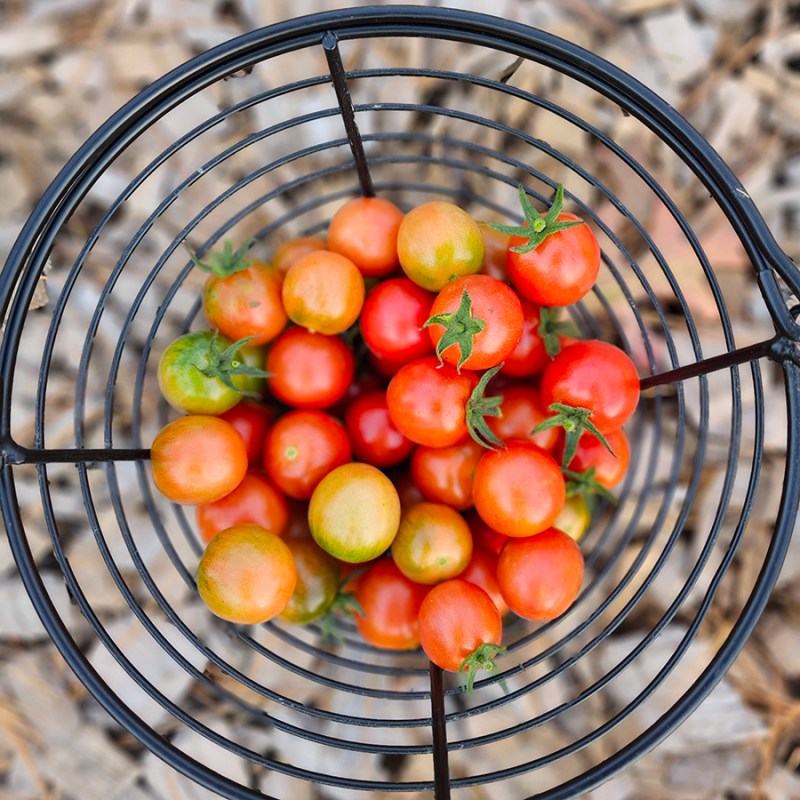
This can make shopping for seeds or transplants extremely overwhelming. While most of those characteristics are personal preferences, if you choose the wrong plant type, you might be extremely disappointed when it doesn’t grow and act like you were expecting.
If you have ever looked at a seed packet or a grow tag, then you’ve likely seen either “determinate” or “indeterminate” written on it. What do these two terms actually mean and how do they affect how your plants grow and produce – and why should they be so important to you?
There are actually a couple of big differences between these two types of tomato plants. Once you know these differences, you can easily choose the type of plant that is perfect for your garden and harvest plans!
All About Determinate And Indeterminate Tomatoes
When I first started gardening, I thought a tomato was a tomato. I assumed you purchased the plants based on the color and size you were after and nothing more.
If I wanted cherry tomatoes, then I picked one out that produced tiny tomatoes. If I wanted big slices of tomatoes on my BLT, then I needed a tomato plant that produced huge tomatoes. Done deal.
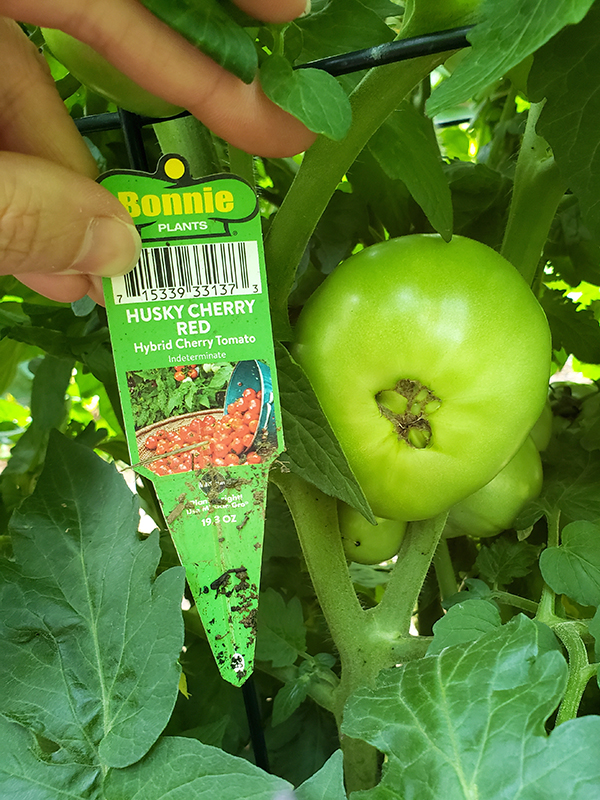
Of course, I saw the words “determinate” and “indeterminate” on the tags, but I really didn’t give them much thought. However, over the course of summer, I would then wonder why some of my plants were growing and setting fruit differently than others.
Fast forward to today and I now know that there are actually some big differences between the two. And, it really plays a huge part in the success of my harvest.
Thankfully, you can find all varieties of tomatoes as both indeterminates and determinates. From paste tomatoes to slicing tomatoes to tiny cherry tomatoes, you can usually find an indeterminate or determinate alternative to suit your needs.
Ok, so what are those important differences between determinate and indeterminate tomato plants and why should they be important to you?
The Plant’s Growth Habits
One of the biggest differences between determinate and indeterminate tomatoes is their growth habits. Determinate plants only grow to a specific size and then they stop. Typically, this is up to about 4 feet tall when all is said and done.

This final size is determined by their genetics and not by their growing conditions. So no matter how you care for them, they grow to be that size and then that’s it. Most of the time, the plants tend to be bushier than their taller cousins. You might even see the word “bush” in the name of the tomato variety.
Due to their compact smaller size, determinate tomatoes are perfect for growing in smaller gardens, raised beds, or containers. You can even find dwarf varieties like Tiny Tim Tomatoes or Orange Hat that only grow as tall as 6 to 12 inches. This makes them perfect for growing in all sorts of containers or even indoors all year long. (Product Link: Tiny Tim Tomato Seeds Pack)
Since determinate tomato plants don’t grow to be as large, you don’t always need to trellis them. This is especially the case for smaller, dwarf varieties. However, it’s still a good idea to use small cages or stakes. They help to keep plants up off the soil to prevent some soil-borne diseases. Mulching around the base of each plant also helps with this.
Indeterminate Tomato Plant’s Growth Habits
Indeterminate tomatoes, on the other hand, will continue to grow up until the first frost. They are also sometimes called vining tomatoes due to their ability to keep on growing and producing fruit all along those long vines.

Some plants can grow to be above 8 to 12 feet tall. In fact, I’ve had many indeterminate tomato plants spill over the top of our huge industrial tomato cages. By the time the growing season was over, some of them could almost touch the ground!
Because of their continual growth, you need to trellis indeterminate plants. I even use environmentally friendly garden ties in addition to huge cages. This helps to keep these large, ever-growing plants and their vines up off the ground. Even with cages, make sure to mulch around the base of the plants. (Product Link: Biostretch Soft Plant Ties)
Indeterminate tomatoes are best for growing in traditional in-ground gardens or in deeper raised beds. While you can grow them in containers, you still need to support and trellis them well.
How They Produce Fruit
The second main difference between determinate and indeterminate tomatoes is how they produce fruit. As mentioned above, indeterminate tomato plants keep on growing until the first frost.
In addition to producing new stems and branches all summer long, they also continue to set blooms and fruit. Indeterminate tomato plants are great if you want to enjoy a long season of harvesting and enjoying fruit. However, they might take a bit longer to get going early on.

Determinate tomatoes tend to produce fruit earlier in the season than indeterminates. However, they produce all of their fruit within a short few weeks timespan. Then, once they are done fruiting, the plants start to die back.
So, why would you want to harvest tomatoes only for a few short weeks? Well, if canning and preserving are on your to-do list, then determinate tomatoes are a huge bonus. They will allow you to harvest a ton of ripe tomatoes all at once as opposed to some here and there like you would get with indeterminate plants.
Because of their differences in fruit production, your goals for harvesting will play a big part in which type of fruit you grow. I like to have a combination of both types in my garden for the best of both worlds!
Pruning Determinate And Indeterminate Tomatoes
Tomato plants produce what’s referred to as “suckers.” If allowed to grow, these suckers will turn into a whole new main stems. This stem can then produce branches, leaves, flowers, fruit, and their own suckers for some varieties.

Pruning is the process of removing some of these suckers so the plants don’t get overgrown and unruly. But since determinate plants usually stay a manageable size and only produce a set number of tomatoes before they are done growing, you don’t need to prune the suckers.
Pruning determinates will greatly reduce your overall harvests since you will be removing some of the only few blooms the plant is going to set. The only time to prune determinate plants is at the base, removing the bottom 10 to 12 inches of the plant to keep those bottom stems up off the soil.
Pruning indeterminate plants isn’t a requirement. However, it can help keep the plants much more manageable in size as well as help to improve airflow and reduce the chances of diseases like powdery mildew.
Aside from those main differences, that’s really all you need to know about determinate and indeterminate tomatoes. (If you are looking for information about the differences between heirloom and hybrid plants, then check out my article, “How To Save Garden Seeds – Open-Pollinated Vs Hybrid Seeds“.)
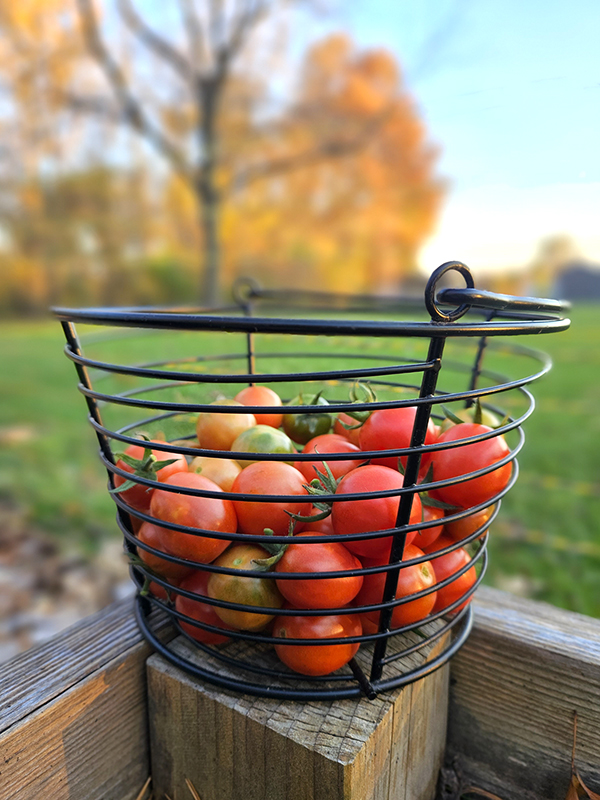
Side By Side Comparison
So, to wrap everything up, here’s a quick side-by-side comparison chart to allow you to choose the best tomato varieties for you and your growing situation:
| Determinate Tomatoes | Indeterminate Tomatoes | |
|---|---|---|
| Growth Habit | Grows 2 to 4 feet tall or shorter; Bushier in appearance | Grows to 8 feet or taller; Vining in appearance |
| Trellising | Light trellising is needed; Dwarf or compact varieties may not need any | Requires trellising, cages, or stakes |
| Harvesting | Produces fruit during a short timeframe; Ripe earlier in the season | Produces fruit until the first frost; Ripe later in the season |
| Where To Grow | Grows well in small gardens, containers, or indoors | Grows well in raised beds or in-ground gardens |
| Usually Used For | Canning and Preserving | All purposes |
| Popular Varieties | Celebrity, Rutgers, Roma, Bush Early Girl Hybrid, Bush Beefsteak, Tiny Tim, Orange Hat | Brandywine, Better Boy, San Marzano, Cherokee Purple, Early Girl, Sun Gold, Amish Paste |
Hopefully, this sheds a little light on the differences between determinate and indeterminate tomatoes and why it’s so important to know.
Until next time, thanks for stopping by!
– Chelsea
*This post may contain affiliate links. These are products I have used personally and highly recommend. As an Amazon Associate, I may earn a small commission from qualifying purchases if you purchase items through my links. These links and the ads on this page help to support my family and our semi homestead, so Thank You!
Discover more from Semi Homestead Life
Subscribe to get the latest posts sent to your email.