
If there is one simple yet beneficial task you can do to improve your garden soil as well as your harvests this year, it’s to use mulch! This one addition can make a huge difference in not only the overall health of your soil but also creates less work for you in the long run!
There are so many different advantages to using mulch throughout your entire garden space. From helping to reduce the amount of time you spend weeding to helping retain moisture and regulating soil temperatures, mulch has it covered – literally and figuratively!

One of the best parts of using mulch is that you can usually use materials that you find right around your own homestead. For example, every time you mow your yard you are left with grass clippings – a perfect mulch!
However, not all mulches are created equal. There are some materials that work much better for protecting your soil than others. Purchase the wrong type of mulch and you might be adding way more work for yourself in the long run.
The key is to use the right type, the right amount, and to add it at the right time. If you can get those three things mastered, then you are set for a great gardening season! And trust me, it’s a lot easier to do than you might think.
Why To Use Mulch In Your Garden
Advantages Of Using Mulch
First, let’s start with the advantages of using mulch and why it should be a must-have product when growing a garden. These advantages apply whether you are growing in a traditional in-ground garden, in raised beds, or even in containers.
To begin with, mulch helps to retain moisture in the soil. With bare soil, the hot sun bakes down on it all day long in the summer. This will quickly dry out the first few inches of the soil in no time at all. Not only will the moisture be gone, but the soil temperatures will also rise.
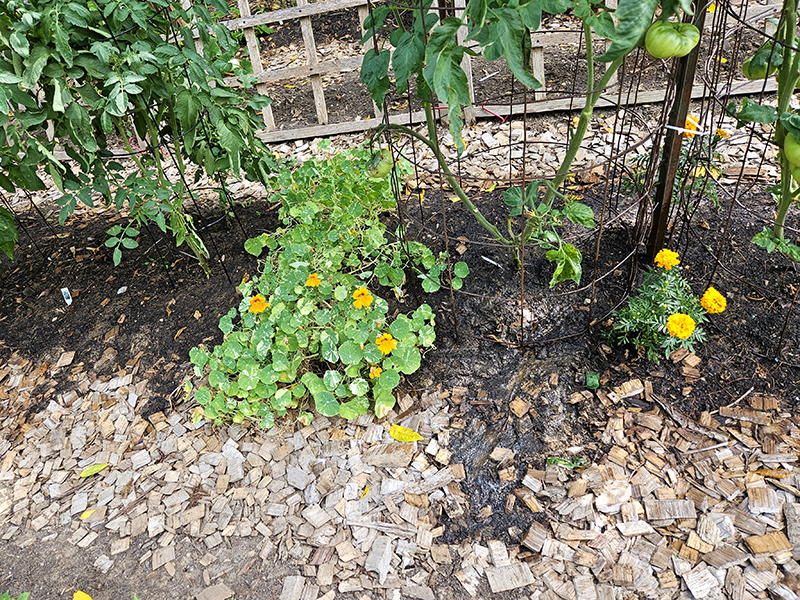
Mulch helps to act as a protective blanket that regulates the soil temperature. At the same time, any moisture that the soil gets from rain or hand watering won’t immediately evaporate in the sun.
Another advantage of mulch is preventing soil erosion. Even though you might not think that is an issue in smaller settings like gardens as opposed to large farm grounds, erosion can still be a big issue.
For example, I grow plants in slightly raised rows. Without something there to help hold the soil in place, I had issues with the soil eroding and running whenever I watered or it rained. So instead of the water soaking in right near the plants, it just ran off toward the lowest point. In my case, this was onto my walking rows.
Less Weeding!
Mulching also greatly (and I mean GREATLY) helps to reduce weeding – a task that gives many gardeners frustration and causes them to give up on their beautiful garden spaces towards the middle of summer.
Bare soil is an open invitation for all kinds of different seeds to germinate, and that usually means weed seeds. Weed seeds can land on the soil from all sorts of sources like the wind, birds, wild animals, etc.

The perfect conditions that also germinate your green bean seeds are also great for germinating weed seeds. Before you know it, your garden can become overwhelmed with weeds.
Using a nice thick layer of mulch will help prevent these weed seeds from germinating by blocking the sunlight. Sure you might get a stray weed here and there, but it is way less than if your soil was bare and open.
Improves Soil Structure
Last but not least, mulch improves the overall structure of your soil. As the materials break down, they add loads of organic matter to your soil.
This is an amazing bonus if you are like us and have heavy clay-like soil. The mulch works to create looser, less compacted soil that drains easier and can also retain moisture better. In addition, there are a few trace nutrients that will get added back to the soil as these materials break down.
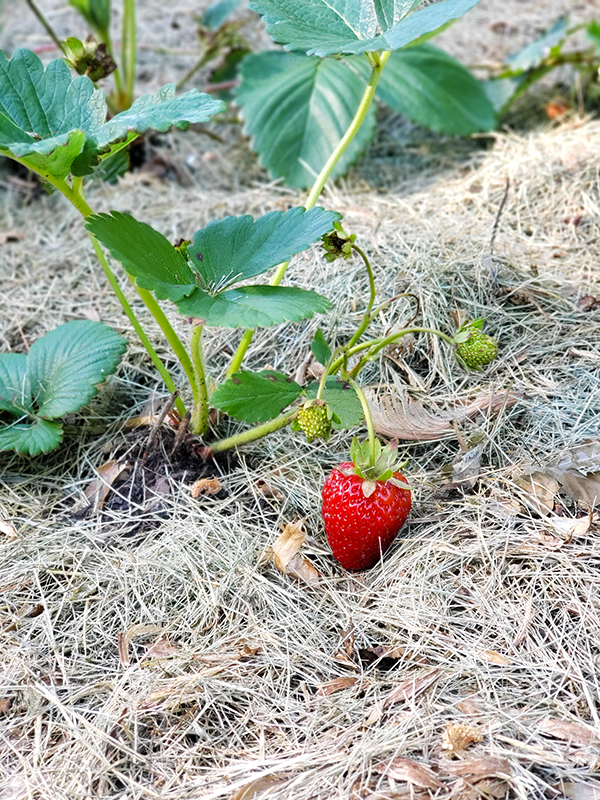
Don’t be surprised if you see an uptick of worms, rolly pollies, and other decomposers in your garden soil when you use mulch. You might even see a few mushrooms growing as well. These are all great signs of good, healthy soil!
Types Of Mulches To Use In Your Garden
Now that you know why to use mulch, let’s talk about what works best for mulch. The materials you use should be different than the mulch used around flowerbeds or in landscaping. A lot of those wood mulches contain dyes and other additives that are better left away from edible plants. In addition, you shouldn’t use gravel or rocks as mulch either. So, what can you use?
My favorite material to use is grass clippings. Not only are they readily available during the spring and summer months (anyone else tired of mowing yet?) but they are completely free!
A lot of mowers come with baggers that do the hard work of collecting the clippings for you. Or, you can just use a good old rake and some muscles to gather your grass clippings (bonus if you have kids that can help!).

The key is to collect clippings as soon as you mow them and place them around your plants still green. Just avoid using any clippings from lawns that have been sprayed.
Other Great Mulch Options
Another great free option is shredded leaves. While leaves aren’t as readily available during the spring and summer months as they are in the fall, you can sometimes get your hands on enough or save them from the previous fall. Just make sure to use shredded leaves as opposed to whole ones. Whole leaves can create more of a solid barrier that won’t allow air or moisture to get to the soil.
(To learn how to easily shred and mulch leaves, check out my article, “A New Way To Mulch Leaves Using A Weed Eater & A Trash Can!“. You can also see it in action by watching the quick YouTube Short.)
Another great option is straw. Shredded straw works even better but there is nothing wrong with a good old bale of regular straw.
I have used straw before in my raised beds with good success, especially around my garlic. I don’t use it for all of my garden because it is a bit more expensive and harder to find. In addition, it gets really windy where our garden is located and that can create a bit of a mess with how our garden is laid out in growing rows.

Please note, use straw and not hay! Straw is the leftover hollow stems that remain after the seed heads are harvested. Hay, on the other hand, is mature grass that is cut so that it includes the stems, leaves, and seed heads. If you use hay as mulch in your garden, you will be introducing all those seeds right there next to your vegetables and flowers!
How To Apply Mulch In Your Garden
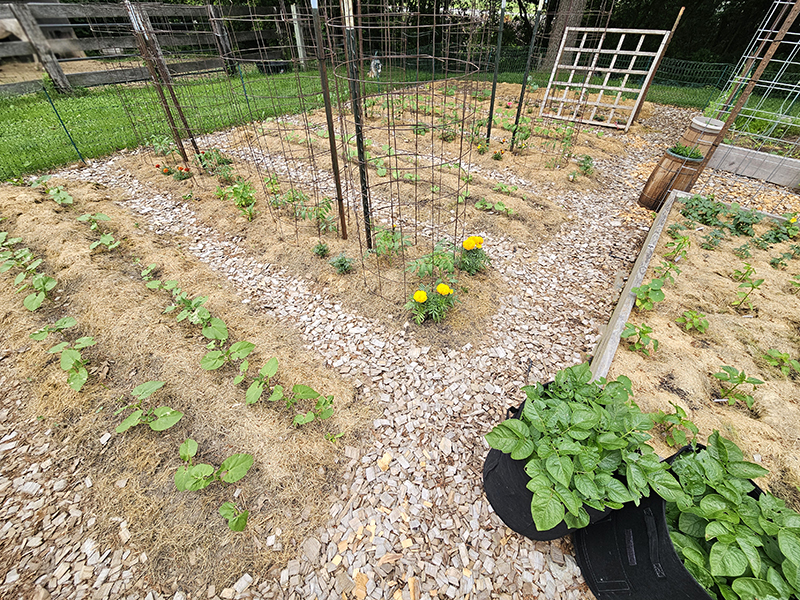
The keys to getting the most out of your mulch are applying it early and applying it thick. As soon as I get my transplants into the ground or plant my seeds, I apply my mulch. This allows as little time as possible for weed seeds to find any bare soil.
You want a good 4 to 6 inches of mulch to really be able to gain all of the advantages I mentioned above. If the mulch isn’t thick enough, weeds will still be able to germinate. The moisture retention also won’t be as good with just an inch or two of mulch. So really lay it on thick.
Try not to allow the mulch to touch the stems of the plants. Having the mulch right up against the plant can increase the chances of rotting or fungal issues. So leave about an inch or two in diameter around each stem. When planting seeds, leave the area right above where you planted open as well to allow the seeds to easily germinate
Reapply As Needed
You may also need to reapply the mulch halfway through the growing season. This is especially the case for grass clippings since they tend to break down quickly. However, that’s a small task that I’ll gladly do in return for all the great benefits the mulch provides!
And that’s about it! Putting in a little bit of extra work will allow you to enjoy your garden more and spend way less time weeding it!
Until next time, thanks for stopping by!
– Chelsea
*This post may contain affiliate links. These are products I have used personally and highly recommend. As an Amazon Associate, I may earn a small commission from qualifying purchases if you purchase items through my links. These links and the ads on this page help to support my family and our semi homestead, so Thank You!
Discover more from Semi Homestead Life
Subscribe to get the latest posts sent to your email.