
There is a lot of organizing and preparing that goes into getting a garden plan figured out each year. Since the whole process can be a bit overwhelming, I broke it down into 5 simple steps we use to plan for our 2024 gardening season.
First, there’s organizing your seeds. If you have a ton of leftover seeds from the previous year, you can sow those again this year in most cases. Of course, you likely also want to purchase a few new varieties to fill in some gaps. (Or maybe you have a slight addiction to purchasing seeds like me!)

Then, there’s getting the seeds started toward the end of March or early April. This process can seem overwhelming but it isn’t as hard as you might think (or as expensive).
Then you need to create a layout of your garden space and the plants you want included. Be sure to incorporate crop rotation and companion planting. A garden journal is wonderful for aiding with this process and is something I highly recommend!
Lastly comes the actual planting part, which can be a bit stressful and chaotic, especially here in the Midwest with its unpredictable weather. But with a little bit of patience, you can get your garden off to an amazing start!
How To Plan Your Garden This Year – 5 Steps We Take
These steps don’t always have to be in this exact order. Sometimes you won’t purchase your direct-sown seeds or potted plants until a week or two before planting. However, this is just to give you an idea of what goes into planning our garden each year and the timeline or steps we usually take. As always, adapt this to what works for you and your situation!
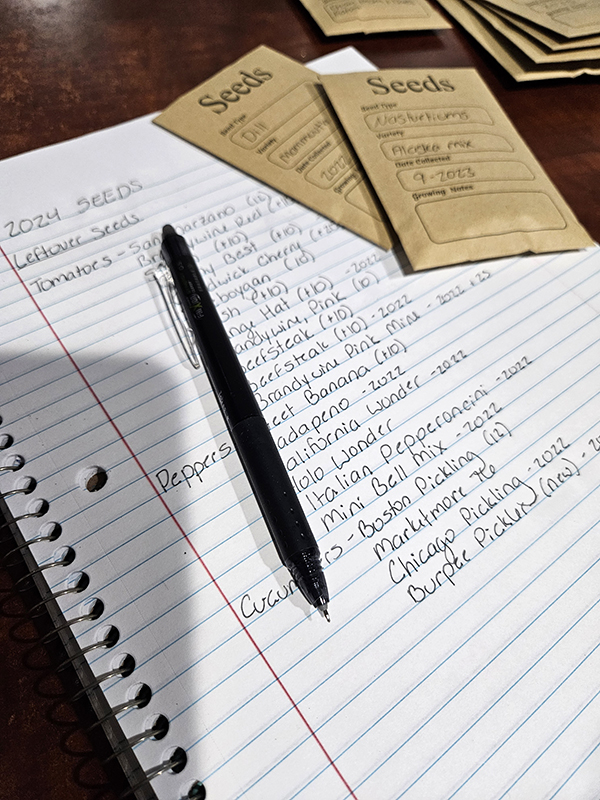
Step 1: Organizing & Purchasing Seeds
The first part of my gardening process is always organizing my seeds from the previous year. One day during the cold and bleak winter months, I sit down and do an inventory of all my leftover seeds from previous years.
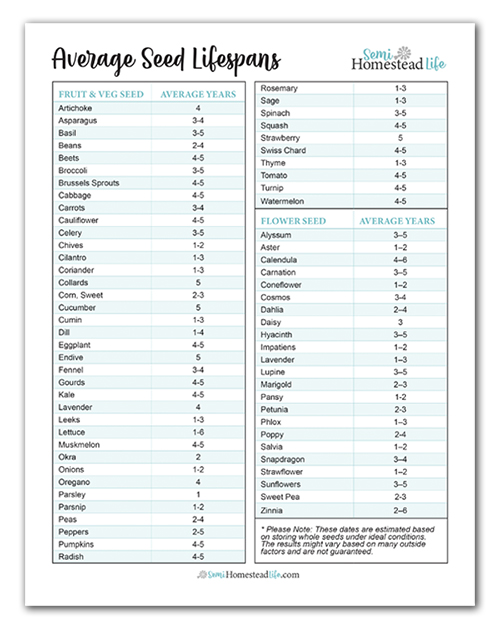
Most seed varieties are able to be kept and stored for several years before they go bad. They might drop in germination rates a little bit as they age, but it is still worth holding on to your leftover seeds for a few years.
(I put together a quick chart you can use to see just how long seeds might stay viable. These are just to give you an idea and may not be correct in all situations and storage options. It’s a PDF you can download and print or save.)
Once I make my huge list of leftover seeds, I put together a game plan for any new varieties or crops that I want to try this year. Think realistically about what you and your family will actually consume or that you can sell. It’s totally fine to try new varieties or crops just for the heck of it. You may end up finding a new must-have or family favorite that way!
Where To Purchase Seeds – Plan Your Garden
You can purchase seeds from a variety of different places. Usually in the winter, I order a few seed packets from reputable online sellers like Baker Creek Seeds, Park Seed, or MIGardener. There’s just something so exciting about receiving a padded envelope of seeds in the mail in the dead of winter!
These seed companies usually have an amazing selection of different varieties and unique crops to try out. Just be sure to purchase seeds that work for your specific growing location.
I also like to save my own seeds from the previous year when possible. I often do this with heirloom tomatoes and some flower varieties. You can read how I ferment tomato seeds or save marigold seeds.
I am also not against purchasing seed packets in local stores. I have grown many wonderful, productive plants using seed packets that came right from the shelves at Walmart or other big box stores. So don’t snub your nose at using those seeds as well. You just might not get as big of a selection when going this route.

Starting Seeds – Plan Your Garden
As for starting your seeds, I created a whole series that you can read that goes from preparing the seed starting area to hardening off plants. So I won’t go into that process, but you can read about them in depth here: Part 1: Sowing, Part 2: Growing, and Part 3: Hardening Off.
You might not be interested in starting seeds indoors for tomatoes and peppers and that’s totally ok. Just keep a list of the plants you still need to purchase closer to the planting date.
Step 3: Laying Out The Garden Space
This is a step that I think some gardeners, especially newbies, tend to overlook when they plan their garden each year. The process of laying out your garden space is extremely important to the health of your plants as well as your soil.
As crops grow, they use up vital nutrients and resources from the soil. Some plants are heavier feeders than others like tomatoes, peppers, and sweet corn. As those crops grow, the soil quickly gets depleted of nutrients. If you were to continue to grow those crops in the same spot year after year, the plants would start to suffer.
In addition, there are many, MANY different pests and diseases that live in the soil. Even in the Midwest, these pests and diseases can overwinter in the soil, only to wreak havoc on your crops the following year.
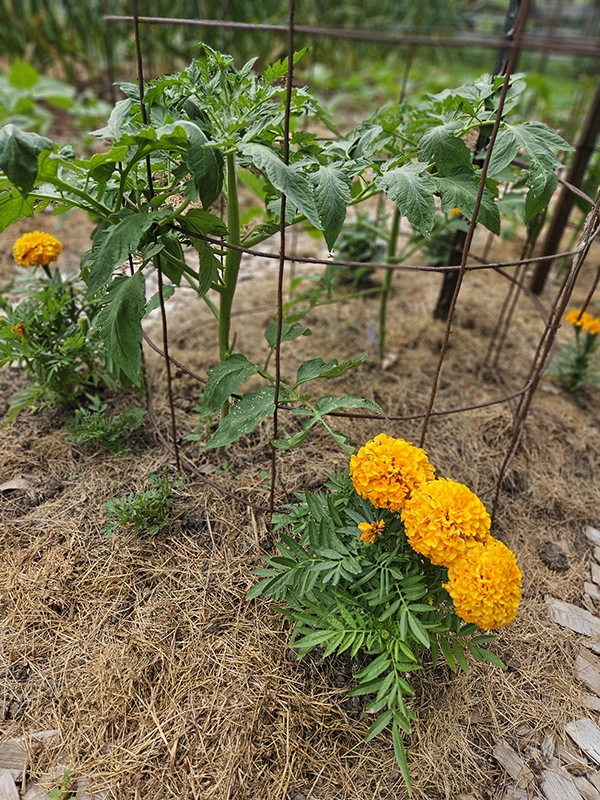
One such example is tomato blight spores. If tomatoes contract blight, those spores will drop down onto the soil and live there for years. Any tomatoes grown in the same location are much more susceptible to contracting blight the following year. But by moving those crops around, you help to break the cycle.
Attempt to rotate your crops so that you don’t plant the same type in the soil for at least 2-3 years. Am I always successful at doing this, no. But I at least try to move them around every year at the very least.
Companion Planting & More
Think about using companion planting when you plan your garden. Grow crops that get along well together or that can mutually benefit one another. Trap crops can also be used to help lure common pests away from more desirable crops.
Also, be sure to add plants that just make you happy. I love to plant different flowers in my vegetable garden just because they make me smile and I love seeing them. (Not to mention they are perfect for helping to draw in loads of pollinators!)
Step 4: Think About And Make Improvements – Plan Your Garden Space
Think about what improvements or changes you need to make to your garden space BEFORE you plant it.
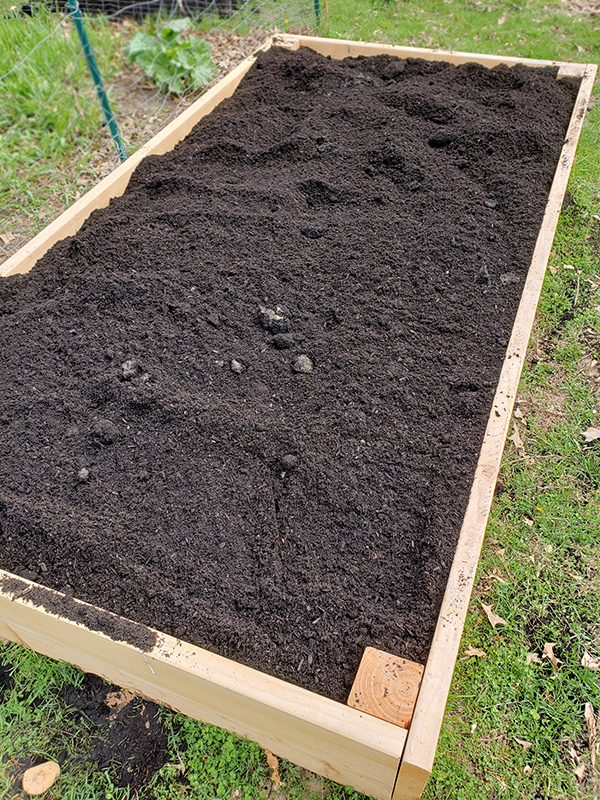
For instance, do you need to amend the soil so it drains better and has more nutrients? Do you need to fill up raised beds with more soil? Do you need to purchase new grow bags or containers? Does your garden need a new fence or way to keep out hungry rabbits or pests?
Think about all the things you want to work on to improve your garden and jot them down. While you might not be able to handle all of them this year, you can make a game plan ahead of time and do what is most important (or what you can afford this year).
Step 5: Planting Your Garden
Now the fun part is actually planting your garden space! As hard as it might be, be patient when planting your garden. Learn your last expected frost day and use that as a guide. However, also watch the weather forecast and make an educated decision on when to plant for your location.
For us here in Illinois, I usually aim to plant on or right after Mother’s Day. However, some years we can’t get into the garden until early June, and that’s ok! Planting late isn’t usually as big of an issue as doing it too early. Planting your garden too early when the soil is still cold will cause stunted growth and possibly even more issues than if you were just patient and wait an additional week or so.
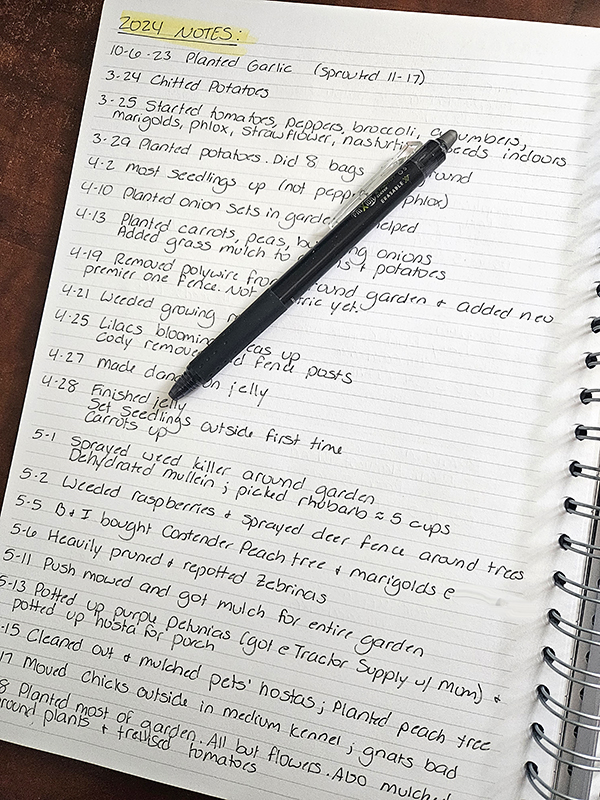
Bonus Tip: Do A Garden Journal
Another big tip is to take notes and draw up a simple sketch of your garden. Write down what varieties you planted where so you have that on hand. Keep notes on when certain pests arrive. Jot down disease issues or varieties that struggle (or those you love). Pretty much anything that comes up with your garden.
It’s something I’ve been doing since I started gardening. It’s so neat to look back and see those notes several years later.
Hopefully, this makes it a little easier to plan your garden each year so you can enjoy big harvests and beautiful plants all growing season long!
Until next time, thanks for stopping by!
– Chelsea
*This post may contain affiliate links. These are products I have used personally and highly recommend. As an Amazon Associate, I may earn a small commission from qualifying purchases if you purchase items through my links. These links and the ads on this page help to support my family and our semi homestead, so Thank You!
Discover more from Semi Homestead Life
Subscribe to get the latest posts sent to your email.