
If there’s one chore you can do this fall to help prepare your garden for spring, it’s cleaning out the garden. This end-of-the-season chore is a great way to say goodbye to a wonderful summer of growing and get your garden tucked away for winter.
I get it. After a long growing season, the last thing you might want to do is spend even more time pulling plants and cleaning up the space. However, taking the extra steps now can make a huge difference once spring rolls around!
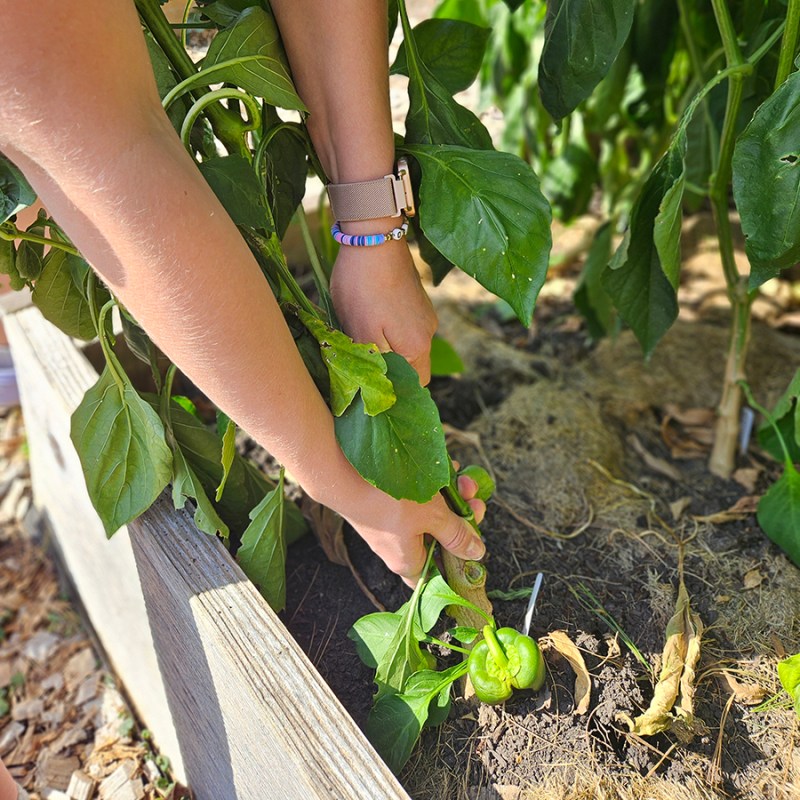
It’s also a great way to get a head start on getting ready for next year’s spring season. With the unpredictable weather in the spring, it’s a lot easier to handle these tasks in the fall as opposed to putting them off until it might be too late next spring.
Not only will you be able to start with a fresh slate in the spring, but you can help to keep the space cleaner and pest-free. When you leave behind dead plant matter and rotting fruit and vegetables, you are opening up your garden to a whole host of issues.
Here’s a look at why you should clean out your garden in the fall as well as seven simple steps you can take to prepare it for the winter months.
The Issue With Not Cleaning Out Your Garden In The Fall
You have likely heard conflicting information about whether or not to clean out dead, decaying plants. Yes, there are some beneficial pests and insects that might overwinter in this space. However, you are much more likely to harbor unwanted pests.
For example, Asian beetles are a huge nuisance here in Illinois. They come out in droves in the fall as the farmers displace many of their original hiding places. Squash bugs and cucumber beetles are two more examples of garden pests that plague many growers all over the country.

As the weather drops, those insects try to find a warm place to stay for the winter. And a big pile of dead plant matter in your garden makes for the perfect hiding place!
Other Issues Beyond Pests
Beyond pests, there’s also the issue of seeds. Many of the plants that you leave behind in your garden still have fruit, vegetables, or flowerheads attached. As those plants start to die, those items fall to the ground.
As they decompose, they provide the perfect environment for seeds to sit waiting until spring. Then, once the weather warms up, the viable seeds germinate. (Isn’t it amazing how unwanted seeds can grow so easily while the ones we plant by hand often have to be babied?!)
In addition, there’s the issue of plant diseases. Plants like tomatoes and peppers are often carriers of many different types of diseases. One of the most common is blight. If diseased plant materials are allowed to stay on your garden soil all winter long, the chances of those diseases affecting any new plants in the spring are greatly increased.
With all of these reasons in mind, here’s a look at 7 tips on cleaning out your garden this fall and what you can do to prepare it for a great growing season next year!

7 Tips For Cleaning Out The Garden This Fall
#1 Harvest What You Can
If you live in a location like we do, chances are you are hit with a frost or even freeze warning long before your garden plants are done producing. However, if the forecast states that winter weather is on the way, it’s time to take action.
Before you start to clean out your garden or before the first freeze, go through all your plants and harvest what you can. For example, even bright green tomatoes can still be harvested for ripening indoors.
They won’t be quite as nice and fresh as those that started to ripen on the vine. But, it’s still a way for you to enjoy fresh tomatoes without driving to the supermarket.
#2 – Remove All Annual Plants
The next step to cleaning out your garden is to remove any old annual plants. These are plants that only grow for one season and then die back naturally.
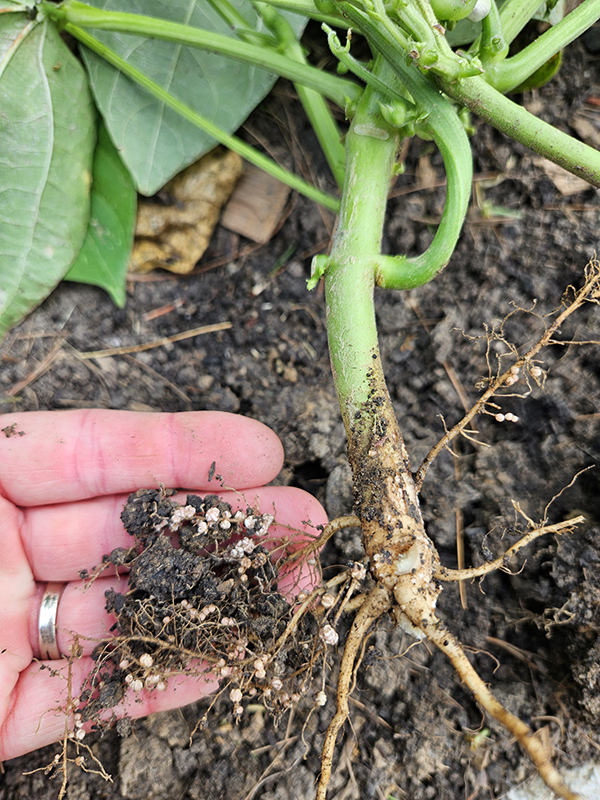
This will include almost all of your vegetables like tomatoes, squash, peppers, green beans, and brassicas as well as any flowers. There is no benefit to leaving these types of plants in your garden once they are done producing.
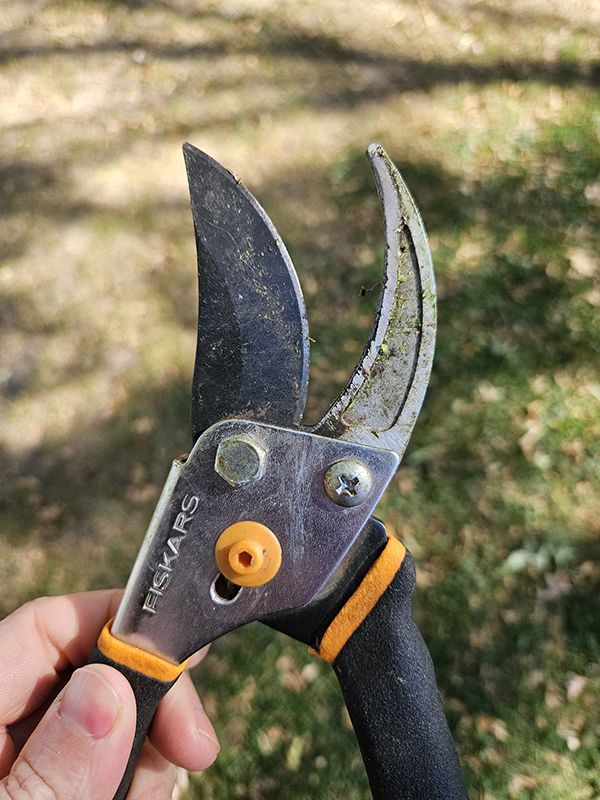
For most plants, pull out the entire plant as well as the roots. However, for green beans, we like to cut them off right at the soil line. (My favorite Fiskar pruners make quick work of this chore – Product Link: Fiskars Bypass Pruning Shears.) This allows the roots to continue to add nitrogen back to the soil as they decompose.
Cleaning Diseased Plant Materials Out Of The Fall Garden
Any plants that are diseased should be removed as soon as possible. Do NOT add them to your home compost pile. Unfortunately, most compost piles cannot get hot enough fast enough to kill off any pathogens that might be still hanging around on the dead plant matter.
In addition, dispose of any and all tomato and pepper plant materials. As stated earlier, they are known for harboring diseases and are better left out of your compost pile.
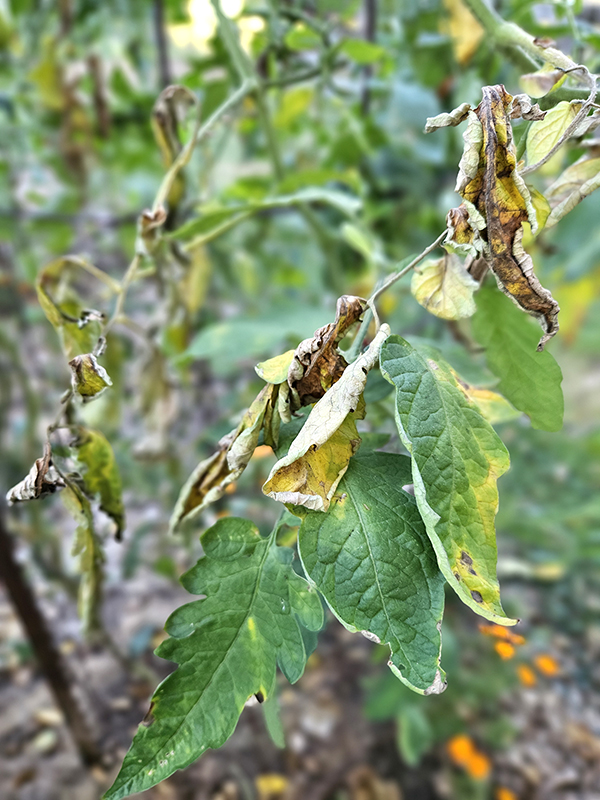
What I like to do instead is have a pile a ways away from my compost pile where I dump these plant materials. That way, I am not adding to the landfill totals but at the same time, I am keeping those diseases away from my garden. Another option would be to burn the dead plant matter.
Chop up any plant material you do end up adding to your compost pile. This allows it to break down that much quicker.
#3 Remove All Seeds – Cleaning Out The Fall Garden
In addition to removing the plants themselves, you also need to remove any fruit or vegetables that have fallen onto the soil.
Just think of all the seeds that are inside of one tomato. As the fruit decomposes, it provides the perfect place for the seeds to overwinter. Then, once spring arrives and the soil temperatures rise, those seeds will germinate and turn into tons of volunteer plants.
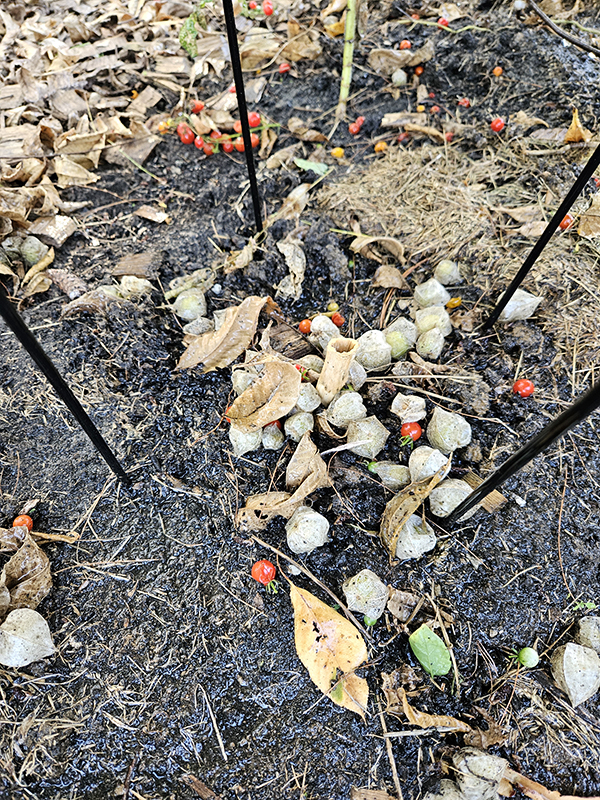
While that might not seem like such a bad thing (hey, plants for free!), the odds of those plants turning into the same variety or even growing in locations in your garden where you actually want them to grow are low. They basically end up as weeds that you then have to pull.
This also applies to any flower seed heads as well. You can leave some behind to help feed the birds during the early winter months. Just keep in mind that you might end up with volunteer plants from those stray seeds as well.
#4 Prepare Perennial Plants For Winter
Next, you want to take steps to prepare any perennial plants you have for winter. As much as I wish I could give you broad instructions here, the care you give each plant will depend on that plant.
For example, with hostas, you want to wait until the foliage starts to die back. Then you can cut them down to a few inches above the soil line. However, for plants like rhubarb, you don’t want to do anything to the plant until the foliage dies back naturally. Then you can remove it.
Most perennial flowers like coneflowers and marigolds can be left as is. This will help to feed the birds with any remaining seed heads. It will also allow the plants to self-sow and repopulate the growing space – that is if you want more flowers there next year.
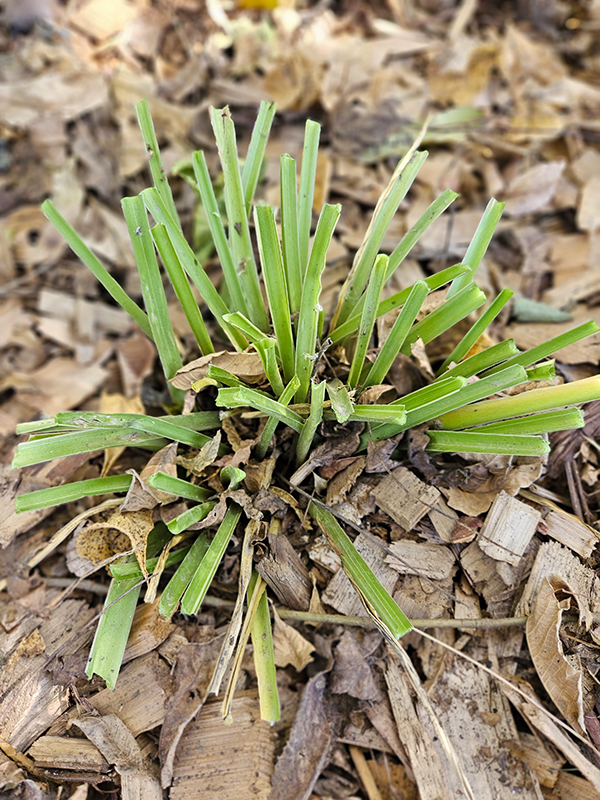
However, some flowers like peonies and lilies should be cut back to a few inches above the soil. So, for best success, research each type of perennial you have and the proper care you should give it before winter arrives.
#5 Weed One Last Time
Now that all of the plant materials are out of the garden, it’s time to weed one last time. This is the chore that most people dread but it is important when cleaning out the garden in the fall.
Hopefully, if you used mulch during the summer growing season, you don’t have a ton of weeding to do. But for those who didn’t use mulch or those of us who let the mulch break down too much (*raises hand this year*), you might have some hand-pulling to do.
If your soil is extremely dry and compacted, water it a few hours before weeding. This will help to loosen everything up and make pulling a lot easier.
#6 Add A Cover Crop – Cleaning Out The Fall Garden
This is a task that I started several years ago and have done every year since. Cover crops are so important for gardens that I devoted an entire article about them: “Planting A Garden Cover Crop – Protect And Improve Your Soil“
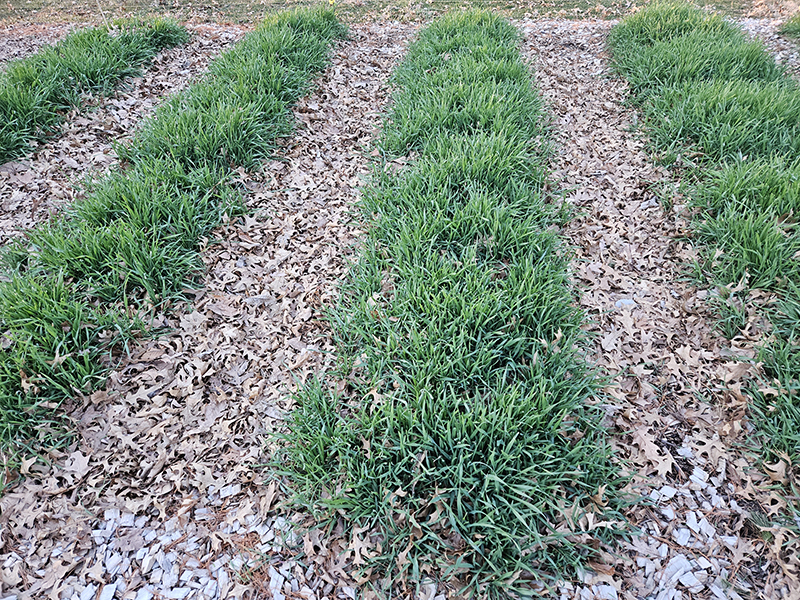
So in addition to weeding, I also give my growing rows a light till one last time before winter. I only go down a couple of inches deep because our soil is clay-like and compacts horribly. If you have loose soil, then you can get away with using a rake to loosen up the top inch or two of the soil. I need bigger guns than that to prepare it for planting.
Once the soil is loose, I add my cover crop seeds. We have tried a variety of different cover crops, but my favorite to use is winter rye. It overwinters well here in Illinois and does a great job of improving the soil while protecting it at the same time. (Product Link: Mountain Valley Seed Company Winter Rye)
#7 Clean Your Tools & Equipment
Last but not least, you need to clean your garden tools and equipment. You will be so glad you took these extra steps once spring rolls around finally!
Remove any supports or cages from your garden space. While we leave up our more permanent arched support, we take down and put away all of our tomato and pepper cages. We also pull any stakes we have put in the garden since we rotate our crops each year.
The same goes for pots and containers. While it might seem like a hassle, it’s much easier to clean and disinfect those products now as opposed to waiting until spring arrives.
(Although I’ve been guilty of putting this task off myself and only end up dumpling the soil. Adding the spent soil to your compost is a great way to recycle and recharge it for next year’s use.)
When it comes to your pruners, clean each one as needed. Then, wipe them down with a disinfectant cloth or spray to remove any traces of diseases that might transfer to next year’s plants. Oil, grease, or sharpen any that need repairing. (Product Link: Clorox Disinfecting Wipes)
By taking these seven simple steps and putting in a little work now, you can have your garden in the best shape possible for a wonderful growing season when spring finally arrives!
Until next time, thanks for stopping by!
– Chelsea