
If you want to get started raising backyard chickens, you might be wondering whether you need a rooster in order for your hens to lay fresh eggs. It’s one of the most common questions new chicken keepers ask, and also one of the biggest misconceptions about raising hens.
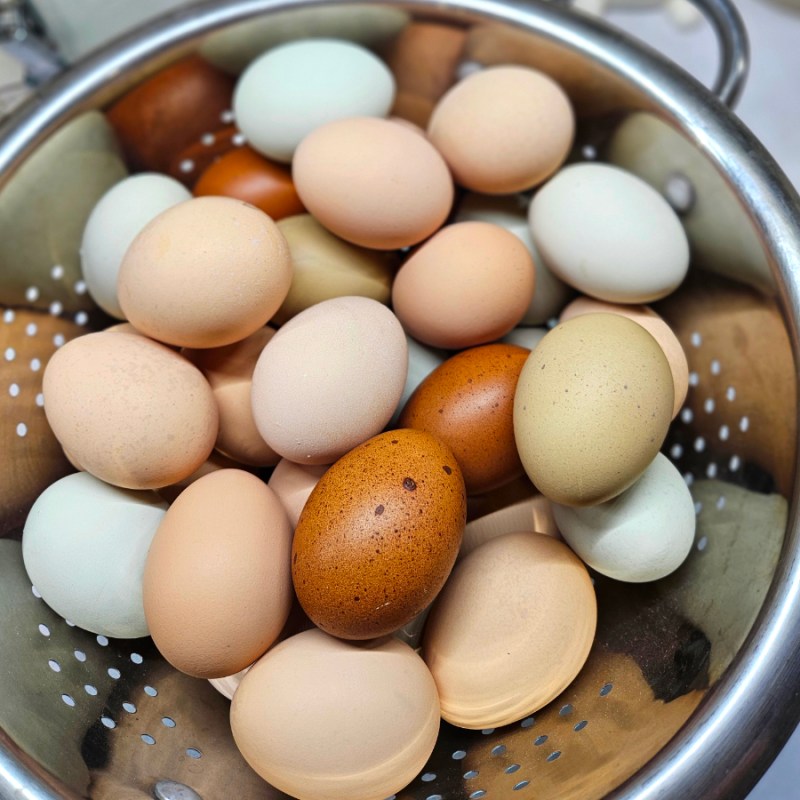
The short answer is that no, you do not need a rooster for hens to lay eggs. Hens will naturally lay eggs on their own regardless of whether a male is present or not. A rooster is only needed if you want fertilized eggs that can hatch into new chicks. Well, that and a rooster helps protect the flock.
In this article, I’ll talk about chicken terms, how hens lay eggs without a rooster, the difference between fertilized and unfertilized eggs, and answer a few questions and misconceptions that come with raising backyard chickens. That way, you can decide whether adding a rooster to your flock is the right option for you or not.
Chicken Terms You Should Know
Before I get into how hens lay eggs, I want to quickly cover a few chicken terms that go along with raising chickens. Sometimes, these terms are used interchangeably and can cause some confusion for people. These terms are based on the bird’s gender and age.
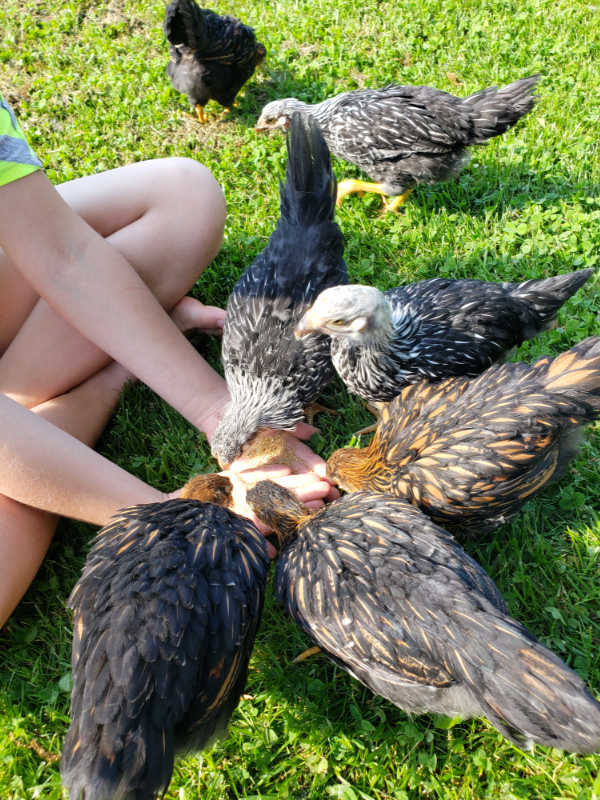
- Chicken – The species that all the birds are. They can be either male or female. It’s like saying “humans” for you and me.
- Hen – A mature female chicken that lays eggs. They are usually over a year old. (Side Note: In the title of this article, I wrote “do chickens need a rooster to lay eggs” since most people refer to female birds as chickens and not hens. The term “hens” is actually the correct one to use.)
- Rooster – A male adult chicken that is capable of fertilizing eggs. They are usually over a year old. Another term for them is Cocks.
- Chicks – Baby chickens that can be either male or female. (With many chicken breeds, you can’t identify the gender while they are chicks.)
- Pullet – A female “teenage” chicken that hasn’t laid any eggs yet in her lifetime. They are usually under a year old.
- Cockerel – A male “teenage” chicken. Like a pullet, they are usually under a year old.
- Capon – A rare term that you likely won’t come across much, or at least I haven’t. A capon is a surgically castrated male chicken that is usually used for meat.
Please Note: I do not own a rooster, so I don’t have images of roosters or fertilized eggs to show you. You can find images of fertilized eggs at Purdue University here.
How Hens Lay Eggs
The process of a hen releasing eggs (also called ovulation) is a part of their natural reproductive cycle. Think of it like a human female. We release eggs without the assistance of a male. A hen’s body also releases eggs regardless of whether a rooster is in their flock or not.
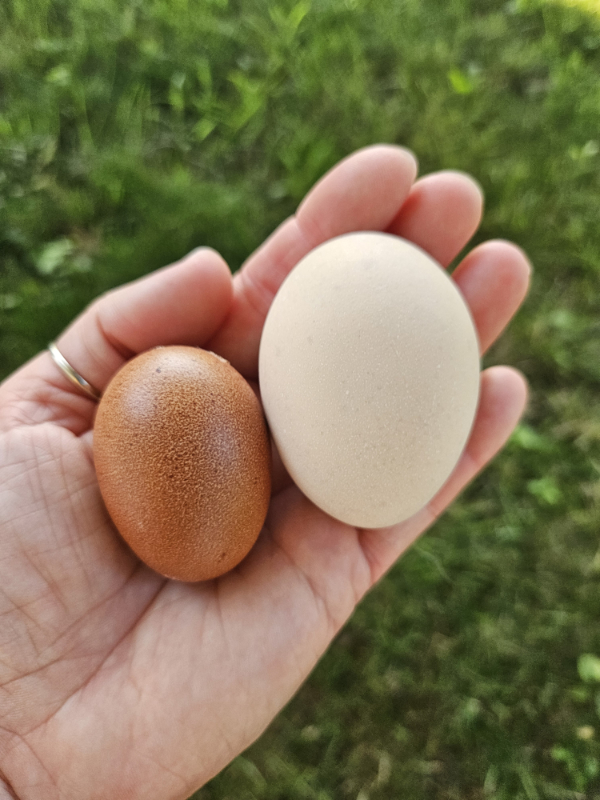
But instead of a human releasing an egg roughly every 28 days or so, a hen releases an egg roughly every 24 to 28 hours. Due to this quick cycle, one hen lays around 5 to 6 eggs each week. The actual amount of eggs your bird lays will depend on their age as well as their breed.
A hen’s prime egg-laying years are usually within the first 2 to 3 years. As they age, the number of eggs they produce greatly reduces. Just like humans, hens are born with all the eggs they are going to lay already in their bodies. Once those are gone, they can’t lay any more.
As far as breeds go, some chicken breeds lay more eggs than others. For example, Rhode Island Reds lay around 250 to 300 eggs each year while Silkies only lay around 100 to 150 each year.
If there is no rooster there to fertilize the eggs, then that just means you will get unfertilized eggs. We do not have a rooster in our flock because we aren’t allowed to have one within city limits. (We are on the outskirts of town but still technically in city limits.
How Mating Works – Do Chickens Need A Rooster?
If you do have a rooster, here is how the act of mating occurs. First, the rooster will make advances to attract the hen. This can be done by offering a hen food and/or by doing a type of dance shuffle around her.
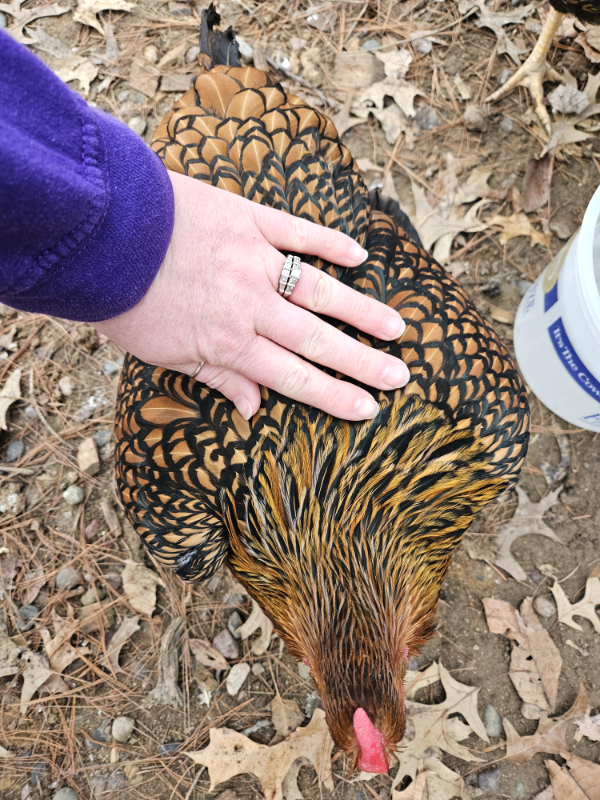
If the hen is accepting of the advance, she will squat down and spread her wings out. This is referred to as a “submissive squat”. Hens can also perform a submissive squat for humans they consider to be dominant. Side note: If you see one of your pullets performing a submissive squat when you walk near them, they are almost ready to start laying eggs!
The rooster then climbs onto the hen’s back and steadies itself by grabbing the feathers on the back of the hen with its beak or claws. This act can sometimes injure hens, especially if a rooster favors one particular hen and mates with her frequently.
The Actual Act & Anatomy
In terms of anatomy, both male and female chickens have what’s called a “cloaca”. Also known as vents, these cloacae are used for expelling waste, egg laying, and reproduction. In order for the chickens to mate, the rooster touches its cloaca to the hen’s while he is on her back. This touching of vents is called a “Cloacal kiss”.
A rooster does not actually have a penis. Instead, they have a small bump on their cloaca that’s called a “papilla”. During mating, the papilla is pushed out and transfers sperm to the hen’s cloaca.
After this very brief cloacal kiss occurs (I mean brief as in like less than a second), the male’s sperm gets transferred inside the hen. Sperm enters a hen’s vent and is directed up to special tubes within her oviduct.
It takes about a week for the sperm to actually fertilize an egg. A hen can also store the sperm for up to two weeks after a cloacal kiss to fertilize additional eggs.
Fertilized Eggs vs Unfertilized Eggs – Do Chickens Need A Rooster?
From the outside, there is no visual difference between a fertilized or unfertilized egg. You have to actually crack an egg into a bowl or pan in order to see if an egg was fertilized or not.
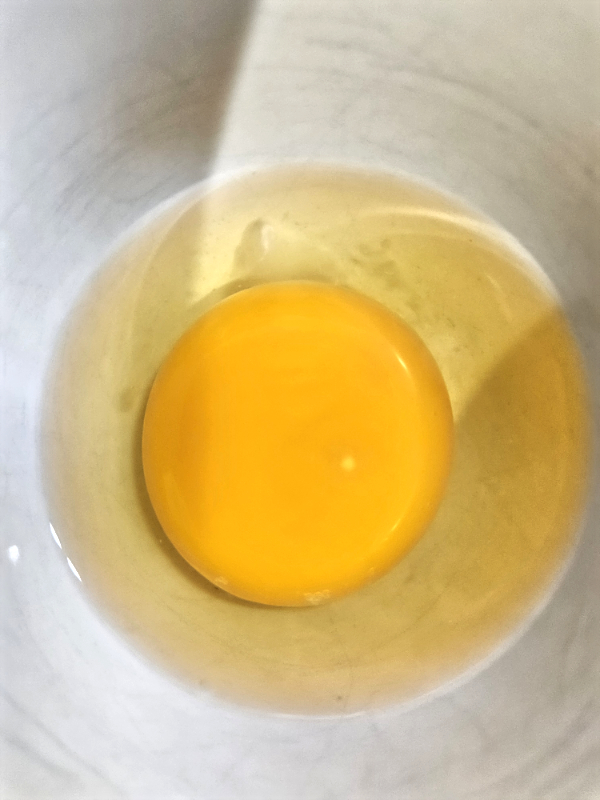
An unfertilized egg will have a small solid white spot on the yolk called a blastodisc. A fertilized egg will have a blastoderm, which looks like a small circle with a dot in the center, kind of like a bullseye.
In terms of embryo development, special conditions have to be met in order for a fertilized egg to become an embryo. For example, the egg has to be kept in either an incubator or under a hen at a steady temperature of around 99.5º Fahrenheit for 21 days in order to grow into an embryo. (If the egg has been incubated, you can also candle the egg to see if there is a developing embryo inside.)
Both unfertilized and fertilized eggs are completely safe to eat. There is absolutely no nutritional difference between the two, and you cannot taste a difference either.
With fertilized eggs, make sure you collect eggs regularly and don’t allow a hen to become broody if you have no interest in raising chicks. If you are really nervous about it, refrigerate your eggs if you have a rooster. By doing that, there will be no chance of finding a developing chick in your morning breakfast – something no one wants to experience!
Additional Responsibilities Of Roosters – Do Chickens Need A Rooster?
In addition to fertilizing eggs, a rooster has other jobs. Its second main job is to protect its flock and to watch out for predators. Think of him as a type of watchdog that looks out for his ladies.

A rooster is constantly on the lookout for predators or issues that might harm the flock. If he sees or hears any, he will sound the alarm and alert the flock of danger so the hens can run for cover.
In addition, a rooster will also offer hens food through a process called “tidbitting”. If the rooster spots food, he will peck the ground and make sounds to let the hens know there is food nearby. Often, he will be the last to eat.
Lastly, a rooster helps to maintain order. Chickens live by a pecking order, where there is a hierarchy. The rooster will always be at the top of the list. He helps to control disputes and can help to prevent the hens from bullying those lower down on the pecking order.
If your flock doesn’t have a rooster like mine, sometimes a mature hen will step up and act like the dominant bird. This pecking order can change over time.
Should You Get A Rooster Or Not?
As for whether you should get a rooster for your flock or not, that is usually a personal choice. Or, it might be a choice that is made for you if you are like us and live within city limits. Most towns will allow chickens but not roosters due to their noise. (Although, in my opinion, hens can still make plenty of noise, but I digress!)
If you live outside city limits and plan on free-ranging your chickens, it might be a good idea to get a rooster. Or, if you plan on raising chicks to increase your flock’s population, then a rooster is a must-have.
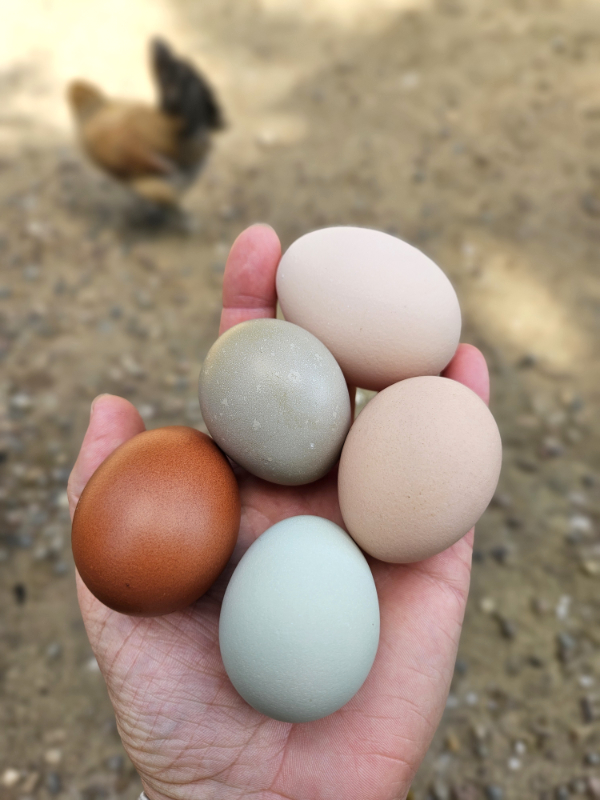
Just know that whether you have a rooster or not in your flock, you will still be able to enjoy freshly laid chicken eggs from your hens.
Until next time, thanks for stopping by!
– Chelsea
*This post may contain affiliate links. These are products I have used personally and highly recommend. As an Amazon Associate, I may earn a small commission from qualifying purchases if you purchase items through my links. These links and the ads on this page help to support my family and our semi homestead, so Thank You!
Discover more from Semi Homestead Life
Subscribe to get the latest posts sent to your email.