
See why it is so important that you harden off your indoor-started seedlings like tomato plants, pepper plants, and even some of your favorite flowers before planting them in your garden. Skip this important step, and you are likely setting your seedlings up for failure!
Here you are. You’ve carefully planted each tiny seed into small containers filled with loose soil. You’ve checked on them eagerly every few hours – I mean days – to see if any had started to germinate.
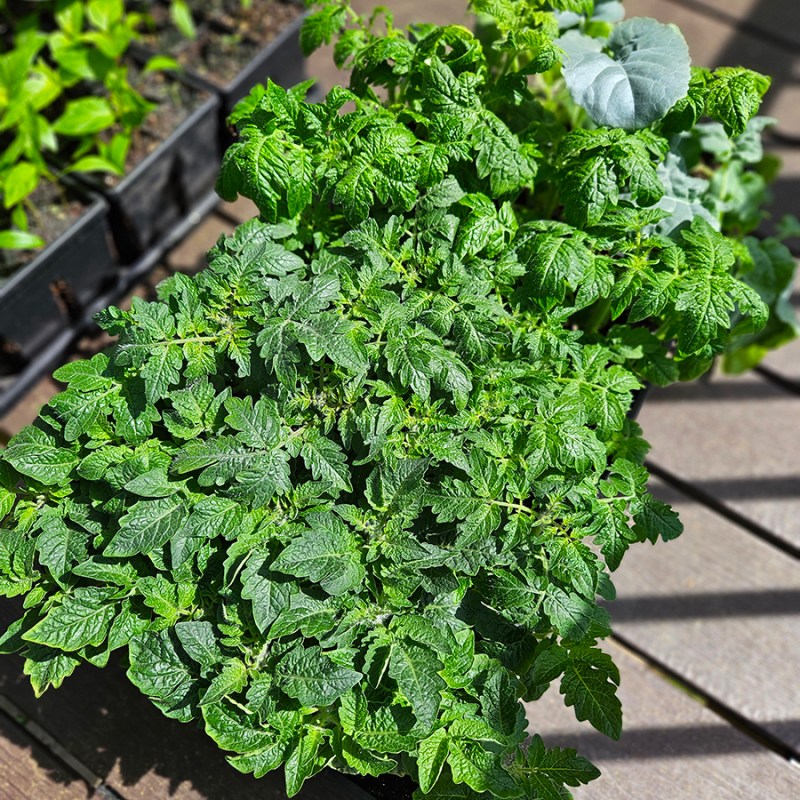
Once they did germinate, you positioned the grow lights just so and made sure the seedlings were properly watered for weeks while they grew bigger and bigger. And now that the weather has started to warm up, you rush the seedlings out to the garden and plant them right then and there!
But wait – not so fast! Before you take those pampered indoor-started seedlings outside into the harsh elements, there are a few things you need to keep in mind! Without properly preparing your seedlings for what lies outside, you might end up with a garden full of struggling – or even dead – plants!
That’s why it’s so important to harden off your tomato plants and other seedlings. I’ll show you why you need to harden off your seedlings and exactly how to do it so your plants are set up for success!
Why & How To Harden Off Tomato Plants And Other Seedlings
You’ve got to admit it. Those seedlings that you started indoors have a pretty pampered life!
They have nice, consistent temperatures day in and day out. They have perfectly bright lights that turn on for hours of the day and are never too harsh. When their soil dries out, someone is there to provide them with a cool drink of fresh water. A little feeding of fertilizer here and there, and their life is made!

Now, picture your garden during the spring months. If you live anywhere near the Midwest like I do, your spring weather is probably as temperamental as a toddler who desperately needs a nap! We can easily go from almost freezing temperatures during the nights to 70s during the day. Heck, sometimes we even reach 80º Fahrenheit during the months of April and May!
Not only do the temperatures fluctuate wildly in the spring, but the elements do as well. Here in Illinois, we recently recorded our windiest April to date (and I’m nowhere near the “Windy City”)! But besides wind, there is rain, hail, harsh sunlight, clouds, bugs, and even hungry birds to worry about.
If you were to take those pampered seedlings from their posh living arrangements indoors and plop them into your garden, 90% of them would likely not survive their first day, let alone their first night. So what’s a gardener to do? That’s where hardening off seedlings comes into play!
What Does “Harden Off” Mean?
“Hardening off” is the process of preparing your indoor-started seedlings for the elements of outdoor living. It’s moving from a sheltered and protected space to one that is out in the wide open.

Hardening off is a gradual process that should take about one to two weeks from start to finish when it is done right. By the time you are ready for planting in your garden, the seedlings will be strong, healthy, and ready for almost whatever Mother Nature throws at them!
In order to properly harden off your tomato plants and other seedlings, you need to count backward from the date you “hope” to plant in your garden. One week back is ok, but two weeks will allow your seedlings to become much stronger and all the more resilient.
Say your ideal planting date is May 15th. Count backwards two weeks from that date to give you May 1st. This is about when you should start your hardening-off process. (Or sooner if you do Step 1 below.) Be sure to keep your Last Frost Date in consideration.
Harden Off Tomato Plants & Seedlings In 4 Steps
Step 1: It All Begins Indoors
To start the hardening off process, I like to begin indoors. I actually start this process several weeks before I want to plant them outside, and not just two weeks before. Pretty much as soon as my seedlings are a few inches tall, I start strengthening their stems while still indoors.
To do this, grab a large floor fan and get it set up on an end table or something so it is about level with your seedlings. Keep it a few feet away from your plants and turn it on low. The fan’s movement of air will help to mimic the wind.

Now you don’t want your tiny seedlings to be bent over in half from the movement. They should just be fluttering a little bit back and forth. Move the fan back if needed. The fan will help to strengthen their stems without being too harsh. (Bonus points if your fan oscillates!)
Keep the fan on during the day while your lights are on. Move it around every few days so the plants get hit at different angles. This will help the plants start to be ready for the next step.
Step 2: Mini Day Trips Outside
When the daytime temperatures start to reach 55 to 60º or higher, it’s time to start sending the kids off to school. Err, I mean it’s time to start putting the seeds outside for a few hours a day. (This is what I try to start doing two weeks before I hope to plant.)
Every day for just a few hours, set your tomato plants and other seedlings outside to harden off. Keep them in a protected location where they can receive indirect sunlight. You don’t want to put them right into direct sunlight at first or else you might fry their delicate foliage. Also, keep them protected from any strong winds, rain, or other harsh elements.
If it starts to rain or gets overly windy, move them back inside. If the temperature suddenly drops, get them back indoors.
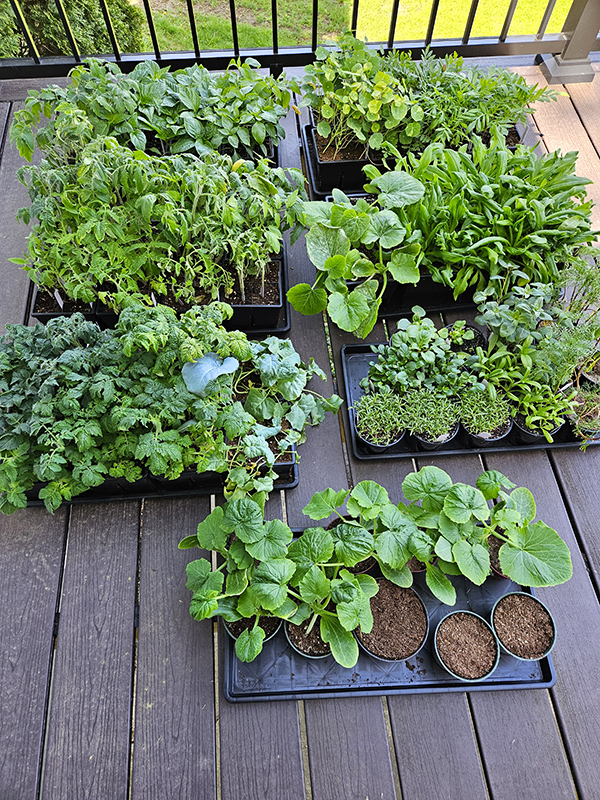
Yes, it can be a pain to move the plants back and forth, but it will be worth it in the long run. Trust me!
Check the plants over for signs of distress often. Look for any leaf discoloration, sunburn, wilting leaves, dried-out leaves, or any other signs of issues. Don’t worry if the plants look a little puny at first. Seedlings can bounce back if issues are caught quickly enough!
Step 3: Full Days Out
After a couple of days, start to move the seedlings into sunnier locations for a few hours. You can also start to put them where it might be a bit windier. Work gradually. Again, keep checking the plants to make sure there isn’t a lot of damage happening or ill-looking plants.
Increase this time daily or as your schedule allows. The goal is to get the plants close to their final destination within a week or two. So if you plan on planting them in your garden or raised beds, the seedlings should be hanging out in the same location by the end of the first week or the beginning of the second week.
Still bring the seedlings back inside during the nighttime if the temperatures are forecasted to drop below the mid-50s.
Step 4: All Nighters – Harden Off Tomato Plants & Other Seedlings
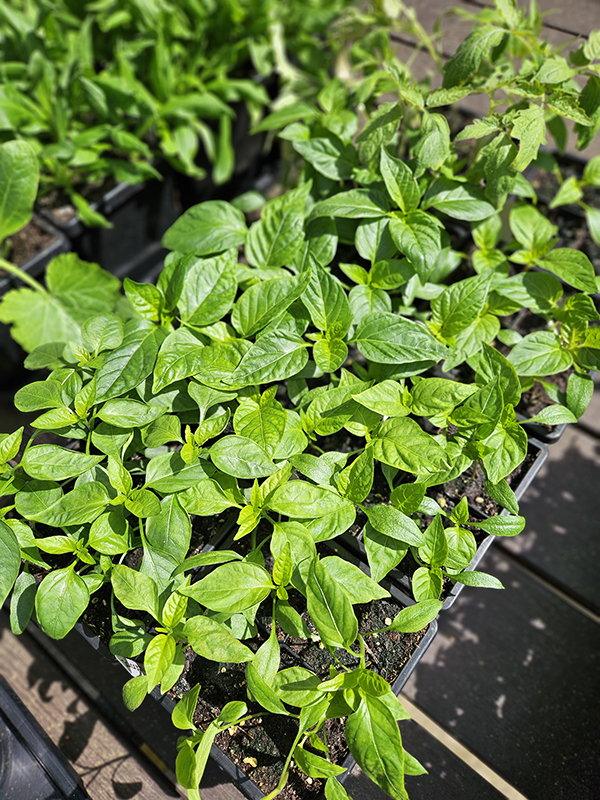
Finally, if the temperatures allow and there isn’t harsh weather on the way, start to leave your plants outside 24/7. If you have harsh winds or strong storms, bring them inside.
It’s really no different than if you were to cover up and protect newly planted seedlings that were already in your garden. In this case, you are bringing the seedlings inside to protect them. Again, I know it’s a bit of a hassle, but you will be rewarded with so much stronger plants by the end of two weeks!
During all of this transition, be sure to keep watering and fertilizing the seedlings as needed. Plants that are hanging out in the sunlight and in warmer temperatures will need to be watered more often than when they were indoors. It’s just something to keep that in mind.
Before you know it, your tomato plants and other indoor-started seedlings will be nice and strong and ready for planting in your garden!
Until next time, thanks for stopping by!
– Chelsea
*This post may contain affiliate links. These are products I have used personally and highly recommend. As an Amazon Associate, I may earn a small commission from qualifying purchases if you purchase items through my links. These links and the ads on this page help to support my family and our semi homestead, so Thank You!
Discover more from Semi Homestead Life
Subscribe to get the latest posts sent to your email.