
Tomatoes: They are definitely one of the most popular crops that almost all home gardeners are planting in their gardens each and every summer – and these tips will help get your plants off to the best start possible!
Whether you are a fan of huge slicing varieties that are perfect for topping those fresh BLT sandwiches or more of a paste tomato grower so you can create amazingly thick and flavorful tomato sauces, tomato plants are a must-have for most folks. (Or, maybe you are like us and grow a wide variety of different tomatoes just so you can cover all of their great uses!)

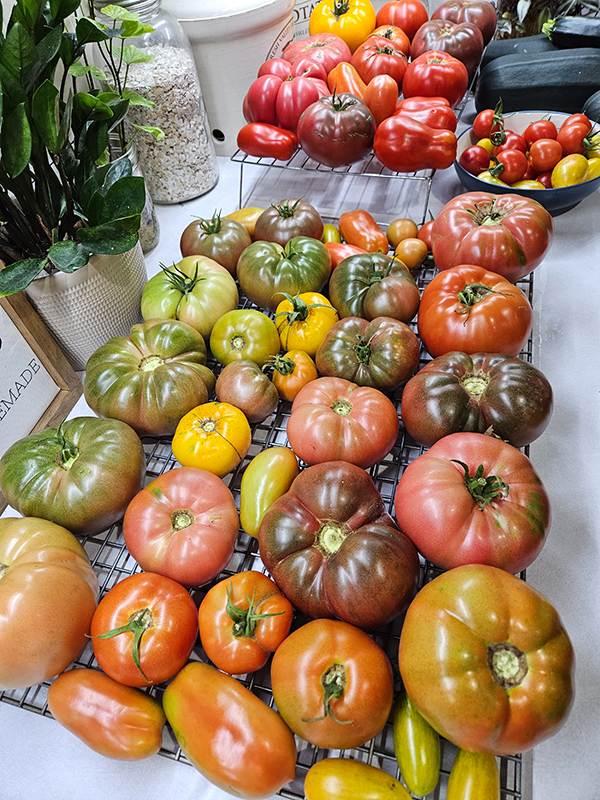
Either way, there’s nothing quite like walking out to your garden and seeing those shiny globes of red, orange, yellow, pink, purple, or even green growing on your plants. One single tomato plant can be enough to provide you with plenty to harvest all summer long.
But in order to have healthy and strong tomato plants that keep producing all summer, you have to set the stage for success right from the start. This means taking a few extra steps to make sure they get off to the best start possible on planting day.
By following these 6 simple tips, your plants will be well on their way to establishing quickly and providing you with loads of fruit all growing season long!
6 Tips For Planting Healthy & Strong Tomatoes
1: Patience
This can sometimes be one of the hardest parts of planting tomatoes or any crop, for that matter. It can be so tempting to get those little transplants into the ground the minute the first warm day is forecasted on the weather.
However, you are better off having a bit of patience and waiting until you know 100% sure your area is in the clear of getting any late-season frost. For our location here in Growing Zone 5, that means waiting until at least mid-May before planting our garden. This timeframe will vary depending on your location. (You can find your zone and date here.)
Even once you know your last frost date, you still might need to practice a bit of patience. Instead of going solely off of a date on a calendar, you also need to be looking at the temperature. Both the outside air temperature as well as the soil temperature are extremely important.
The daytime air temperatures should be consistently around 65º Fahrenheit (F) or warmer for planting tomatoes. In addition, the soil should be at least 60º F as well. Tomatoes planted in warmer soil can get established quickly and start to produce new roots and new growth.
2: Hardening Off Transplants – Tips For Planting Tomatoes
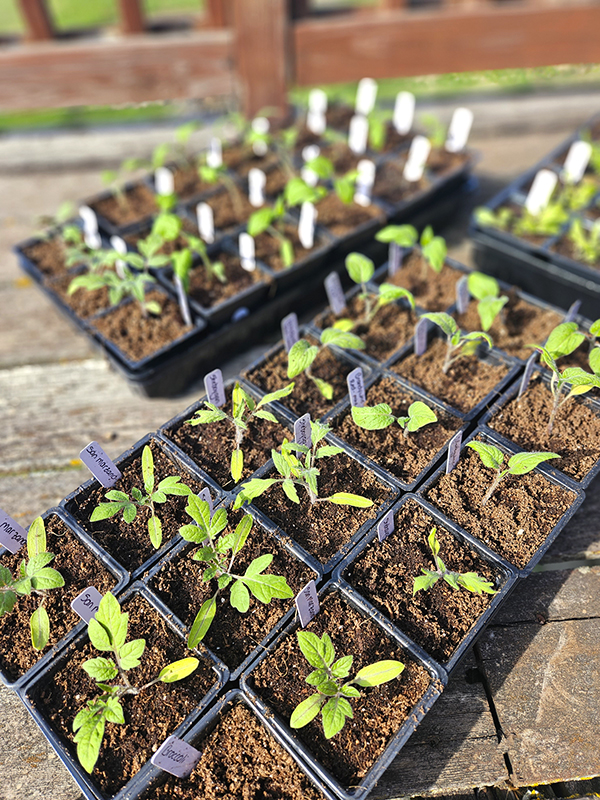
Along with patience comes the need for hardening off your transplants prior to planting. Whether you purchase your tomatoes from the local garden center or start the seeds yourself indoors, you need to harden off your plants before getting them into the ground.
This is the process of getting the plants used to the outdoor elements over time. Otherwise, they can go into shock the minute they hit the soil.
Just think about it. Thus far, they have been growing in climate-controlled environments. This is especially the case if they have been indoors. No wind, no rain, and no hot bright sunlight bearing down on them. It can be quite a shock to go from that pampered life into the “real world”!
To read more in-depth on how to do this, check out my article, “Starting Your Garden Seeds Indoors Series – Part 3: Hardening Off”.
3: Amend The Soil
Now that the air and soil temperatures are ideal and the plants are used to the outside elements, it’s time for planting, right? Well, almost! First, you want to amend the soil prior to planting.
Tomatoes are heavy feeders, especially when they are producing fruit. So the best thing you can do for your tomato seedlings is to plant them in loose, fertile soil. Even if you have amazing soil, chances are it has been depleted from the previous year’s growth.
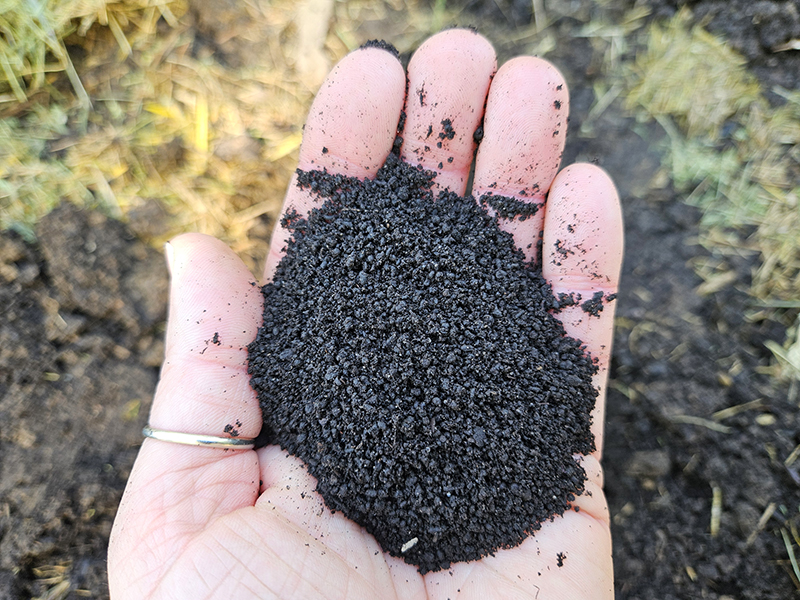
To help replenish it and add more organic matter to the soil, work in a few inches of finished compost into each planting hole. In addition, I like to place a nice handful of worm castings into each planting hole. The castings are loaded with organic matter and help create soil that has better water retention. (Product Link: Earth Science Earthworm Castings)
The combination of the compost and worm castings will provide the tomato plants with plenty of nutrients that the young seedlings can easily absorb and start using right away.
4: Plant Deeply – Tips For Planting Tomatoes
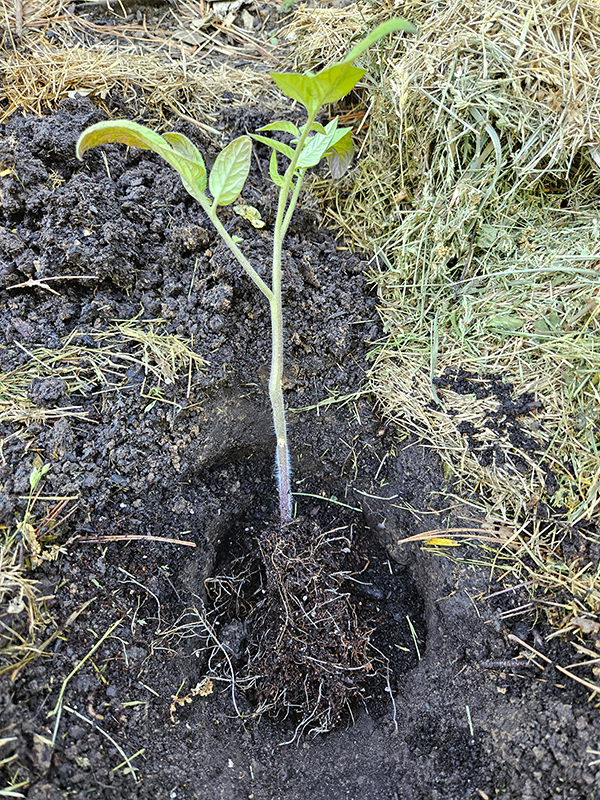
NOW we are finally ready for planting! The next tip for planting tomatoes is all about planting the seedling deeply. Tomato plants can produce roots all along the entire length of their stems. The more roots the plant has, the healthier the plant will be.
Having a large root structure is important for several reasons. First, it helps to keep the plant from toppling over during strong winds or heavy rains. All tomato plants can get rather heavy when they are loaded down with ripening fruit. Even when using supports and cages, the plants can still fall over.
Also, having a good root structure allows the plants to absorb plenty of water and nutrients from the soil. The more nutrients available will help plants grow healthy and strong.
I typically like to plant tomato seedlings so that half of their stem is under the soil. You don’t even have to worry about removing any leaves or branches from the stem. Just plop it into the soil and backfill like normal.
5: Water & Mulch
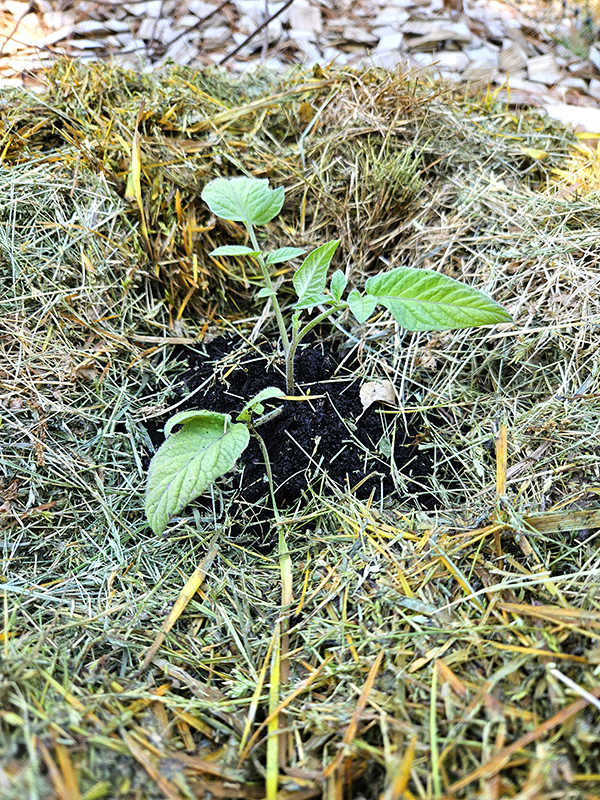
Water the newly planted tomato deeply. This will help the soil to settle in around the roots and encourage fast growth.
During the first two weeks after planting, water every couple of days, if not daily when the weather is warm. Avoid watering overhead when possible. This helps to keep the leaves from getting saturated.
After those first two weeks, dial back on the watering to about twice a week, depending on rainfall. Watering plants deeply and less often will help to encourage the roots to grow deep into the soil.
In addition to watering, add several inches of organic mulch around the base of each plant. The mulch will help to retain moisture, regulate soil temperatures, and help to keep competing weeds at bay. Use materials like straw, shredded leaves, or my favorite, grass clippings. Just keep the mulch a few inches away from the stem of each plant.
6: Add Tomato Supports – Tips For Planting Tomatoes
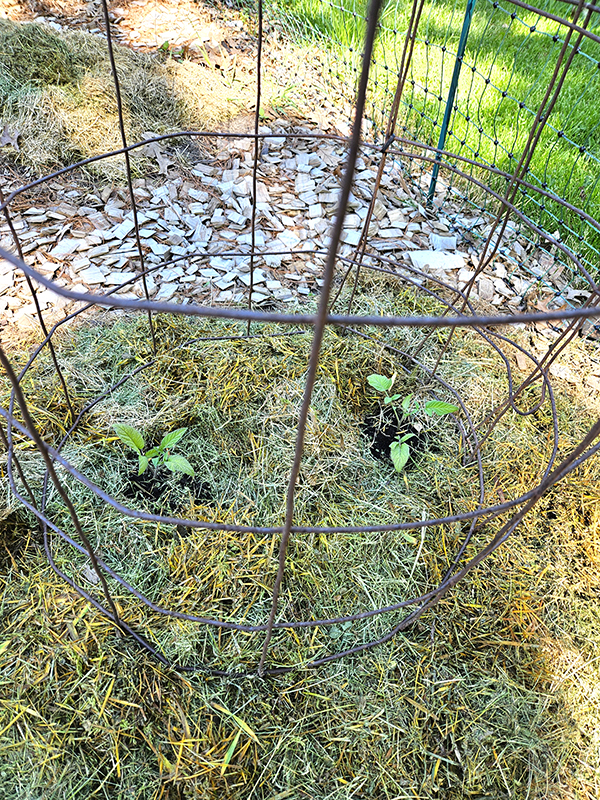
Lastly, when you plant the tomatoes is the best time for adding the cages or supports. If you wait until the plants are bigger before adding them, you risk damaging their roots.
You can use all sorts of materials to support tomato plants. We use these large industrial cages made of wire. You can also use cut-up cattle panels and t-posts, stakes and ties, the Florida Weave, or other types of sturdy supports. Just keep in mind the plant’s mature size when picking out your supports.
Dwarf tomato varieties like Orange Hat tomatoes don’t require supports at all since they only grow to be about 12 inches tall. Some other determinate tomato varieties also don’t require support. Indeterminate tomatoes, on the other hand, grow on long vines all summer long. They require tall supports to help keep their stems and fruit up off the soil.
Hopefully, you can keep these six tips in mind when planting your tomatoes this year so you can end up with healthy and strong tomato plants that produce amazing fruit for you all growing season long!
Until next time, thanks for stopping by!
– Chelsea
*This post may contain affiliate links. These are products I have used personally and highly recommend. As an Amazon Associate, I may earn a small commission from qualifying purchases if you purchase items through my links. These links and the ads on this page help to support my family and our semi homestead, so Thank You!
Discover more from Semi Homestead Life
Subscribe to get the latest posts sent to your email.