
While starting seeds indoors in late winter and early spring sounds tempting, there are actually some seeds that you can start indoors and others that you need to plant directly in the garden. Then, of course, there are a few that can be done either way, depending on your garden situation and location. So what seeds are what?

Even though we are in the midst of winter, it doesn’t mean that you have to put everything on the garden front on hold. When the air outside is still crisp and cold, it’s the perfect time to get some of your garden seeds a head start indoors – “some” being the keyword there.
I have started seeds indoors for the last several years. Not only does starting vegetables and flowers by seed allow me to get my hands in the soil long before I can go outside and do it, but starting seeds also opens up a huge array of different varieties as well as crops that I wouldn’t normally be able to include in my garden.
However, you shouldn’t start all crops indoors. In fact, there are some crops that will downright struggle. Most will end up dying if you try to transplant them into your garden as opposed to planting seeds directly.
Here’s a look at some of the best crops to start indoors with seeds, and which crops you should hold off and wait until it warms up to plant directly in your garden or raised beds instead.
Info On Starting Seeds Indoors
If you live in a colder climate like we do here in the Midwest, your growing season isn’t super long. That means you have to give some of your plants a head start on growing. This allows them enough time to produce fruit or vegetables before the first frost hits. We do this by starting the seeds indoors and then planting the transplants into the garden once it has warmed up.

Sure you can pop on over to your local garden center or big box store to buy your transplants. (Side note, please support local businesses when you can!) These stores and businesses are always teeming with transplants and young seedlings growing on their shelves.
However, you are limited to just those varieties and crops that you can find in stores. And let’s not get into just how expensive it can be to purchase a garden full of transplants!
In fact, there are several advantages to starting seeds indoors in the late winter and early spring months. I’ve written multiple articles on this subject, including a complete guide for beginners. So be sure to check those out if you want step-by-step information and tips.
- Indoor Seed Starting 101 – A Complete Beginner’s Guide
- Starting Your Garden Seeds Indoors Series – Part 1: Sowing
- Starting Your Garden Seeds Indoors Series – Part 2: Growing
- Starting Your Garden Seeds Indoors Series – Part 3: Hardening Off
- Seed Starting Supplies – 5 Things You Need To Start Seeds Indoors
Why Some Seeds Are Better Directly Sown
There are a few reasons why some plants just don’t do well when you start them indoors and then transplant them in the garden.
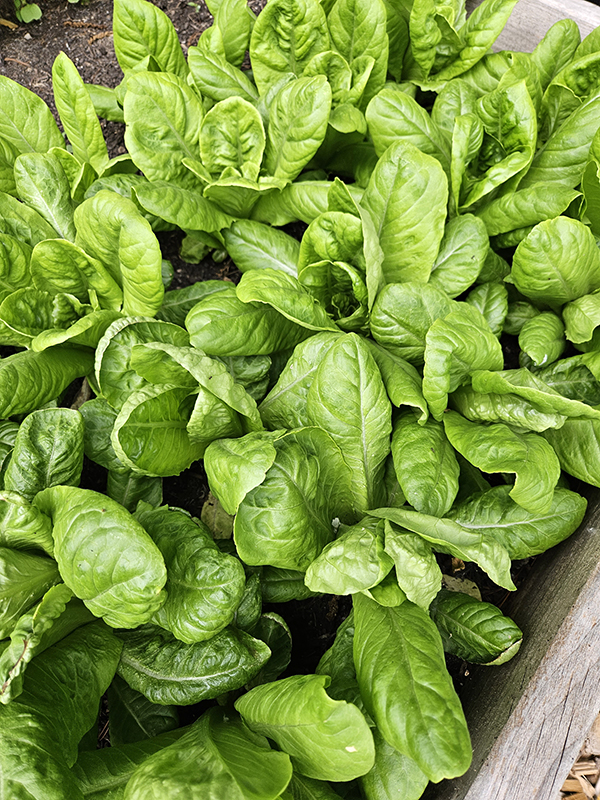
Some plants are more sensitive when it comes to being transplanted. Normally, it’s because they don’t like their roots being tampered with. Their roots can cause a setback in their development if they are messed with. And, moving from a warm and cozy indoor location out into different soil and elements is quite a disturbance!
Not only can this leave the plants weakened, but they are also much more susceptible to pests and diseases. In addition, it can also result in overall stunted growth, a reduction in bloom production, and misshapen fruit or vegetables.
With other crops, they have such a quick growing period from germination to maturity. There really is no need to mess with starting them early. Doing so is simply a waste of materials, time, and space. Lastly, some seeds are just so tiny and delicate that it would be almost impossible to transplant the seedlings from one location to another.
Seeds Varieties To Start Indoors
In most situations, the following crops grow best when you start them indoors a few weeks before your last frost date. You can find out your last frost date by visiting here.

Broccoli, Brussels Sprouts, Cabbage, Cauliflower & Kale – The members of the brassica family can all be easily started indoors and transplanted outside. Young plants can handle light frosts and their roots don’t mind being lightly disturbed. Start these seeds 6 to 8 weeks before your last frost date.
Celery – This is such a long-season crop that it is best if you start celery seeds indoors. In fact, it’s one of the first crops to start during the late winter months. About 10 to 12 weeks before your last frost date to be exact.
Eggplant, Peppers & Tomatoes – These crops are members of the nightshade family. They take a long time to go from germination until they produce fruit. In addition, they are very sensitive to colder temperatures and frost. Because of this, start the seeds indoors 6 to 8 weeks before your last frost date.
Seeds To NOT Start Indoors
Most of these crops have sensitive roots that can’t handle being transplanted. The good news is that most grow really easily from seed, so there is no real reason for wanting to start them indoors in the first place.

Beans – Beans have very fragile roots that do not handle transplanting at all. Most often, the plants will end up dying if replanted. Luckily, since they are such fast growers, there really is no need to start them indoors anyway.
Beets, Carrots & Turnips – These three are all types of root crops that don’t like their roots being messed with at all.
Dill & Parsley – Dill and parsley both put out long tap roots that don’t like to be disturbed. You can, however, start these two crops in large pots or containers. Then just move the containers outside as the weather warms up.
Peas & Radishes – Peas and radishes are two of the best cold-tolerant crops out there. They also grow relatively quickly, making them perfect for starting directly in the garden as soon as the soil is workable.
Corn – Like most of the other crops on this list, corn is also one that has sensitive roots. Sweet corn, ornamental corn, and popcorn seeds should only be planted directly in the soil.
Seeds To Start Indoors OR Directly Sow
There are a few crops that can be either started indoors or directly sown in the garden. If starting indoors, use a biodegradable pot or container to help avoid disturbing their roots when transplanting. Whichever method you choose, ensure that the soil is warm enough before transplanting seedlings into the soil or planting seeds.
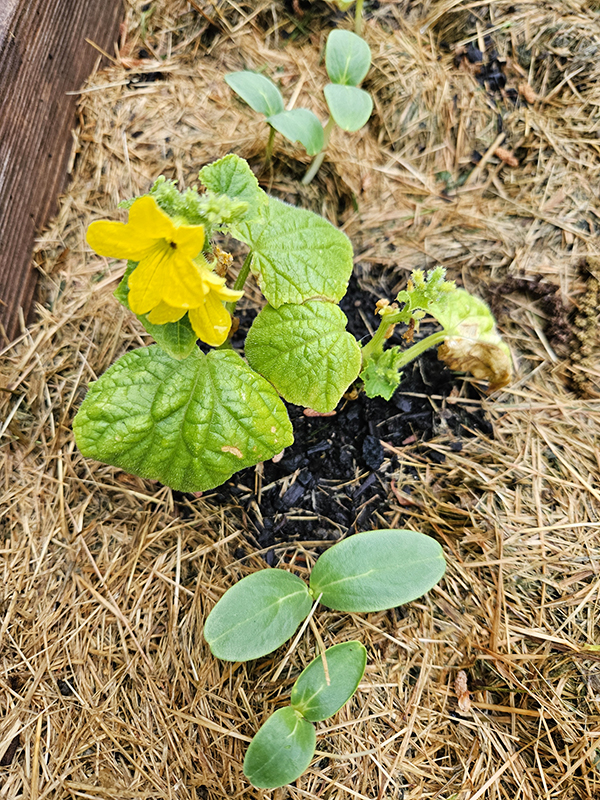
You can always try to start a few seeds inside and then also plant a few seeds directly when you go to transplant them into the garden. I’ve done that with crops like cucumbers and squash. It allows me to compare which method does better. Often, I don’t notice a difference between the two. However, it’s nice to know what works for my particular garden and situation.
Cucumbers – Cucumbers take around 48 to 70 days from the time they germinate to when you can start harvesting from them. If starting them indoors, plant the seeds around 3 to 4 weeks before your last frost date. If sowing the seeds directly outside, wait until the soil reaches a temperature of around 65 to 70º Fahrenheit.
Melons – Melons are a temperamental crop that can struggle to be transplanted. However, due to having a shorter growing season, you might not have the time to plant the seeds directly in the garden. Start seeds about 2 to 4 weeks before your last frost date.
Pumpkins & Squash – Both of these crops can be a bit picky when it comes to their roots being messed with during transplanting. If the particular variety takes a long time to germinate (often called “days to maturity” on the seed packet), start the plants indoors. Otherwise, wait until the ground warms up before planting them outside.
The Takeaway
While this list isn’t a hard-and-fast rule, you can use it as a guide to show you what seeds typically grow great when you start them indoors and which won’t fare so well. Experiment and see what works for you and your growing situation.
As I mentioned above, there are some crops that I start indoors as well as plant some of the seeds directly in the garden. Find out if one method works better for you and go from there. Experimenting and learning are two of the best parts of gardening!
Until next time, thanks for stopping by!
– Chelsea
*This post may contain affiliate links. These are products I have used personally and highly recommend. As an Amazon Associate, I may earn a small commission from qualifying purchases if you purchase items through my links. These links and the ads on this page help to support my family and our semi homestead, so Thank You!
Discover more from Semi Homestead Life
Subscribe to get the latest posts sent to your email.