
Sure rabbits are fuzzy and cute, but most gardeners prefer to deter them from getting into their garden space. Since some of their favorite treats to dine on are freshly planted or germinated seedlings, springtime can be a hard time for gardeners.
Rabbits can wreak havoc on all sorts of different garden crops and be a big nuisance to gardeners. Everything from vegetables, herbs, lettuce, and fruit is part of their daily menu. (There’s a good reason why My. McGregor exists in children’s literature.)
But it’s not just gardeners that can see the destruction from these adorable pests. Even homeowners can find damage to the bark of trees and shrubs from these hungry animals.
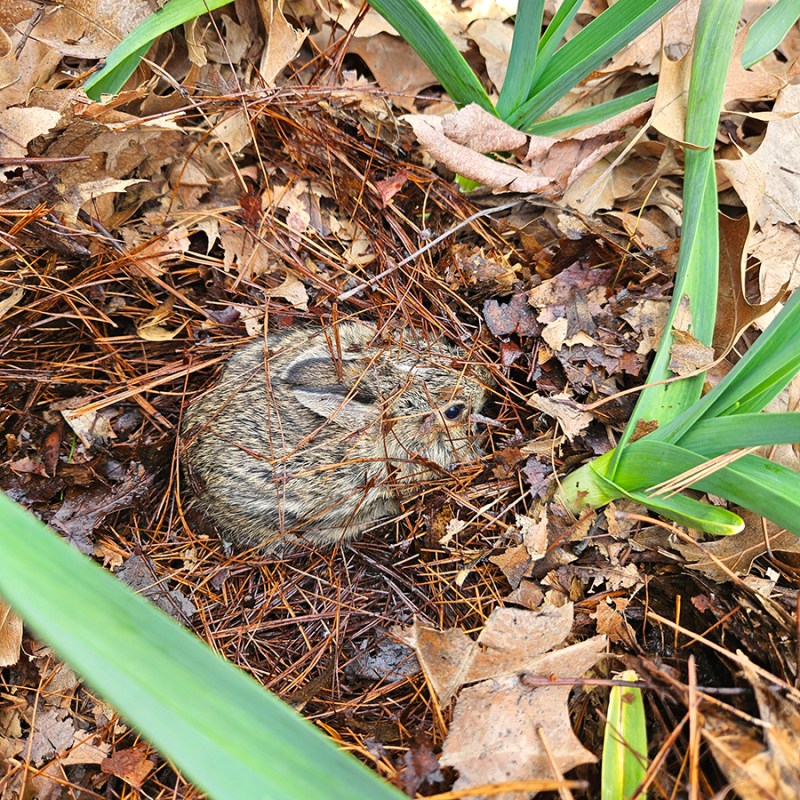
In fact, rabbits will eat almost any type of vegetation if the conditions are dire enough. But there are some plants that rabbits prefer and some that can help deter them. If plants fail to keep them away, there are other measures you can try as well.
Thankfully, none of these methods resort to extreme measures such as extermination. While it might take some trial and error to find a solution that works for your situation and your garden space, it will be worth it to keep your plants safe and nibble-free.
Tips To Deter Rabbits Without Extreme Measures
Why Rabbits Are An Issue
Aside from having rabbits consume your garden plants and vegetables, there are other reasons to try to deter them from your property.
Having one or two rabbits in your garden might not be a huge issue if you have a larger garden. However, it doesn’t take long for those two rabbits to turn into several.
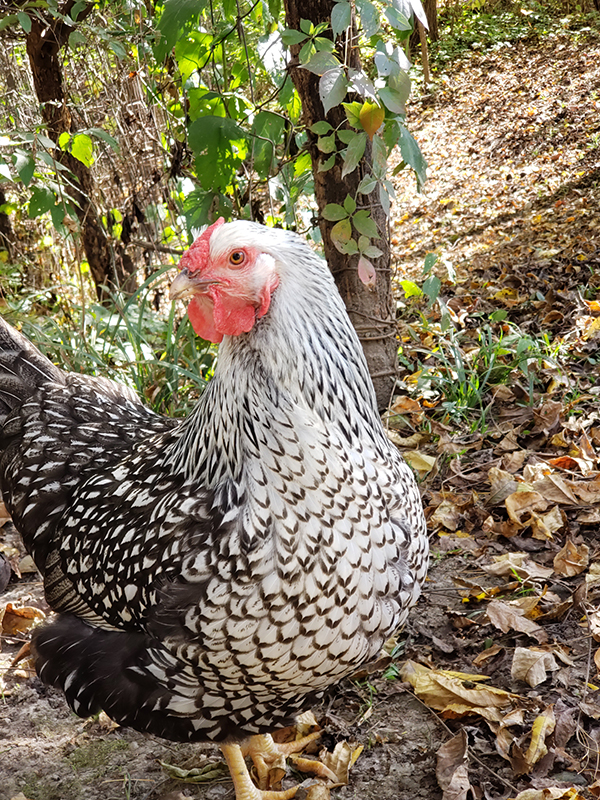
Rabbits are very efficient and quick reproducers. Each year, one female can produce up to three separate litters in northern locations and up to six in the south. In each of those litters, they can have an average of six babies. So it doesn’t take long for one or two rabbits to become a huge problem!
A rabbit’s main goal in life (aside from reproducing and eating) is staying alive. Besides just eating your plants, rabbits draw in several different types of predators that you likely don’t want around your property.
Coyotes, foxes, bobcats, weasels, raccoons, skunks, minks, rattlesnakes, hawks, dogs, and so much more are natural predators for rabbits. Having rabbits on your property is an open invention for these predators to invade your space as well. This is especially an issue if you have chickens or other livestock on your property or homestead that can become victims to these animals.
How To Recognize Rabbit Damage
Before you can start fixing the issue, you need to recognize what rabbit damage looks like to make sure that is the pest you are dealing with.
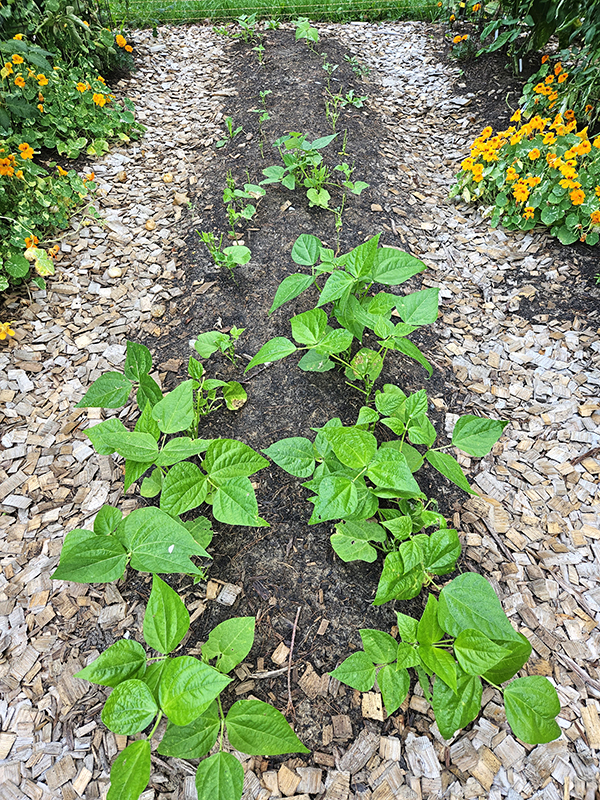
One of the most tell-tale signs is cleanly severed leaves and stems. With insect and other pest damage, typically you will see jagged edges and even bite marks or holes. But rabbits simply snip off entire stems and leaves in one bite. With young seedlings, plants are often chomped right down to the soil.
If you see damage like mentioned, check for burrows or holes nearby to rule out tunneling or soil-dwelling pests. Groundhogs and woodchucks can also be culprits of the same type of damage to similar plants.
Another tell-tale sign is the presence of rabbit feces. They look like tiny round dried balls. (In all honestly, they actually look like cocoa puffs.) That’s a dead giveaway that you most likely have rabbit activity nearby.
Growing Plants To Deter Rabbits
Rabbits have a very keen sense of smell. You can use this to your advantage by planting certain plants around your garden. Just keep in mind that even in really tough conditions, a rabbit will eat almost anything. However, these plants may help keep them from stopping by your garden.

- Herbs & Vegetables: Asparagus, basil, mint, onions, oregano, parsley, potatoes, rhubarb, squash, tomatoes
- Annuals: Daffodils, four o’clock, geraniums, hyacinth, pot marigolds, vinca, wax begonia
- Perennials: Peony, salvia, primrose, Russian sage, sedum, aster
- Trees & Shrubs: Azalea, boxwood, butterfly bush, rhododendron
You may have heard that some plants such as nasturtiums are good for keeping rabbits away. However, rabbits actually enjoy munching on nasturtiums. They are great for trapping certain insects and other pests, but keeping rabbits away isn’t one of their benefits.
Using Different Scents
There are some scents you can apply around your garden in order to help deter rabbits. There are a lot of commercial scent sprays that work for deer and they also work for rabbits. Spray them around the perimeter of your garden. Most will need to be reapplied after heavy rains.
If you have dogs or cats, try placing chunks of their fur around your garden perimeter. Rabbits can smell dogs and know to steer clear. If you have a connection with a hairdresser, you can also place human hair around the garden as well. The fur or hair needs to be replaced often as the scent fades.

You can also create a hot pepper spray to use around plants. Chop up a few hot peppers and garlic and place in a pot on your stove. Cover the peppers with water and boil for a few minutes. Allow the mixture to fully cool, then mix with a few drops of dish soap and add to a spray bottle. You can use this spray all around your plants but reapply it after rainfall.
Blood Meal
Another option that worked well for our garden space was blood meal. I just sprinkled a handful of blood meal around my garden and it kept the rabbits away perfectly until it rained. As soon as it rained, I would just reapply. Just be careful to monitor it around dogs and cats because they can be attracted to the scent. (Product Link: Blood Meal)
The only downside of this is it can become expensive if you have a large enough garden space. Which is what eventually led me to use a fence instead.
Using Fences
One of the best ways to deter rabbits is by using fences. However, not all fences will work on these tiny fuzzy creatures. In order to be effective at deterring rabbits, you need to use a material that can withstand those heavy chewers. Plastics and thinner materials like cords just won’t make the cut.
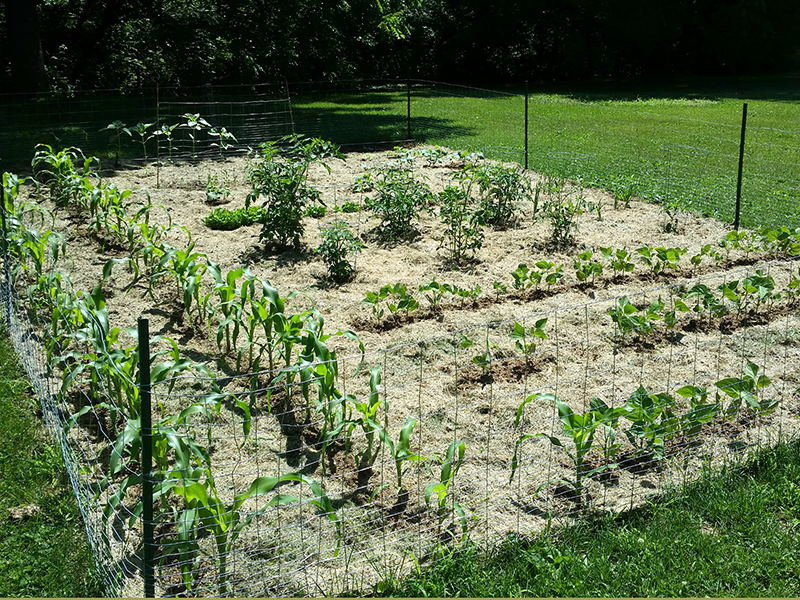
Instead, use a metal wire. Chicken wire or welded hardware cloth are both great options for keeping rabbits out. Not only are they materials that can’t be bitten through, but they also have smaller openings.
Adult rabbits can fit through a fence hole that is as small as 2 to 3 inches and babies can sneak through holes as small as one inch. Welded wire and chicken wire are both small enough that the rabbits can’t slip through.
Choose a wire that is around 3 to 4 feet high and bury it in the ground. Going down around 6 inches deep will help to deter rabbits as well as other burrowing pests like voles.
Welded wire can also be wrapped around the base of trees and shrubs throughout your property. Just don’t wrap it too tightly.
Electric Wire Fences To Deter Rabbits
This might be a last-ditch method that doesn’t work for all situations or gardeners. However, After trying all other sources and methods, this is the only one that finally gave me the low-maintenance garden I was after.

With one pre-teen girl and a teenage boy both busy with sports and extracurricular activities, I couldn’t always be available to apply blood meal and dog fur around my garden space. In addition, we also live by a lot of timber. It isn’t only rabbits that we need to keep out of our garden space. So we finally went the electric fence route.
About Electric Fences
Electric fences are not fatal for the rabbits but they do a great job of deterring them from stepping inside the space. It’s really no different than a dog that has an invisible fence collar. Obviously, you will need to monitor kids and other pests when using them.
At first, I attempted to use polywire strings. I put the strings every couple of pegs on a t-post. However, the rabbits would just run quickly through the fence and never get zapped.
So I went to using them every peg and that still didn’t deter the pests. They were just too quick and little for it to work. The fence did, however, work great on raccoons, deer, and other larger pests that also tended to get into my garden space as well, so it was still a win in my book.

I finally upgraded to using an electric fence from Premier 1 that has wires that run parallel to the ground but also perpendicular. This reduces the size of the holes that rabbits can slip through.
You do need to use an electric charger in order to electrify any type of electric fence. You can purchase chargers that run off of electricity, batteries, or solar. I use a smaller 2-mile solar charger. Yes, it is a bit of an upfront expense, but it’s worth it in my opinion to save my garden.
No matter what method or combination of methods you use, you and the rabbits can still live somewhat harmoniously together while your garden stays safe and pest-free.
Until next time, thanks for stopping by!
– Chelsea
*This post may contain affiliate links. These are products I have used personally and highly recommend. As an Amazon Associate, I may earn a small commission from qualifying purchases if you purchase items through my links. These links and the ads on this page help to support my family and our semi homestead, so Thank You!
Discover more from Semi Homestead Life
Subscribe to get the latest posts sent to your email.