
This naturally growing plant might look like a weed to many, but there are actually several benefits of harvesting and using mullein.
Mullein is not native to the United States, but it has been around for thousands of years. It can now be found all over the world and grows wildly in North America.
You can find mullein growing naturally along road banks and in pastures, meadows, and timber locations. It can even be found in empty parking lots that have been left abandoned for too long. You can even grow mullein in your garden. No matter how you come about finding mullein, it can be used as a natural home remedy to help with issues like cough and congestion.

In fact, mullein has been used for generations to help a whole host of different issues. Some of those issues include cough, congestion, asthma, constipation, inflammation, migraine, and earaches.
So it might be worth harvesting and making a nice warm cup of mullein tea to drink before you reach for the medicine cabinet the next time you feel respiratory issues or a cold coming on!
What Is Mullein And The Benefits Of Using It
Identifying Mullein
Mullein is a biennial plant that only lives for two years. In the first year, the plant produces a rosette of multiple leaves that each measure up to 12 inches long and can grow to be as wide as 5 inches.
The leaves are a bluish-green color and are covered in tiny hairs. If you were to touch one of the leaves, it would feel fuzzy and almost soft.

During the plant’s second year of life, it puts out a 5- to 10-foot-tall flower stalk in the spring. The end of the flower spike has multiple small yellow flowers. The flowers are perfect for attracting all sorts of different pollinators.
Each plant is capable of producing around 100,000 to 200,000 seeds. These seeds simply drop to the ground by the wind or are carried by wild animals.
The seeds can remain dormant for several years and are only able to germinate in full sun. After the rest of the plant dies, the flower stalk remains behind and is easily identifiable.
Please Note Regarding Possible Health Benefits
As with any natural or herbal remedy, use at your own discretion. If you are in doubt, talk to a healthcare professional before using or ingesting. I am not a medical professional, just a semi-homestead mom, so the information provided here is for educational use only.

Mullein has a long history of traditional herbal practice, particularly when used in teas and other preparations to help soothe coughs and other common throat irritations. Some laboratory research has looked at the compounds found in mullein for potential biological properties.
Most of the available information about mullein’s potential health benefits comes from traditional use, anecdotal evidence, and laboratory studies rather than clinical trials in humans. There is limited clinical evidence proving its effectiveness for actually treating health conditions.
The Possible Benefits Of Mullein
The leaves, roots, and flowers have all been used for traditional herbal practices. Health stores even carry mullein capsules, oils, extracts, and teas ready for use. But it is extremely easy to dehydrate and make your own dried mullein to use for tea.
A warm cup of tea of any sort can feel soothing and comforting when you have a sore throat, cough, or other respiratory issues. Some of the compounds within mullein have been investigated in laboratory studies for their potential anti-inflammatory, antioxidant, and antibacterial properties. These findings may help explain some of the plant’s traditional uses.
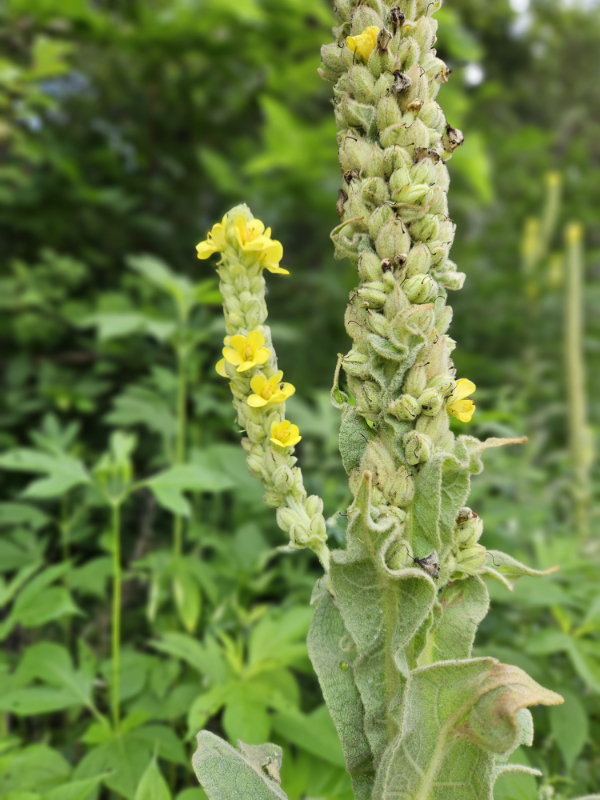
Specifically, mullein has traditionally been used as an expectorant, meaning it is thought to help to loosen mucus, making it easier to cough. Mullein flowers, specifically, have been recognized for their traditional use in relieving sore throats associated with the common cold (Source).
There are even a few studies that found that ear drops containing mullein and other herbs can help to ease earaches (Study Source). Another study found that cream containing mullein extract can help with healing specific types of skin wounds (Study Source).
While more studies and research are required, personal experiences and passed-down remedies go a long way when it comes to more natural, herbal remedies.
How To Dry Mullein For Tea – The Benefits Of Mullein
You can make tea using fresh mullein leaves, but it is often first dehydrated. Drying out the leaves or flowers helps to preserve and prolong their use. This is useful since coughs and respiratory issues are often more of a problem during the colder months after mullein has died off.

The springtime is the best time to harvest mullein leaves. Choose leaves either from a patch in your garden or in a location where you know there haven’t been any chemicals or sprays applied.
You can either harvest each leaf individually, as I did, or you can pull up the entire plant, roots and all. If going this route, simply hang the plant upside down in a dry location for a few weeks and allow it to dry out naturally.
For simplicity reasons, I only harvested the leaves of this particular plant. It was a first-year plant and leaving the roots behind should allow the plant to come back next year to produce the flower stalk.
After you’ve harvested the leaves, wash each one to get rid of any stowaway pests or insects that might be hitching a ride. Allow the leaves to dry or pat each one with a paper towel. This will help speed up the drying process.


Drying and Dehydrating
Lay each leaf in a single layer in your dehydrator. You can also dry the leaves in your oven at a low setting as well.
At 165º Fahrenheit, it took my mullein about 4 hours to dry completely in my dehydrator. If your settings are different, just be sure to check it occasionally. (Product link: COSORI dehydrator)
Once dried, allow the leaves to cool before crumbling them into a dry glass container. The leaves should crack easily once dried. Seal the container tightly with a lid to keep any moisture out.

To make the tea, add 1 to 2 teaspoons of dried mullein into a mug and pour over 1 cup of boiling water. Allow the mullein to steep for about 10 to 15 minutes. Strain the leaves before consuming. Enjoy the soothing benefits of your own homemade mullein tea!
Until next time, thanks for stopping by!
– Chelsea
*This post may contain affiliate links. These are products I have used personally and highly recommend. As an Amazon Associate, I may earn a small commission from qualifying purchases if you purchase items through my links. These links and the ads on this page help to support my family and our semi homestead, so Thank You!
Discover more from Semi Homestead Life
Subscribe to get the latest posts sent to your email.