
If you are new to raising chickens, chances are you might need help identifying the signs of a broody hen, or knowing what that even means for you and your flock!
Raising backyard chickens has definitely grown in popularity over the last few years. Many people are slowly going back to implementing many amazing “old-fashioned” methods like growing a garden, preserving food, baking bread, and raising chickens.

However, raising chickens isn’t as simple as building them a coop, providing them with feed, and watching them lay eggs! Sometimes, issues arise that need to be addressed, and one of those is dealing with a broody hen.
Broodiness in hens is a natural behavior that prompts some chickens to want to incubate eggs for hatching. It is based on their natural instinct, hormones, and the lighting conditions that often come with the longer spring and summer months.
Some hens will exhibit broody behaviors whether they are sitting on fertile eggs or not. While it’s not difficult to recognize the signs of a broody hen, it might be worth noting because you may or may not need to break the behavior for the health of your chicken (and your sanity!).
What It Means & Help Identifying A Broody Hen
What Happens When It Occurs?
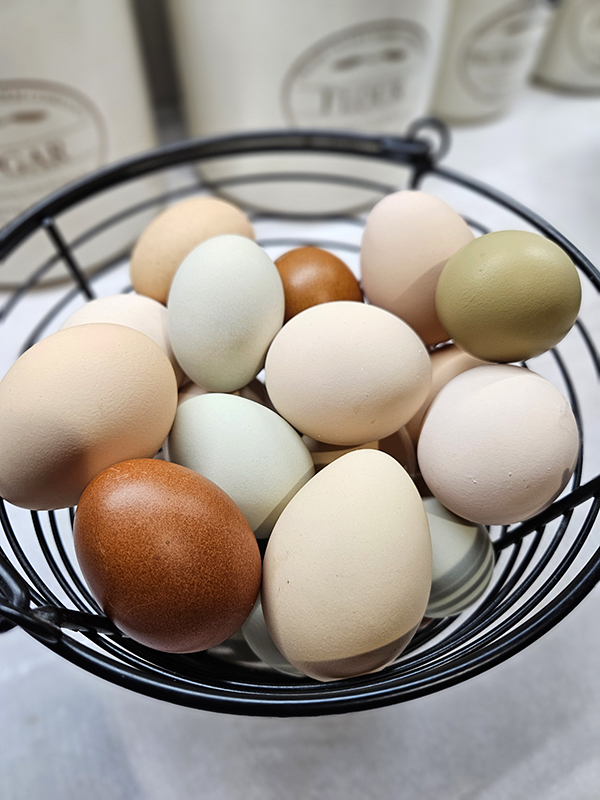
Hens lay eggs regardless of whether there is a rooster in the flock or not. The eggs just won’t be fertilized. (That’s how our flock is set up.)
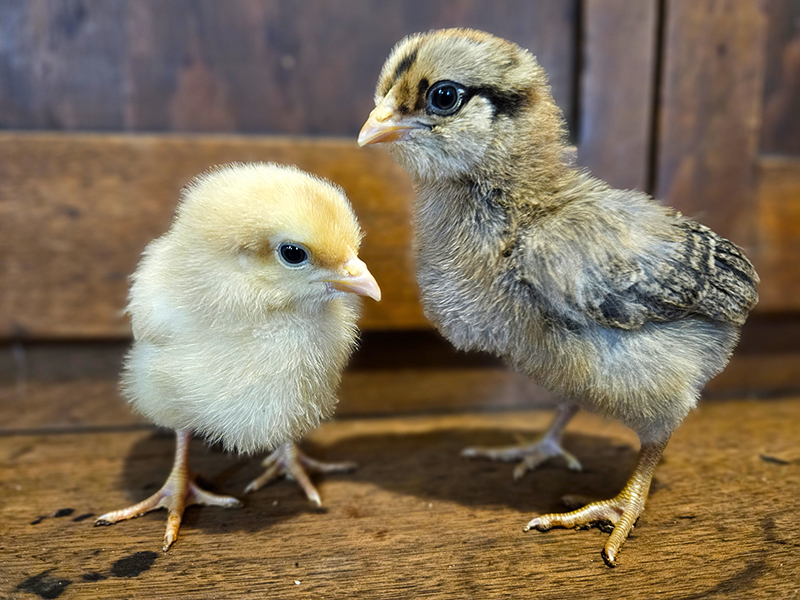
Think of it this way, an of-age human female still releases eggs about every 28 days regardless of a man being in their life. But in a hen’s case, they just produce eggs every 26 hours or so, depending on the breed.
Hens will get a slight surge in hormones that causes them to seek out a dark, secluded space every time they lay an egg. Once the egg is laid, those hormones typically go back to normal. However, some hens continue to have the urge to incubate eggs. That’s when they are considered to be broody.
When a hen goes broody, it stops laying its own eggs and sits on a clutch of eggs for a period of around 21 days. That’s the amount of time it takes for an egg to hatch.
During this timeframe, the hen only leaves the nest once to twice a day in order to eat, drink, and poop. Some hens will even pluck their breast feathers in order to have direct skin-to-egg contact that helps aid in the egg incubation.
Is It A Problem? – Identifying A Broody Hen
Is broody behavior a problem? Well, the answer is that it depends.
If you have a rooster and want more baby chicks to be hatched naturally, then having a broody hen can be wonderful. However, some people don’t want more chickens or even have eggs capable of hatching. (All of our eggs are infertile since we don’t have a rooster.) In those cases, a broody hen can be a bit of an issue.
Not only is it hard on the hen’s body to go that long without food and water, but it’s typically hot in a nesting box. This is especially the case here in the Midwest and South during the summer months.
Unfortunately, a broody hen sitting on infertile eggs won’t just stop after the 21 days are up. They may continue to sit on the nest for days or weeks longer. The lack of food, water, and heat for such an extended period of time can be really hard on hens. Some people have even lost hens due to being broody.
Not only that, but you also aren’t getting any eggs during this time period since a hen stops producing them while they are broody. Lastly, one broody hen can sometimes prompt others to follow suit. And if you only have a few nesting boxes, they can fill up rather quickly with cranky, broody hens!
Which Breeds Are Prone To The Behavior
Not all hens in your flock will go broody in their lifetime. In fact, some hens go their whole lives and never get the instinct. However, there are a few breeds that are more prone to broodiness than others.
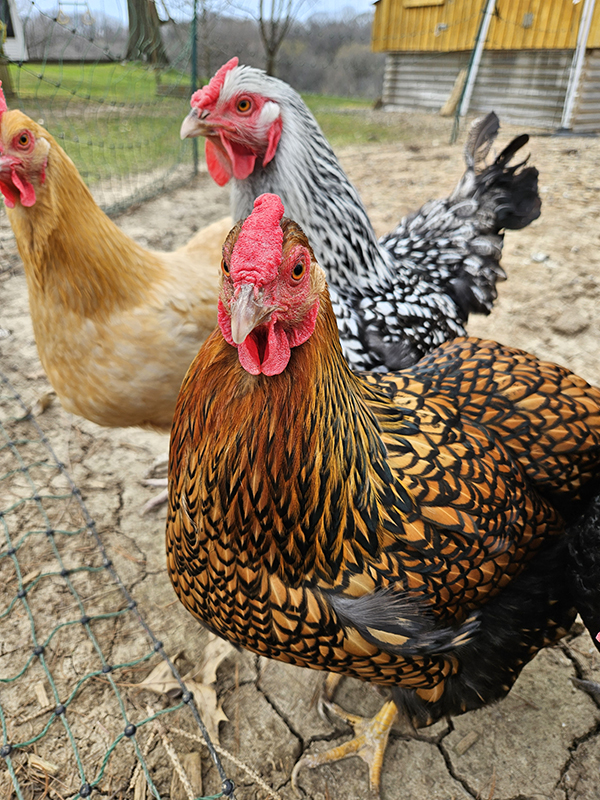
Some of the most common broody-prone hens are Australorps, Brahmas, Buff Orpingtons, Cochins, Cornish, Silkies, and many Bantams. When picking out chicks, most breeders will tell you if a breed is prone to broodiness or not. (We like to get our chicks at Tractor Supply or online at Cackle Hatchery – not sponsored!)
Just keep in mind that this list is only a guide. Hens that I didn’t mention can still go broody, and some that I did list may never go broody. It’s really a hit or miss kind of gamble.
We have a variety of chicken breeds on our semi homestead. The two main varieties that go broody in our flock are a couple of my Golden Laced Wyandottes and our Buff Orpingtons.
How To Recognize A Broody Hen – Identifying A Broody Hen
When you approach a hen that is broody, she is often extremely grouchy and mean. She will puff up her feathers and sound like she is screaming/cussing at you. Even the most gentle hen can become a beast when she is broody! (No one comes between a momma and her eggs!)
If you try to reach in and touch the hen, she will likely peck at your hand. So be careful when working with a hen like this because those beaks can really hurt, especially when a chicken is in protection mode! (I speak from personal experience on this topic!)
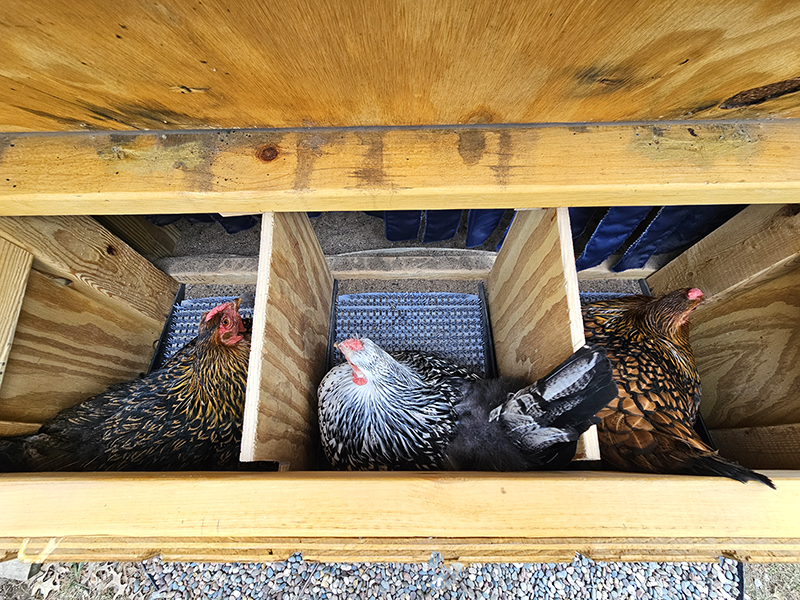
A broody hen will choose a quiet, dark location to sit on a clutch of eggs. This is typically your nesting boxes, but it can also be a quiet corner in your chicken coop or run.
If your chickens free range, it might be hard to even find a broody hen. Some chicken keepers might notice a missing hen, only for her to suddenly turn up a few weeks later with a row of baby chicks behind her!
More Behavior Clues – Identifying A Broody Hen
A broody hen won’t leave her nest except for once or twice a day to eat, drink, and poop. You might come out to gather eggs during the morning, and the hen will still be there by the time supper rolls around.
The lack of leaving will probably be your biggest giveaway that a hen is broody. When she does finally make her leave for her once or twice daily stretch, her droppings will be very large and extremely stinky, so watch out!
You can try to remove the hen from her nest, but it won’t do a lot of good. Most likely, she will stay puffed up and screeching at you right where you set her. Eventually, she’ll make her way right back to the nesting area.

While you can repeat this process over and over again, it’s exhausting for both you and the hen. Removing the eggs from underneath her also won’t do any good to stop the behavior. She will likely just steal more eggs from the surrounding nesting boxes tomorrow.
Whether you decide to let the hen incubate the eggs or not is a personal choice. Either way, at least you know how to recognize the behavior, so you know what’s going on with your crabby hen! (I’ll have a future article on how we break our broody hens. If you have any questions before it’s posted, just drop me a message!)
Until next time, thanks for stopping by!
– Chelsea