
Eggshells are an excellent free resource that you can save and use in your garden in several different ways.
If you are like our family and raise chickens, then you have a plethora of eggs right at your disposal. Or, even if you don’t raise chickens but like to eat eggs, then you still have a wonderful resource every time you crack one open.
Most of the time, empty eggshells just get tossed out in the garbage without a second thought. However, you can use these breakfast byproducts in your garden or compost pile.
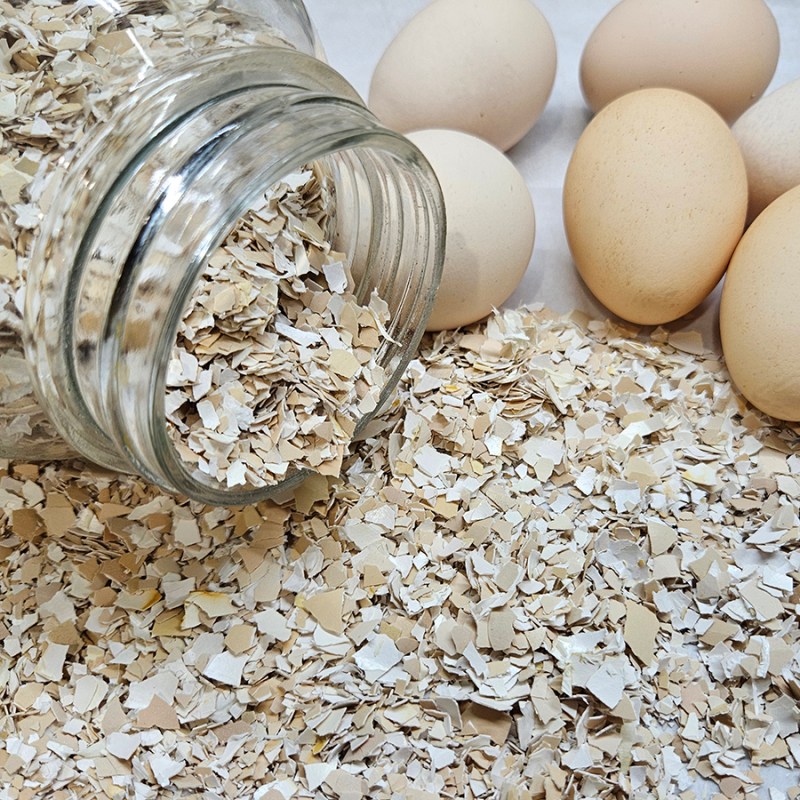
Eggshells are great for adding to your compost pile and creating richer, more nutrient-packed goodness to help power your plants. The shells are considered to be green material along with vegetable scraps, grass clippings, and coffee grounds.
You can also use crushed or powdered eggshells to help add calcium directly back to the soil. This is a great advantage for plants like tomatoes, peppers, eggplants, and squash that can be affected by a deficiency in calcium. Lastly, you can even use crushed eggshells to deter some popular garden pests – and all naturally!
How To Save And Use Eggshells
The first part of this process starts with saving the eggshells. Now I tend to be a bit more cautious than the average person, so I take a few extra steps when saving my eggshells.
You can easily crack the eggs open and toss them directly in your compost pile, but I make sure to rinse them out first. Washing the shells helps to remove some of the bacteria that might be on the shells. In addition, it keeps the eggshells from smelling after they have dried.
So after I’ve cracked the eggs for my baking or breakfast dishes, I take them to the sink and give them a good old rinse. Remove as much of the membrane inside as possible and then set them on a paper towel or plate to dry.
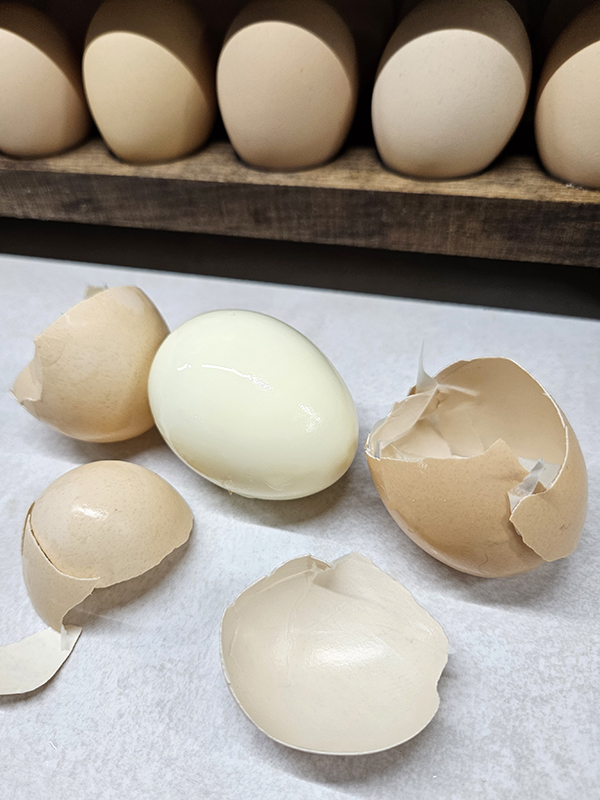
I then store the washed shells in a large, half-gallon Ball glass jar with the lid off. This allows any remaining moisture to evaporate. The shells don’t smell at all since they you properly washed them first.
Once I get a full jar, I then bake the shells. (Feel free to smash the shells a bit to get more to fit inside.) Here are the jars I use, but you can often find them cheaper in stores – Product Link: Half Gallon Ball Jars.
Baking The Shells
When you have enough eggshells, preheat your oven to 400º Fahrenheit. After it has reached the proper temperature, place the shells in an even layer on a piece of parchment paper on a baking sheet. Bake the shells for 10 minutes.
The reason for baking the eggshells helps to remove any additional bacteria that might be lurking on the shells. It also helps to make the shells more brittle and able to break down into smaller pieces.
After the 10 minutes is up, allow the shells to cool. This is when I like to call in my kids to help. Carefully smash the eggshells into small pieces. The shells can be rather sharp, so placing a kitchen towel on top of them can dull the edges. The shells should break easily after being cooked in the oven.
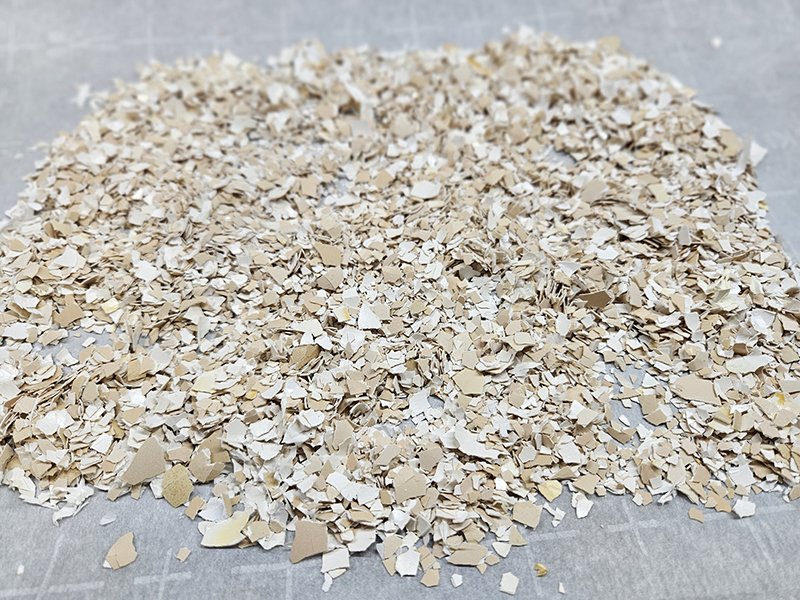
You can also use your food processor to break down the pieces into a fine powder. The smaller the pieces, the quicker and easier the eggshells will decompose and get absorbed into the soil or compost. If you were to leave the eggshells whole, they would take forever to be useful.
Storing Crushed Eggshells
If you can’t use the shells immediately, store them in a cool, dry location. I put my shells in another large half-gallon glass jar with the lid closed. This helps to prevent moisture from getting inside.
Storing the eggshells allows you to save them all fall and winter long when you might not be able to add them directly to your compost pile. In addition, it allows you to have plenty for spring planting. And, in my opinion, a jar of crushed eggshells makes a rather pretty addition to your kitchen countertop display!
Using Eggshells Around Your Garden – How To Save & Use Eggshells
While you can save the crushed eggshells and feed them back to your chickens for additional calcium, there are other ways to use them around your homestead.
Using Them As Fertilizer
Eggshells can help to lower the pH in the soil, making it more alkaline. The reason why this is beneficial is because several plants grow better in lower acidic soil.
In addition, the calcium in the shells can help to prevent blossom-end rot that plants like tomatoes and peppers can be susceptible to. This issue shows up as black spots at the blossom end of the fruit (hence the name). It essentially ruins the fruit and reduces the amount of harvest you get from the plants.

Blossom end rot shows up when the plant can’t absorb enough calcium. You can have your soil tested to see if it is lacking in calcium if you continually have an issue with blossom-end rot. If the soil tests fine and you still end up with blossom-end rot, you may have issues with infrequent or a lack of watering instead of a lack of calcium.
But if you want to add more calcium to the soil, use eggshells that are powdered or crushed as finely as possible so they can quickly be absorbed by the plants. I simply add a scoopful into each planting hole when transplanting crops like tomatoes, peppers, squash, and eggplant. The eggshells will slowly break down over time, providing a little boost of calcium right at the plant’s roots.
Adding To Compost
Crushed eggshells are perfect for adding to home compost piles. When they are in small pieces, they can break down rather quickly, helping to improve the composition of the compost while adding a nice amount of calcium.
Ensure that the shells have been fully washed before adding them to the compost pile. Any residual yolks or whites from the eggs can attract animals like raccoons or mice to your compost pile. In addition, it can also cause the pile to stink, and no one wants a stinky compost pile!
If you practice vermiculture, you can also add the crushed eggshells to their soil as well. The worms will work to break down the shells, creating amazing worm castings you can use in your garden as well. (And if you don’t know, I’m a huge fan of worms and how beneficial they are to our garden. See, “Nightcrawlers & Redworms – Beneficial Earthworms For Gardeners!“)

Pest Deterrent – How To Save & Use Eggshells
In addition to saving and using eggshells in your compost and as a natural calcium supplement when planting, you can also use them as a pest deterrent. The sharp edges of crushed eggshells will help to deter soft-bodied pests like slugs and snails.
We often have issues with slugs around our strawberry and squash plants. This is especially the case when it has been an overly wet growing season. By placing a few shells around the edge of plants or raised beds and containers, you can create a sort of barrier that will cause the slugs to turn in the other direction instead of trying to maneuver over their sharp edges.
No matter how you decide to use eggshells, it’s well worth hanging onto and saving these often overlooked breakfast byproducts for use throughout your garden space.
Until next time, thanks for stopping by!
– Chelsea
*This post may contain affiliate links. These are products I have used personally and highly recommend. As an Amazon Associate, I may earn a small commission from qualifying purchases if you purchase items through my links. These links and the ads on this page help to support my family and our semi homestead, so Thank You!
Discover more from Semi Homestead Life
Subscribe to get the latest posts sent to your email.