
Are you wondering if vacationing while raising chickens is still possible? The fact of the matter is, when an animal or other living creature depends on you for its survival, that can leave you feeling stuck in one place.
This is especially the case if you don’t have family or friends nearby to lend a helping hand. Who do you turn to when you want to get away for a week or so?
What things should you be thinking about if you want to go on a vacation and raise chickens? Are you just stuck in your home without ever going on another vacation again?
Thankfully, you can still enjoy much-needed vacations while raising chickens! With the right equipment, some early planning, and possibly a helping hand or two, it is more than possible to get away for a few days and still have healthy and safe chickens at home.
Care Requirements While You Are Away
Food
Chickens have a very high metabolism. They spend most of their days foraging for food, even if they have a feeder full of pellets. Bugs, plants, and even small mammals can all be on the menu for these tiny dinosaurs as snacks.

Commercial feed is the best way to keep your chickens healthy and full. Even if your chickens free range, they still should have some type of feed to sustain them. This is very important, especially if you have to keep them contained while you are away.
Each chicken requires around 1/3 pound of feed each day. This equates to about 1/2 cup daily. Multiply that by the number of chickens you have and the number of days you will be gone. That is the minimum amount of feed you are going to need while you are away. Always plan for much more, though.
If you don’t have a safe feeder that can hold that amount of feed, purchase or borrow more to make sure the feed is available. I love our trundle feeder. It holds a lot, prevents pests like rats from getting in it, and it also helps to reduce feed waste. Here is the one I have, Grandpas Feeders Automatic Chicken Feeder (Product Link). It does have a bit of a hefty price tag, but the peace of mind is more than worth it for me.
Water – Vacationing & Raising Chickens
While food is very important to healthy chickens, it isn’t quite as imperative as water. Chickens cannot go without water for over 24 hours. They require it for digestion, egg production, and to help regulate their internal temperatures.
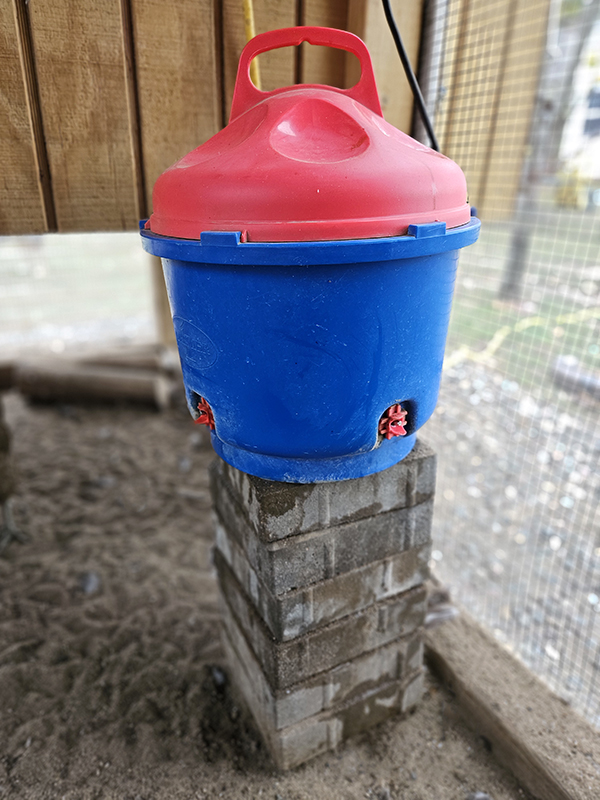
Chickens require about a pint of water each day. More may be needed during warmer weather spells (up to double that amount!). The water should be clean and fresh.
Use a chicken waterer that is enclosed and keeps the water clear of dust, chicken droppings, and litter/bedding. If possible, get a few waterers to prevent fighting and to ensure there is plenty of fresh water available. I use a Premier 1 All-Season Heated Poultry Waterer (Product Link). Not only does it keep the water cooler and fresh in the warmer months, but it is also heated for winter seasons. (No breaking up ice chunks for me!)
Shelter
This is probably the number one most important aspect of keeping your chickens safe while you are vacationing. Chickens need to have a protected and safe place to be during the day as well as while they sleep. That means locks, fences, and doors.
If you free-range your chickens, it will be up to you whether or not you continue doing so while you are away. Just like any normal day, you run the risk of predators and other uncontrollable issues. However, you won’t be there to check on them at night.
Speaking of night, the chickens have to have a safe and protected place to shut their eyes, most likely some type of chicken coop. If you aren’t home, there needs to be some way to lock the coop up at night. The best way to do this is to use an automatic door. These doors open and shut using either battery power, electricity, or sunlight.
I have two that I use and stand 100% behind. They open and close at a set time each day and night. One is on our enclosed fenced-in run, while the other is on the chicken coop. I never have to worry whether predators can get to them while they sleep or not. Heck, they even have some on the market nowadays that hook up to your phone so you know for sure whether they close or not. These are the doors I use, but there are several out there for all price ranges: Omlet Automatic Chicken Coop Door Opener (Product Link).
Eggs – Vacationing & Raising Chickens
If your hens are laying eggs, you need a way to safely store those eggs until you get back. Thankfully, even in the heat, unwashed eggs can be left outside for a few days, so you don’t need to worry about that.
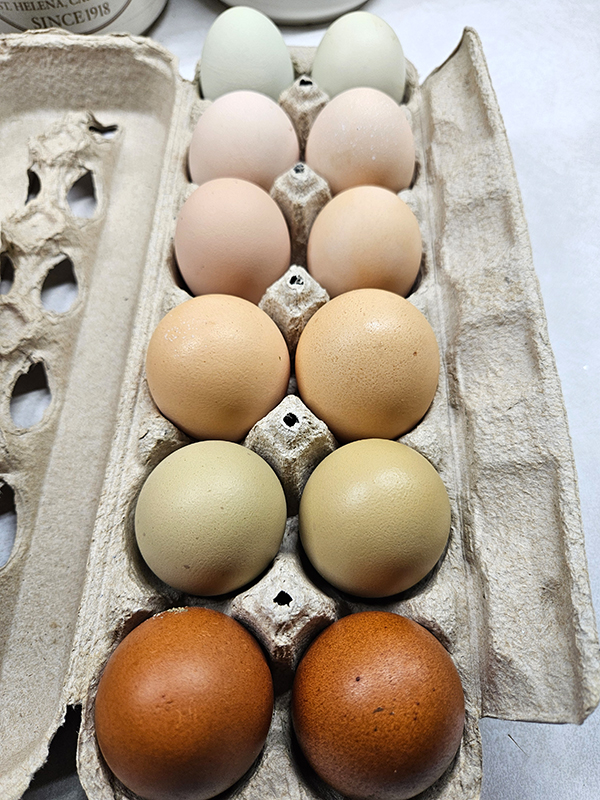
As for wintertime vacations, most hens don’t lay eggs during this timeframe. If they are still lying and the eggs end up freezing, you should know because frozen eggs typically crack as the liquid inside expands.
Make sure to put any non-frozen eggs in your refrigerator when you get home, as opposed to leaving them on your counter. As the eggs warm up after being cold, they release moisture. That can end up removing the protective bloom.
The biggest concern of being gone, though, is egg eaters. These are hens that eat eggs. Yes, you read that right, chickens will eat their own eggs. It doesn’t happen right away. However, if one of the eggs in the nesting boxes cracks, another hen might eat it. This can cause the hen to get a “taste” for eggs and want more.
The way to avoid this is to set up some type of rolling nest boxes. For a homemade version, I use paint pans to give the eggs a bit of an angle that allows them to roll backwards to the back of the nesting box. Placing a small board over the back of a nesting box might be enough to keep most of the eggs safe.
Miscellaneous Tips – Vacationing & Raising Chickens
Keep in mind the weather for the timeframe that you want to be on vacation. Chickens struggle more in the heat than they do in the cold, so be sure to set up extra protection against extreme heat.
Use damp-rated fans with enclosed motors on timers to help keep them cool. Add extra waterers to their runs with plenty of fresh water. Provide plenty of shade if your chicken yard has none. Have someone check on them if at all possible, even to just do a headcount.
Worried about chicken boredom? Consider switching to crumble feed as opposed to pellets. It takes chickens longer to eat the crumbles than it does the pellets. This can keep them preoccupied for longer and less likely to start pecking each other for entertainment. Flock blocks can also help prevent boredom by giving the birds something to peck besides each other.
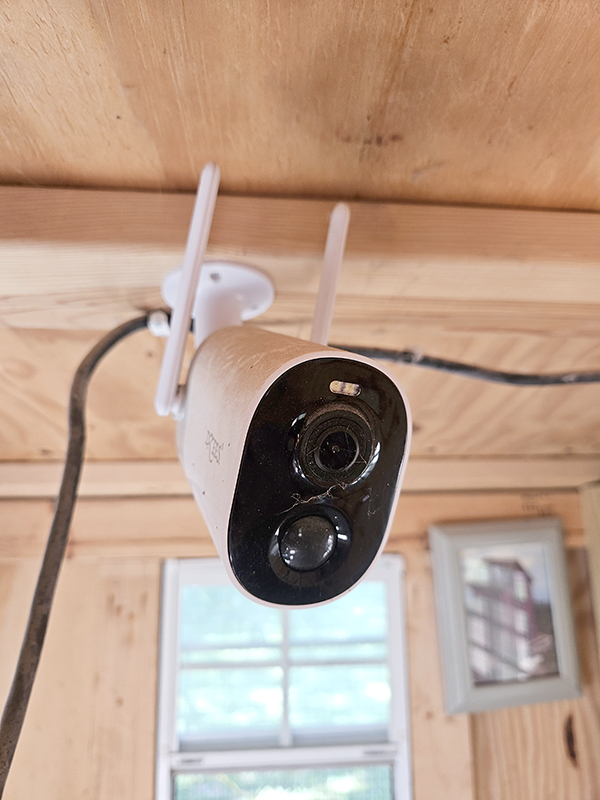
Another tip is to set up a security camera either in their enclosed run or inside the coop. We have one in the enclosed chicken run that hooks up to our household camera system. Inside the coop, I have a cheap security camera that I only turn on when I am checking on the girls at night. It is run by a tiny solar panel, so I never have to worry about the battery.
I’m sure that using cameras might seem overkill to some, but it’s a peace of mind while raising chickens, especially while we are vacationing.
How Long Can You Leave Chickens Alone?
Shorter Vacations (1-3 Days)
If your getaway is only a few days long, you might be able to travel without the need for a sitter. The key is to plan ahead of time and possibly purchase a few products to help. (Like those I mentioned above.) Just know that if you want to leave your chickens without a sitter, you run into risks, however minor or rare they might be.
Plan on doing your chicken chores on the day you leave, as well as right when you get back. That can make short trips very obtainable. The chickens might end up only going a day or two without getting checked on.

Longer Vacations (4+ Days)
When it comes to a longer trip, you need to have a chicken sitter. This would be someone who can come to your home and take care of the chores for you.
Neighbors are a great option, as are local family members or friends. The promise of free, freshly laid eggs can be rather appealing to someone if your funds are tight!
However, if you don’t have someone in particular in mind, I can suggest a few ways to find a chicken sitter. First, start by asking your local 4-H or FFA chapters if there is anyone who knows how to handle chickens. This can be a great way for younger kids to get livestock experience and learn extra responsibilities.
If that’s a dead end, try contacting local dog walkers or pet sitters. While helping with chickens might be a bit out of their normal range, at least you know that they are trustworthy at taking care of animals.
Another option is to ask your local feed store if they have any suggestions. Sometimes, people will leave references or contact information advertising their services at these locations.
Lastly, if all of those suggestions are dead ends, you can always put out a feeler on social media sites. Just make sure to do some research to make sure they are reputable and trustworthy.
Tips For Chicken Sitters – Vacationing & Raising Chickens
If you do end up needing to use a sitter, there are a few things to keep in mind to make sure you are both on the same page.
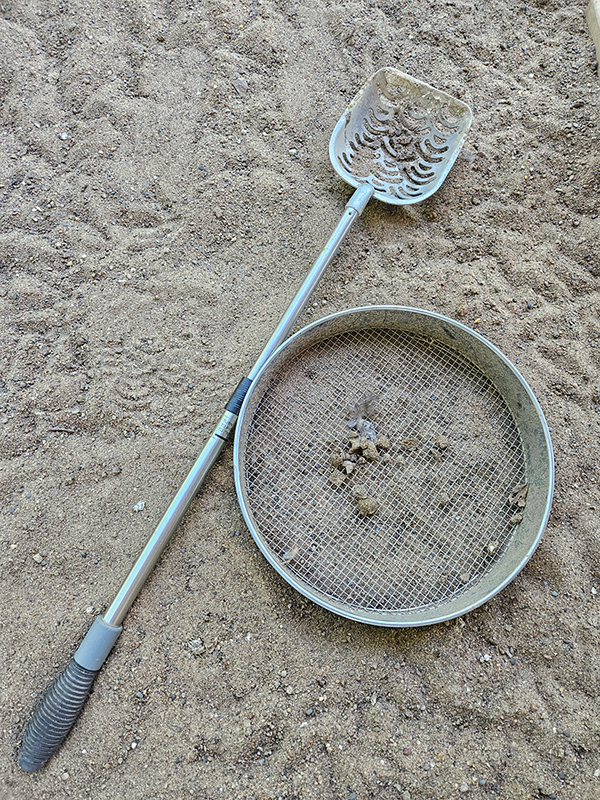
First, get together with the sitter a few days before you leave, if possible. This allows you to walk through the entire process with them step by step. Not only will they be more comfortable knowing exactly what to do, but it will also give you peace of mind as well.
Go over how to clean the litter and what to do with the waste. If you are using a deep litter method, this might not be required, but it will be for sand litter that we use. Also, go over feeding, watering, and what to do with the eggs. Be sure to leave plenty of empty egg cartons and instruct them on proper egg handling (i.e., not washing off the bloom, storing cold eggs in the refrigerator, etc.).
Be sure to show them all of the locks and information about how the doors work if needed. Remember that raccoons are smart creatures and can get into chicken coops easily without proper precautions. Prepare a first aid kit to have on hand just in case.
Also Don’t Forget
Tell the sitter about the importance of proper hand washing after working with the chickens. Also, mention that they should have a separate pair of shoes to wear in the chicken yard. A pair of Crocs or boots works great since they can easily be washed. Chickens poop a lot, and their feces contain a lot of possible bacteria and diseases. You don’t want them bringing that into their home.
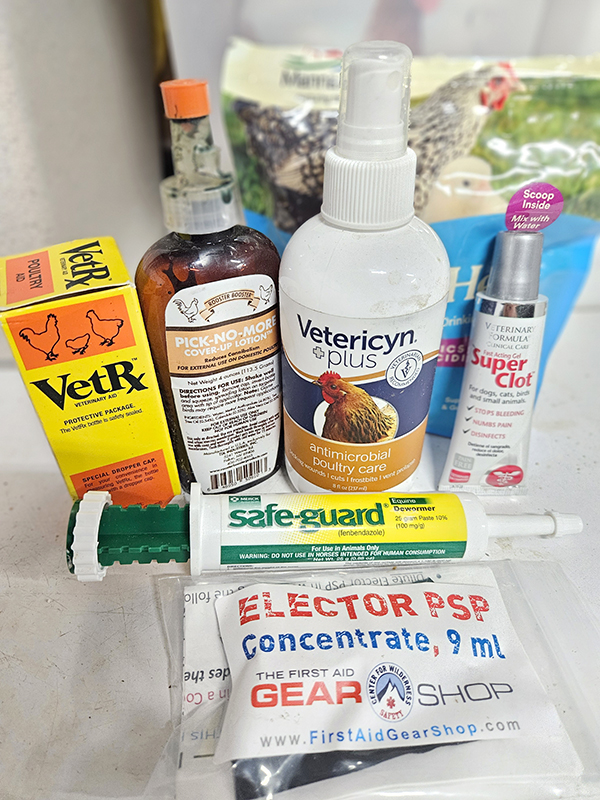
Write down a list of instructions in case they forget anything. If you have different types of containers, label them as needed. Also, be sure to include your contact information, as well as the name of a vet or other chicken keeper who might be able to help if an issue arises.
If you take all of these steps taken into consideration, you should be able to enjoy your vacation and rest assured that your chickens are safe, healthy, and ready for you when you get back!
Until next time, thanks for stopping by!
– Chelsea
*This post may contain affiliate links. These are products I have used personally and highly recommend. As an Amazon Associate, I may earn a small commission from qualifying purchases if you purchase items through my links. These links and the ads on this page help to support my family and our semi homestead, so Thank You!
Discover more from Semi Homestead Life
Subscribe to get the latest posts sent to your email.