
While there is quite a bit of information out there about growing cut flower gardens, what about incorporating those same beautiful flowers into your already established vegetable garden? This way, you get the joy of seeing those stunning blooms growing in the garden and as cut flowers in your home, in addition to all the benefits cut flowers can bring to your growing vegetable and fruit plants!
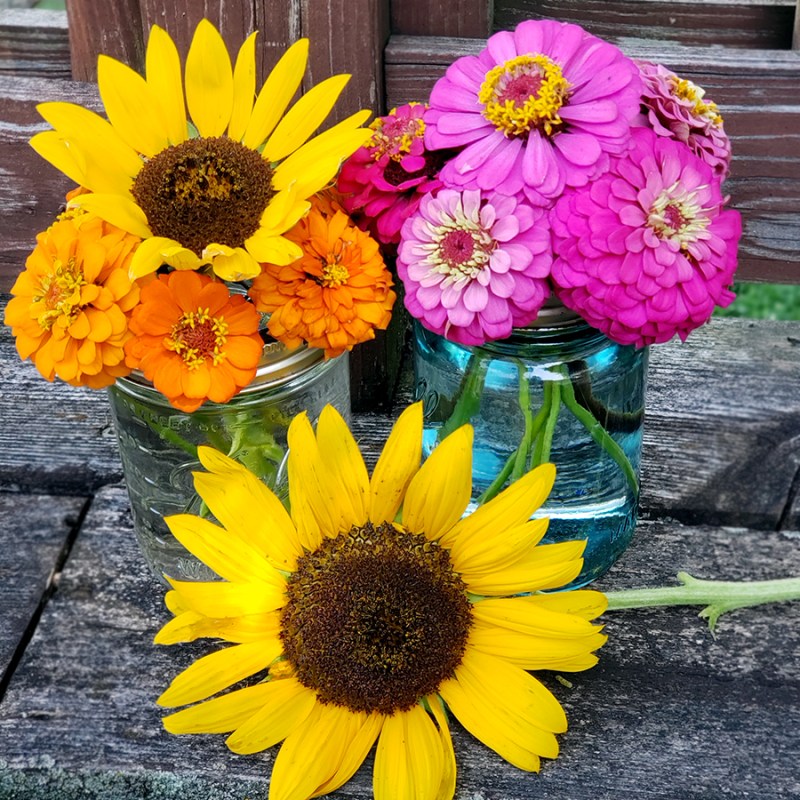
There is just something so magical and memorable about a bouquet or arrangement of flowers. You see flowers during some of the most important events in our lives, both the good and the difficult: weddings, birthdays, anniversaries, family gatherings, the holidays, and even at funerals.
Sometimes, a display of fresh flowers is nice to have in your home just because it makes you happy! There’s no doubt that fresh flowers have a way of brightening up any space or moment with their variety of colors, textures, and amazing scents.
However, have you ever seen the cost of freshly cut flowers? You can easily spend an entire paycheck at your local florist! (Not that there is anything wrong with the occasional spurge or two here and there!)
But what if I told you that you could enjoy the same benefits of cut flowers, but using ones grown and harvested right from your own backyard? Even if you don’t have the space to dedicate to a specific “cut flower garden”, you can still incorporate some of the best cut flowers in your vegetable garden area.
What Are Cut Flowers And Cut Flower Gardens?
You might be wondering what I mean when I say “cut flowers.” In general, these are the types of flowers you see inside bouquets, arrangements, or vase displays. Think roses, carnations, lilies, dahlias, and even baby’s breath.
While each of these flowers is great for store-bought displays, you can also create stunning displays using easier-to-grow flowers right in your own vegetable garden. These types of flowers create more of a wildflower look to your bouquets or vases. They are still stunning and full of vibrant color and textures, but with a more natural look and feel.
Cut flowers are grown for the main purpose of being cut to display in a vase or bouquet. Most often, these flowers have long, thin stems that grow on top of.
Cut gardens, on the other hand, are the specific location where these flowers are grown. The whole purpose of a dedicated cut flower garden is to grow healthy and strong flowers that keep on producing.
Even though most cut flower gardens are more utilitarian in purpose, you can still add a bit of style and design to your vegetable garden space. This is especially true if you are doing it amongst your vegetable and fruit plants. Think design meets functional. As long as a few basic needs are met, you can successfully grow cut flowers in your vegetable garden.
Examples Of Cut Flowers For A Vegetable Garden
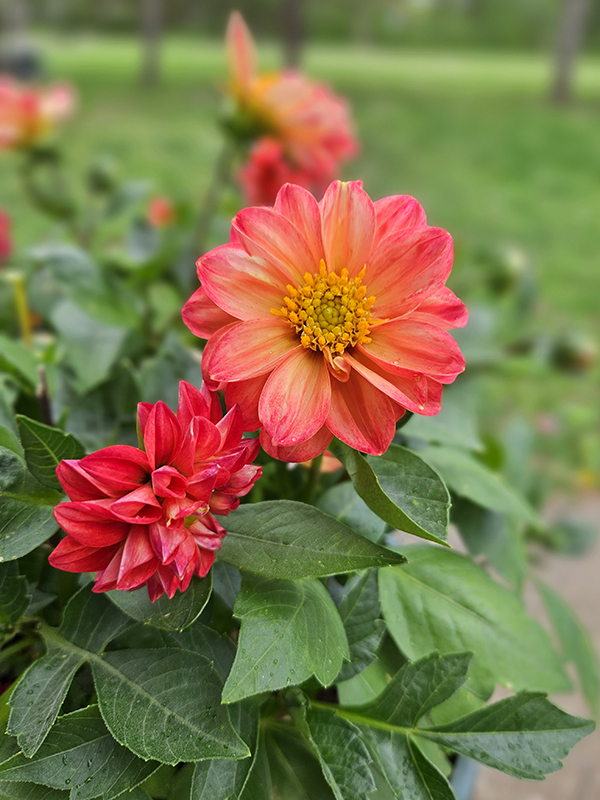
There are many types of flowers that are good for cut flowers, like dahlias, sweet peas, strawflowers, calendulas, lavender, and daisies. Here are some of my favorite annual flowers to grow in my own vegetable garden:
Zinnias – Hands down, zinnias are my favorite cut flowers to grow in my vegetable garden. Not only are they some of the easiest flowers to grow from seed (direct sowing), but they produce bloom after bloom all summer long. One of the best parts about zinnias are there are so many different colors, heights, bloom shapes, and petal styles available.
Cosmos – These dainty flowers are another favorite of mine. These plants just keep on pushing out blooms throughout the whole summer and require little care to do so. In fact, as long as cosmos are grown in well-draining soil, they are pretty self-sufficient.
Sunflowers – The unofficial flower of summer is what I like to call sunflowers. These cheerful flowers put out stunning blooms and are great for cut flower arrangements. Well, at least the smaller blooms are! Some varieties of sunflowers produce one large bloom intended for harvesting seeds. However, there are others that produce multiple smaller blooms in stunning fiery hues that work better for cut flowers.
Snapdragons – Another great choice for cut flowers is snapdragons. These plants produce multiple small blooms along a tall spike. The blooms are unique in that they have small “hinged” petals that can open and close. (I can attest to the longevity of snapdragons since I had some in my wedding bouquet!)
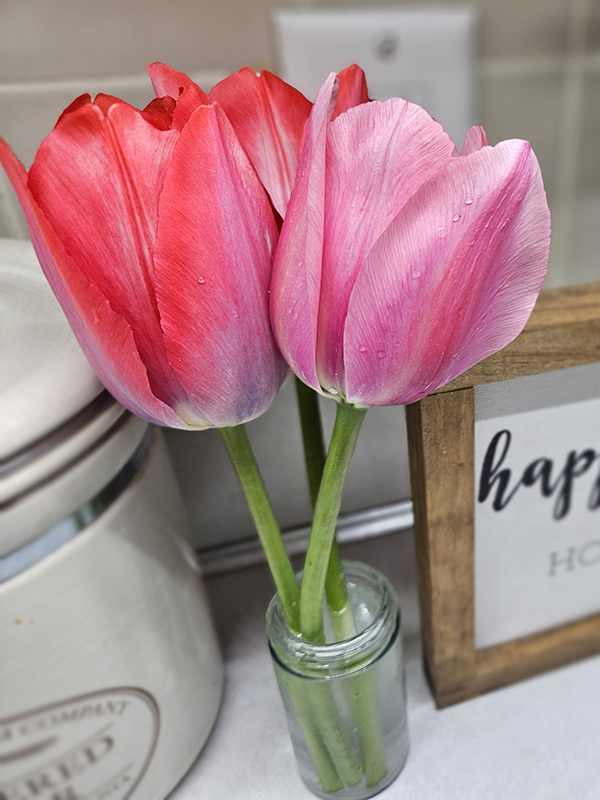
Tulips – If you are looking for an early-blooming cut flower, then tulips are a great choice. They are perfect for adding color and cheering up a home when many other plants have yet to wake up after winter.
The Benefits of Growing Cut Flowers
The first benefit of growing cut flowers in your vegetable garden is cost savings. Sure, it costs a little bit of money to purchase seeds from the store or online, but you can get multiple seeds for probably cheaper than a single flower at the florist.

In addition, you can grow whatever color and variety you want as long as it can grow well in your soil and climate. I love trying different varieties and bloom styles of the above-mentioned flowers. In fact, I usually have to restrain myself from buying more varieties than I have space for!
Another advantage of growing your own cut flowers in a vegetable garden is that you are in charge of what products are or aren’t used on your plants. If you want to grow your flowers 100% organically, then go for it! You are in complete control over their growth, from planting to harvesting.
As for your vegetable garden benefits, your plants get the benefit of pollinators galore! Birds, bees, butterflies, moths, hummingbirds, and more will flock to your vegetable garden when there are stunning blooms full of nectar and pollen nearby. With so many pollinators around, your fruit and vegetable blooms will likely also get pollinated at the same time. It’s a win-win for sure!
Lastly, flowers are just pretty! I love to include all sorts of cut flowers in my garden because they make me happy. It’s that simple. I love seeing the vibrant colors and blooms growing amongst my vegetables and fruits. It’s a pleasure and joy that only nature can provide!
What To Consider When Planting
Most cut flower varieties grow to be really tall. Sometimes we are talking only 2 feet tall, other times they can grow up to 8 feet or more! (Just picture how tall some sunflower varieties can get!) Consider the mature height of these cut flowers when choosing your planting location. You don’t want to shade out low-growing crops like green beans or strawberries.

Also, think about the wind. Since these cut flowers tend to grow tall and thin, you want to keep them protected from harsh winds. This might mean planting them along a fenceline or around other taller crops for added support. It might also mean creating a dedicated support system for them, like planting them between a few t-posts with some lines strung in between.
Bulk plant the seeds from cut flowers in your vegetable garden. Most of these flower varieties can grow in close proximity to one another. They actually grow better because they can use each other as support. This is one time I pretty much ignore plant spacing suggestions, especially with flowers like zinnias, cosmos, and snapdragons.
Lastly, choose a location that receives full sun. Almost all cut flower varieties require at least 6 to 8 hours of direct sunlight in order to produce loads of blooms. The more sunlight, the better! The plants will require lots of watering, which you should try to do at the ground level as opposed to overhead if possible. Some may also need fertilizing, but this depends on the variety.
Ways To Incorporate Cut Flowers In Your Vegetable Garden
Honestly, there are no right or wrong ways of incorporating cut flowers into your vegetable garden. How you add them to your vegetable garden will depend on your garden’s design and your growing method.
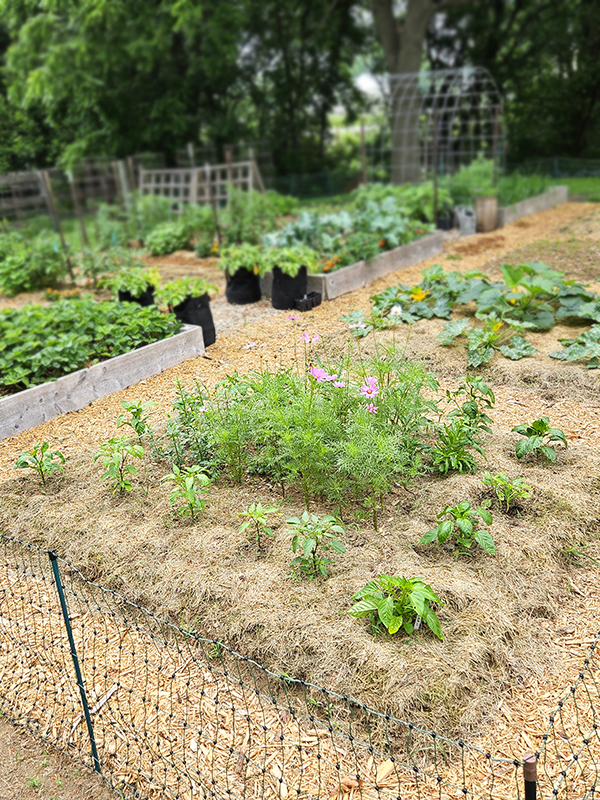
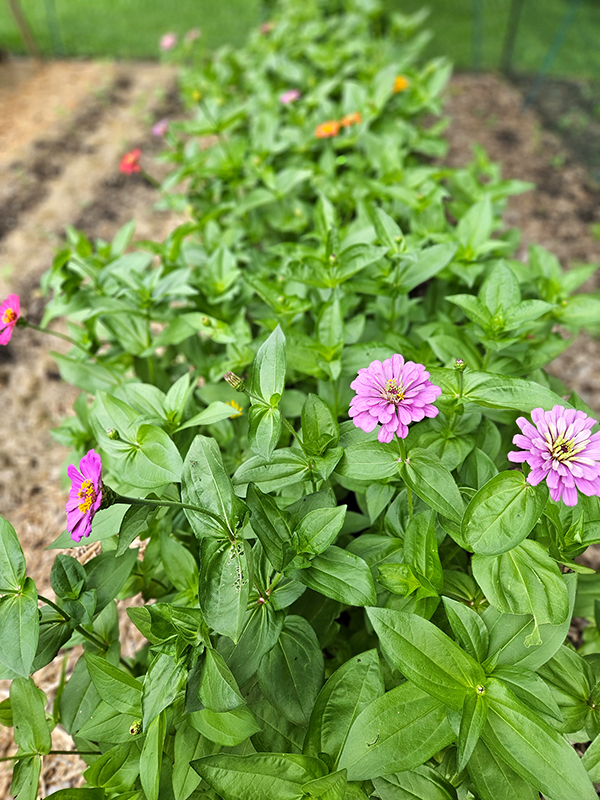
Incorporate flowers around the edges of your vegetable garden to create a sort of natural wall or fence. Or sprinkle some here and there throughout your entire garden. Stronger cut flowers like sunflowers can even be planted next to vining crops like peas or beans to give the vegetables a natural trellis to climb up.
I have a combination of in-ground garden beds, simple raised beds, and growing rows. Within all three of these, I like to add flowers here and there. Sometimes, I use an entire growing row or bed dedicated only to flowers. Sometimes, I only plant a few here and there.
With cut flowers that I bulk plant, I like to add them to one of my in-ground raised garden beds since they are larger. One year, I planted the cut flowers in the middle of the bed with my pepper plants all around the outside. It was a great option and looked beautiful throughout most of the summer!
There really is no right or wrong answer as long as you keep the “What To Consider” section information in mind.
Harvesting Cut Flowers
When it comes time to actually harvest the cut flowers for your bouquets, arrangements, or vases, when you harvest the flowers will depend on what you are using the blooms for and the plant itself.
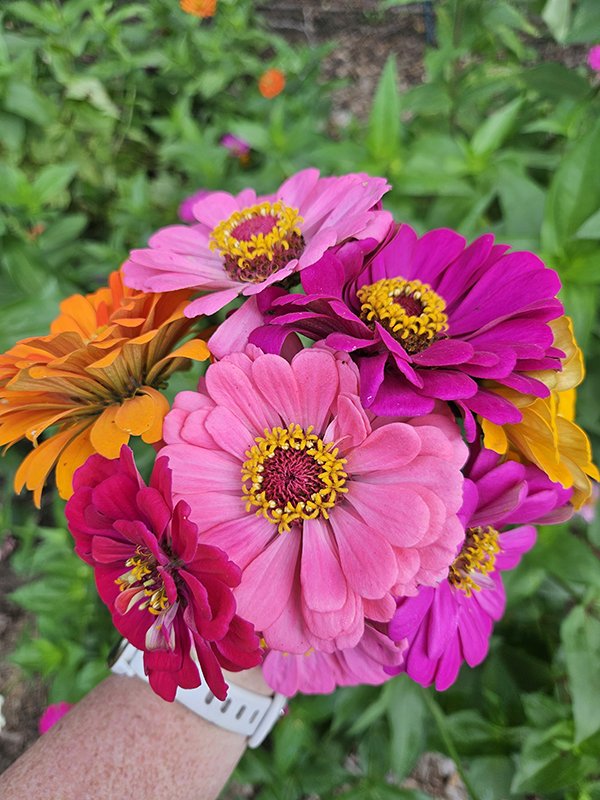
Some cut flowers will need to be harvested before the bloom opens, like tulips. Others should be harvested once the stem has become firm and no longer wobbles, like zinnias. (You can see a YouTube Short of my Zinnia Wobble Test here!) Still others might have other directions for harvesting.
You will need to research whatever type of cut flower plant you are growing to see what is best for that particular plant. Then decide the timeframe needed before you need to display the flower arrangement (for example, for a gift bouquet). Each variety will likely have its own instructions for harvesting.
Hopefully, you will be encouraged to try adding cut flowers to your vegetable garden this summer and not only get to enjoy seeing them growing in your garden space, but also get to enjoy their stunning blooms inside your home as well!
Until next time, thanks for stopping by!
– Chelsea
*This post may contain affiliate links. These are products I have used personally and highly recommend. As an Amazon Associate, I may earn a small commission from qualifying purchases if you purchase items through my links. These links and the ads on this page help to support my family and our semi homestead, so Thank You!
Discover more from Semi Homestead Life
Subscribe to get the latest posts sent to your email.