
If you want to grow your own food on your property but don’t want the hassle and work that is involved with a “traditional” in-ground garden, then you need to use raised garden beds!
Not everyone can grow plants using a traditional garden for one reason or another. However, that doesn’t mean you can’t still garden and grow plenty of fruits, vegetables, herbs, and flowers on your property. In fact, there are actually several big advantages to growing plants in raised beds as opposed to using in-ground gardens.
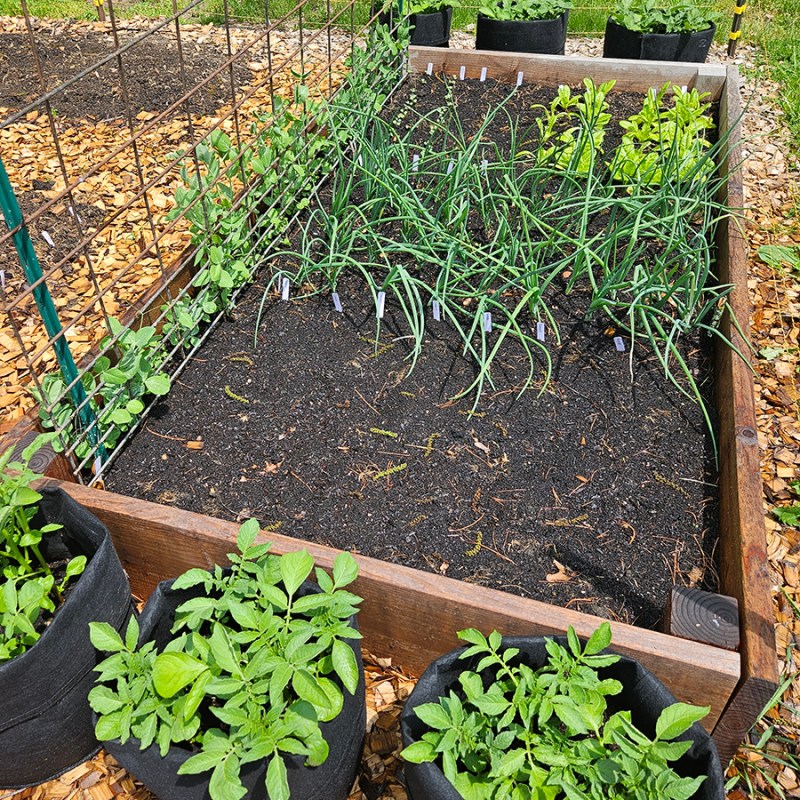
Sure you can purchase pre-made raised beds like you often see in urban homesteads. However, you can also inexpensively make them yourself using just a few pieces of lumber and some screws.
We are lucky enough to have both a traditional garden on our property as well as a few raised beds. My husband and I made the beds several years ago and they are still holding up amazingly well with very little maintenance on our end.
Between the convenience of growing in raised beds and their low maintenance, making and using raised beds can open up a whole variety of different growing options for you and your family.
Why To Use Raised Garden Beds
The Issues With Traditional Gardens
There are several reasons why you might want to consider using raised beds as opposed to in-ground gardens.

First, depending on your situation, you might not have the space or the ability to have a “traditional” in-ground garden. Traditional gardens are fairly permanent. Once you make the decision to break up that lawn, there’s really no turning back.
Sometimes, it’s out of your control whether you can dig into your property or not. Some landlords aren’t keen on allowing you to dig up their lawns just for a garden space.
While you should be able to use grow bags or can even make growing containers yourself, you might be able to talk them into letting you have a raised garden bed instead. Grow bags and containers are great, but they have their size limitations whereas you have much more options with raised beds. (Product Link: 10-gallon Grow Bags)
Other In-Ground Garden Issues
Then there’s the limitation of actually creating an in-ground garden. You need either buy, borrow, or rent a tiller in order to work the ground for the first time and make it plantable. Since this isn’t a piece of equipment that most people have lying around in their garage, this can get expensive fast.
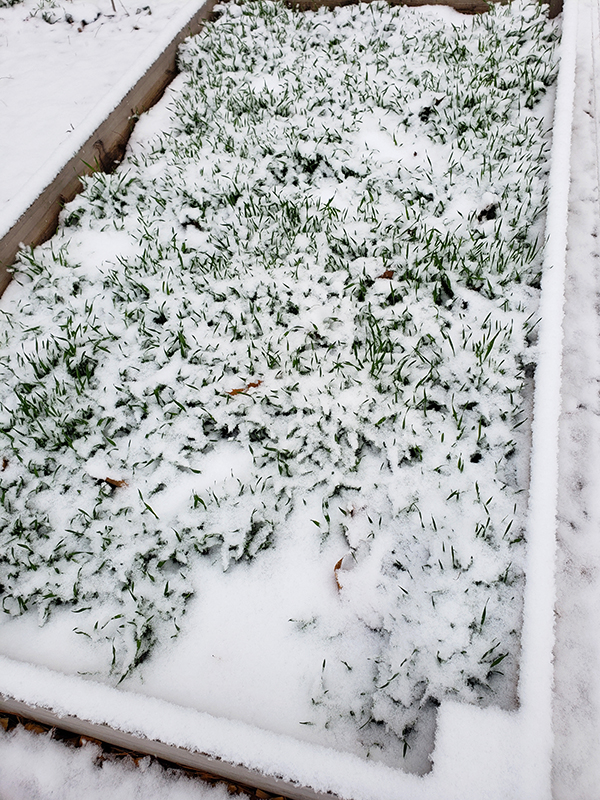
Maybe you have hard clay-like soil like we do. If that’s the case, then your soil will need to be heavily amended in order to be able to support growing vegetables and flowers after you till it up. It has taken us years to get our soil closer to idea.
Lastly, some people simply have physical limitations that make it hard for them to grow and maintain traditional gardens. You can easily amend raised beds to make them a height that will work with you and your limitations.
Benefits Of Raised Beds
Now that you know why raised garden beds might be best for you, let’s see some of their advantages.
One of the biggest benefits of building raised garden beds is their flexibility. You can cut your lumber to almost any size to fit your particular property.
Do you only have a small space for one box? No problem! A 4-foot by 4-foot raised bed will still allow you to grow plenty of delicious fresh vegetables or herbs. (That’s actually the size my father-in-law has, and he grows plenty of tomatoes to feed him and his neighbors!)
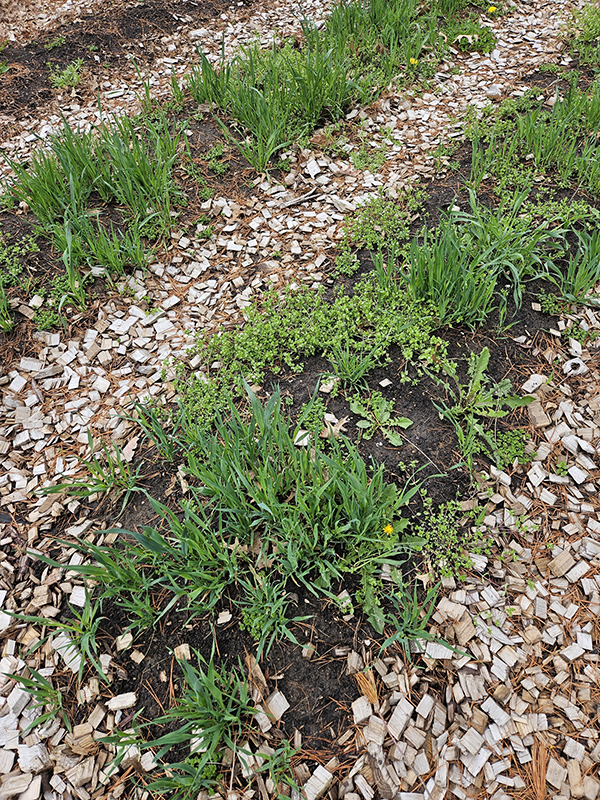
Another great benefit of using raised beds is the reduction of weeds. If you have ever gardened directly in the ground, then you know just how hard the battle against all those relentless weeds can be! That’s part of the reason why I switched my “traditional” garden to having dedicated growing rows and walking rows. It helps, but raised beds are even easier.
When you use a raised bed, you don’t have to worry as much about competing weeds sneaking their way into your growing space. Sure you’ll still get the stray weed here and there, but it is definitely way less than with in-ground gardens.
Soil Control
Probably one of the best advantages of using a raised garden bed is the control over the soil. For example, here where we live, we have dense, heavy clay-like soil. It has taken me YEARS to get my garden soil closer to where I want it. And it still isn’t 100% there yet.

But if you use a raised bed, you immediately have control over the soil composition and texture from day one! If one year your soil seems to be lacking in something, you can simply add it in the following year.
In addition to controlling the soil, the drainage is usually greatly improved with raised beds. Instead of worrying about the ground pooling up water after a heavy rain, the water typically just seeps through and out the bottom of the raised beds.
On the opposite side, raised beds can also help if you have overly sandy soil. These types of soil tend to drain moisture quickly, leaving nothing behind for the plants and vegetables.
Toxic Soil
Still on the note of soils, you don’t have to worry as much about “toxic” soil on your property. Now, before you jump all over me here with that statement, let me explain.
I don’t mean soil that is harmful to people or anything like that. I mean soil that might be toxic to your vegetable or plants. This can happen if you have black walnut trees growing nearby.
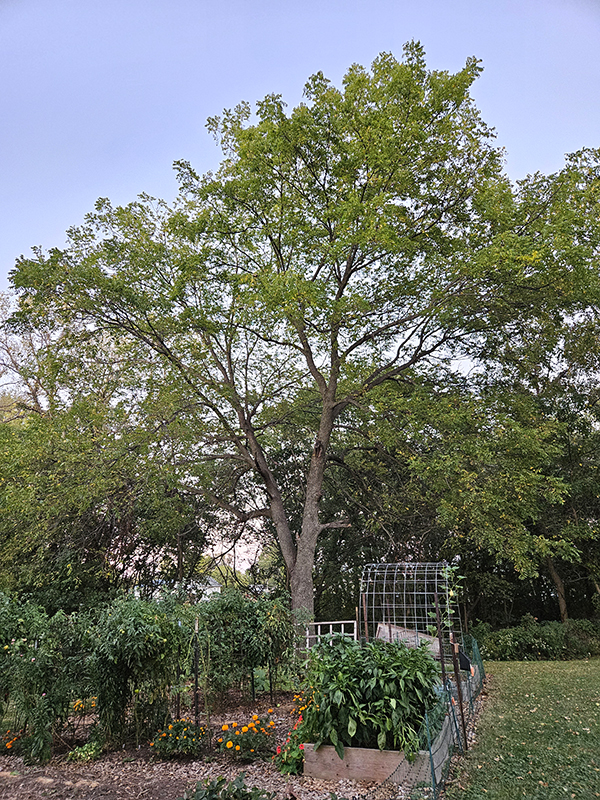
We unknowingly planted our in-ground garden next to a black walnut tree. If you know anything about black walnuts, then you know they are toxic to some plants and vegetables. They produce toxic juglone in their roots, leaves, branches, and walnuts.
By growing more sensitive plants in raised beds instead of directly in the ground, the plants stay further away from the tree’s roots and therefore the toxic juglone. You will still want to clear out the tree’s debris from the raised beds, but your chance of having healthy plants is much higher than in-ground planting.
While I love having our traditional in-ground garden, our raised garden beds are perfect for growing even more fresh vegetables, herbs, and flowers – and having more plants is always a great thing!
Until next time, thanks for stopping by!
– Chelsea
*This post may contain affiliate links. These are products I have used personally and highly recommend. As an Amazon Associate, I may earn a small commission from qualifying purchases if you purchase items through my links. These links and the ads on this page help to support my family and our semi homestead, so Thank You!
Discover more from Semi Homestead Life
Subscribe to get the latest posts sent to your email.