
Whether you are looking to attract pollinators like bees and butterflies to your vegetable garden or you just want to enjoy the beautiful blooms that bees visit, I’ve put together a great list of 8 annual and perennial flowers you can easily grow this year.

It’s no secret that the bee population has been dwindling over the years, especially that of native bees and bumblebees. Some of it is due to natural causes like invasive plants, diseases, and pests, but a large portion is due to us humans.
Land development, chemicals and sprays, manicured lawns, new roads, managed crops, and more all play a huge factor in the smaller bee population. I mean, just look around your neighborhood, and you can see why it would be hard for pollinators like bees to exist.
But what’s the big deal? Why are bees so important? The truth is that so many of our plants and vegetables are dependent on the pollination from bees. Without bees, our world would look a whole lot different. (And that’s not even counting the lack of honey we’d have on store shelves!)
So to do our part in helping out the bee population, here are eight flowering annuals and perennials you can grow to attract bees to your property to provide them with plenty of food during the warmer months.
8 Flowers That Attract Bees
Of course, this isn’t an exhaustive list of the flowers that bees love. These are just flowers I have grown in our garden and on our property that always seem to attract bees.
For the best success, plant a variety of annual and perennial flowers on your property that have staggered bloom times. This gives the bees plenty of chances to “wine and dine” from early spring up until they are tucked in warm and cozy for the winter months.
If you want to learn more about what you can do to help attract bees, check out my article, “Bringing In Bees – Tips To Attract & Help All Types Of Bees”. You can also visit The Bee Conservancy for more helpful information.
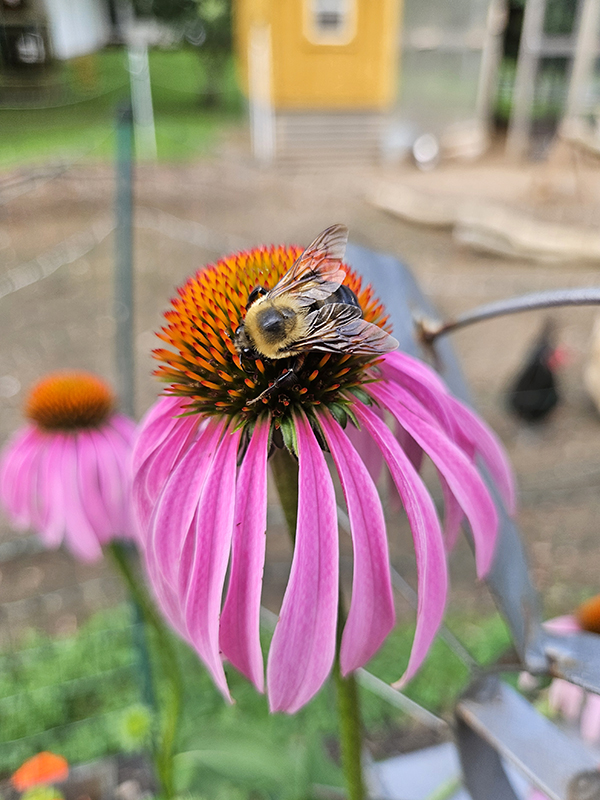
1. Coneflowers
This native perennial is a great addition to any property. Not only does it grow in a wide variety of soil conditions, but it is also able to self-seed, providing you with year after year of stunning blooms.
Since it is a native plant, coneflowers are magnets for bees and other pollinators. In addition, they are drought-tolerant and don’t require fertilizer or any extra special care. This makes them a no-brainer for most gardeners.
The purple coneflower is the most common variety and one you will see most often available. You can grow coneflowers from seeds, but it might take them a few years before flowering. You can also find transplants at most local garden centers.
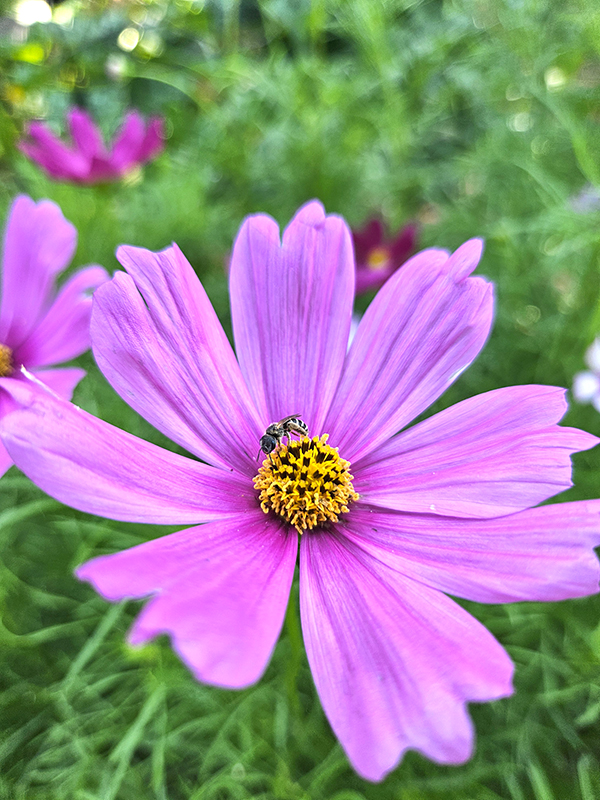
2. Cosmos – 8 Flowers That Attract Bees
If you are looking for a flowering annual that can grow in poor soil conditions and with little care, then cosmos are the flowers for you. They feature daisy-like blooms in a wide array of colors and petal types.
Some cosmos varieties grow to over six feet tall, so you want to make sure to plant them in a location that receives little wind. Alternatively, you can provide support with neighboring plants, trellises, or fences.
While it isn’t required, cosmos can benefit from deadheading. This helps to keep the flowers neat and tidy while also encouraging plants to produce even more blooms.

3. Dandelions
Sure, some people consider dandelions to be weeds, but they are actually one of the very first food sources for bees in early springtime. Long before many annual and perennial flowers start to produce blooms, bright yellow dandelions will dot yards and fields.
Unfortunately, most people simply mow the dandelions over without a second thought. Instead, consider pushing back your mowing dates to give the bees plenty of time to feast.
If your property or neighborhood has plenty of other food sources for bees, like early blooms or even flowering fruit trees, then it’s ok to mow the dandelions back. Dandelions aren’t the best quality of pollen for bees, so it’s ok to remove them if there are other sources of food available.
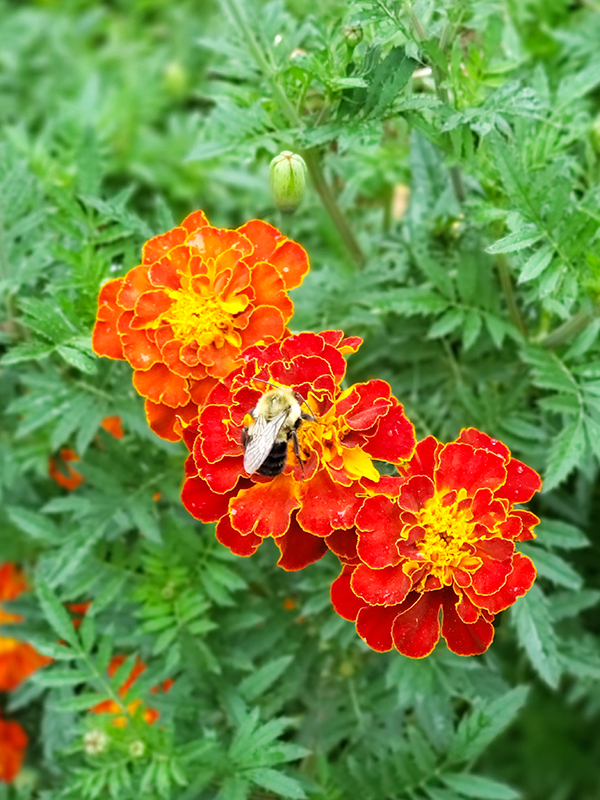
4. Marigolds – 8 Flowers That Attract Bees
Marigolds are one of my favorite flowers to grow in our vegetable garden. They provide the space with loads of benefits and are so easy to grow that they are on my “must have” list year after year.
Not only do marigolds provide nectar and a source of food to bees and other pollinators, but they are also an amazing companion plant. This is especially true for crops like tomatoes. White flies, root-knot nematodes, and even pesky rabbits all tend to steer clear if marigolds are around.
The best part is that they produce loads of stunning blooms in a variety of jewel-toned colors. You can find marigold varieties that grow as tall as several feet to more petite varities that make for a perfect border plant.
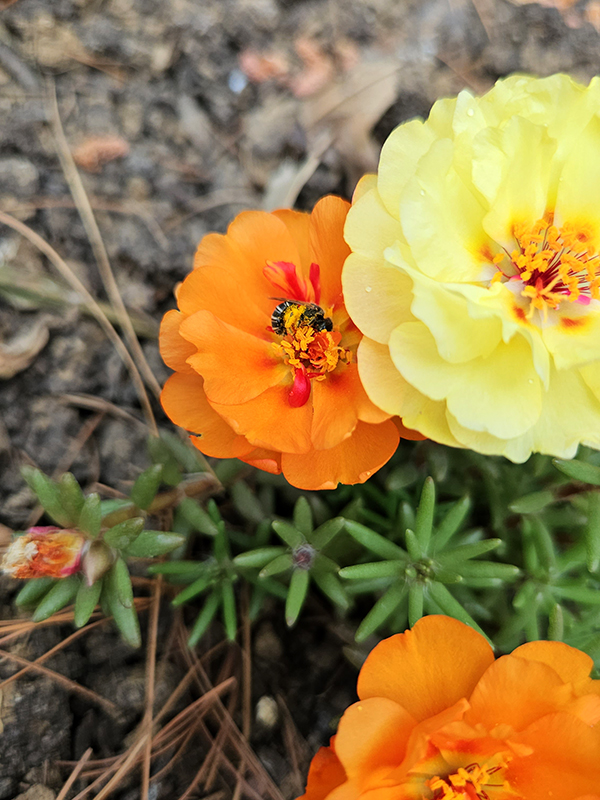
5. Portulacas
Also called “Moss Roses”, portulacas are a warm-weather-loving flower that thrives in hot locations and drier soils. In fact, if you tend to be a person who often forgets or puts off watering your garden, portulaca is the flower for you!
You can find moss roses in all different petal types, like single, double, and semidouble blooms. They come in a variety of colors that put the rainbow to shame!
Portulacas are one of my favorite flowers that react to the sunshine. On cloudy days and during the nighttime, their small blooms close up tight. Then, as the sun starts to warm them back up, the blooms open up for pollinators like bees and butterflies to feed.
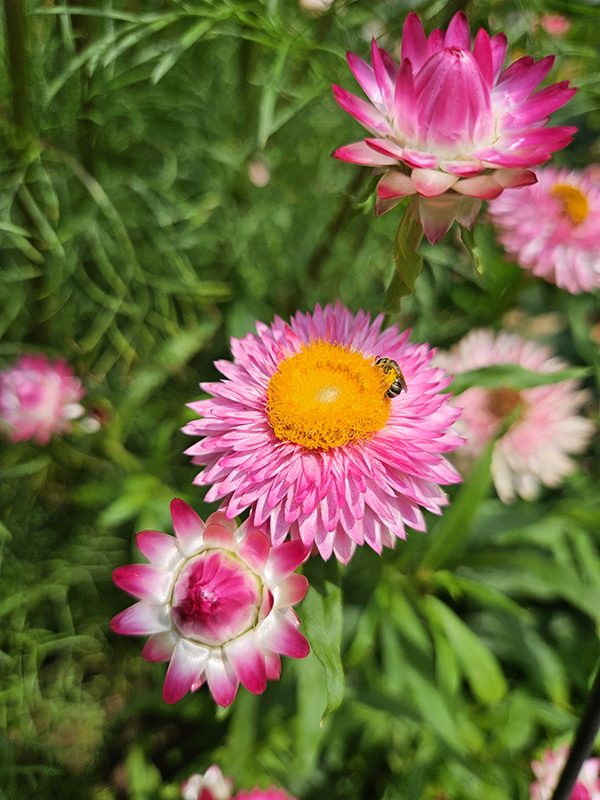
6. Strawflowers
Strawflowers are great to grow if you are into decorating your home with dried flowers. Their papery blooms hold not only their shape when they are dry, but also their vibrant colors, making them perfect for decorations and crafts.
These heavy bloomers prefer sandy and rocky soil, so avoid growing them in rich, clay-like soils. With a bit of deadheading, strawflowers will produce blooms from late spring until the first freeze, sometimes surviving light frosts.
Since strawflowers can grow to be rather tall, keep them in a location that is protected from heavy winds. Alternatively, stake strawflowers to provide support to their tall stems.

7. Sunflowers – 8 Flowers That Attract Bees
Sunflowers are definitely one of my favorite flowers to grow in our garden. I consider them to be the unofficial flower of summer, with their bright, cheerful blooms that reach up to the sun.
Not only are sunflowers a favorite of humans, partially because they are so easy to sow from seed, but they are loved by birds, bees, butterflies, and other pollinators alike. From their plump seeds to their large amounts of nectar, sunflowers are a great addition to any garden space.
Even though you can find dwarf varieties of sunflowers, most grow to massive heights. Because of this, sunflowers are perfect for growing along garden borders, next to fence lines, alongside barns or buildings, and so forth.

8. Zinnias
The last flower on this list is another favorite of mine that will always have a home in our garden. I can’t count the number of different zinnia varieties I have grown throughout the years, all with different-shaped blooms and bright, vibrant colors.
Bees and butterflies seem to adore the abundant blooms just as much as I do. Oftentimes, I’ll be in my garden working, and I am greeted by hungry hummingbirds stopping by the zinnia patch for a drink.
Zinnias are also one of the easiest flowers to grow from seed. If you choose an open-pollinated variety, you can even save the seeds to grow them again the following year.
Hopefully, this list of 8 flowers will give you some inspiration on some plants you can grow in your garden to help attract bees, butterflies, and all sorts of pollinators. Not only will you be doing your part to help save the bees, but you will be able to enjoy the stunning, bright-colored blooms as well, all summer long!
Until next time, thanks for stopping by!
– Chelsea
*This post may contain affiliate links. These are products I have used personally and highly recommend. As an Amazon Associate, I may earn a small commission from qualifying purchases if you purchase items through my links. These links and the ads on this page help to support my family and our semi homestead, so Thank You!
Discover more from Semi Homestead Life
Subscribe to get the latest posts sent to your email.