
There are so many different advantages of using sand as a chicken coop litter instead of some of the more common ones like wood shavings or straw.
Yes, I said “litter” as opposed to “bedding.” Most livestock like to bed down for sleeping and napping. Picture a large hog burrowed deep into its house surrounded by loads of straw. This is when bedding is required.
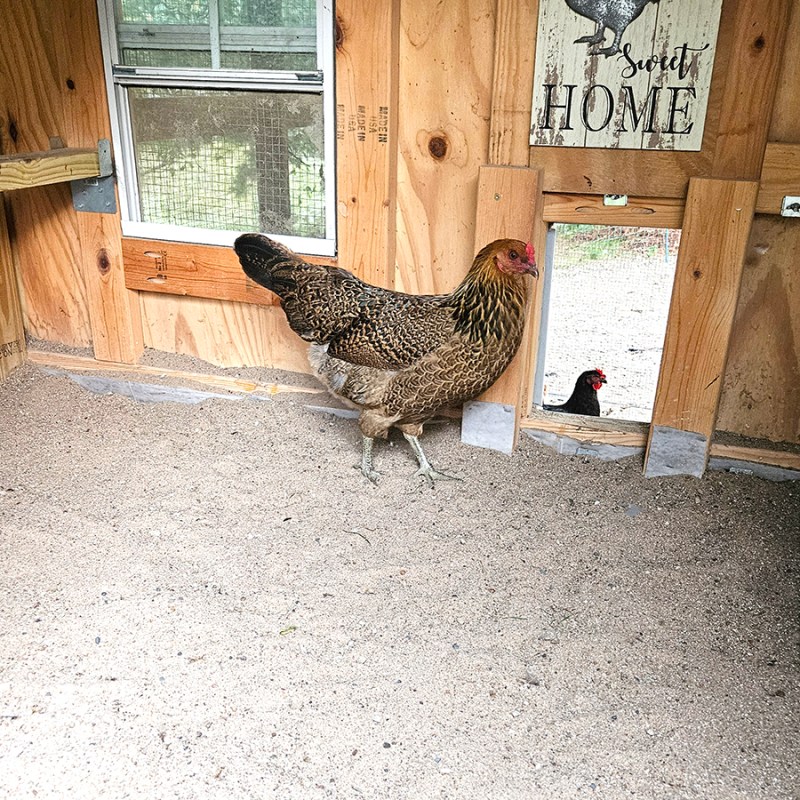
Chickens, however, don’t actually “bed down” to sleep. Instead, they sleep on roosts. Typically, these roosts are bars or boards that are raised up in the air. If the chickens don’t sleep in coops, they actually sleep up in trees or other places off the ground. This elevation helps to keep them safe and away from most predators.
So the term “bedding” doesn’t actually apply when it comes to chickens. Even when they sleep, they do so upright and off the floor.
Instead, what chickens need is litter – something to collect their droppings and keep the coop and run dry and clean. And, one of the best and easiest litters to use is sand, as you will soon find out!
4 Advantages Of Using Sand In Chicken Coops And Runs
1. Economical Advantages
Sand has been used as a chicken coop litter for a long time – and for good reasons! To begin with, it can be a lot more economical over time than either wood chips or straw.
While you can purchase sand in bags at home improvement or farm stores, you can also purchase it in bulk. This makes it a lot easier and cheaper to get a large quantity of sand at one time – And usually for a lot less money.

The key is to make sure that you are purchasing the right type of sand. You want to get construction-grade sand. Sometimes it is referred to as river sand or washed sand. Do not purchase playground sand! You can read more about which specific type of sand to get in my article, “Using Sand As Litter In Chicken Coops – How To Use Sand“.
Also, unlike the other litter like wood chips or straw, sand doesn’t need to be replaced. As long as it is well maintained and cleaned, you can keep the same sand in your chicken coop or run for years. You might just need to top it off after a couple of years or so. So while the upfront cost might be a bit higher, it will be much cheaper (and less of a hassle) in the long run.
2. Drains Better – Advantages Of Using Sand
Sand is one of the best well-draining litters available. Even though it can get wet, it is quick to dry out after only a few hours. (At the most a few days depending on how saturated the sand gets. Raking around the sand helps it dry out much faster.) This makes it a lot safer for your birds since excess moisture can lead to all sorts of health issues.
At the same time, the sand can absorb the moisture from the droppings to help keep coops and runs as dry as possible. This also helps to reduce the amount of flies that might hang out in your coop.
Flies do more harm to chickens than just buzzing around. Just Google “fly strike” to find out what I mean. (Warning – Not for the squeamish!) After reading about that, you’ll want to take as many steps as possible to keep flies out of your coop and run!

While sand does take a bit of daily maintenance, it is very minor in comparison to other methods of turning or layering on new litter each week. (Not to mention the backbreaking task of removing it if you do the deep litter method!)
All you need is a simple kitty litter scoop and a large sifter. Spending about 5 to 10 minutes a day is all that is needed to keep your coop and run clean, dry, and ammonia and fly-free. I simply go out and scoop up the droppings and feathers just like you would with a cat’s litter. (Product Links: Extendable Kitty Litter Scoop and Large Soil Sifter)
3. Regulate Temperatures – Advantages Of Using Sand
Sand can also work to regulate and maintain temperatures within coops a bit better than other materials. It keeps coops a bit cooler in the summer months and insulates it against the cold in the wintertime.
Here in the Midwest (Illinois to be exact), we experience all sorts of different temperature swings. From temperatures above 90-100º Fahrenheit during the summer months to sub-zero temperatures in the winter, we experience it all.
The sand does a great job of keeping the chickens cooler during those hot spells in the summer. The girls simply burrow down a few inches into the sand where the ground is nice and cool.

On the flip side, sand will also not freeze in the winter like other litter that becomes wet might do. Straw or wood shavings can freeze in clumps if they happen to get wet and then the temperatures drop, but is little fear of that with sand.
However, even though the sand itself doesn’t freeze, the chickens’ droppings will. This makes scooping out the coop and run even easier in the winter months! It’s a simple “bonus” you get for going outside and freezing your butt off to take care of freeloading chickens all winter long!
4. No Need For Dust Baths Or Grit – Advantages Of Using Sand
Using sand in your coop also means that you don’t have to provide the birds with a separate space for dust bathing. This is a task that is a natural instinct that chickens love to do on a daily basis.
Dust bathing can help to clean a chicken’s feathers by removing excess oil, dirt, and pests. Even if the chickens only live in grass or other surfaces, they will still continue to dust bathe. They just won’t be able to accomplish the cleaning part if all they have is grass or straw to bathe in.
At the same time, if a chicken has muddy feet, the sand will help to clean their feet as they walk through it on the way to the nesting boxes or roost at night. Instead of a nesting box full of mud and water, there will be only a bit of sand, if that.
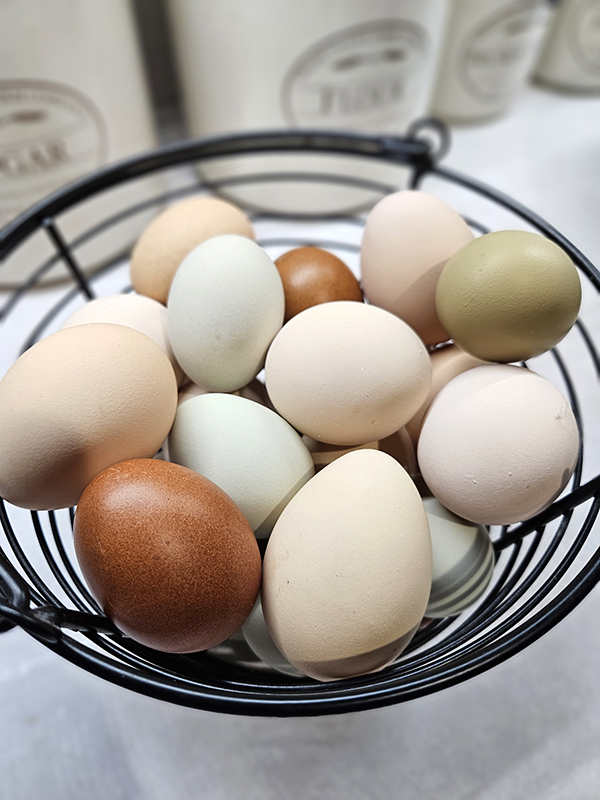
Sand also takes care of their grit requirements. Since chickens don’t have teeth, they need something to help them break down foods to aid in digestion. The chickens can simply eat a few pieces of sand as needed to get the grit they need into their crops.
Negatives Of Sand
Now, I wouldn’t be fully honest if I didn’t also mention a few of the negatives of using sand along with all of the advantages. The worst as far as I am concerned is the dust factor.
Sand can get rather dusty, especially in the winter when I have the run protected with clear plastic. I just make a point to shop vac it in the spring real well when I open the run back up. If I am doing an extensive cleaning or raking, I will wear a mask, but it usually isn’t needed. (Product Link: Warp Bros Flex-O-Glass)
The other negative is that it doesn’t really compost. You can, however, still add it to your compost. The small amounts of sand in the scooped-out litter will only help to make the soil better draining and looser.
Aside from those small negatives, I love having sand in my chicken coop and run and I encourage you to consider switching to it as well!
Until next time, thanks for stopping by!
– Chelsea