
By using a simple seed inventory list, you can keep your saved seeds organized and ready to use for the upcoming year. No more guessing and trying to remember exactly what you have on hand when the new seed packets and catalogs come out each winter.
I get it. All those brand new seed packets that start showing up everywhere are so tempting! And if your mailbox or post office box is like mine in the winter, then it is likely stuffed full of seed catalogs advertising the upcoming gardening season. It’s almost like Christmas seeing those catalogs lying inside our post office box!

Between all those seed catalogs and the endless rows of seed packets gracing store shelves by late winter, it can be so easy to blow your entire gardening budget on new seeds. While purchasing seeds is still cheaper than transplants, it can still be quite a drain on your pocketbook.
Just like everything else in the world these days, the price of seed packets has also risen. This causes many gardeners to try to watch every penny spent. So it can be really frustrating to spend money on a seed packet only to find out that you already have it at home.
Using a basic seed inventory list can fix that issue. And since most seeds can be kept for multiple years, you can rest assured knowing you already have a great head start to next year’s gardening season – all without purchasing any new seeds!
Using My Free Seed Inventory List PDF
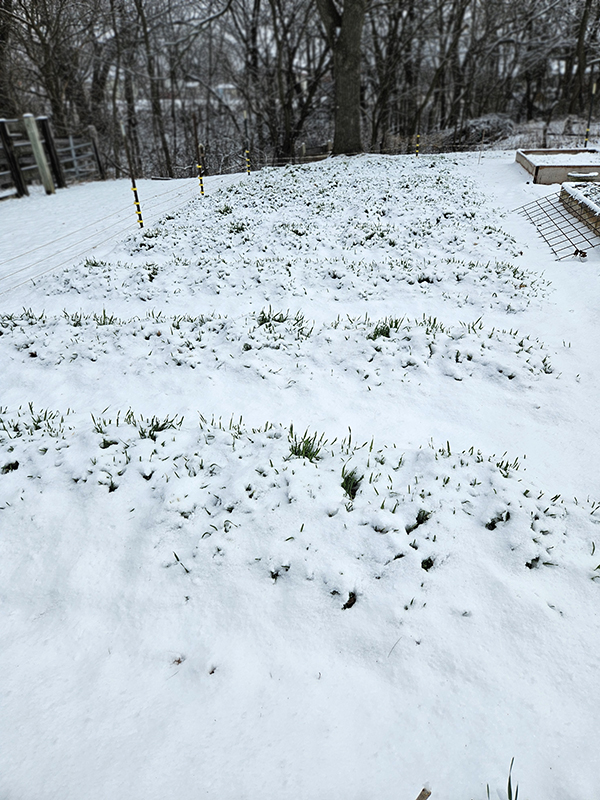
Over winter, I spend hours sitting down with a warm drink in my hand and thumbing through the pages of endless varieties of amazing-looking seeds. All while there is a thick blanket of snow covering my precious garden.
I suppose it’s the adult version of thumbing through a JCPenney or Sears catalog during the holidays like I did as a kid. (I’m sure that dates me!) It’s one of my favorite parts of winter here in the Midwest – the dreaming and planning of next year’s garden.
However, before I know it, my “shopping cart” starts to get out of hand. There are always new varieties I want to try that get added to my cart. But there are also the tried and true favorites that end up in there as well. And more times than not, I end up buying tons of seeds that I already have simply because I’ve forgotten which varieties I saved from starting my seeds indoors or from directly sowing them in the garden this past year.
So, to help remedy this, I started making a Seed Inventory List that I can refer to before I purchase more seeds. And I want to share that list with you! (You can download your free copy below.)
Tips On Saving Seeds On Your List
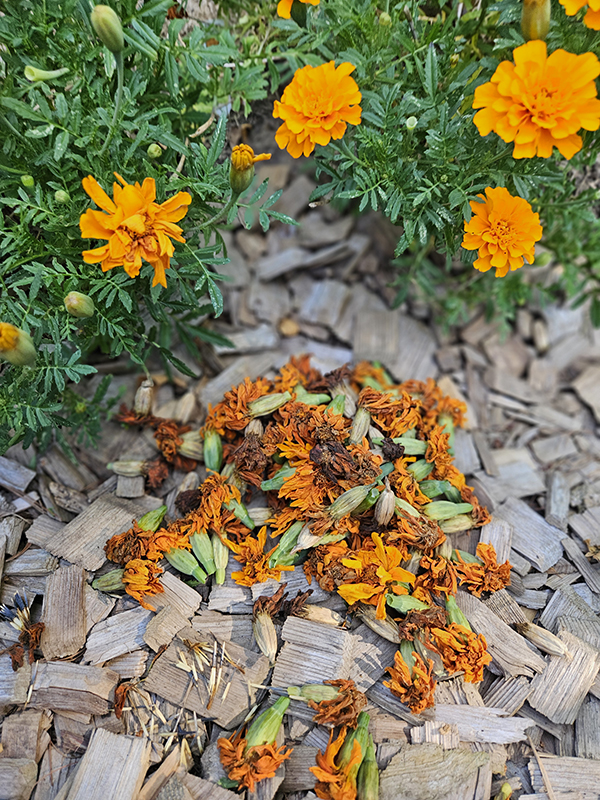
Did you know that all of your extra seeds or unused seed packets can actually be kept and stored for more than just one year? In fact, most types of seeds are viable for several years.
Most seed companies print a year on their packets that indicate when the seeds were packaged. They will sometimes state “packaged for YEAR”. Others will simply put the year and nothing else.
However, this date isn’t an expiration date isn’t like you have with perishable foods. It’s only an indication of when the seeds were packaged. Seeds can typically last at least a couple of years without losing viability or quality as long as they are stored properly.
The key is to keep the seeds in a cool and completely dry location that is out of direct sunlight. You can read all about saving seeds in my article, “Storing Saved Seeds – Preserving Vegetable & Flower Seeds“.
Checking The Seeds For Viability – Using A Seed Inventory List
If you are concerned about the viability of the saved seeds on your inventory list, you can do a simple germination test. The goal is to take a few seeds and force them to germinate. You then count the seeds and get a percentage for your viability.
To do this, take a few seeds from your packet and place them on the bottom half of a damp paper towel. Fold the paper towel in half so that the seeds are in between the two pieces.
Place the damp paper towel into a ziplock bag, label it with the date and variety, and seal it. Place the packet someplace warm where it will be undisturbed. Check the paper towel each day to make sure it stays damp. Spritz it with water if it has started to dry out.
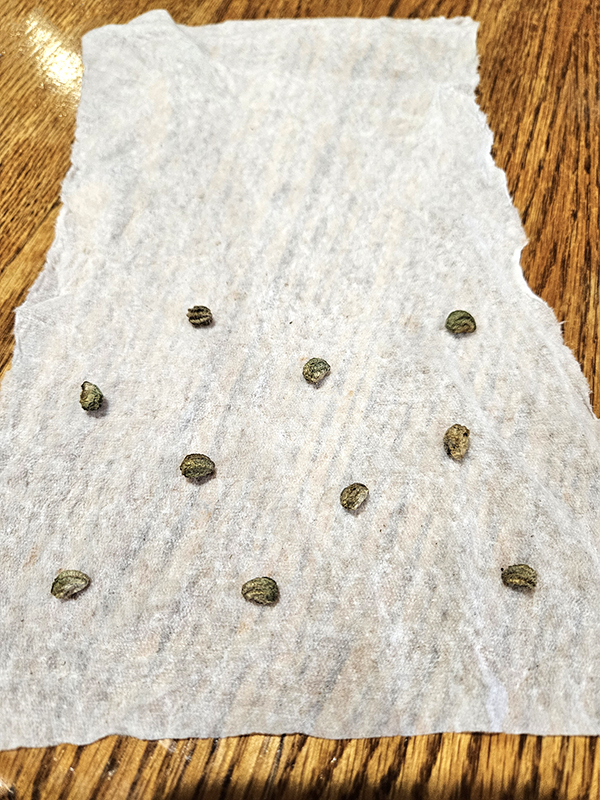
Wait until after the typical germination timeframe for your particular seed has passed. Then wait a few more days. Count the number of seeds that have germinated compared to the ones that didn’t. The percentage is your germination rate.
Understanding The Results
If you start with 10 seeds and only 6 germinate, then your rate is 60% (6 seeds out of 10). Keep in mind that seed companies are only required to meet the minimum standards to sell seeds in the US. Tomatoes only have a minimum requirement of 75% germination rate. Carrots have a minimum of 55%.
Just because you have a low germination rate doesn’t necessarily mean your seeds are bad. You just need to keep that percentage in mind when you go to plant your seeds. If it is lower, simply plant a few extra seeds just in case. If no seeds germinate though, it’s probably time to toss the seeds and remove them from your inventory list.
The Downloadable PDF
The Seed Inventory List PDF is nothing fancy, but it’s a great way to write down exactly what seeds you have on hand. It keeps me more organized, and I thought that you might enjoy having something similar as well.
Some people like using an Excel spreadsheet, but for some reason, I’ve never been one of those people. I still prefer good old paper and pen (you have to love a nice pen!). Anyway, that’s why I went the PDF route.

You can download the list and print it for ease of use. If you are more tech-savvy, you can also save the pdf file and fill it out like a digital form to be saved on your computer or phone. There are two sheets for those who tend to save lots of seeds.
Hopefully, between using the below seed inventory list and storing your seeds properly, you will save money, produce less seed waste, and rest assured because you already have a great head start on next year’s gardening season – no purchases required!
Until next time, thanks for stopping by!
– Chelsea
*This post may contain affiliate links. These are products I have used personally and highly recommend. As an Amazon Associate, I may earn a small commission from qualifying purchases if you purchase items through my links. These links and the ads on this page help to support my family and our semi homestead, so Thank You!
Discover more from Semi Homestead Life
Subscribe to get the latest posts sent to your email.