
If you are looking for a basic vegetable garden planting guide for the month of April and live in Growing Zone 5, then this is the place to be! I cover what crops you can directly sow in the garden in April, what plants to transplant, what crops to hold off on planting, and what crops to start seeds indoors. I’ll also throw in a few April chores you can tackle as well this month.
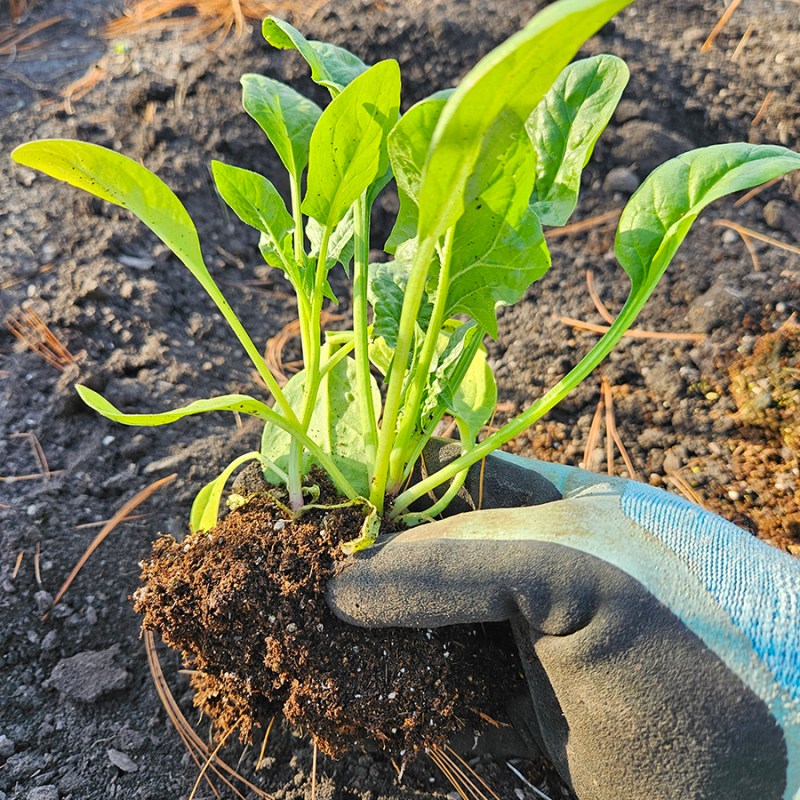
When it comes to planting vegetables and seeds in the garden, doing it at the right time can make a huge difference in the success of your harvest. Not only can planting too early result in stunted plants, but it can also bring about even more issues.
April is a time for transition. It’s not quite winter, yet it’s not quite spring weather either. It’s the time of the year when we get to experience multiple “false springs” one day and the next, get blessed with a fresh powdery blanket of snow! That popular saying, “if you don’t like the weather, wait a few days,” is very much true here in the Midwest!
The up-and-down weather can make it very difficult to know what you can and can’t plant in the garden. While many warm-weather-loving crops like tomatoes and peppers are better left indoors or in greenhouses, there are still plenty of crops you can plant in the garden during the month of April in Growing Zone 5.
All About Growing Zone 5
I live in Illinois, which is Growing Zone 5. If you are in the same growing zone as me, then you can use this guide to show you what you can and can’t plant during the month of April. But before we jump into the exact crops you should and shouldn’t plant outside in April, let’s talk a little bit about what it means to live in Growing Zone 5.
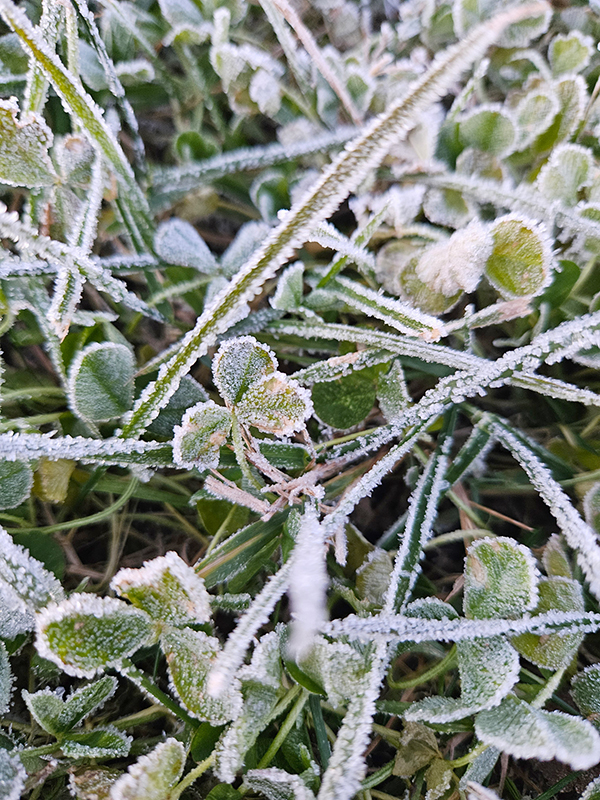
There are a total of 13 Hardiness Growing Zones. Many of the zones are even broken down into “A” and “B” subcategories. Zone 1 is the coldest and Zone 13 is the warmest. (You can find your specific growing zone by going to the US Department of Agriculture (USDA) website. It will tell you the exact zone and subzone you live in.)
Growing Zone 5 has cold winters with temperatures that get down to as low as -20º Fahrenheit (F) for Subzone 5a and down to -15º F for Subzone 5b. We are considered to have a medium-length growing season, with the last frost date around the end of April to the middle of May, and a first frost date in October.
In order to have perennial plants survive in Zone 5, they need to be cold-hardy and able to handle the harsh winters Zone 5 often experiences. Mulching is also highly recommended for those living and growing in Zone 5.
Ok, now that we’ve covered that, let’s get on to the actual planting guide for April!
Crops You Can Direct Sow – April Planting Guide For Zone 5
When it comes to direct sowing seeds in April, the soil has to be workable (i.e., not frozen!). The crops below germinate best in soil temperatures of around 40 to 50º F. You also don’t want the soil to be too soggy either. Overly saturated soil often can lead to rotting seeds.
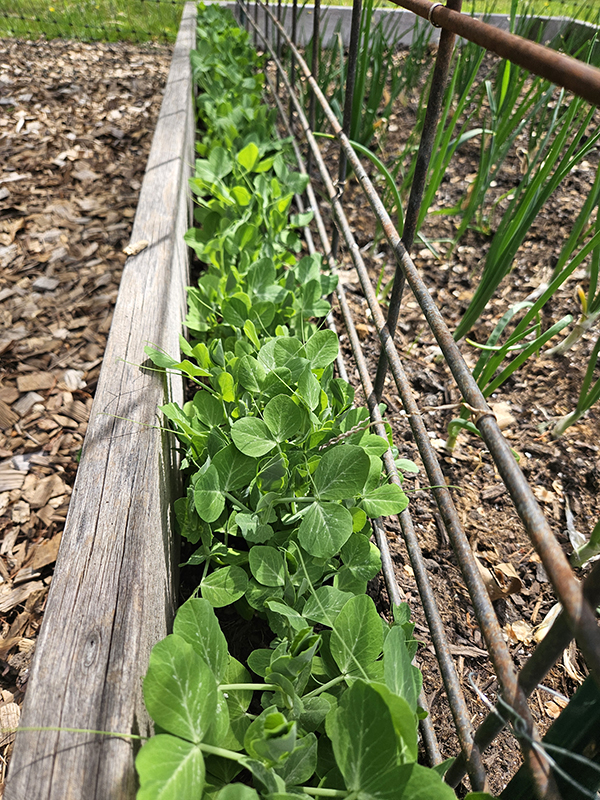
Cold and/or damp soil is what is most frustrating for gardeners in Zone 5 during April, since it’s not uncommon to get hard freezes and even snow. This month also brings about lots of rainy weather, if the temps are warm enough.
One way to get around the frozen, damp soil is to Winter Sow. Winter sowing uses Mother Nature’s own timetable to get the seeds to germinate. However, by planting in containers, you have a bit more control over the moisture levels in the soil. (See my article, “6 Steps For Winter Sowing – Starting Garden Seeds Outside” for more information.)
However, if your garden soil is workable, here are a few crops you can direct sow seeds in April:
- Early to Mid April: Arugula, Beets, Carrots, Chives, Kale, Lettuces, Mustard Greens, Onions, Parsley, Parsnips, Peas (Snow and Snap), Potatoes, Radishes, Spinach, Turnips
- End of April: Celery, Coriander, Dill, Fennel, Swiss Chard, Watercress
Crops You Can Transplant
April is a good time to get some of your indoor started seedlings transplanted outside in the garden. Or, if you don’t have the space or patience to start your own seeds indoors, you can purchase transplants instead and get those in the ground.
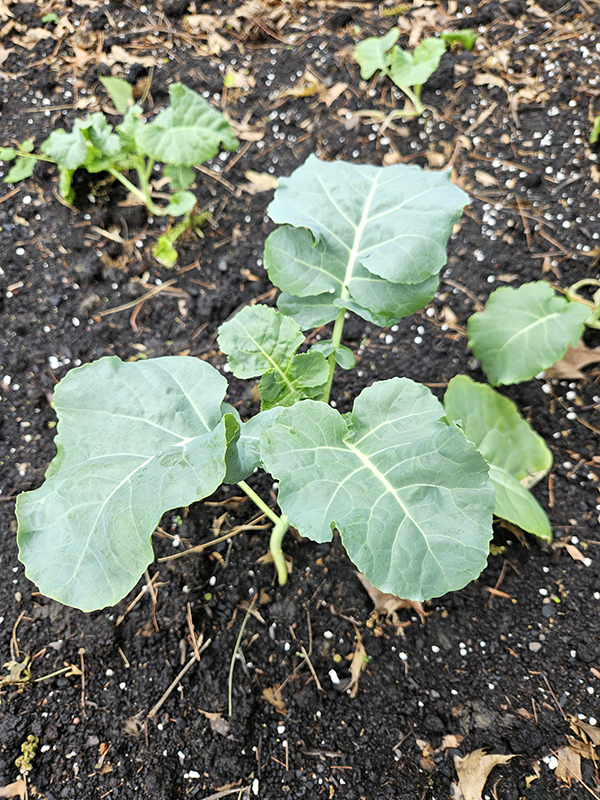
If you started seeds indoors, make sure you harden them off before planting them outside. If you want more information about that process, check out my article, “Why And How To Harden Off Tomato Plants And Other Seedlings”.
Here are some crops that are great for transplanting in April:
- Early to Mid-April: Asparagus, Cabbage, Chives, Collards, Lettuces, Mustard Greens, Onions, Spinach
- Late April: Arugula, Beets, Broccoli, Brussels Sprouts, Cauliflower, Kale, Leeks, Swiss Chard
Wait To Plant These Crops – April Planting Guide For Zone 5
Even if the weather starts to warm up in April when you live in Zone 5, don’t trust it! It almost always will get cold again.
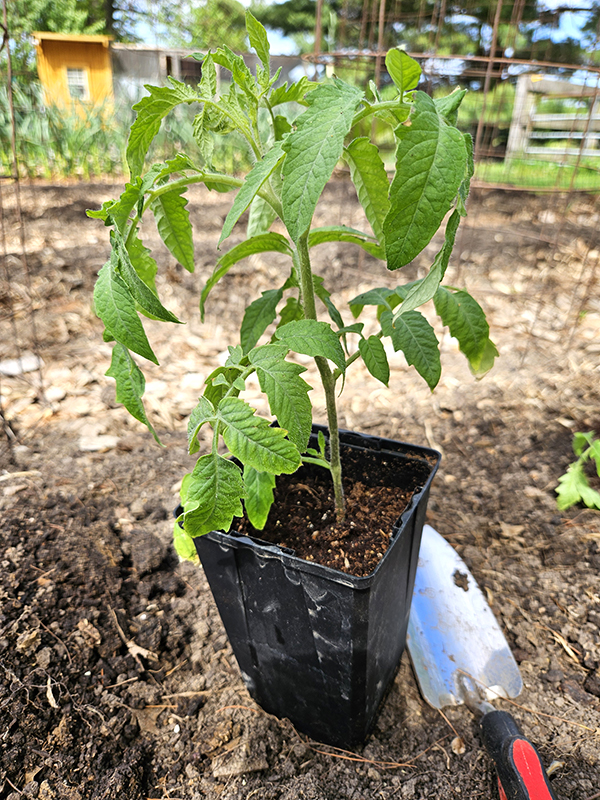
Because of this yo-yo effect in the weather, hold off on planting either the seeds or transplants of warm-weather crops until mid-May. (Memorial Day weekend seems to be the ideal timeframe for most folks around here.) These crops are a bit more sensitive to colder temperatures and will be stunted after planting or might end up dying altogether.
For best results, the daytime and nighttime temperatures should be in the mid-50ºs. The soil should also be at least 55º F (70º F is ideal).
Wait To Plant Either Seeds or Transplants: Beans, Corn, Cucumbers, Eggplant, Peppers, Summer Squash, Tomatoes, and Zucchini.
Seeds To Start Indoors In April
Most often, I try to start most of my indoor seeds sometime in the middle of March. This is really important for crops that need a long growing season, like peppers and tomatoes.
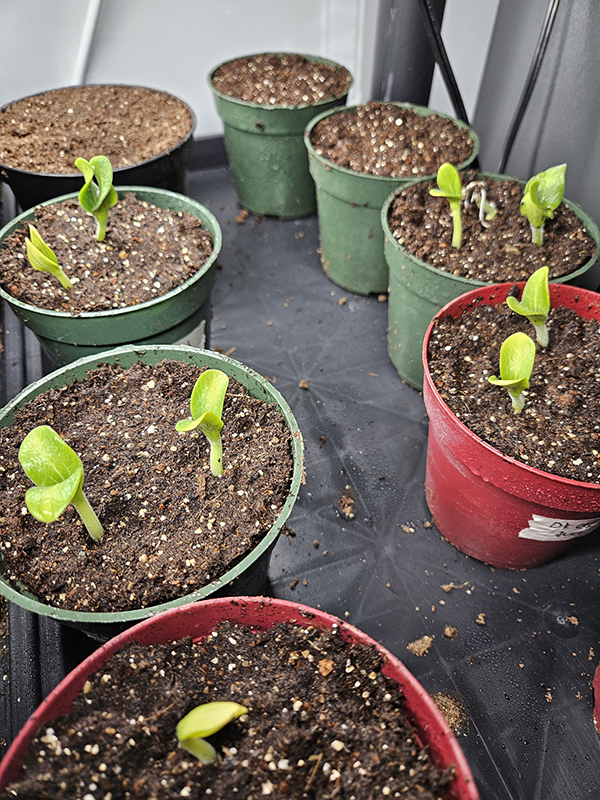
However, there are still several crops that have a bit shorter growing season that you can still start indoors during the month of April:
- Early To Mid-April: Basil, Borage, Broccoli, Brussels Sprouts, Cantaloupes, Cauliflower, Fennel, Mustard Greens, Okra, Spinach, Swiss Chard, Tomatillos, Turmeric, Watercress
- Late April: Cucumbers, Honeydew Melons, Pumpkins, Watermelons, Winter Squash, Zucchini
To learn all about starting seeds indoors, check out my article, “Indoor Seed Starting 101 – A Complete Beginner’s Guide”. Besides that guide, I have several other articles on the topic you can search for as well.
Other April Chores – April Planting Guide For Zone 5
In addition to working with seeds and seedlings, there are a few chores or tasks that you can do in order to prepare for the busy growing season.

First off, go through your garden and pull out any weeds that have started to take root. This includes dandelions, thistles, grass roots, etc. Doing this after a heavy rain can make the process work a little easier. When the ground is dry enough, give the growing areas a good till if needed.
If you planted a living cover crop, it’s time to mow that down to kill it off. Many crops start growing again as soon as the weather gets a little warmer, even as early as March, so you need to stay on top of it.
Start working again on your compost pile. Once it thaws out, start turning it so the materials can begin warming up. If you have finished compost, spread it on the growing areas of your garden.
Lastly, top off any raised beds or containers with fresh soil. After a long growing season, that soil gets depleted and needs replenishing each year.
Now that you have the April garden under control, it’s time to look to May!
Until next time, thanks for stopping by!
– Chelsea