
Do you live in the Midwest and are looking for some different flowers and plants you can grow on your property that are perfect for attracting butterflies and other beneficial pollinators?
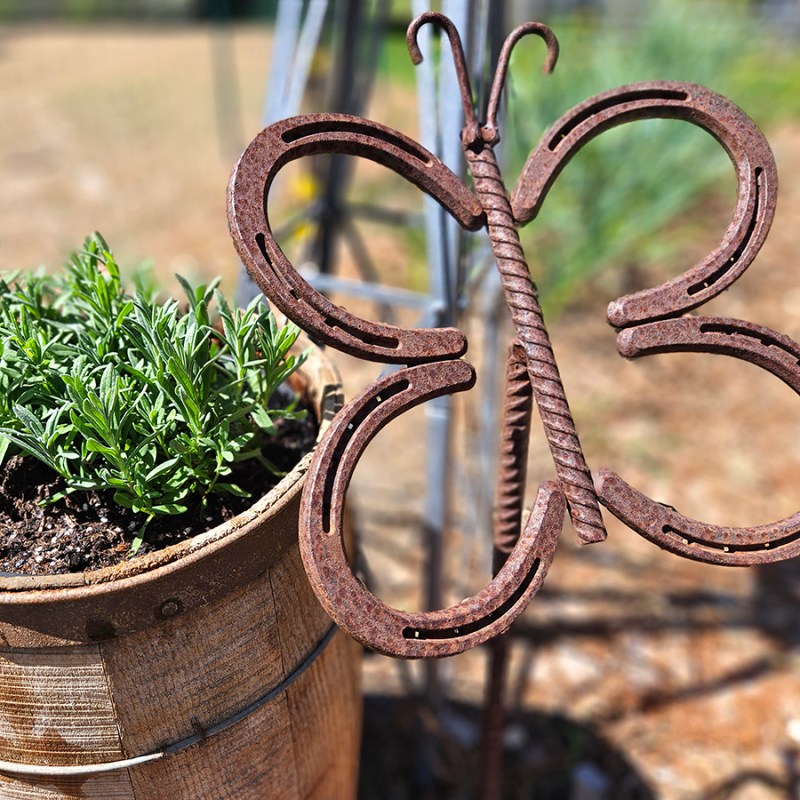
One of the best pollinators to have around your vegetable and flower garden is butterflies. These flying pollinators travel from bloom to bloom, drinking up nectar and transferring pollen from one plant to another.
While some people grow specific “butterfly gardens” on their property, you don’t have to go to quite extremes to draw in these colorful flyers. In fact, many of the flowers and plants you already have growing in your garden may already be magnets for butterflies.
It’s easy to incorporate a few basic flowers and plants in your garden here and there to help draw them in. As long as a few basic needs are met for the butterflies, including lots of sunshine, a source of nectar, a host for their eggs and larvae, and a bit of shelter, then chances are you can easily attract butterflies to your home.
I’ve put together a list of 11 plants that flourish in our varied climate that you can easily include on your property. There’s a variety of plants included, both annuals and perennials, as well as plants that bloom during both the spring and summer months.
A Bit About Nectar
Butterflies feed on nectar, a sugary fluid that some plants produce, typically within their blooms. This substance encourages pollinators like bees, butterflies, and hummingbirds to feed, thus pollinating the plants in return.
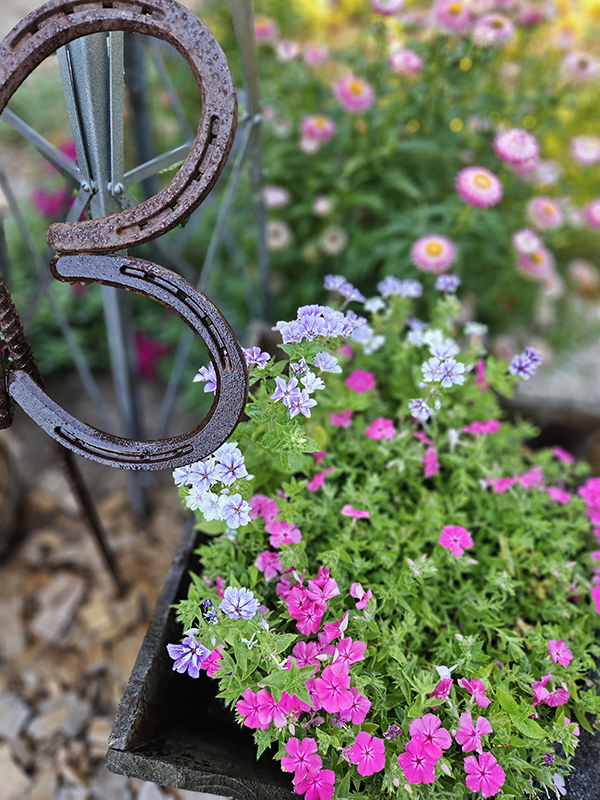
Not all plants produce nectar or at least large quantities of it. Plants that produce pollen that get moved by the wind and water typically don’t contain nectar. Some flowers, like roses, rely more on pollen as opposed to nectar to attract pollinators.
Thankfully, some of the best nectar-producing flowers and plants are native species to the Midwest. One of the best advantages of growing native plants is that they flourish in the local climate and require very little care or maintenance.
Different species of butterflies will require different plants for nourishment as well as host plants for their eggs and their larvae to feed on. Including a variety of plants and flowers in your garden will help ensure that multiple different butterfly species make their way to your home.
Now on to some great examples of plants and flowers you can grow to attract butterflies here in the Midwest. This is definitely not an exhaustive list, but it includes some of the plants that are my favorites to grow.
Attracting Butterflies To Your Midwest Property With These 11 Plants & Flowers
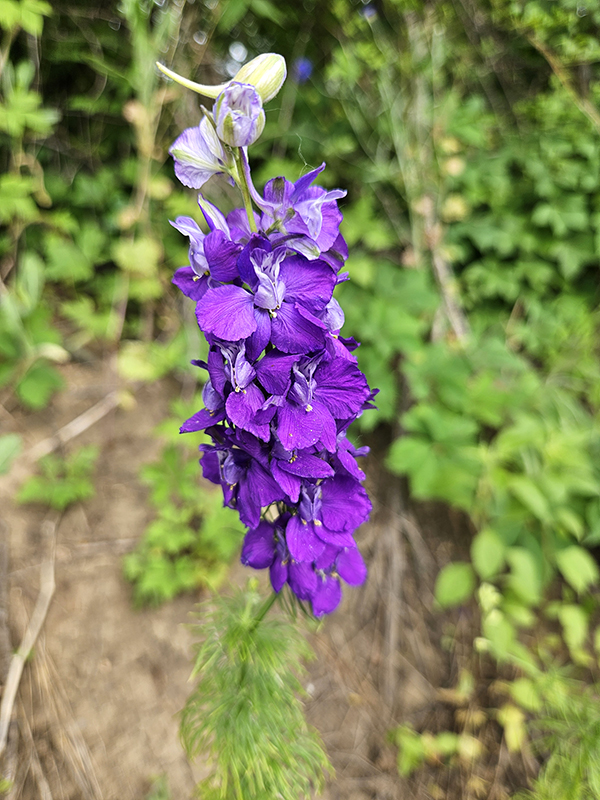
#1: Wild Larkspur
Known for adding color and texture to cottage gardens, Wild Larkspur is a great perennial plant for attracting butterflies to your property. Wild Larkspur is a Delphinium variety that is native to some locations in the Midwest, including the prairies and rocky glades.
Wild Larkspur is easy to grow from seed and produces blooms in shades of blue, purple, and pink. This variety grows several feet tall, making it a perfect choice for adding vertical interest and color to your home.
Wild larkspur is great for growing along fences, walls, and buildings since the structure adds a bit of support to the tall flowering plants. Plants will put out blooms during the late spring to early summer months.
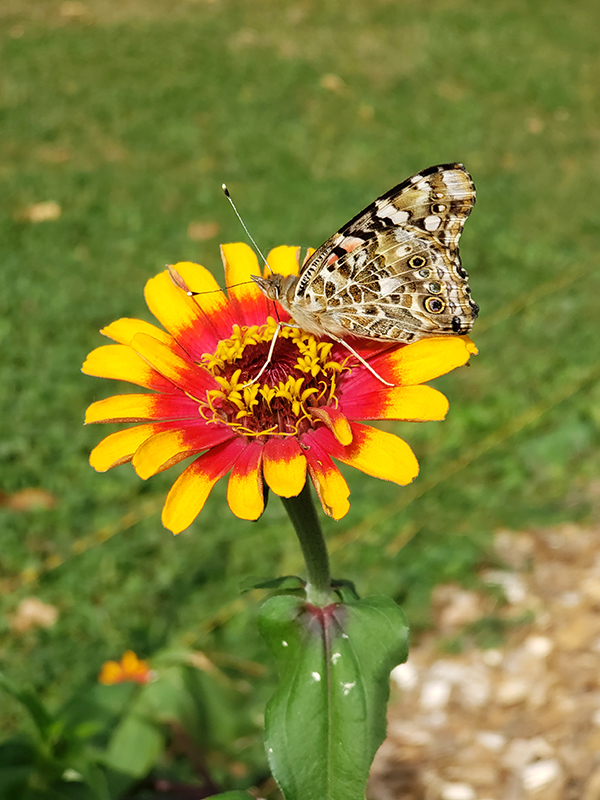
#2: Zinnias – Attracting Butterflies in The Midwest
Zinnias are annual flowers that are super easy to grow from seed. They produce multiple brightly colored blooms in all sorts of different colors and shade combinations.
Considered to be a cut-and-come-again flower, the more you harvest and deadhead their blooms, the more flowers they produce. Their cut flowers make for some really pretty table arrangements, too.
Painted Ladies, Monarchs, Swallowtails, and more are all attracted to zinnias. However, avoid choosing varieties that have double blooms since those can be more difficult for butterflies to access.
#3: Milkweed
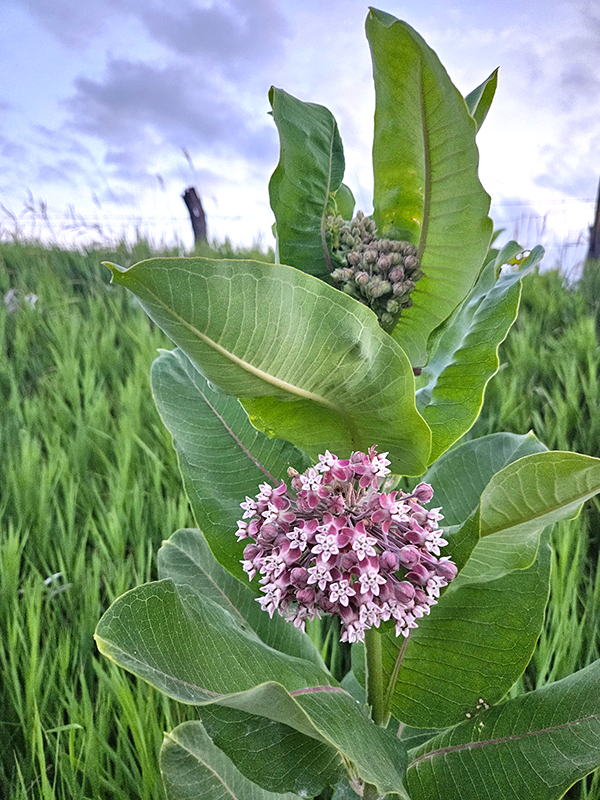
If you want the best chance at attracting monarch butterflies, then milkweed is the plant to grow. While monarch butterflies visit multiple different flowers for nectar, the milkweed family is the only host for their eggs and the food source for their caterpillars.
While milkweed is mostly known for its sticky, white sap that it produces when a leaf or stem is broken off, milkweed also produces beautiful blooms. Different varieties will bloom in late spring and throughout summer.
There are over 100 different milkweed varieties that are native to North America. When picking out seeds, choose a variety that will flourish in the Midwest climate. Be cautious with Common Milkweed, though, because it has a tendency to take over the location it is growing in. Fun fact: Milkweed is the state wildflower for Illinois!
#4: Lantana – Attracting Butterflies in The Midwest
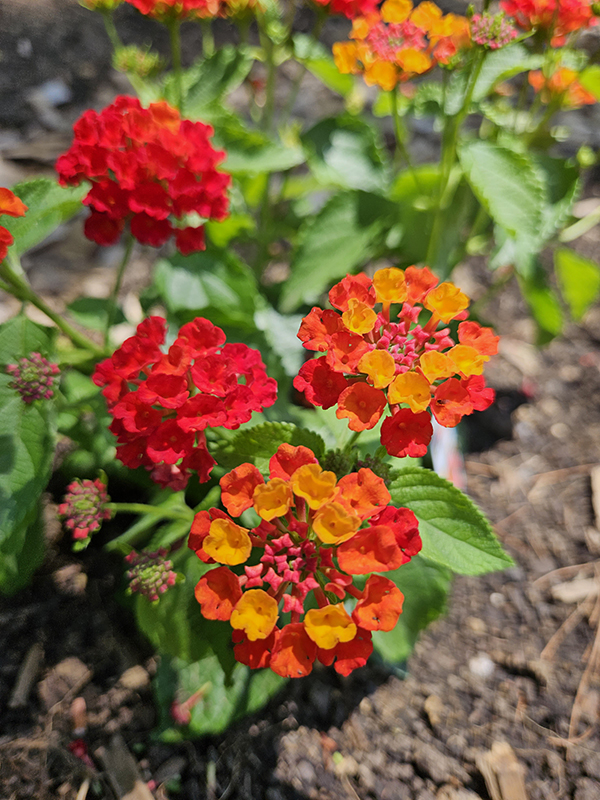
Lantana is one of my favorite flowers to grow due to its multiple blooms in a stunning kaleidoscope of colors! Butterflies like Painted Ladies, Swallowtails, Monarchs, and more visit these vibrant blooming flowers.
Lantana flowers grow in compact clusters that contain multiple tiny bell-shaped blooms. The shape of the clusters creates a perfect landing strip for butterflies to rest on while they feed on the nectar-rich blooms.
While lantana is a perennial in warmer climates, it is normally grown as an annual here in the Midwest. You can grow it either by seeds if started indoors or by transplants.

#5: Dill
If you are looking for an herb you can grow that will not only power your dishes in the kitchen but also help out butterflies, then dill is the one to try. But unlike most flowers on this list, it’s not the blooms that attract butterflies. Instead, it’s the thin, feathery fronds.
Dill is used as a host plant for the eggs and caterpillars of butterflies. Most specifically, various swallowtail butterflies.
After the eggs hatch, the larvae will feed on the foliage of dill. If you plan on growing dill for your own personal use as well as for the butterflies, just be sure to plant extra so you can all enjoy the fresh growing dill.
#6: Marigolds
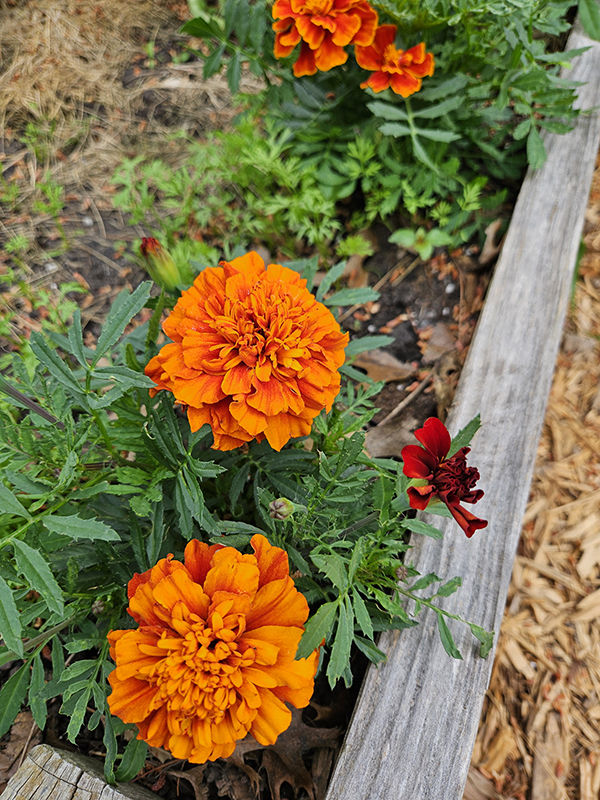
The marigolds – one of the best flowers to include in vegetable gardens, and one that is a must-have for us personally. Not only do they help to attract pollinators like butterflies and bees, but marigolds are one of the best companion plants for multiple different vegetables.
Marigolds produce a strong scent that helps to repel many common garden pests like aphids, nematodes, cabbage worms, tomato hornworms, squash bugs, and even mosquitoes. Deer might also be less tempted to stick around due to their strong scent.
Marigolds can be grown easily from seed, or you can transplant them as seedlings. Deadhead spent blooms to keep the plants continually blooming from late spring until the first frost.
#7: Phlox – Attracting Butterflies in The Midwest
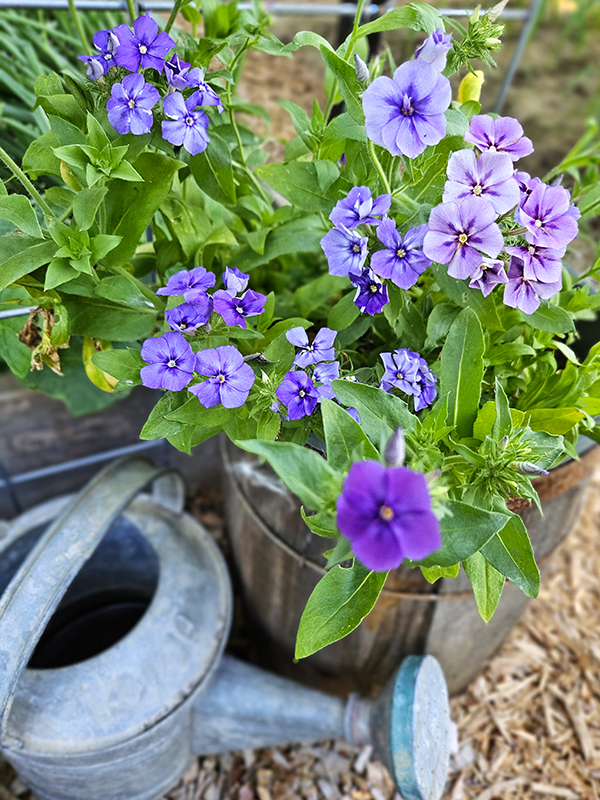
There are all sorts of different phlox varieties and cultivars, including creeping ground cover phlox and garden phlox. All phlox is great for attracting butterflies.
Creeping Phlox is great for growing in locations with poor, rocky soil. It creates a carpet over the landscape that erupts in tons of tiny blooms that butterflies love in the springtime.
Garden Phlox, however, is taller and tends to bloom more during the summer months. We like to grow garden phlox in containers around our garden space.
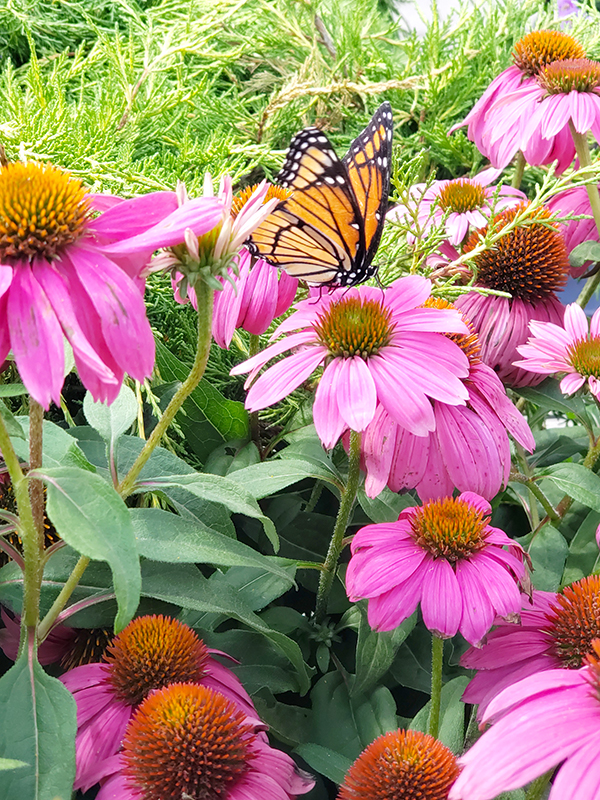
#8: Coneflower
Coneflowers are another native flowering plant that grows easily here in the Midwest. Also called Echinacea, coneflowers are a perennial flower that comes back year after year with little maintenance.
The most common coneflower bloom color is purple, but you can also find varieties with red, orange, yellow, white, or green blooms. Their wide, cone-shaped blooms are perfect for attracting butterflies like Buckeyes, Painted Ladies, Fritillaries, Monarchs, and Swallowtails.
Once the blooms are done, birds will feast on the seeds during the fall and winter months. Plants will self-sow and come back again the following year.
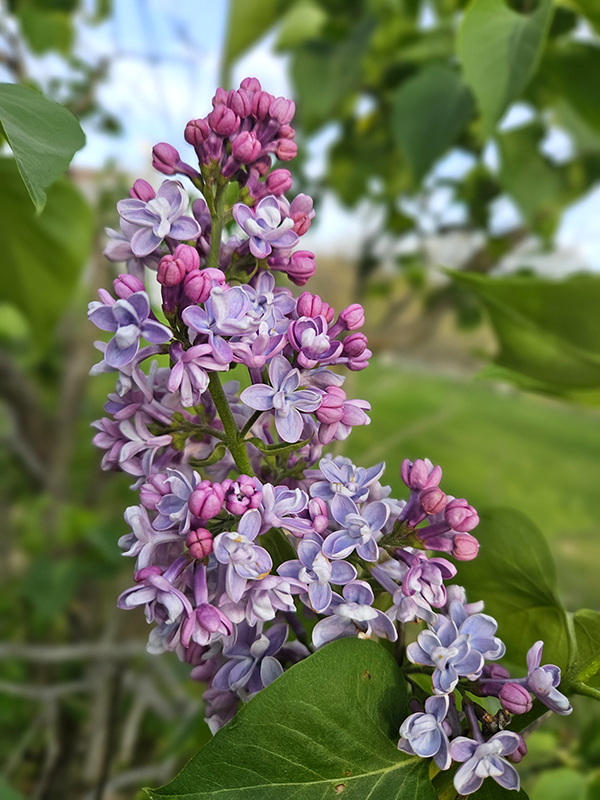
#9: Lilacs – Attracting Butterflies in The Midwest
Lilacs are popular spring-flowering plants that grow as a bush. Some plants can grow up to 12 to 15 feet tall, so they are the perfect statement shrub to grow on your property.
Be sure to take your time when choosing a location to plant lilacs. Some plants are known to live up to 100 years or more, often outliving the structures and homes nearby!
These towering perennials produce loads of flower clusters in shades of purple, pink, and white. Not only are the blooms deliciously fragrant, but they are also attractive to pollinators like butterflies.

#10: Snapdragons
This is a personal favorite of mine. My late grandma always had snapdragons growing in her garden, and I can remember being a little kid and opening and closing their unique blooms over and over again.
Snapdragons are a flowering annual that blooms during the cooler weather of late spring and fall. They can also bloom during the summer months as long as their soil is kept moist. Although they are annuals, we have several spaces where the plants self-sow and come back the following year.
Snapdragons typically produce multiple hinged blooms along tall, thin spikes. However, there are some dwarf varieties that only grow a few blooms at a time. These blooms are packed with nectar and are frequently visited by butterflies, bees, and other pollinators.

#11: Virginia Bluebells
Bluebells are a perennial plant that is native to the Midwest. They are one of the earliest flowers to bloom in mid-spring. They thrive in shady to partially shaded locations.
Bluebells produce bell-shaped, pinkish-purple buds that quickly change to an all-blue color. The flowers typically last for around three weeks before dying back.
While they are blooming, bluebells are frequently visited by butterflies, bees, and other long-tongued pollinators. By the time summer arrives, the plants go dormant, dying back to the soil.
I hope this list gives you a few great ideas that you can grow to help attract butterflies to your Midwest home!
Until next time, thanks for stopping by!
– Chelsea
*This post may contain affiliate links. These are products I have used personally and highly recommend. As an Amazon Associate, I may earn a small commission from qualifying purchases if you purchase items through my links. These links and the ads on this page help to support my family and our semi homestead, so Thank You!
Discover more from Semi Homestead Life
Subscribe to get the latest posts sent to your email.