
It can be very intimidating to start growing houseplants as a beginner, especially if your house doesn’t have a lot of natural sunlight. Thankfully, there are plenty of houseplants that are great for low-light spaces while still being easy to grow and perfect for beginners at the same time!
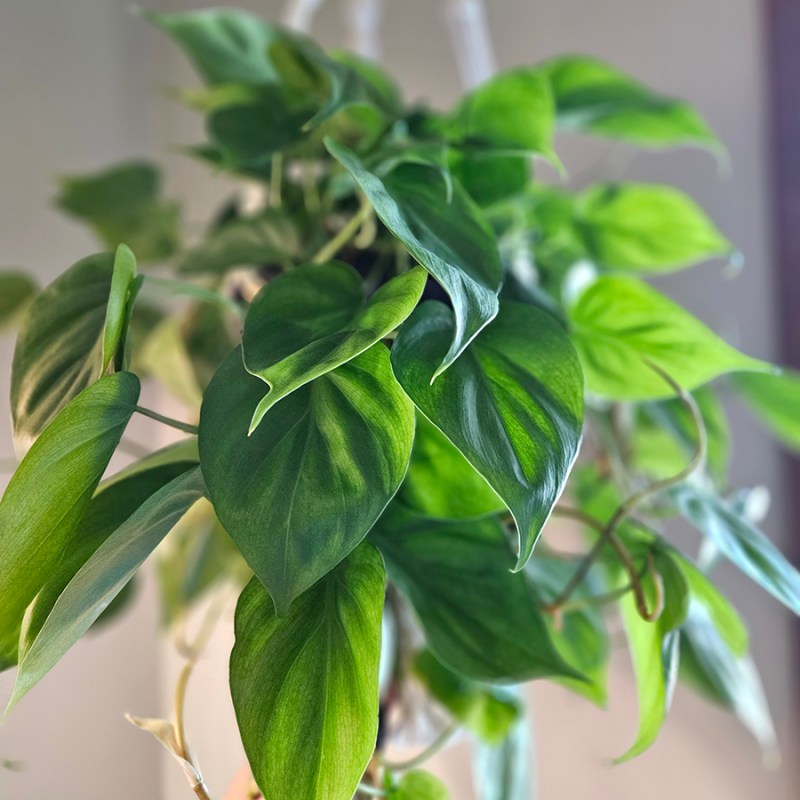
If you visit a local garden center or even one of those home improvement big box stores, you will likely be greeted with shelf after shelf of houseplants. There are all sorts of different shapes, sizes, colors, and growth habits, and it can be hard to know where to begin.
Purchase the wrong type of plant for your home, and you might be left with sad, yellow, wilted leaves in no time at all. Often, the main reason for this occurring is due to a lack of proper lighting.
Thankfully, not all plants require direct sunlight or even indirect sunlight in order to survive. In fact, many houseplants can thrive in dim or low light conditions. In this guide, I’ll talk about some of the best low-light houseplants that are also beginner-friendly and easy to care for. I’ll also provide you with answers to some frequently asked questions on how to make your home ideal for growing almost any type of houseplant.
Please Note: Although these are low-light plants, they are not No-light plants. All plants require some degree of sunlight or artificial light in order to survive. If you want your houseplants to thrive, then they will need a bit more than low light.
What Does Low-Light Really Mean For Houseplants?
Ok, so you’ve heard the phrase “low-light” in terms of houseplants, but what does that really mean? There are four main types of light for houseplants: direct sunlight, bright indirect light, medium light, and low light.
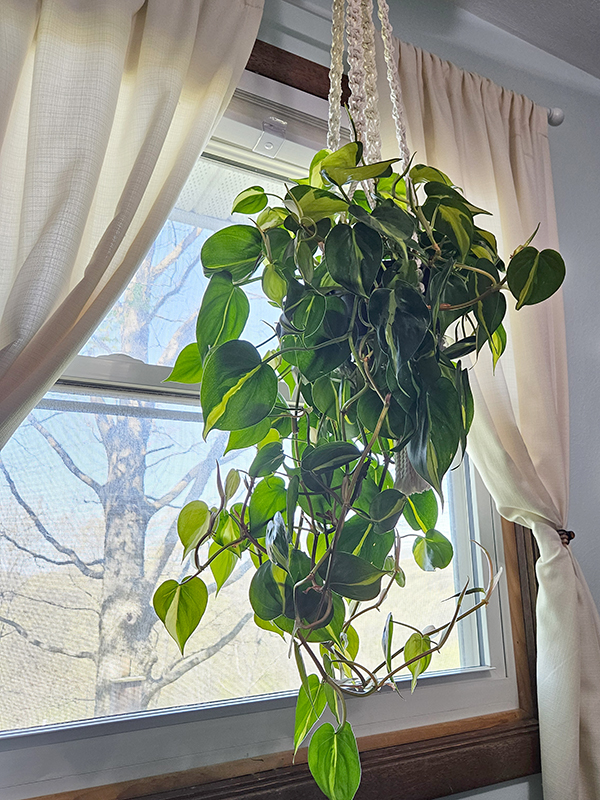
Direct Sunlight – This is pretty self-explanatory, but direct sunlight means that the plant is sitting right in the sun’s rays for at least four hours a day. Another way of thinking of direct sunlight is “Full Sun”. This usually occurs in a South-facing window where the sun’s rays come right into the window unobstructed. If you were to measure it as footcandles (FC), it would be over 2000 FC.
Bright Indirect Light – This is a room that is very bright, but there are no sun rays directly hitting the plant’s foliage. The sunlight can also be filtered through a sheer curtain. The room is often on the South side of the house. The range for bright indirect light is 1000 to 2000 FC. This is usually the ideal lighting for most houseplants.
Medium Light – This is a location that is still near a window, but not a South-facing one. East windows or those that receive morning sunlight are usually considered medium light. Medium light is usually considered around 250 to 1000 FC.
Low Light – Low-light rooms are those with only North-facing windows. It can also mean spaces that are far away from windows, like in the corner of a room. Low-light rooms have around 50 to 250 FC. All of the plants listed below can survive in low light conditions, but they will do better in medium light locations.
7 Best Low-Light Houseplants For Beginners
1. ZZ Plant
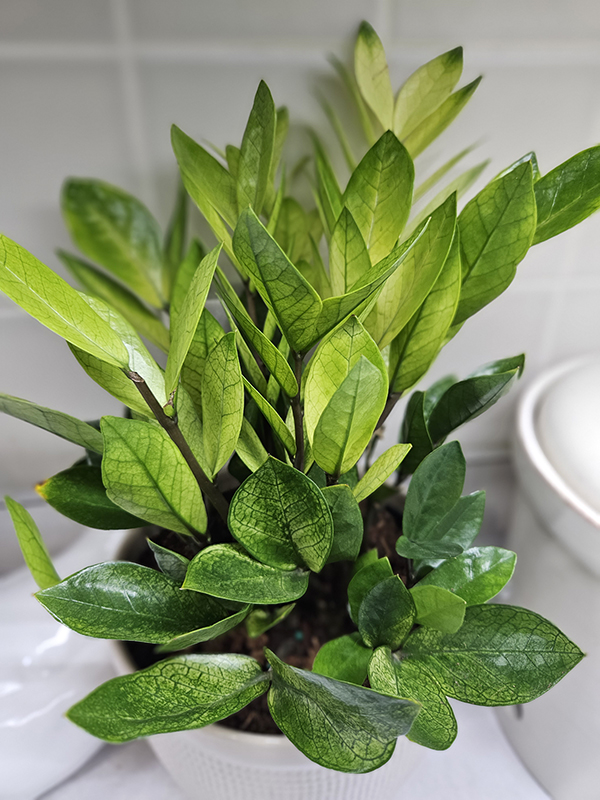
If I had to pick one plant to suggest to beginners who only have low-light conditions, it would be a ZZ plant (Zamioculcas zamiifolia). I have one in my bathroom that has only one tiny window, and it does just fine. Does it push out new growth often? No, but it handles the very low light conditions like a champ.
- Light: Low to Bright Indirect
- Soil: Well-draining cacti or succulent mix
- Mature Size: 1 to 4 feet (some varieties can get taller)
- Special Notes: Plants store moisture in their bulbous rhizomes
2. Snake Plant (Sansevieria)
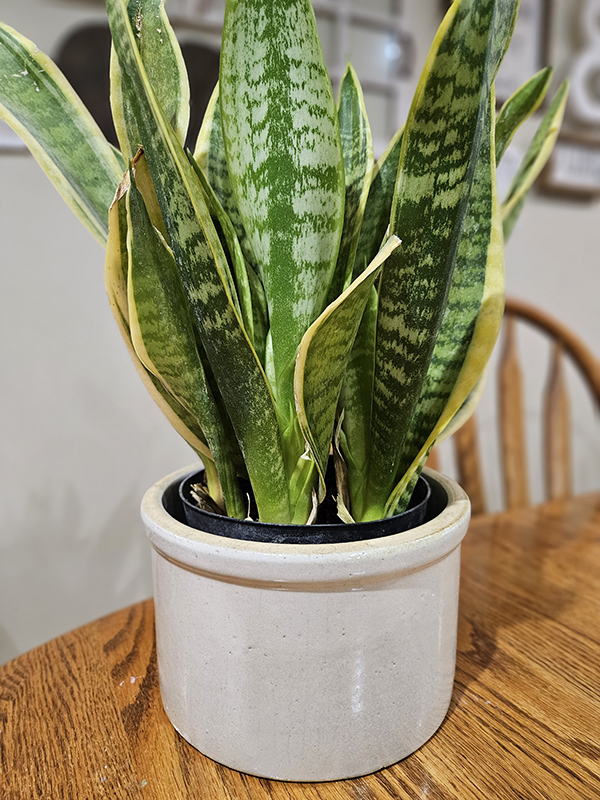
Another great option for new beginner houseplant owners is a snake plant. Also known as Sansevieria and Mother-in-Law Tongue, this plant thrives on neglect. In fact, you really only need to water snake plants about once a month. Allow the soil to dry out completely between waterings. It is a great option for those who want taller plants that can grow in the corners of rooms and other dark spaces.
- Light: Low to Bright Indirect
- Soil: Well-draining cacti or succulent mix
- Mature Size: 1 to 5 feet tall (some varieties can get taller)
- Special Notes: Overwatering often kills snake plants
3. Pothos (Devil’s Ivy) – Best Low-Light Houseplants
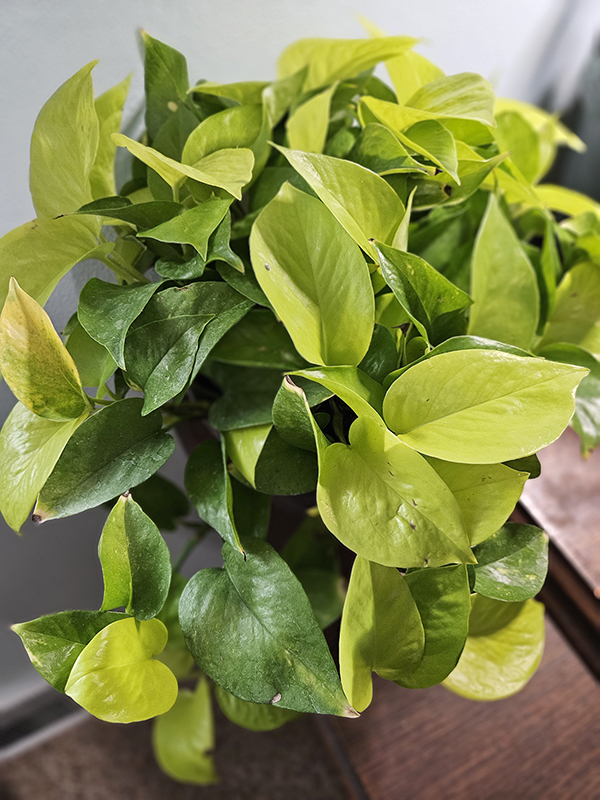
The best vining plants for low light conditions are any type of pothos. Also called Devil’s Ivy, pothos is one of the very first houseplants I ever purchased, and the same plant is still going strong! (I definitely can’t say that for all of my original houseplants!) Pothos plants are also great for propagating new plants using cuttings in either water or soil.
- Light: Low to Bright Indirect
- Soil: Well-draining potting mix
- Mature Size: Trailing vines; Great for hanging baskets
- Special Notes: Variegated varieties may lose color variation in low-light conditions and turn all green
4. Aglaonema (Chinese Evergreen)
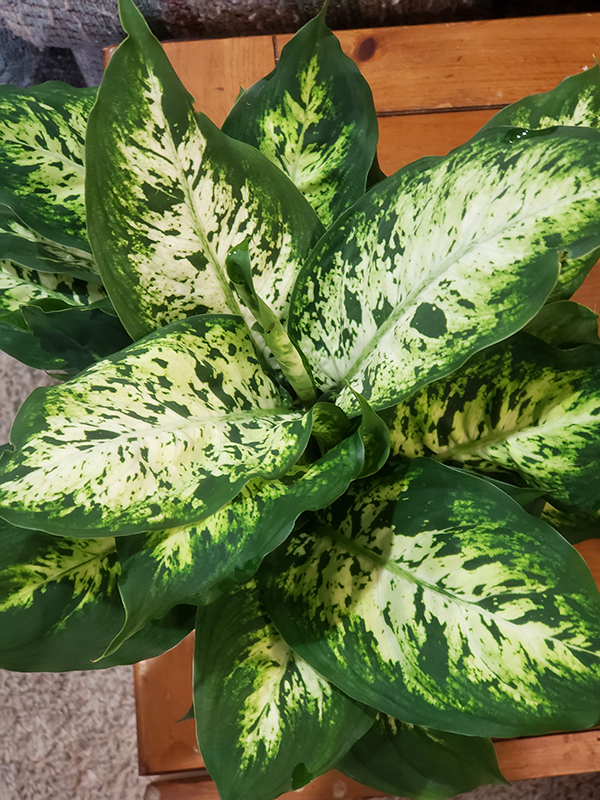
Aglaonemas are one of my favorite statement plants. They produce large oval leaves on short stems in all sorts of different color combinations and variations. The colors can range from green, cream, silver, white, red, and purple. To really bring out variegated colors, provide the plants with more than low-light conditions.
- Light: Low to Bright Indirect
- Soil: Well-draining potting mix
- Mature Size: 1 to 3 feet tall (some varieties can get taller)
- Special Notes: Prefer high humidity, so set plants on a tray filled with pebbles and water
5. Dieffenbachias
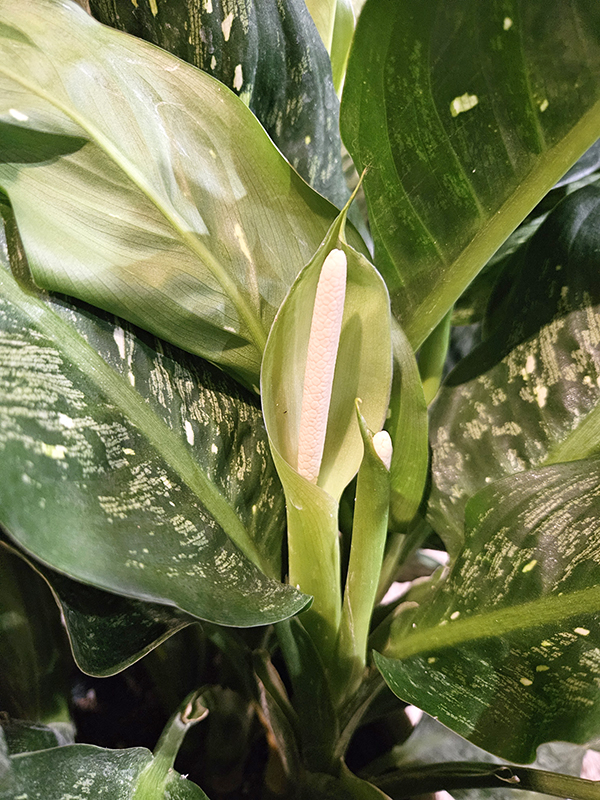
I have had good luck growing dieffenbachias in north-facing windows and have even had them bloom. Trust me, you will know when they bloom because they stink! (It unfortunately took us a while to figure out what was smelling in our living room, but we finally realized it was the diffenbachias blooms!) Remove any blooms as they appear asap!
- Light: Low to Bright Indirect
- Soil: Well-draining potting mix
- Mature Size: 3 to 5 feet tall (up to 10 feet)
- Special Notes: The plant’s sap can cause skin irritation for some people
6. Peace Lily – Best Low-Light Houseplants

Peace Lilies are one of the most common houseplants. (You often see them at floral shops.) Not only are they easy to care for, but they have been proven to be one of the best plants for removing pollutants from the air. Peace Lilies are also known to be a bit dramatic sometimes, letting you know when they need watering. If the leaves start to droop, it’s time for a nice drink.
- Light: Low to Bright Indirect
- Soil: Well-draining potting mix
- Mature Size: 1 to 3 feet tall (up to 5 feet)
- Special Notes: Requires at least medium light to produce blooms; Loves humidity
7. Philodendrons
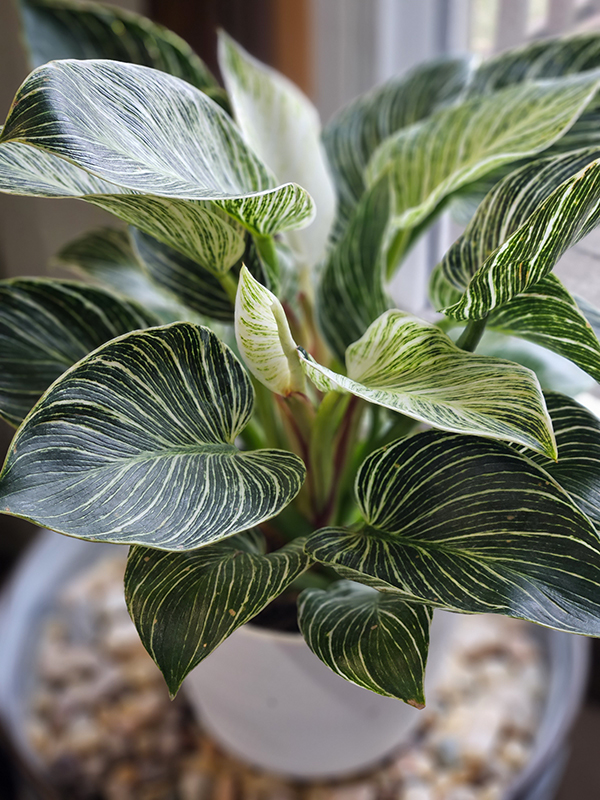
Last but not least is my absolute favorite plant variety, and that is Philodendrons. There are many different types, from trailing vines to those that grow upright. While Philodendrons thrive in bright, indirect light, they can also handle lower light conditions. They might just grow more slowly. Like pothos, the vining philodendrons are easy to propagate.
- Light: Low to Bright Indirect
- Soil: Well-draining potting mix
- Mature Size: Trailing vines and upright varieties of all sizes
- Special Notes: Variegated varieties may lose color variation in low-light conditions
Providing Artificial Lights For Houseplants
Even houseplants that are listed as “low light” tolerant might still need some supplemental light. This is especially the case if you live somewhere where winter days are short, like the Midwest.
We live in Illinois, and there is no way many of my houseplants would survive without the help of additional lighting, especially in the winter. The way our house is set up, we have hardly any South-facing windows, which makes the need for supplemental lighting important.
Thankfully, there are many different types of inexpensive plant lights available nowadays. Here are a few of the ones I personally have on some of my plants right now (product links):
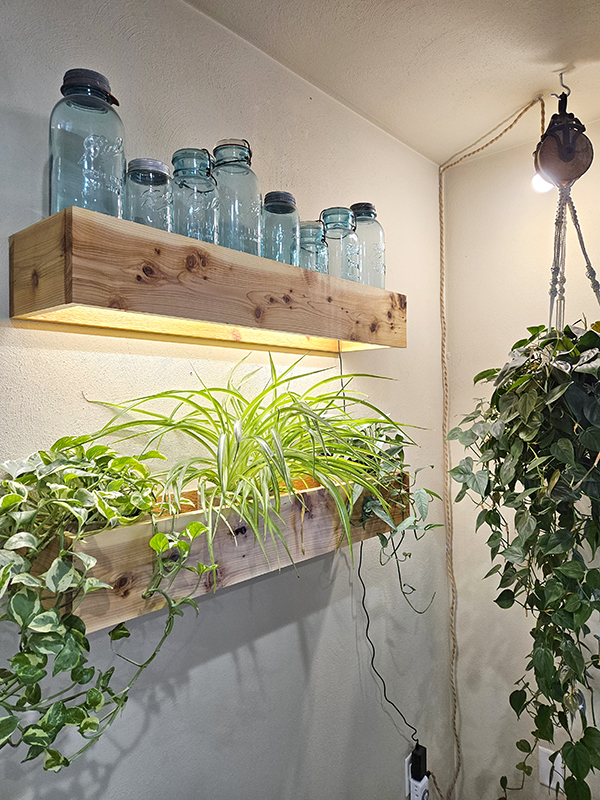
- Dimmable Bar Lights – Mosthink Grow Lights for Indoor Plants
- Grow Light Bulbs – Briignite LED Grow Light Bulb (These can be used in any E26 base.)
- 360º Gooseneck Light With Clamp – Wolezek 3 Colors Plant Lights with 360° Gooseneck
- 360º Gooseneck Bar Light With Clamp – GooingTop LED Grow Light Full Spectrum
- Adjustable Height Mini Light – LORDEM Grow Light Full Spectrum
Frequently Asked Questions
Can plants survive in rooms with no windows? They can if there is a source of artificial light for at least 8 to 12 hours a day. This might be in an office space or by using grow lights. However, no plants can survive in total darkness.
How to keep low-light plants from getting leggy? If a plant has to stretch in order to reach sunlight, then it will likely become leggy. You can prevent this by moving the plant closer to the source of light or by adding artificial light.
How do I know if my plant needs more light? There are some pretty good signs that indicate if your plant needs more light, including stunted growth, yellow or brown leaves, or leggy stems.
When do I water low-light houseplants? How much and how often you water your houseplants will depend on the particular variety of plant you have. Some low-light plants require consistent moisture, while others struggle with constantly wet roots. Research the particular plant and come up with a watering schedule you can stick to. Are your plants struggling for another reason? Check out my article, “Help Struggling Houseplants – What’s Wrong With My Plant?”
What are pet-friendly low-light houseplants? I have both a cat and a dog, and I don’t have any issues with them wanting to chow down on my houseplants. However, if you are worried about that, then look into plants like cast iron plant, Chinese money plant, prayer plant, calathea, rubber plant, spider plant, Boston fern, Bird’s Nest fern, and nerve plant, to name a few that can tolerate lower-light conditions.
Until next time, thanks for stopping by!
– Chelsea
*This post may contain affiliate links. These are products I have used personally and highly recommend. As an Amazon Associate, I may earn a small commission from qualifying purchases if you purchase items through my links. These links and the ads on this page help to support my family and our semi homestead, so Thank You!
Discover more from Semi Homestead Life
Subscribe to get the latest posts sent to your email.