
Have you ever come across a bread recipe that specifically calls for bread flour, and all you have in your pantry is all-purpose flour? What really is the difference between the two, and how do the differences come into play with your baked goods? Can one be swapped for the other?

While both flours can often be used in many recipes, they aren’t exactly the same. Choosing the right one for your baked goods can affect the texture, rise, and chew of the finished item and leave you with undesirable results.
In this article, I’ll break down the differences between bread flour and all-purpose flour as well as tell you how to swap one for the other and still get good results. In addition, I’ll tell you how protein comes into play and what the numbers written on the side of the flour bags mean in reference to the type of flour you use.
Proteins In Flour
Before we can talk about the differences between the two flours, we first need to talk a little bit about flour and how protein comes into play. Now, I’m not talking about animal proteins like what is found in meats and cheeses. Instead, I’m talking about plant protein.
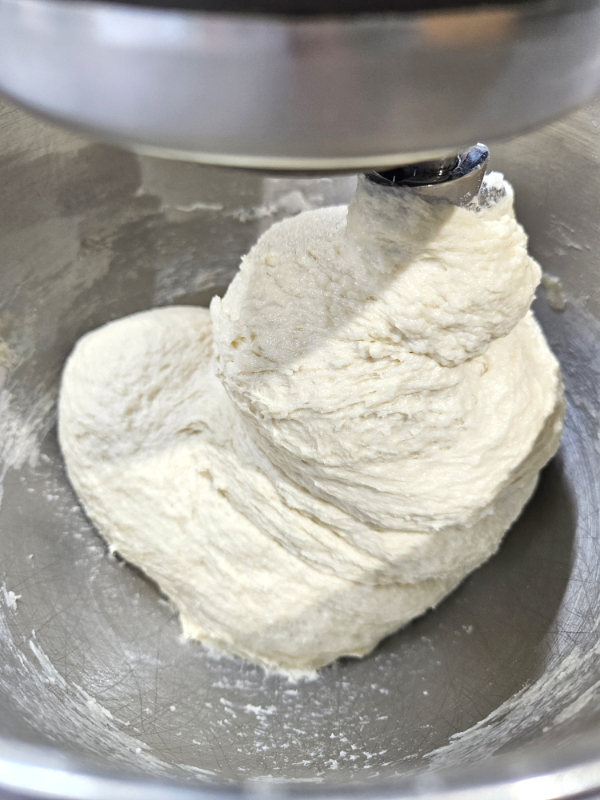
Flour naturally has plant protein. When you add a liquid to the flour, like water or milk, and start to mix or knead the dough, the protein forms what’s called “gluten”.
Gluten is basically a stretchy web that gives dough its strength and structure. It’s also capable of trapping gas bubbles inside the dough, allowing baked products to rise.
The more protein a flour contains, the more gluten you can develop using it. This can result in baked goods that have a higher rise as well as a chewier, stronger texture. This can be a good thing if you are baking something like artisan bread, or a bad thing, like if you are baking a cake.
What’s The Difference Between Bread Flour And All-Purpose Flour?
Now that you know how protein comes into play in terms of flour, you can understand a bit better the difference between bread flour and all-purpose flour.

Bread flour contains a higher protein content of around 12 to 14%, whereas all-purpose flour is around 10 to 12% protein. This means that bread flour develops a stronger gluten profile.
The baked products using bread flour are usually chewier in texture and have a stronger structure. On the other hand, all-purpose flour has a softer crumb and is more versatile for lots of different baked goods.
| Bread Flour | All-Purpose Flour |
|---|---|
| Higher protein (12 to 14%) | Lower protein (10 to 12%) |
| Stronger gluten and rise | Moderate gluten and rise |
| Chewy, denser texture | Soft, lighter texture |
| Best for durable baked goods | Best all-around flour |
When To Use What Flour
There are no steadfast rules on what flour to use when. It kind of boils down to personal preference. In general, though, crusty loaves of bread that require more structure often use bread flour, whereas softer slicing breads use all-purpose. Bread flour is also great for baked goods that need more strength, like bagels and pizza dough.
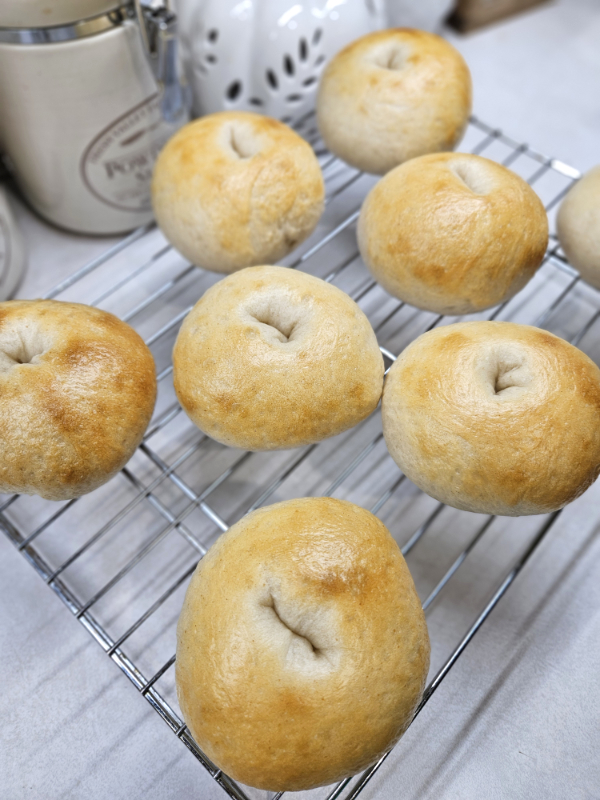

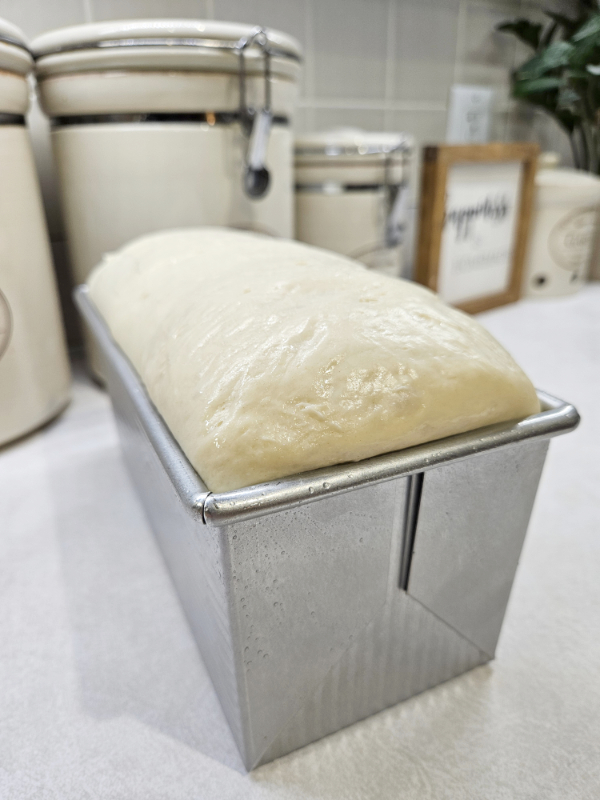
For example, even though you might think bread flour is best for ALL breads, I have a Pullman Sandwich Bread Recipe that uses all-purpose flour. The resulting loaf is soft and fluffy with plenty of rise, yet it still has enough structure to hold up to slicing and making into sandwiches.
Bread Flour
- Artisan bread
- Sourdough bread
- Pizza dough
- Bagels
All-Purpose Flour
- Cakes (There is also Cake Flour that can be used, and it has an even lower protein.)
- Sandwich or softer breads
- Quick breads
- Biscuits
- Dinner rolls
- Cinnamon rolls
- Pancakes
- Waffles
- Muffins
- Cookies
- Pie crusts
Can You Substitute One For The Other?
Swapping Bread Flour In A Recipe Calling For All-Purpose (AP) Flour: When using bread flour in a recipe that calls for AP flour, expect the baked goods to have a slightly chewier texture. The finished product also might be a bit tougher and denser. Swap at a 1:1 ratio, but add about 1 tablespoon more of liquid per cup of flour to keep the dough from being too stiff.
I do not recommend using bread flour for cakes, muffins, pancakes, pie crusts, or biscuits since you usually want these items to be light and fluffy.
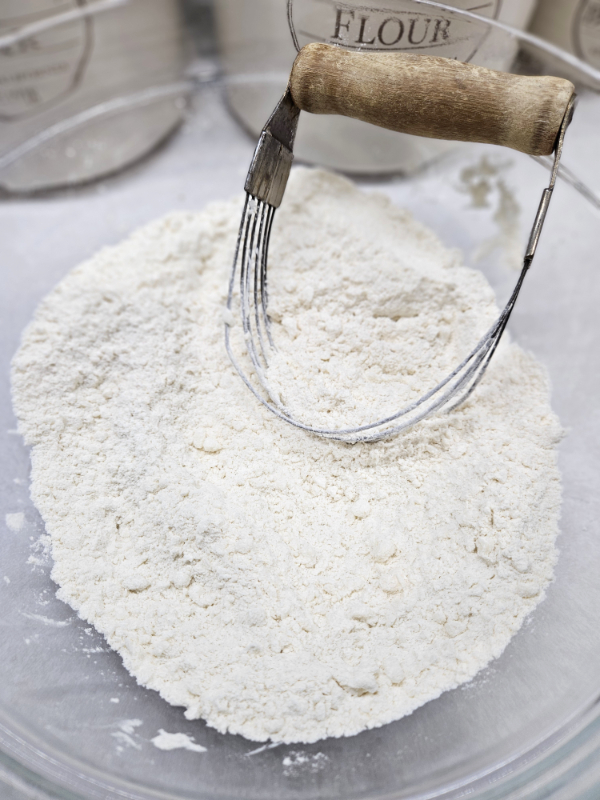
Swapping All-Purpose Flour In A Recipe Calling For Bread Flour: You can usually get away with swapping AP flour in a recipe that calls for Bread flour and still have success with the finished product. Swap it as a 1:1 ratio and slightly reduce the amount of liquid by about 1 tablespoon per cup of flour.
The baked goods may end up slightly softer, and they won’t have as much of a rise. They also won’t be quite as chewy since AP flour doesn’t develop as much gluten as bread flour. However, it will likely still be very good.
Frequently Asked Questions
Is one type of flour healthier than the other? Both bread flour and all-purpose flour are pretty similar nutritionally, even though bread flour has slightly more protein. Each has around 110 calories per 1/4 cup, 23 grams of carbs, and 4 grams of protein. (At least those are the stats for the flour I use.)
Can I use all-purpose flour for homemade bread? Yes, I do all of the time for my yeasted loaves! It’s the flour I prefer unless I’m specifically making sourdough breads.
Can I mix bread flour and all-purpose flour together? Mixing the two types of flour together can be the best of both worlds. It can create a balance between structure and softness. I’ve used both before when I am short on bread flour and only have all-purpose flour on hand.

What happens if I use bread flour for cookies? The cookies will be a bit denser and chewier, and not that soft texture that you normally associate with cookies. However, give it a try and see if you like the outcome!
Will using bread flour allow my dough to rise faster? No, the flour won’t make the dough rise faster. While it will result in a higher baked product, it does not speed up the fermentation process.
What Do I Use Most Often?
In my home, I have both types of flour on hand and try to use whichever one the recipe calls for. King Arthur Unbleached Flour is my go-to brand.
However, when creating my own recipes, I most often reach for all-purpose flour. It’s the one I have sitting on my kitchen counter, and it works for a number of recipes I use on a weekly or daily basis. If I post or make a recipe that calls simply for “flour”, that is the one I am using.
If I am specifically making an artisan loaf of sourdough, bagels, or pizza dough, that’s when the bread flour comes out. With those specific products, I want a chewier, stronger dough, and bread flour does the trick.
Overall, the most important part is baking goods at home. There’s nothing quite like the smell and taste of freshly baked goods filling up your home, no matter which type of flour you use!
Until next time, thanks for stopping by!
– Chelsea
*This post may contain affiliate links. These are products I have used personally and highly recommend. As an Amazon Associate, I may earn a small commission from qualifying purchases if you purchase items through my links. These links and the ads on this page help to support my family and our semi homestead, so Thank You!
Discover more from Semi Homestead Life
Subscribe to get the latest posts sent to your email.