
You don’t need to live on acres of land, build everything from scratch, have a large garden, care for a barnyard of animals, or make everything handmade in order to live a more self-sufficient lifestyle. In fact, you can learn basic homesteading skills and enjoy all the benefits they bring about no matter where you live or what your lifestyle is like.

Do you live in an apartment without an outside space? No problem. Sure, gardening and raising chickens likely aren’t right for you, but you can still bake your own bread or make your own seasonings. Do you hate cooking and baking from scratch? Instead, make homemade cleaning products or learn a few basic DIY skills.
No matter what your situation is or where you live, you can implement some basic self-sufficient homesteading practices. Not only can this save you money and improve your health in the long run, but the accomplishment and pride you will feel make it more than worth it.
In this article, I’ll talk about 10 basic homesteading skills that you can start learning today to create a lifestyle that fits your home and your family. Even if you can’t implement them all, adding a few of them to your rotation can make a big impact on you and your family’s lives.
#1. Grow Your Own Food
This is a great place to start if you want to add more self-sufficiency to your life. You don’t need to have a huge garden in order to grow some of your food right in your own home. A couple of raised beds, containers, or even a few windowsill pots are all you need. I grow potatoes every year in cloth 10 Gallon Plant Grow Bags (Product Link) that would also be perfect for growing tomato plants on a deck or porch.

Some of the best crops to grow for beginners are herbs. You can use them freshly harvested in recipes, or you can dry them for future use.
You can easily grow herbs in little pots indoors or outside. They also work great in raised beds or other containers because you can pack a whole lot in a small space. In addition, many herbs will keep on producing the more you harvest them.
Some other great options are lettuces, tomatoes, and peppers. Whatever you grow, use vegetables and fruit your family eats and enjoys. There is no point in growing tomatoes if no one will eat them!
#2. Learn To Preserve Food – Basic Homesteading Skills
Preserving food is a great way to capture the flavors and nutrients of in-season produce and enjoy them all year long. The best part is that you can preserve food whether you grow it yourself or not. (Think farmer’s markets, local produce, roadside stands, etc.)

Preserving food doesn’t just mean water bath canning and pressure canning, although those are two great ways to create a shelf-stable product. There are many other great ways to preserve food.
One of my favorite ways is to freeze food. It is easy, doesn’t require any special equipment aside from freezer-safe containers or bags, and anyone with freezer space can do it. If you want an excellent beginner-friendly book as a reference, I highly recommend “Freeze Fresh: The Ultimate Guide to Preserving 55 Fruits and Vegetables for Maximum Flavor and Versatility” and “Freeze Fresh Meal Prep: 160 Meal Starters and Make-Ahead Dishes for the Freezer”, both by Crystal Schmidt (Product Links).
Other ways to preserve food include dehydrating and freeze-drying. While I have never freeze-dried any foods, I have dehydrated plenty, including herbs, beef jerky, snacks, and more, and have many recipes here on my website.
#3. Cook SOME Meals From Scratch
This is one of those basic homesteading skills that anyone can do – even people who don’t consider themselves to be cooks! All it takes is some practice and time. Well, that and a good recipe!

Cooking from scratch is a great way to save money on what you consume. In addition, YOU get to be in charge of the ingredients you add to your recipes and, thus, put into your body.
For example, we love Olive Garden’s fettuccini alfredo. However, it’s not cheap to go out to eat as a family of four. Instead, I have a recipe I use to make it from scratch at home, and it tastes pretty much identical to OG’s. Sure, it takes a bit of time and effort, but it’s honestly not that hard to do and a lot more gratifying when I see my family clean their plates! (You can find my recipe here: “Copycat Alfredo Sauce – Homemade But Tastes Like Olive Garden”.)
I will be the first to admit, I don’t make all our meals from scratch. I have hungry teenagers who are both in school activities. In addition, I also don’t always have the energy or time to make everything from scratch. However, I can still make SOME things from scratch.
#4. Bake Breads, Biscuits & More – Basic Homesteading Skills
This kind of goes along with the “cook from scratch” heading, but I feel like it kind of deserves to be a skill on its own, and that is to make your own bread and other baked products from scratch. If you have an oven and a few pans, you can learn how to bake.

For a few years now, I have been making almost all of our bread products from scratch. It does take some pre-planning and ingredients, but the result is so much better! (And that fresh-from-the-oven baked bread smell is the BEST!)
So many of the baked goods you purchase in stores can be made from home. Think sandwich bread, sourdough bread, French bread, hamburger rolls, dinner rolls, hot dog rolls, French toast, biscuits, banana bread, cinnamon rolls, garlic bread, muffins, pancakes, cornbread, and more. Baking bread products is a bit of a learning curve, but once you’ve enjoyed the flavor and texture of homemade baked products, you won’t want to go back to store-bought ever again!
#5. Make Homemade Seasonings
One of my favorite basic homesteading skills to implement here is making so many of our seasonings from scratch. Creating your own seasonings allows you to be in control of the ingredients and tweak the flavors to your family’s preferences. Even people who hate cooking can make their own seasonings.

There are SO many different homemade seasoning mixes out there. Pretty much any of those dried packets you purchase in the store can be replaced with homemade mixes. We even make our own homemade cream of chicken soup mix instead of using canned condensed soups.
One of my favorite ones is taco seasoning. We eat a lot of taco meat in different recipes, so I knew it was one of the first seasonings I wanted to make homemade. Now, I create a large batch and keep it in a glass jar in my pantry. Whenever I need taco meat, I pull out the seasonings instead of having to reach for a store-bought packet with unnecessary ingredients.
#6. Make & Use Homemade Cleaning Products
A great and easy way to implement homesteading skills in your home is to make your own homemade cleaning products. Not only can this save you money, but it can also be better for the environment, reduce waste, and cut down on the amount of store-bought cleaners under your sink.
A lot of homemade cleaning products contain simple ingredients like white vinegar, baking soda, hydrogen peroxide, and rubbing alcohol. They can be used on a variety of materials and surfaces like sinks, countertops, showers, mirrors, windows, etc. Adding a few drops of essential oils can even provide your products with a pleasant scent.
Make sure you look up actual recipes from trusted sources because some ingredients shouldn’t be mixed with others. For example, never combine vinegar with bleach. Always test homemade products in an inconspicuous area first and follow directions for proper use.
#7. Start A Compost Pile
The next basic homesteading skill to try is composting. If you are growing a garden, this is a double bonus for you because the finished compost is perfect for your garden!

So many materials are excellent for home compost piles. Not only will you be creating an amazing soil amendment if you garden, but you will be keeping all of those materials out of landfills. It’s a true win-win!
You might be amazed at just how many different materials you can compost from your daily life. Sure, most people know you can compost most kitchen scraps like vegetable peels and eggshells, but did you know you can also compost tissues or napkins? What about those coffee filters and the coffee beans you used this morning?
The only downside to composting is that you do kind of need a small area in your property that you can dedicate to a compost pile or bin. There are also a few tips to keep in mind if you’ve never composted before, like certain products that you don’t want to compost and so forth. For more composting info, check out my guide, “Making Compost The Easy Way – A Gardener’s Secret Weapon!” or any of the other composting articles on my website.
#8. Reduce Household Waste – Basic Homesteading Skills
This is one of those skills that we ALL should be doing, regardless of whether we consider it to be a “homesteading” skill or not. That skill is to take steps to reduce your household waste and materials.
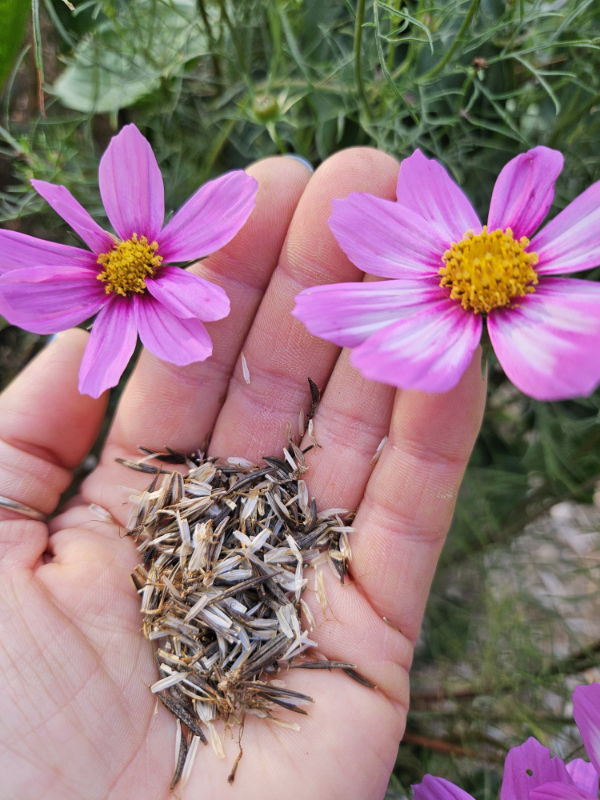
Composting is a great way to start this, but also think about what products you use most often. Is there any way you can make or purchase a reusable version of that item? For example, use a dishcloth instead of a one-time-use paper towel.
Other ways to help reduce household waste are to meal plan and actually EAT those leftovers. If you aren’t a huge leftover fan, freeze what is left and use it as a meal for another night down the road.
In addition, learn how to repair broken products before you trash and replace them. I think the art of repairing items has gone by the wayside. People just don’t have the skills (or patience/care) to fix things anymore.
Reduce what you use, reuse what you already have, and recycle what you can’t. Thrift instead of buying new (a favorite pastime of my daughter’s and mine!) Donate anything excess you have. There are so many ways you can reduce waste and save money at the same time.
#9. Do Basic DIY Repairs Or Projects
Self-reliance and sufficiency aren’t just about gardening and cooking. It’s also about being able to perform basic household repairs and using your hands to fix or make something instead of relying on someone else or purchasing an item.
For example, learn how to patch drywall, replace a dripping faucet, clean out a p-trap under your sink, repair fencing, etc. Learn how to make basic projects or crafts. Crochet or knit a reusable dishcloth to replace your paper towels, build a shelf using reclaimed lumber, make homemade Christmas or birthday gifts, and so forth.
Even if you don’t know how to do one of these tasks, use Google as your friend. My husband and I basically redid our entire basement (studs and all) without any prior knowledge thanks to our parents’ help as well as YouTube!
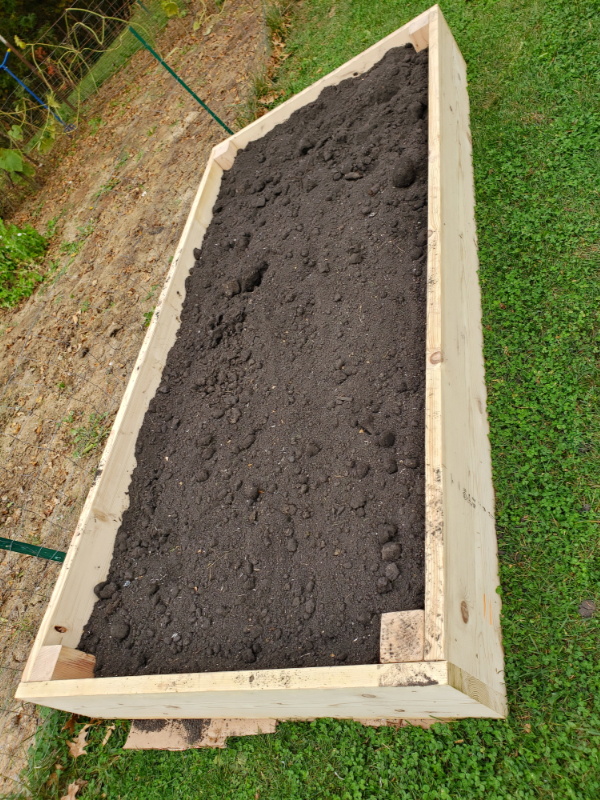
A great first project to try that goes along with gardening is to make my simple raised garden bed. If you want step-by-step directions to make a raised bed, check out my article, “How To Make A Simple Raised Garden Bed In 5 Easy Steps”.
#10. Build A Well-Stocked Pantry, Fridge & Freezer
One of the best tips I can suggest anyone do, no matter their lifestyle, is to maintain a well-stocked pantry, fridge, and freezer. This will help make cooking from scratch much easier and reduce the amount of grocery store trips you have to make.

In your pantry, have base staples on hand like flour, rice, pasta, dried beans, canned produce (either home canned or store-bought), spices, cooking oils, herbs, and baking ingredients. In your refrigerator, try to keep versatile ingredients like milk, eggs, cheese, butter, yogurt, and fresh fruit and vegetables. You can store all sorts of items in your freezer like extra loaves of bread, prepared meals, meat, vegetables, fruit, leftovers, etc.
We like to purchase half a beef from a local farmer. That way, I know that I always have a protein source on hand. It also saves money in the long run and allows us to have fresher, better cuts (and better quality!) of beef than what I could afford in a grocery store.
Take advantage of sales and seasonal items and stock up. Buy in bulk and store nonperishable items away for future use. Keep the ingredients your family uses most often in stock and on hand. Having an “ingredient” household will provide you with many more healthier options.
Lastly – Basic Homesteading Skills
Homesteading and semi homesteading (what we do) isn’t about trying to do it all. It’s about tackling one task at a time and becoming more self-sufficient at a few things at a time.
Whether you start a container garden, bake your first loaf of bread, or start composting kitchen scraps, each new skill is a step towards living a healthier, happier, and more hands-on lifestyle.
Until next time, thanks for stopping by!
– Chelsea
*This post may contain affiliate links. These are products I have used personally and highly recommend. As an Amazon Associate, I may earn a small commission from qualifying purchases if you purchase items through my links. These links and the ads on this page help to support my family and our semi homestead, so Thank You!
Discover more from Semi Homestead Life
Subscribe to get the latest posts sent to your email.