
Home compost piles are great for breaking down all sorts of materials and turning them into an amazing soil amendment you can use in your garden. However, there are a few items you should avoid adding to the compost pile.
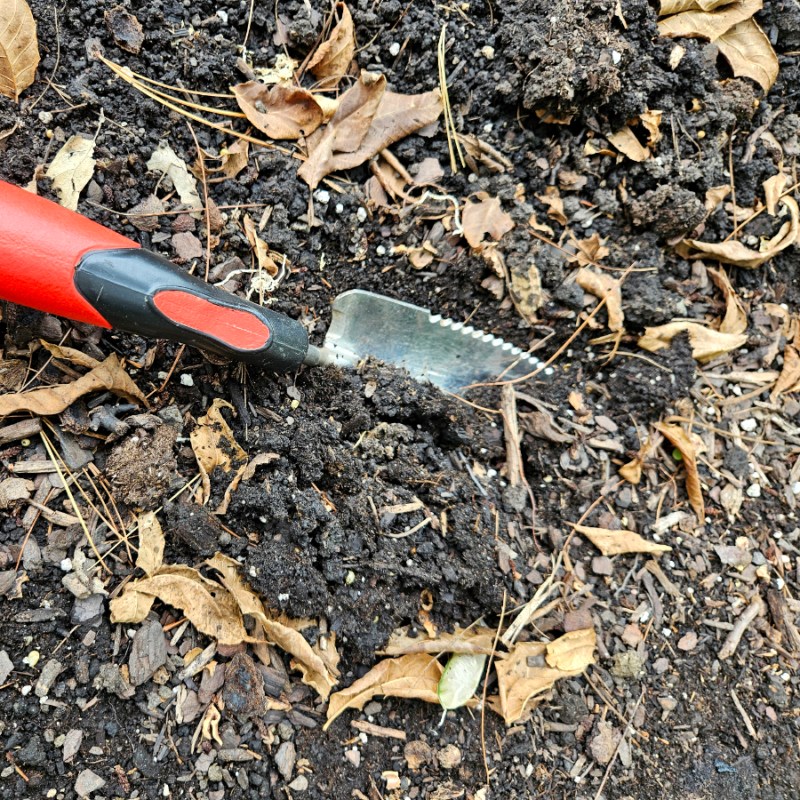
Knowing what to and not to add can make a big difference between a pile that quickly heats up and breaks down and one that sits there doing nothing. While almost all materials will break down and decompose at some point, that doesn’t mean they are all meant for home composting.
For example, organic materials break down much faster than man-made products. Items like glass or plastic can take thousands of years or more to decompose. Then there are some materials that never break down, like heavy metals, synthetic chemicals, and styrofoam.
But even some organic materials shouldn’t be added to compost piles when the goal is to create a soil amendment that you can use in your garden and throughout your property. In this guide, I break down the worst materials to add to your compost pile and explain the reasons why.
Materials From The Kitchen You Should Not Compost
Meat and Seafood: While these food scraps do break down and help to add nutrients to the compost, they take longer than other types of food scraps. However, the main reason you want to leave them out of your compost pile is that they tend to attract rodents and pests as they decompose.
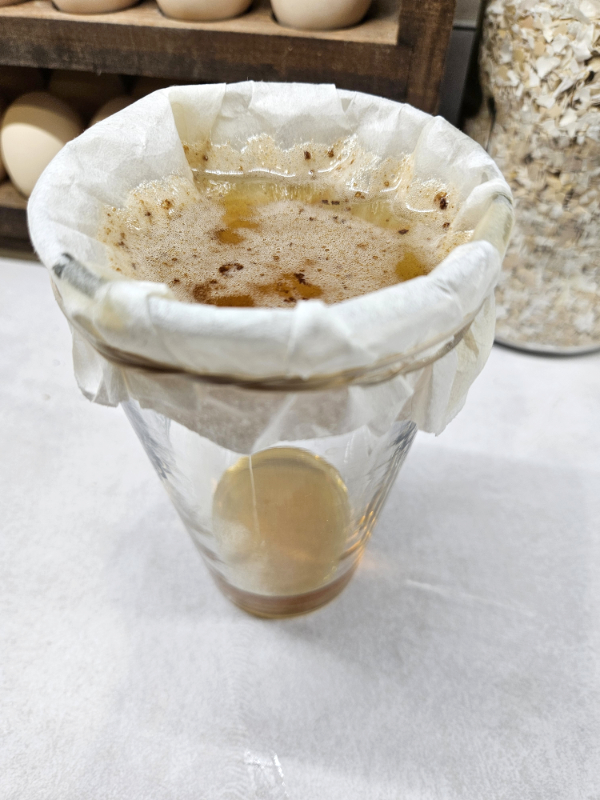
If you don’t want to have rats, mice, raccoons, etc. visiting your pile, skip meats and seafood scraps. In addition, these materials create a really bad odor. That might not be an issue if you have acres of land. However, if your home compost pile is close to you or your neighbor’s place, they might not appreciate the scent!
Dairy Products: These products have the same issues that meat and seafood bring about.
Oils, Grease, and Fats: Instead of aiding the decomposition, these materials tend to coat the compost pile and slow down decomposition. In addition, they also attract unwanted pests.
Materials From Your Yard Or Garden
Anything With Seeds: Home compost piles don’t get hot enough for a long enough period to kill off any plant matter that contains seeds. If you were to use the finished compost later on, you might wind up with lots of unwanted seedlings growing wherever you use the compost.
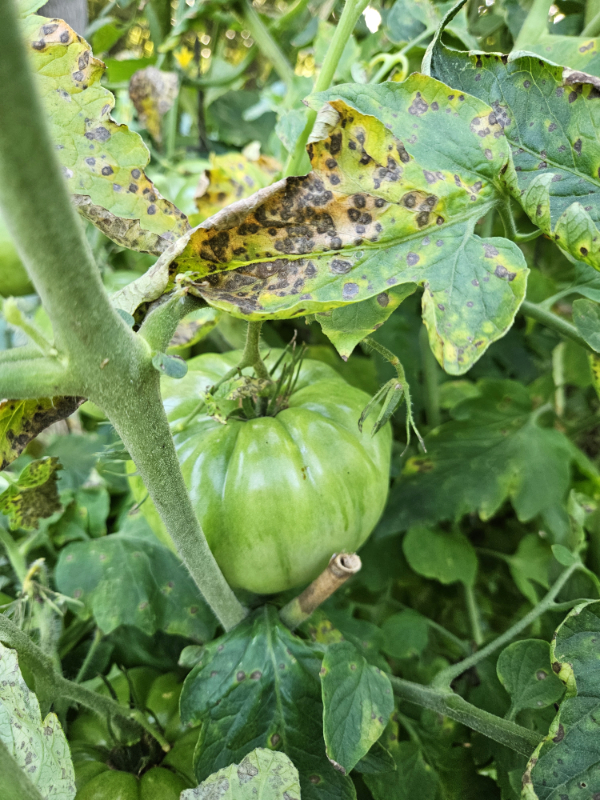
Tomato Plant Materials: Tomato plants are notoriously riddled with diseases and pests. It’s best to err on the side of caution and keep any tomato plant matter out of your compost pile. This includes the tomatoes themselves, which are full of seeds.
Diseased Plant Materials: Again, home compost piles don’t get hot enough to kill off any diseases or pests that might be hanging out on damaged plant stems, leaves, roots, etc. Using the finished compost can reintroduce those issues back to your garden the next growing season.
Chemically Treated Plants or Weeds: If you spray your yard or use any type of chemicals, these items should be left out of home compost piles.
Black Walnut Tree Materials: Black walnut trees produce a chemical called juglone. Many different plants are extremely sensitive to juglone and can fail to thrive or grow at all. (For more on black walnut trees, check out my article, “Black Walnut Trees & Vegetable Gardens – What To Know & Grow”.)
Household Materials – What Not To Compost
Glossy Paper Products: While most paper products are great to add, some aren’t. Laminated paper, glossy magazines, paper products with plastic coatings, or wax-coated paper should be left out of the pile. They can’t break down as easily and leave plastic or other unnatural materials in your compost. When in doubt, you can always recycle the products if applicable.
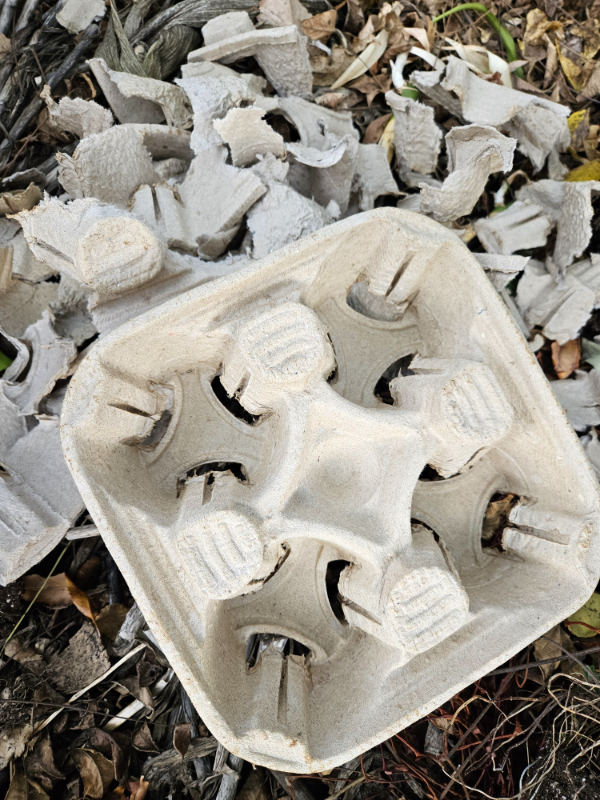
Pressure Treated Lumber: Most of these materials have been treated with chemicals. You don’t want to add those chemicals to any home compost piles meant for your garden.
Dryer Lint: This one is a “maybe”. If your clothes contain synthetic materials, then you shouldn’t add the dryer lint to your compost pile. However, dryer lint comprised of natural fibers like cotton is an excellent addition to compost piles.
Pet and Human Waste: While livestock manure is an excellent addition to home compost piles (think cattle, horses, rabbits, chickens, etc.), avoid adding pet and human waste at all costs. Pet and human waste contain loads of harmful bacteria, parasites, and other unwanted pathogens. Home piles don’t get consistently hot enough enough to kill off these pathogens. When you go to use the finished compost, you might end up contaminating the soil.
What To Do With The Unwanted Materials?
There are a few different ways to get rid of these problem materials.
Some people keep two different and separate piles. That way, the “good stuff” goes into the pile that will be used for the garden and plants. The other pile can be made somewhere else on their property. Just note that this method doesn’t remove issues like pests, smells, plastics, diseases, etc., so you still need to be particular about what you add.
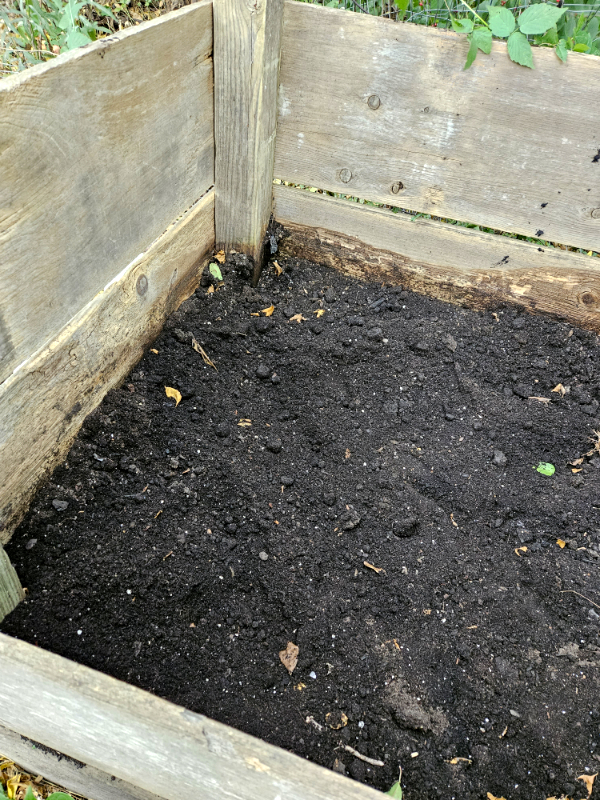
Another option is to check with your local municipalities. Some communities have composting facilities where people can drop off all types of compostable materials. These larger piles can heat up much faster and hotter than home compost piles, killing unwanted pathogens, seeds, diseases, etc.
Lastly, you can just toss them into the trash. While it’s a bummer that they are going to a landfill, give yourself some grace and credit because you are already helping out quite a bit by composting many other “good” materials!
For More Resources
If you want to learn a bit more about composting, check out some of my other articles:
- Making Compost The Easy Way – A Gardener’s Secret Weapon!
- Materials To Compost – Create The Best Compost For Your Garden
- Composting Potted Plants – Why & How To Reuse Old Potting Soil
- Simple Compost Tea – A Natural Fertilizer “Drink” For Your Plants
Until next time, thanks for stopping by!
– Chelsea
*This post may contain affiliate links. These are products I have used personally and highly recommend. As an Amazon Associate, I may earn a small commission from qualifying purchases if you purchase items through my links. These links and the ads on this page help to support my family and our semi homestead, so Thank You!
Discover more from Semi Homestead Life
Subscribe to get the latest posts sent to your email.