
Whether this is your first summer raising backyard chickens or you are a seasoned pro, this simple chicken care checklist that will help keep your birds safe, healthy, and cool no matter how high the temperatures soar.
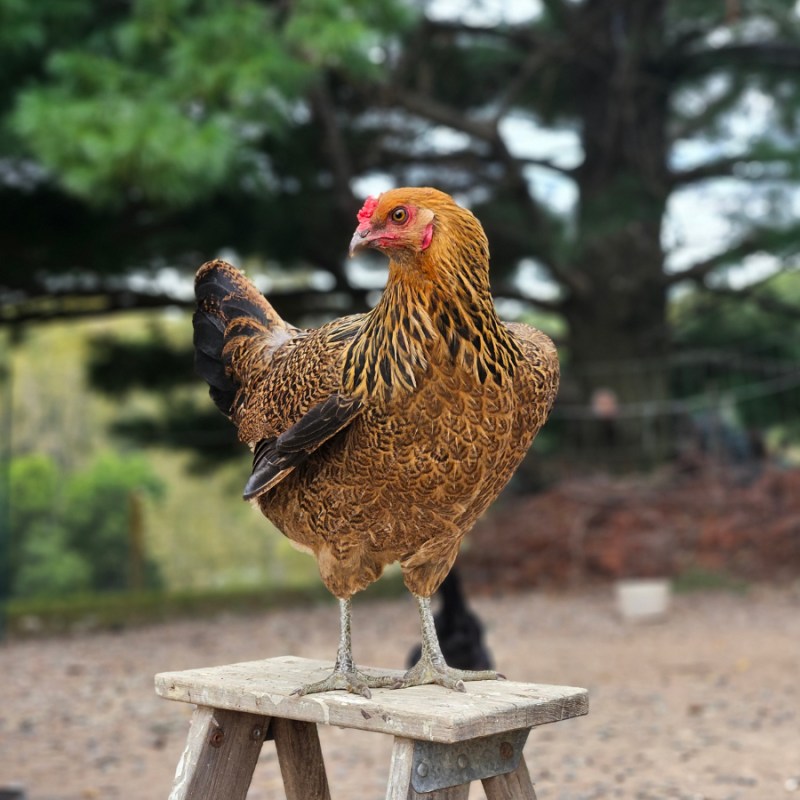
Rising temperatures and high humidity during the summertime can bring about a whole host of issues if you are a backyard chicken keeper. Between the blazing heat, influx of insects, and stagnant water, your once safe chicken environment can quickly turn unhealthy if you aren’t careful or prepared.
Thankfully, keeping your flock comfortable and safe during the hottest summer months doesn’t mean you have to spend loads of money or overhaul your existing coop. A few simple maintenance tasks will go a long way to keep your flock healthy, laying consistently, and stress-free.
1. Provide Shade
Chickens are susceptible to getting heat stress if their core temperatures rise too much. (A chicken’s natural body temp is around 105 to 107º Fahrenheit.) Heat stress is often very deadly for chickens if not handled immediately.
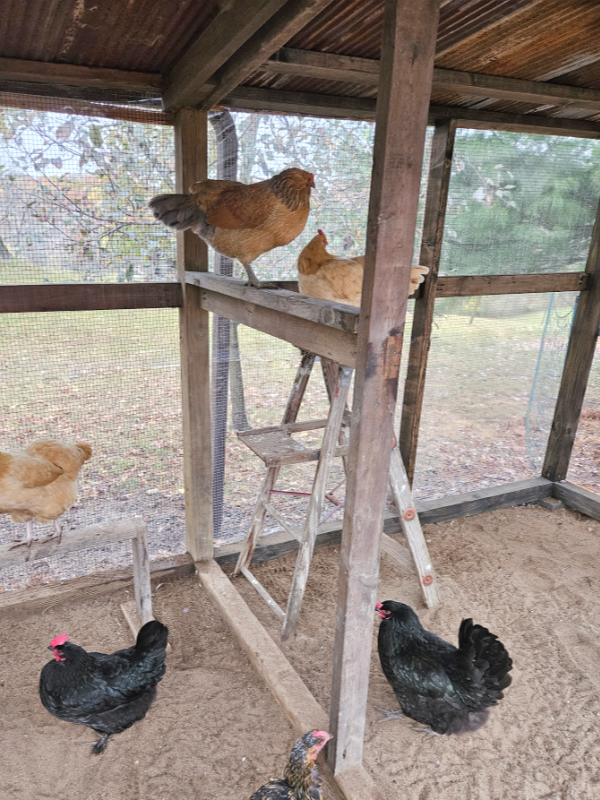
So keeping chickens cool is imperative in the summer months. (I have a whole article written just about keeping chickens cool if you want to check that out for even more tips.)
One way to do this is to provide some type of shade for your birds. According to the University of New Hampshire, the ambient air temperature in shaded locations can range between 15 and 20 degrees cooler than the air temperature in direct sunlight. That can make a huge difference in the comfort of your birds!
This is especially true if your birds have to stay within a fenced-in area and aren’t free-ranging (like my birds). That doesn’t mean you have to go out and plant a bunch of trees in your chicken yard.
Use your imagination and build or create shade using materials and supplies you already have on hand. Even a simple tarp suspended on a few posts can be an excellent source of shade for your flock. As long as there is still airflow, about anything will work.
2. Improve Ventilation – Summer Chicken Care Checklist
The next task on your summer chicken care checklist also deals with keeping chickens cool. That is to ensure that the chicken coop has some type of ventilation. All chicken coops should include some type of ventilation, whether it is during the middle of the winter or summer.
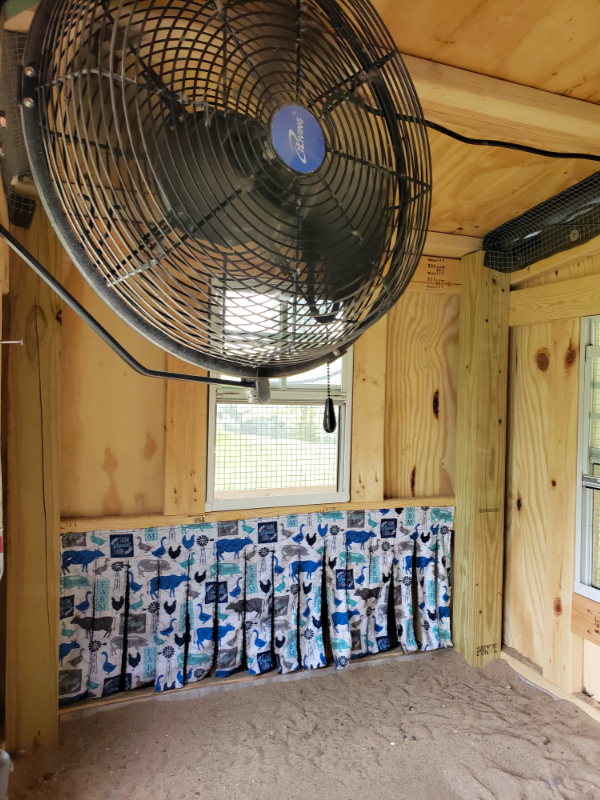
Ventilation helps to prevent the buildup of ammonia that occurs with chicken droppings, especially while they sleep. In addition, proper ventilation stops moisture from building up within the coop thanks to the birds breathing in and out.
For year-round ventilation, our coop has gaps between the walls and the roof of the coop. (You can read more about our chicken coop setup here.) However, that isn’t really enough during the hot summer days. That’s where windows come into play.
If your coop has windows, open them up during the warmer months. This will help improve airflow and let the cooler night air into the coop and the hot air out. Just make sure that you install hardware cloth over the windows to keep critters out.
If needed, cut out windows that you can open and close in their existing coop. Again, just make sure to add hardware cloth over any openings. Chickens are very vulnerable when they are sleeping and make for easy prey.
3. Change Water Often
The next item on your chicken care summer checklist is to provide plenty of fresh, cool water and change it frequently. Not only do chickens drink over twice as much water on hot days as they do on typical days, but stagnant water can create health problems.
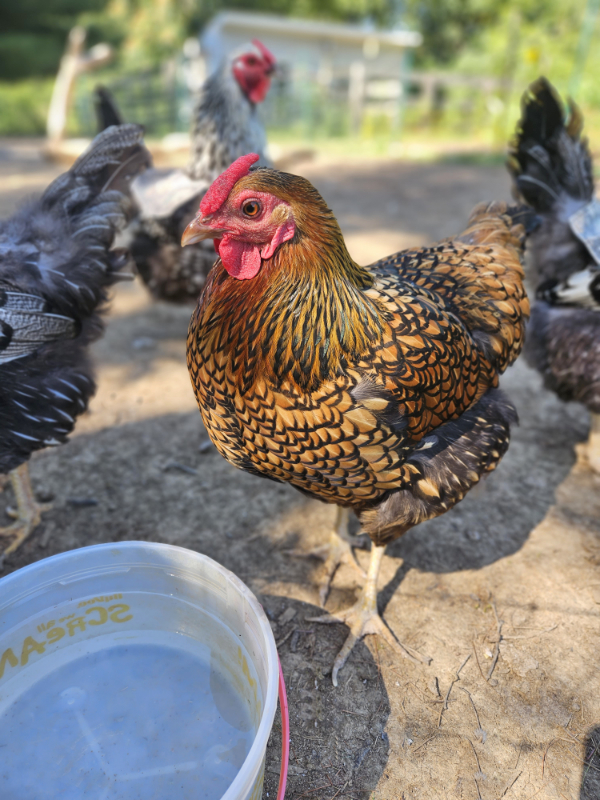
I like to use the Premier 1 All-Season Heated Poultry Waterers (Product Link). Not only can I plug it in during the winter, but it is also insulated and dark, which greatly lowers the risk of algae growth and keeps the water cooler. (Think of it like an insulated Stanley water bottle, but for your birds!)
Now, a waterer like that is a decent investment, but it’s one I find worth it here in Illinois due to our fluctuating temperatures. If you don’t want to spend that kind of money, just make sure you change the water frequently, clean the waterer with soap, and keep it in the shade.
I’ve also been known to drop in huge chunks of ice into the girls’ waterers on the mornings of really hot days. This helps ensure the water stays nice and cool all day long.
In addition, consider adding additional water sources for your birds during especially hot days. This ensures that all of the birds have access to a nice, cool drink – even those lowest on the pecking order.
4. Clean The Coop Frequently – Summer Chicken Care Checklist
When warmer temperatures are combined with chicken droppings, there will be flies. While flies are annoying, they also come with some serious health risks for your birds.

Have you ever heard of the phrase, “Flystrike”? (Warning: This is a gross topic but an important one to know about if you are raising chickens!) Flystrike, also called myiasis, is when flies lay their eggs around the vent area of a hen. They do this because they are attracted to moist, dirty locations, and a hen’s vent area is prime real estate for that.
Once the eggs hatch, the maggots begin to feed on the chicken’s flesh, causing severe pain and tissue damage. Not only does that sound bad, but it can become fatal in 24 to 48 hours.
To prevent this from happening, make sure you keep an eye on the hen’s vents and give them booty baths as needed. (Use warm water and a mild soap like Dawn to rinse off their vent areas.)
In addition, keep their coop and chicken yard clean. That’s part of why I like using sand in my chicken coop and run so much. It makes it easy to clean, and we have fewer issues with flies because of it.
We also place fly traps and strips around our chicken yard and in the covered run. It seems like no matter how well we clean the spaces, we still end up with some flies. (Also, chickens poop a lot, and I can’t be out there hourly cleaning it!)
5. Check Birds Often
The summertime is prime parasite season, so you need to stay on top of checking birds often. Mites and lice are the two most common issues. Go out during the night and use a flashlight to look not only on the birds but also in the coop itself.
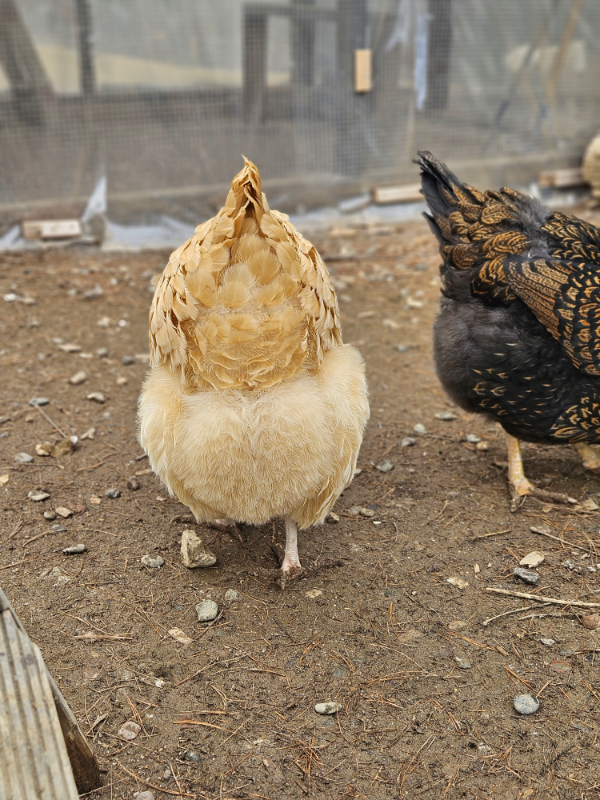
Focus mostly on their vents and under their wings. Look for any type of creepy crawly that might be hanging out on your birds. Signs of issues can also include redness on the skin, restless birds at night, pale combs and wattles, feather loss, and stress. Mites will appear like tiny moving pepper flakes.
We once had a case of mites so bad on one of our birds that she lost almost all of her feathers. (I got lazy on checking them, and for some reason she couldn’t recover from it while the other birds did just fine. I did get the mites removed, but it has now been several years, and she has yet to grow her feathers back!)
Provide the birds with a place to dust bathe to help reduce the chances of pests. Clean your coop regularly to help reduce issues. Don’t introduce new birds into your flock without making sure to check them over carefully for insects first. Lastly, treat the birds and the coop.
The best way I’ve done that is by using a product called Elector PSP. It isn’t cheap, but it works. Also, there is no egg withdrawal period! (You can read more about Elector PSP here.)
6. Be On The Lookout For Heat Stress
With higher temps, chickens are at risk for heat stress. Just like people can get heat exhaustion and heat stroke, so can your birds.
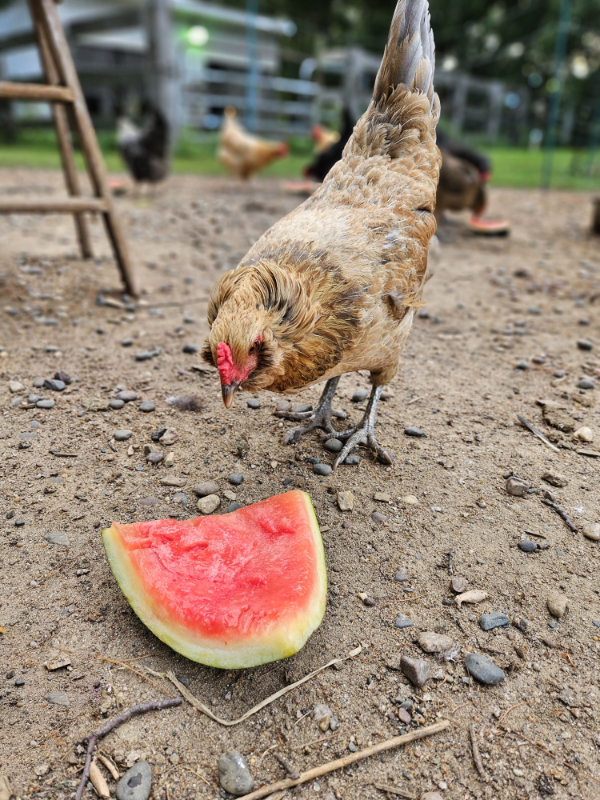
Hens that are hot will hold their wings out from their bodies and will pant with open beaks. This isn’t really a reason for concern, but if your birds show additional signs of lethargy, pale combs, or stop laying eggs, it’s time to take action.
If you see those additional signs, move the bird immediately to a cool, shaded area. Provide them with fresh water. You can offer cool treats like cucumbers, frozen fruit, etc., but make water the priority. Add electrolytes to their water for additional benefits.
Adding fans or misters to their coops and runs can also help. (Don’t use misters in their coops, only the fans.) We use a Wall Mounted 14 Inches Indoor/Outdoor Weatherproof Fan (Product Link) inside their coop.
For birds that are limp, unresponsive, or even have seizures and convulsions, place the bird in a bucket of tepid or slightly cool (not cold) water to help quickly lower their body temperature. Check on hot birds frequently throughout the day.
7. Check The Chicken Yard Weekly – Summer Chicken Care Checklist
Get in the habit of checking your chicken yard, run, and coop weekly at the very least. Not only can you spot and fix issues or signs earlier this way, but you can also take steps to keep your birds cool and safe.
When walking the chicken yard or run, look for holes or any damage to the fencing or structures. This includes any roofs or coverings. If you are using fans, make sure they are working properly.
Remove any wet litter or bedding that has a strong odor or is coated in flies. Add more sand if the levels are low. If you use a dust bath, make sure it is full as well.
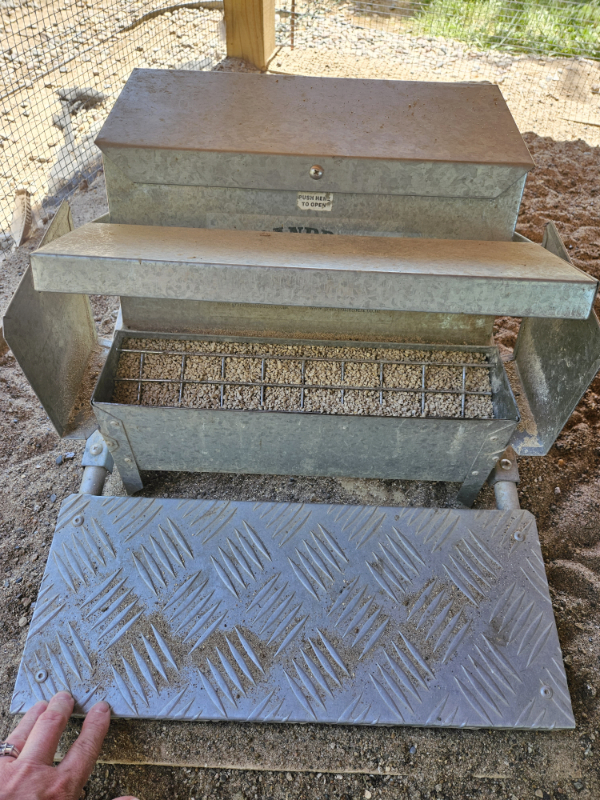
Look for spilled feed and remove it immediately. This can attract pests like mice, rats, and raccoons. (I use a Grandpa’s Feeders Automatic Trundle Chicken Feeder [Product Link] to prevent feed waste, and it has more than paid for itself.)
Last but not least, make sure you look for eggs and gather them daily. The longer you leave eggs outside in hot temperatures, the quicker they can spoil.
Until next time, thanks for stopping by!
– Chelsea
*This post may contain affiliate links. These are products I have used personally and highly recommend. As an Amazon Associate, I may earn a small commission from qualifying purchases if you purchase items through my links. These links and the ads on this page help to support my family and our semi homestead, so Thank You!
Discover more from Semi Homestead Life
Subscribe to get the latest posts sent to your email.