
When it comes to bringing in bees and other flying pollinators to your home and vegetable garden, there are some things you can do to help encourage these pollinators to stick around. Because the truth of the matter is, the more we can help increase our local bee population, the better!
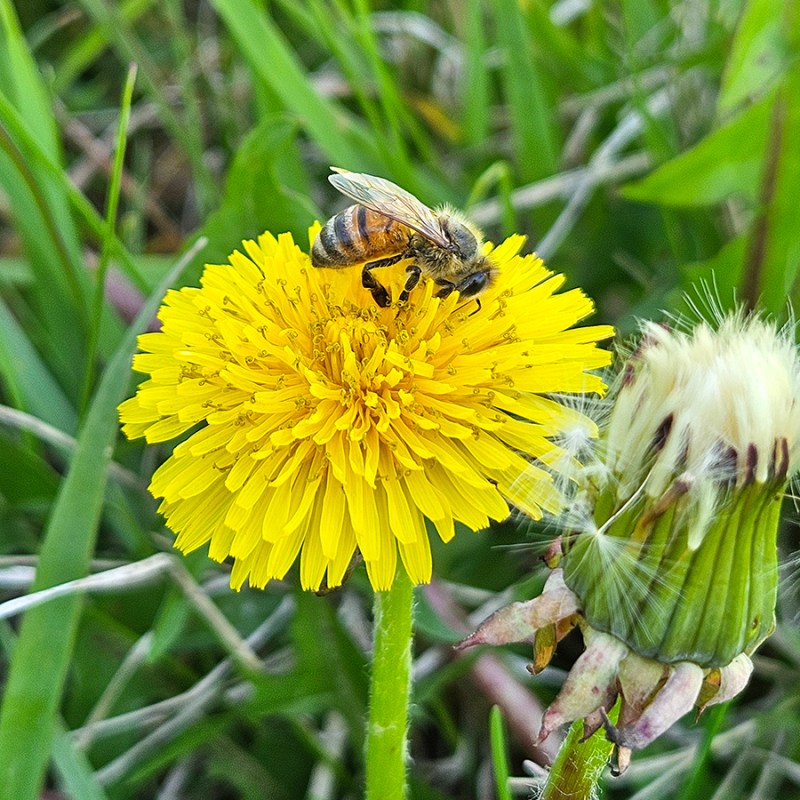
It’s amazing to think that such a little flying insect can be so vital to our survival. In fact, according to the United Nations, 90% of the world’s wild flowers and 75% of the world’s food crops depend on bees and other pollinators. So if the bee population starts to dwindle, so does the ability to pollinate the plants we depend on.
Unfortunately, 1 in 4 of the bee species in North America are at risk of extinction. Over half of the 4,000 native bees that live around here have a declining population. Those numbers are rather alarming.
That’s where we gardeners can help out. By planting certain flowers and plants, setting up a welcoming environment, and reducing the amount of chemicals and sprays we use, we can help encourage bees to stick around and increase their chances of surviving and thriving. Even making small changes here and there can make a big impact.
So aside from donning a bee suit, adopting a hive, and becoming a beekeeper, what can you do to help?
Tips For Bringing In Bees & Other Pollinators
Learn The Bees In Your Location
With so many bee species in North America, it might come as no surprise that the bees that we have here in Illinois might be different than the bees that visit your garden in other locations.
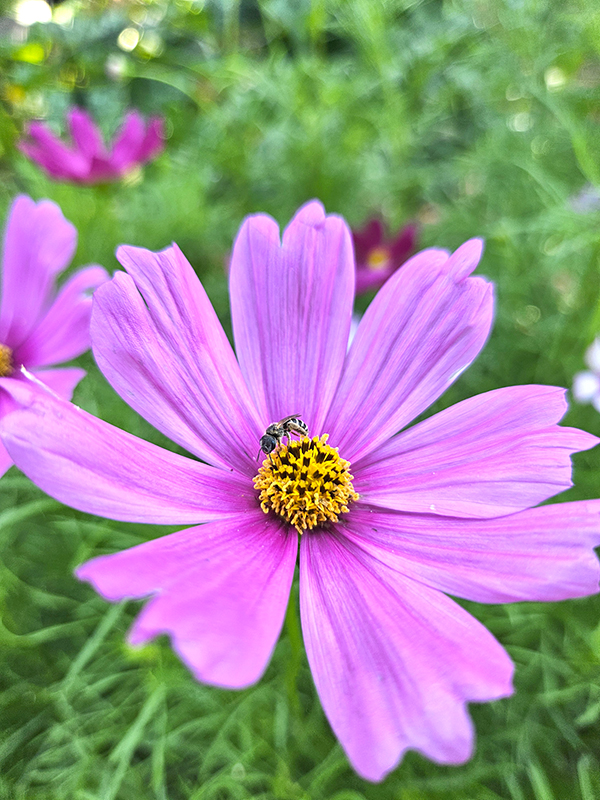
Some of the more common ones you see here are the usual suspects like bumble bees, carpenter bees, honey bees, mason bees, and sweat bees. (Not to be confused with those annoying hover flies that are often mislabeled as sweat bees. Although they also help to pollinate plants to some extent, they are actually flies and not bees.) However, we also have a few less common species like leafcutter bees, plasterer bees, and cuckoo bees.
The reason why it is important to know which bees might be visiting your flowers is that they all have different types of habitats in which they live. (More on this in my last tip below.)
Some are solitary and live in the soil, hollowed-out branches, cracks in homes or buildings, etc. Others are communal and live in hives. Knowing which species live where allows you to create and maintain these homes and environments. This helps encourage the bees to stick around.
Plant Diverse Native Plants & Flowers – Bringing In Bees
My next tip is to plant a variety of different plants and flowers around your property. This is honestly one of the best ways gardeners can help out our local bee populations.

The key is to have a variety of plants that flower from early spring all the way through the first frost. Include perennials like flowering trees and shrubs as well as annual flowers, vegetables, and so forth. The wider variety of plants you grow, the better.
Make sure to pick varieties that are loved by bees. For example, nectar-rich plants that are native to your location. Also, keep in mind the style of blooms that the flowers produce. Some are much easier for bees to access than others.
Look for flowers that come in vibrant colors, especially purple, violet, and blue. Also, look for flowers that feature single-petaled blooms and have a strong, sweet fragrance.
In addition to vegetables like cucumbers and zucchini that produce tons of easily accessible blooms, we grow a wide variety of flowers to help draw in bees and other pollinators. Annuals like sunflowers, zinnias, petunias, and marigolds, as well as perennials like coneflowers and black eyed susan, are all great choices.
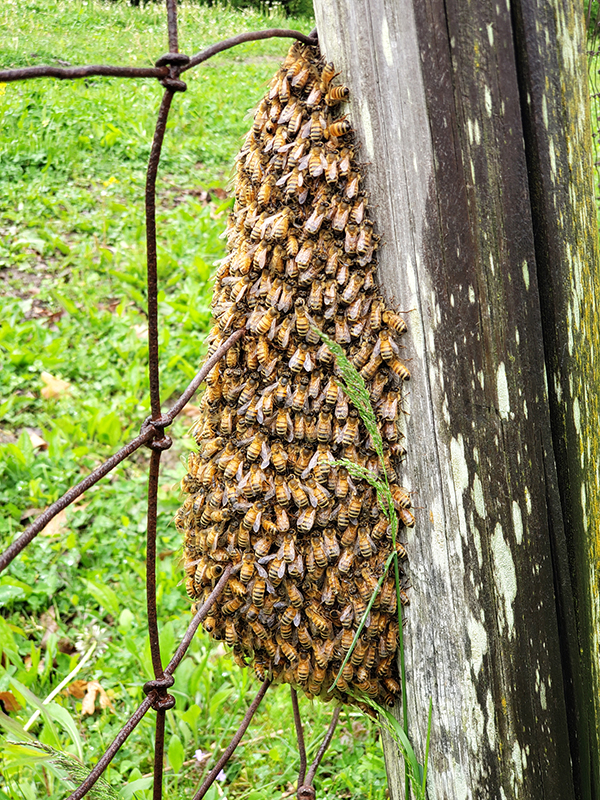
Create Sources Of Water
Along with providing bees with flowers and food sources, consider also providing the bees with a place to stop and take a sip of fresh water. This is especially important to do if it has been especially dry out or if you live in a drier location.
To create a nice drinking area for bees, simply set out a shallow bowl of fresh water near your flowering plants. Place a few rocks or pebbles into the bowl to give the bees a place to land and drink. The rocks also help prevent smaller bees from drowning. (There is a big size difference between a sweat bee and a bumblebee!)
Empty and change the water out frequently to prevent mold and mildew growth. Refilling frequently also helps to prevent pests like mosquitoes from laying their eggs in the stagnant water.
Avoid Chemicals Or Use Them Consciously – Bringing In Bees
This is definitely the tip that makes the biggest difference in the bee population, and that’s to avoid using pesticides, fungicides, and herbicides if at all possible. These products are the number one threat to the bee population.
For the safest strategy, don’t use any sprays or chemicals at all. Period.
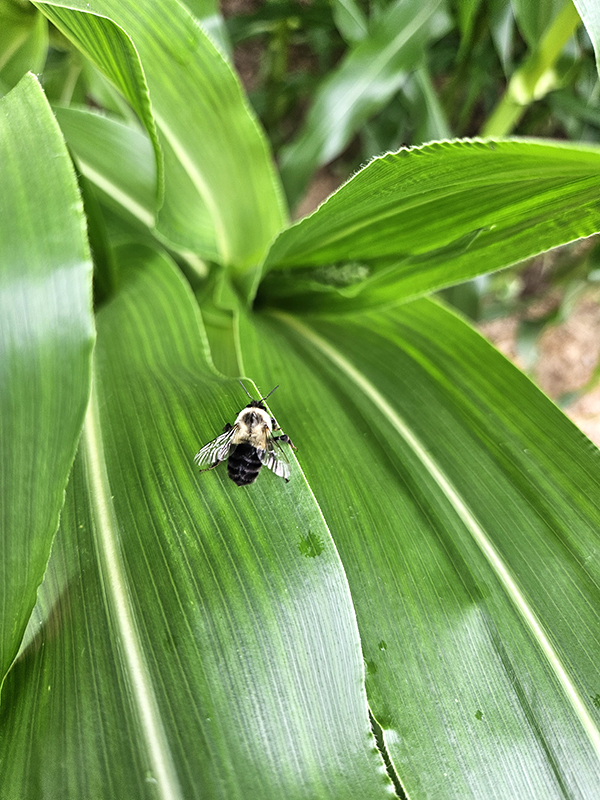
But if you have no choice, try to use organic alternatives like neem oil, Bacillus thuringiensis (Bt), cedar oil, Diatomaceous earth (DE), Insecticidal soap, borax, and others. However, most of these products still need to be used with caution and sparingly. (You can find a list of some of the more organically-approved products, as well as their interactions with bees, at the bottom of this website.
If you feel you have to use chemicals, dusts, or sprays – even organic ones – follow the directions to a “T” and keep the following in mind: Apply them sparingly and during the late afternoon or evening when bee activity is at its lowest. Do not apply them when there is wind because this can cause drift. Don’t allow the product to get on the blooms of flowers since the residual powder or chemical can kill bees. Use them on plants that bees aren’t currently visiting (like foliage-only plants).
I know I’ll get some haters for even suggesting you use sprays at all, but I’m also trying to be practical and give you real-life advice. Not everyone can be organic and product-free 100% of the time and in every situation.
Create A Bee-Friendly Habitat
My last bit of advice is to make part of your property as bee-friendly as possible. Maybe you have a spot in your yard that you can stop mowing to allow the dandelions or white clover to bloom and grow. (Dandelions are super important to bees in early spring since many flowers have yet to bloom.)
Or, turn part of your lawn into a native wildflower bed. Most native flowers require little watering or care throughout the growing season. Most will reseed themselves and continue to come back year after year to help feed the bees.
Some bee species live in dead branches, twigs, and rotting wood. If possible, find a place on your property where you can keep a few of these items lying around over winter. Or, purchase pre-made bee houses for the same purpose. (I have one that I purchased for mason bees. It’s fun to see the house fill up!) (Here is the bee house we purchased – Product Link: 12 in. Mason Tower Bee House.)

Believe it or not, many bee species are ground-nesting bees. Provide these bees with a space to live by finding a spot on your property where you can keep the soil bare and free of mulch and weeds. While I am a huge fan of mulch in your garden, mulching in these areas makes it hard for bees to access the soil.
Hopefully, by following these simple tips, you will be able to improve the bee population around your neighborhood all while reaping the benefits of pollinated blooms for your garden!
Until next time, thanks for stopping by!
– Chelsea
*This post may contain affiliate links. These are products I have used personally and highly recommend. As an Amazon Associate, I may earn a small commission from qualifying purchases if you purchase items through my links. These links and the ads on this page help to support my family and our semi homestead, so Thank You!
Discover more from Semi Homestead Life
Subscribe to get the latest posts sent to your email.