
For people trying to garden in the Midwest and further North, the inevitable always occurs at some point during the fall months: the first frost and hard freeze. Knowing what these terms mean and how to prepare your annual plants for each event can prevent you from going into panic mode when a weather warning is issued.

The fall can definitely be a frustrating time for gardeners. Usually, we are trying to squeeze out the last few harvests from our plants while we (un)patiently wait for those darn green tomatoes to start to ripen.
The shorter days and cooler nights definitely put a slow-down on growing vegetables for sure. However, as much as we don’t want to admit that summer is over (or maybe you are exhausted and ready for a break!), we can’t control the weather.
This means that we need to be prepared for that first frost warning or the dreaded first hard freeze. But what does each of those events really mean?
Taking steps now to learn all about frosts and freezes will allow you to be prepared ahead of time for that overnight drop in temperatures. (And reduce the chances of you scrambling late at night to find multiple sheets to cover up tender garden plants. Not that I speak from personal experience or anything!)
Preparing Your Garden For The First Frost & Hard Freeze
The first way you can prepare yourself and your garden is to learn the difference between a frost, a freeze, and a hard freeze. These three terms mean slightly different things, which results in different ways you should handle your garden plants.
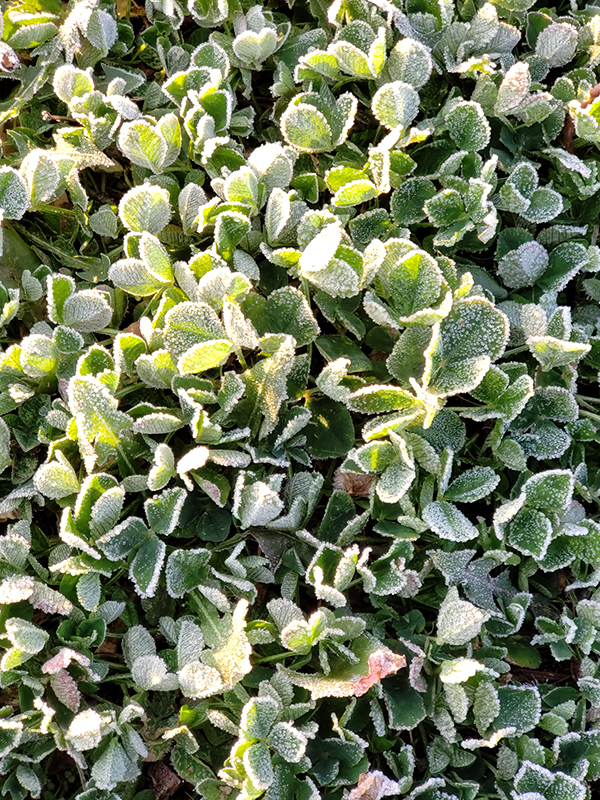
What Is A Frost?
A frost occurs typically when the air temperature drops to 32º F (Fahrenheit) or 0º Celsius (C). However, it’s the temperature at the plant’s level that we have to watch out for, not necessarily what is on the thermometer.
When nights are calm and cool during the fall and winter, heat can rise quickly from the soil. This causes the temperature towards the soil to be a couple of degrees colder than it is at eye level, where the temperature is normally read. That’s why you might see a “frost warning” issued by your local news station, even though the temperature might be slightly above freezing.
So why is a frost an issue for plants? Even during the night, plants expel water via evaporation through their leaves. When those tiny water droplets reach the cold nighttime air, they freeze right on the plant’s surface. This causes the plants to look “frosted”.
This isn’t an issue for cold-hardy crops. However, some crops are more tender and can’t survive a frost. These include plants like beans, cucumbers, eggplants, melons, peppers, summer and winter squash, sweet corn, and tomatoes. By the time morning comes, most of these unprotected plants end up wilted and most likely dead just after a frost.
What Is A Freeze/Hard Freeze?
A freeze, on the other hand, occurs when the freezing temperatures are more widespread and occur during a longer period of time. Some plants can survive if the freeze occurs only for a short time or if the temperature stays between 28-32º F (sometimes called “frost-tolerant” plants). This includes beets, carrots, cauliflower, celery, chard, lettuces, onions, and potatoes.

A hard freeze happens when the temperatures drop to or below 28º F for an extended period of time. When this happens, most all the crops within your garden are done for.
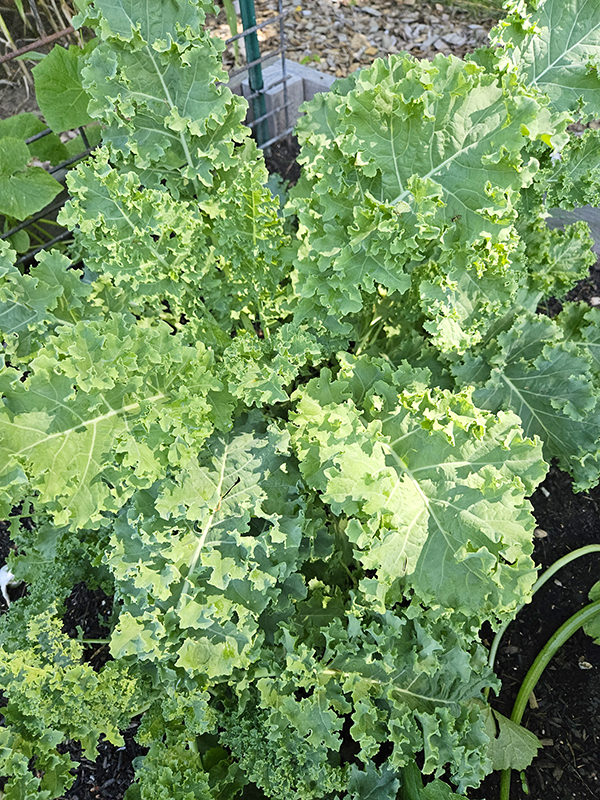
There are a few plants that are cold-hardy and can withstand temperatures below 28º, but only for short periods of time. Broccoli, Brussel sprouts, cabbage, collards, kale, parsley, peas, radishes, spinach, and turnips can survive hard freezes for short periods of time.
For root crops, adding a few inches of organic mulch around plants will help protect them. Straw, grass clippings (if you have any), shredded leaves, or compost all work well. Before hard freezes, be sure to harvest the crops before the ground freezes solid, though!
Know Your Dates – First Frost & Hard Freeze
Now that you know the difference between a frost, freeze, and a hard freeze, you need to become familiar with your first frost date. The best source I’ve found for this information is The Old Farmer’s Almanac. Simply enter your zip code to see your dates. The date that is given to you is the average of when the temperature in your location dips to freezing (or 32º F).
This date is not a guarantee! A frost can occur earlier or later than the date given. In fact, the date usually only denotes a 30% probability of a frost occurring at that date since it is an average. Watch your weather forecast and use that as your best guide. Most local stations will put out first frost and freeze warnings when applicable.

Also, keep in mind that your garden location can affect the first frost. If your garden is in a low-lying location like a valley, you might experience frost much earlier than your neighbor who has their garden higher up. Even living in an urban area or surrounded by timber can affect the frost date. So use the first frost date as a guide, not as a set “rule”.
One of the best ways you can figure out your specific frost date is to start keeping track of it in a garden journal or planner. After a few years, you can take the average of those dates and use that as a guide.
How To Protect Plants In Your Garden?
When you get close to your first frost date AND the weather outlook is looking a bit chilly, it’s time to do one last big harvest from your garden. If the weather forecast is still warm, wait a bit longer, no matter what your first frost date is. (Do stop fertilizing perennial plants though, no matter the weather forecast.)
If the plants are done producing (or you are burnt out and ready to be done gardening!), go ahead and remove the plant and any plant matter from your garden at this time. Either compost it or toss the vegetation, depending on what the crops are. (You can read more about this process in my article, “Cleaning Out The Garden In Fall – 7 Tips To Get Ready For Spring”.)
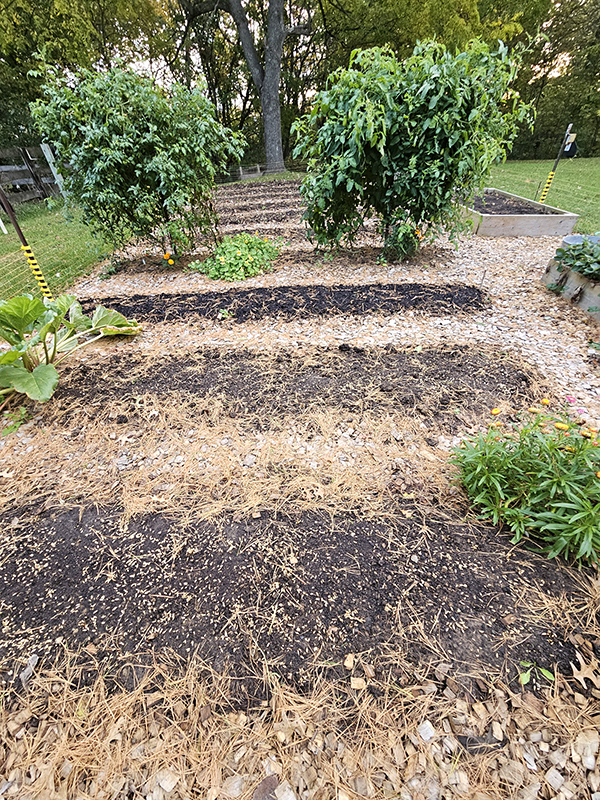
I always like to leave a few flowers behind for a bit to help any late straggling pollinators. This is totally a personal choice, though. The first frost will zap the zinnias, but the marigolds will last until the first hard freeze.
If you are planting a cover crop in the fall, it’s time to get that planted as well. You need to sow some crops a few weeks before your first frost date, so research that ahead of time and plan accordingly.
First Frost Warning
When the first frost is forecast for the night, it’s time to take action. For plants that are frost-tender, like tomatoes and peppers, cover them with a sheet or a frost blanket. These coverings help trap in the heat. I like to keep extra bed sheets on hand just for this use.
Instead of sheets, get inexpensive frost blankets and cut them to size or use them to cover entire rows. You can also use them in the spring for pest control. (We like these, among others – Product Link: Agfabric Plant Covers Freeze Protection)
You can also cover smaller plants with cloches or even buckets. Basically, anything that will prevent frost from forming on the plant’s surface will work. If the plant is in a container, bring it into a garage or a building for overnight protection.

You can leave frost-tolerant and cold-hardy plants as-is. They do not need covering or protection during frosts.
Remove any coverings mid-morning after the threat of frost has passed. Sometimes, you will get an early frost and still have several more weeks of growing time before a freeze hits, so you don’t want to leave the covers on too long.
First Freeze Warning
With a freeze warning, your tender crops are most likely done for, whether you cover them or not. Using a cold frame can help to prevent frost damage or prolong the growing season for frost-tolerant and cold-hardy crops. It usually won’t help tender crops, though.
As odd as it sounds, one way to protect your plants from a freeze is to water them. Drought-stressed plants are much more susceptible to cold damage than plants that are in moist soil.
If you know a freeze is on the extended forecast, start watering your crops regularly. Start a few days before the freeze if possible. The reason is that moist soil actually retains more heat compared to dry, drought-like soil. Just avoid overwatering. You want moist soil, not soggy soil!
First Hard Freeze Warning
While you can try to cover plants, nothing really helps prevent crop loss due to a hard freeze. These longer-lasting freezes signal the end of the growing season.
It’s better to cut your losses and pull your crops before they occur. Otherwise, you will wind up dealing with soggy, wilted plants that aren’t the most pleasant to handle.
Once the garden is cleaned out, you can sit back and try to enjoy the colder weather. Maybe dreaming about next year’s garden will help warm you up some! Winter will be over before you know it!
Until next time, thanks for stopping by!
– Chelsea
*This post may contain affiliate links. These are products I have used personally and highly recommend. As an Amazon Associate, I may earn a small commission from qualifying purchases if you purchase items through my links. These links and the ads on this page help to support my family and our semi homestead, so Thank You!
Discover more from Semi Homestead Life
Subscribe to get the latest posts sent to your email.