
From planting tulip bulbs in the fall to harvesting the blooms in the spring and everything in between, learn all you need to know about growing tulips in this complete step-by-step guide.
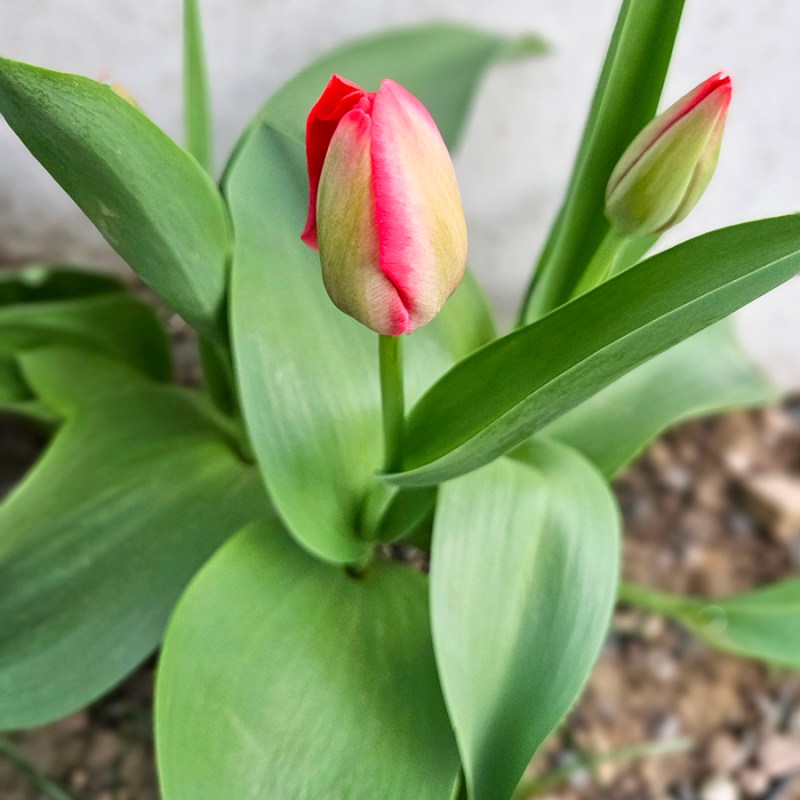
Tulips and springtime seem to go hand-in-hand. Along with crocuses and daffodils, tulips are probably the most iconic flowers when people think about springtime.
These cold-tolerant flowers are one of the very first to pop up out of the soil after a long and gray winter season. First, you will see a small glimpse of the green foliage. Before you know it, you have stunning, colorful blooms popping out long before other flowers can even be planted outside.
However, in order to enjoy stunning tulip blooms in the spring, there are a few things to keep in mind. I’ll walk you through the whole planting and growing process so you can be confident that your hard work will be rewarded with stunning spring tulip blooms.
All About Tulips – Growing Tulips Guide
Tulips are native to Eastern Asia and Central Europe and are often associated with the Netherlands thanks to their cooler climate. However, new cultivators and hybrids are now available that can grow almost anywhere. Nowadays, there are thousands of varieties available in all sorts of different sizes, shapes, colors, and blooming periods.
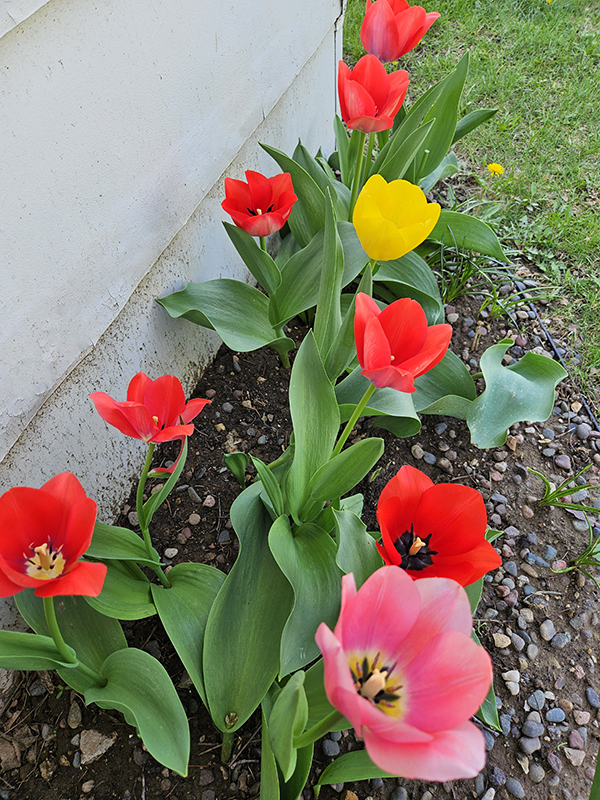
The cup-shaped blooms are probably the most iconic tulip shape, but there are a few other variants available. Blooms can range anywhere from just a few inches tall all the way up to over two feet tall. Typically, each bulb produces a single bloom that stays open for about one to two weeks.
While most flowers are grown from seeds, tulips are grown from bulbs. These bulbs do best when planted in the late fall months because tulips require a period of 10 to 14 weeks of cold (also called “vernalization”) in order to produce blooms.
Even though they are technically perennials and hardy in growing zones 3 through 8, most tulip bulbs only produce well in their first year or so. After that, the flowers may start to struggle. Because of this, many gardeners will treat tulips as annuals, replanting bulbs each fall.
Growing Requirements For Tulips
Probably one of the most important aspects of having healthy tulips is to choose a location that has well-draining soil. If the area constantly has standing water, it will likely cause the bulbs to rot long before they get a chance to germinate and grow into blooms.

The soil also needs to be loose. If you have heavy, clay-like soil like we do, amend the soil by adding lots of finished compost, organic matter, or even sand to the growing space before planting the bulbs. You can also plant tulip bulbs in flowerpots and containers if you need even more control over the soil conditions.
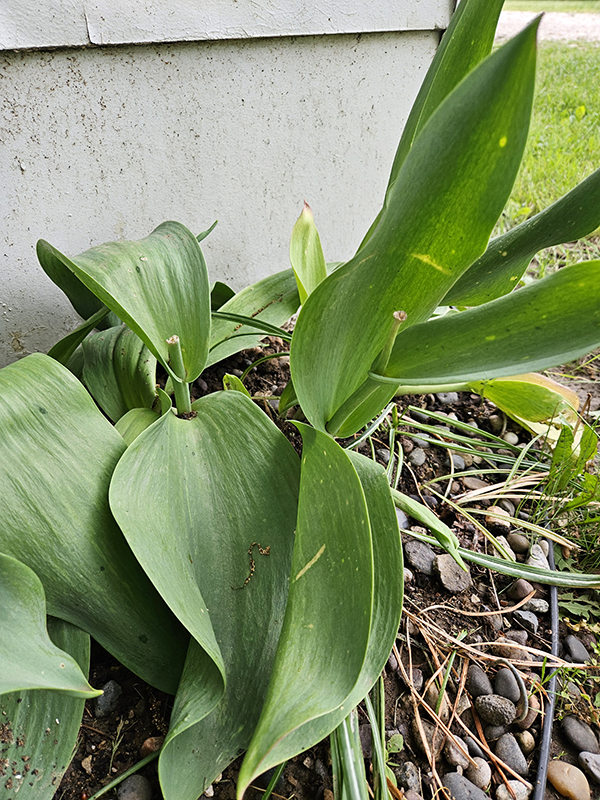
In addition to thinking about the soil, also consider the sunlight. Tulips grow best under full sun exposure (at least 6 hours of direct sunlight each day). While they can handle partial shade, they will do better with full sun. (The tulips I have growing in these pictures are under partial shade exposure with afternoon sun.)
Picking Out Tulip Bulbs – Growing Tulips Guide
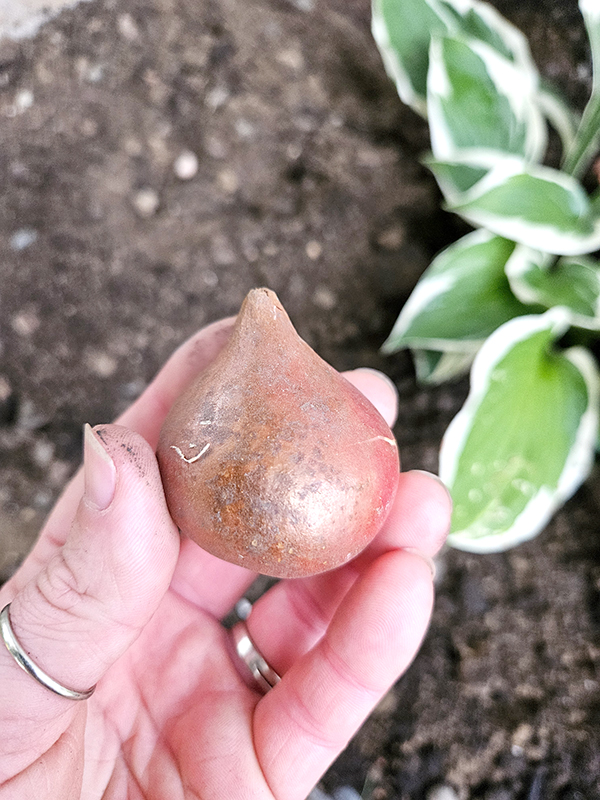
When choosing tulip bulbs, look for ones that are firm and of a good size. Avoid any bulbs that have soft spots or discolorations because this is an early indication of rotting. Plant the bulbs in the ground as soon as possible after purchasing.
If you want to enjoy blooms all spring long, look for varieties that bloom at different times. That way, after one variety is done blooming, another will just be starting.
How many bulbs you need will depend on the type of display that you want. Tulips look best when they are planted in clusters. Spacing bulbs two inches apart will create a denser look compared to those planted four inches apart. A good guideline is to plant 9 to 12 bulbs per square foot.
Tulips are often planted with other early spring flowers like daffodils and crocuses. Create visual depth and interest by planting taller varieties behind shorter varieties. (To learn about planting crocuses, see “How To Plant Crocus Bulbs – Plant In Fall For Spring Blooms!”)
For those who live in warmer climates and mild winters, you will need to chill the bulbs in your refrigerator for about 12 weeks before planting. You can sometimes purchase bulbs pre-chilled as well, so look for that option when purchasing bulbs.
Planting Tulip Bulbs – Growing Tulips Guide
Aim to get your tulip bulbs in the ground 6 to 8 weeks before the ground freezes. This timeframe allows the bulbs to get established before the harsh winter weather arrives. If you aren’t sure when that is, the nighttime temperature should consistently average 40º Fahrenheit. This is typically between Septemeber through November, depending on your climate.
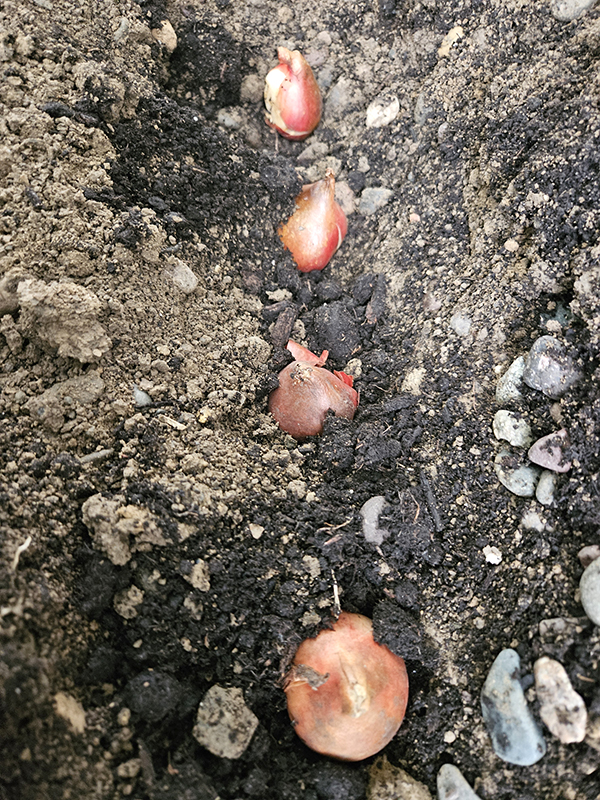
When planting, loosen the soil in the planting location, tilling down about a foot deep. This depth allows the bulbs to spread and take root. Amend the soil with compost if needed. Not only will the compost help to loosen dense soil, but it will also provide the bulbs with additional nutrients.
Place the tulip bulbs 6 to 8 inches deep in the ground, with the pointy end up. For areas with denser soil, plant on the shallower end of the range. (Some sources say plant bulbs at 2 to 3 times the height of the bulb, tip to end. However, I don’t take the time to measure each bulb.)
Space additional bulbs 2 to 4 inches apart. Cover with more soil and compost and gently tamp down. Water well after planting.
If your goal is to grow tulips as a perennial, add a balanced fertilizer when planting. You can even find fertilizers that are specific to bulbs. While there are plenty of built-in nutrients within the bulbs for one growing season, the additional nutrients will be needed for future years’ growth.
Long-Term Care for Tulips
Once the bulbs are in the ground, add 2 to 4 inches of organic mulch like shredded leaves, natural wood chips, or straw. The mulch will help to regulate soil temperatures, retain moisture, and help prevent weeds. If the organic matter is fine, the bulbs should be able to sprout up through the mulch once early spring arrives. Otherwise, remove the mulch in early spring.

After the initial planting and watering, you shouldn’t need to water them again. One decent rainfall a week should be plenty. Otherwise, water the bulbs every couple of weeks until the ground freezes to avoid overwatering.
When you start to see foliage in early spring, add a dose of either bone meal or an all-purpose fertilizer geared towards bulbs. Alternatively, top dress the soil with compost. (Product Link: Burpee Bone Meal Fertilizer)
Do not worry if you start to see early-season growth thanks to a rare mild winter weather. Tulips are equipped to handle cold weather and freezing temperatures. While some of the foliage might look a little worse for wear after a late-season freeze, the only real issue will be a slight delay in growth. Even a blanket of snow shouldn’t hurt them.
After the blooms start to fade, remove only the bloom and stem. Leave behind any foliage. The foliage helps to provide the bulbs with energy and nutrients for next year’s blooms. Allow the foliage to die back naturally; Then you can remove it.
Frequently Asked Questions – Growing Tulips Guide
Are tulips considered perennials or annuals? Botanically speaking, tulip bulbs are perennials. However, most growers only get a couple of good years out of the bulbs before they need to be replanted. Some gardeners prefer to treat them as annuals, digging them up each season and starting fresh the following year.
Can I plant tulips in the spring? While you can plant tulips in very early spring, they don’t produce the best results. Tulips require a 10 to 14-week cold period in order to bloom. If you plant them in the spring, you may only get foliage to grow the first year. The second year should produce a flower.
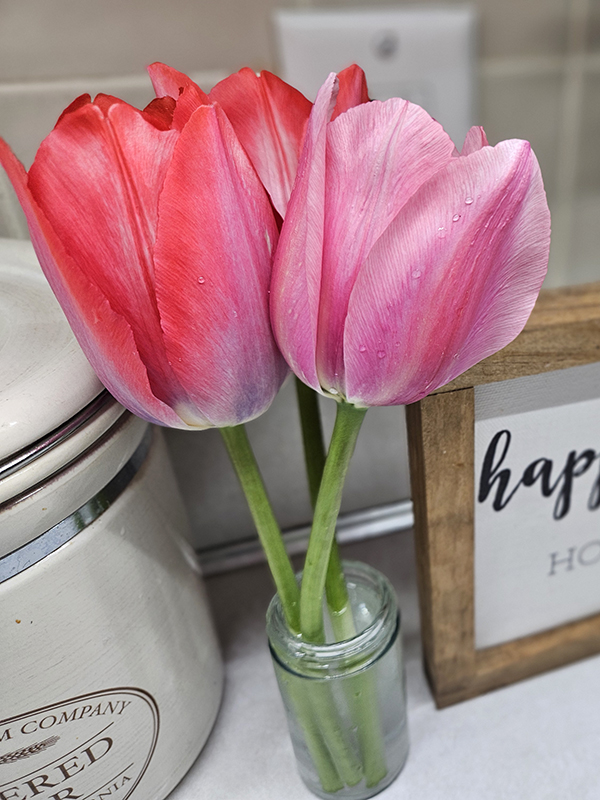
How to cut tulip blooms for vases? Tulips make excellent cut flowers. Remove any blooms you want to use in displays or vases right before they start to open up. Cut the stem diagonally and immediately place it in water. Change the water daily, and the blooms should last about a week.
Should you dig up tulip bulbs? You can either leave the bulbs in the ground (what we do here in Zone 5), or you can dig them up for storing if you live in a warmer climate. Carefully dig up the bulbs and remove as much soil as possible without washing them with water. Discard or compost any bulbs that are damaged or diseased. Allow the bulbs to dry out fully, then store them in a cool, dark place over the winter.
Questions About Issues & Pests
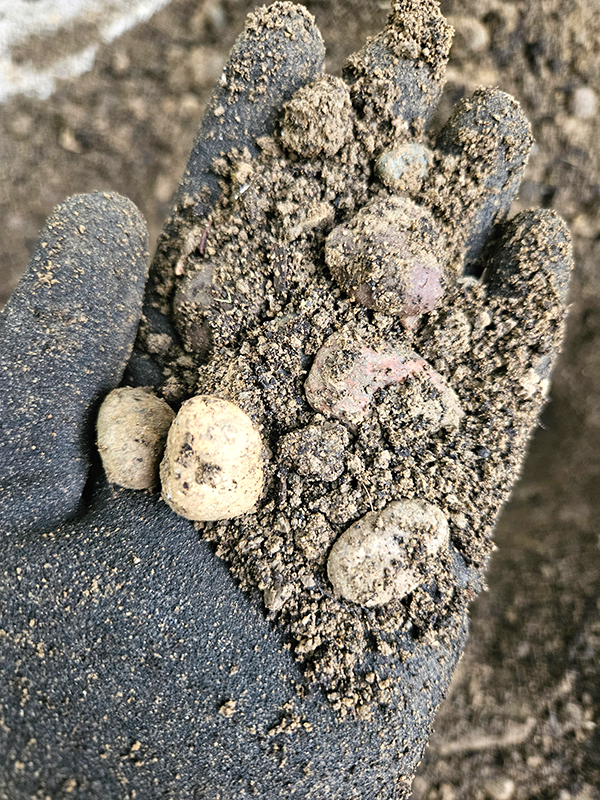
How do I protect newly planted bulbs from squirrels and larger pests? Tulip bulbs can be a tasty treat for many pests. To help discourage them from digging, cover the planting area with chicken wire or some type of wire netting. You can also add pea gravel or rocks to the soil to discourage digging pests.
What are other pests and diseases of tulip bulbs? Watch out for issues like bulb rot and tulip fire. Some of the most common pests are aphids, mites, thrips, and bulb flies.
Are tulips toxic? Yes, all parts of a tulip plant are poisonous for cats, dogs, and other pets. However, the plants are typically left alone by most.
Why didn’t my tulips bloom? There could be a number of different reasons why your tulips didn’t bloom properly. Some reasons are overcrowding, poor soil quality, improper planting depth, the age of the bulbs, lack of sunlight, or not enough cold exposure.
Hopefully, you will give planting and growing tulips a try after reading through this guide!
Until next time, thanks for stopping by!
– Chelsea
*This post may contain affiliate links. These are products I have used personally and highly recommend. As an Amazon Associate, I may earn a small commission from qualifying purchases if you purchase items through my links. These links and the ads on this page help to support my family and our semi homestead, so Thank You!
Discover more from Semi Homestead Life
Subscribe to get the latest posts sent to your email.