
If you are new to gardening, it can be overwhelming trying to pick out vegetables that are beginner-friendly, require little maintenance, and still produce a decent yield throughout the growing season.
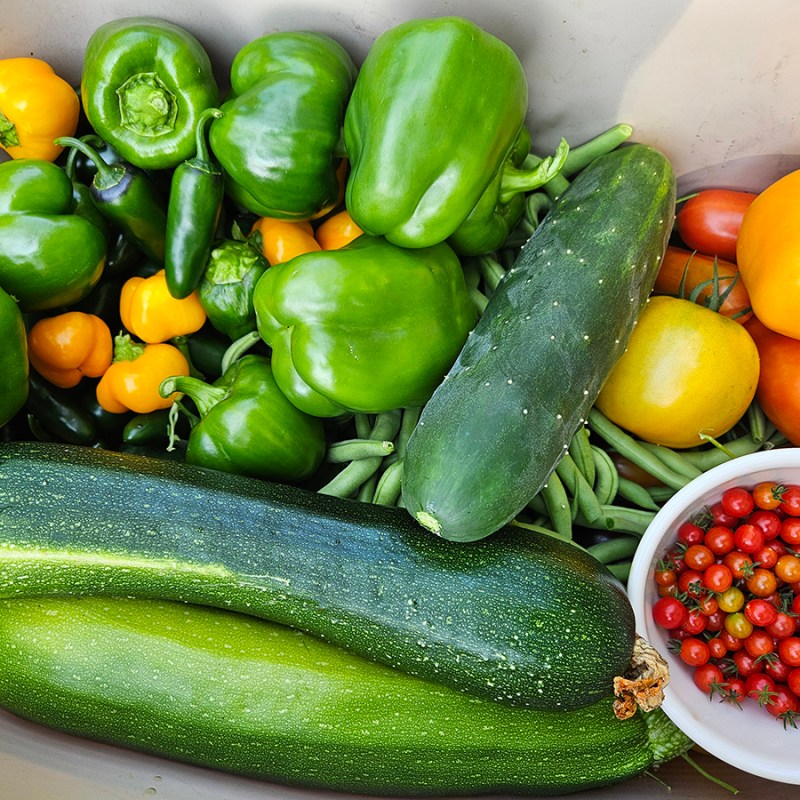
While it’s nice to enjoy the physical and mental benefits that come along with growing food, you also want all that hard work to pay off. Thankfully, there are some vegetables that are not only easy to grow but also produce large harvests throughout the growing season.
Whether you want to grow vegetables in a traditional in-ground backyard garden, in raised beds, or even in grow containers, the varieties on this list are perfect for beginner gardeners.
What Makes Some Vegetables Easier To Grow?
Not all vegetables and garden plants are created equally. Some require specific growing conditions, the right type of soil pH, certain watering schedules, and more. Others are a bit more forgiving, making them better for people who are just starting out gardening.
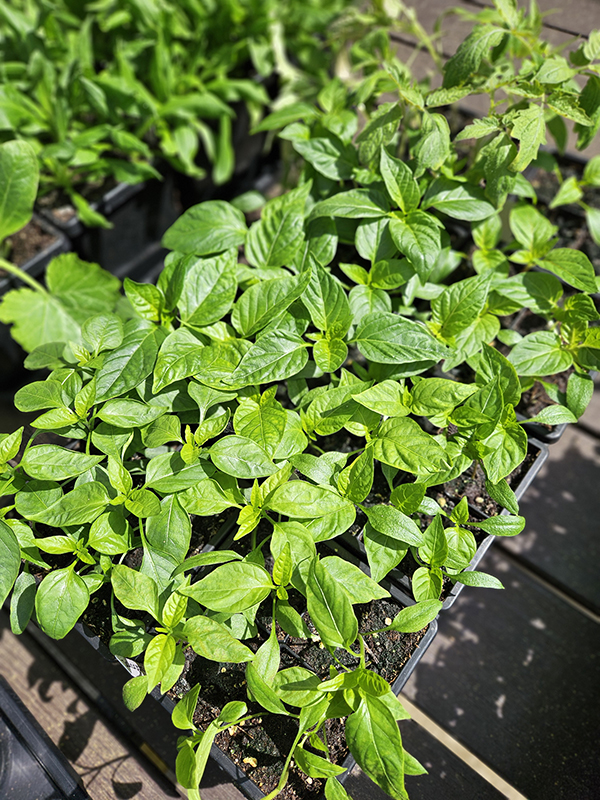
Most easy-to-grow plants share a few common traits. In fact, they are a lot more flexible and adaptive than you might think (or what some gardening “experts” lead you to believe). Most can tolerate a wide range of soil types, temperatures, and watering schedules as long as a few basic care requirements are met.
Most germinate quickly when grown from seed, or they can easily be started indoors. (For tips on starting seeds indoors, check out my article, “Indoor Seed Starting 101 – A Complete Beginner’s Guide”.) Some crops are even disease and pest-resistant, which makes them a perfect choice for beginners.
When their basic needs are met, crops can grow easily, stay healthy, and produce a lot. This provides new gardeners with a more successful and enjoyable gardening experience from start to finish. It will also likely instill a passion for growing, encouraging new gardeners to grow even more varieties in the future.
The Best Beginner-Friendly Vegetables For High Yields
This is not an exhaustive list of beginner-friendly vegetables that new gardeners can grow, but they are ones I have personally grown and feel would be perfect for someone just starting out.
Green Beans
Green beans are one of the best choices for new gardeners. Other than regular harvesting, they don’t require much regular maintenance. (See, “Green Bean Plants – How To Plant, Grow, & Care For Green Beans”)
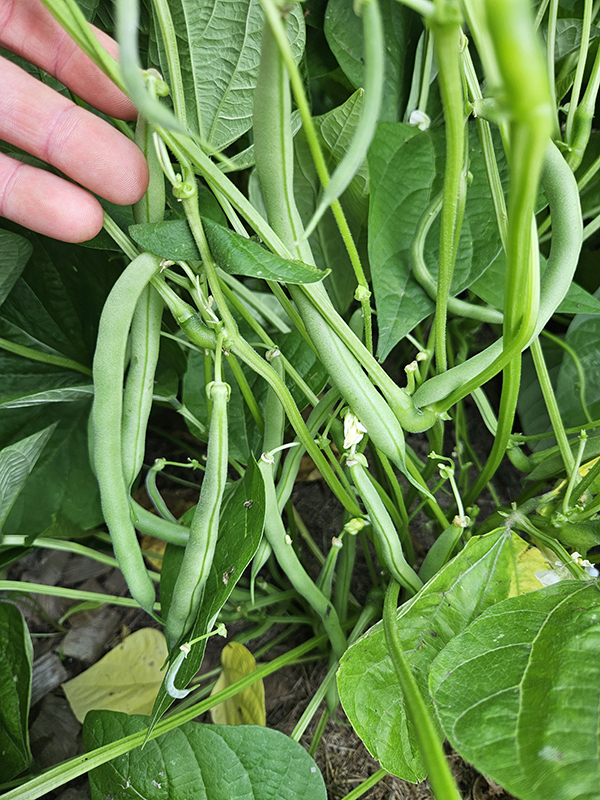
There are both vining and bush varieties of green beans, making them perfect no matter what your growing space looks like. In addition, you can really pack multiple plants in a small area. Green beans can also be grown in containers if your space is extremely limited or if in-ground gardens aren’t an option.
Unlike some vegetables that require gardeners to start the seeds ahead of the growing season, you can plant green bean seeds directly in the ground when the soil warms up. The seeds germinate quickly, and you can often get two batches of crops in one growing season. Even here in Growing Zone 5 (Illinois), I can get two successions of planting in before the chill of winter arrives (one planted in late spring and another in the middle of summer).
Each plant can produce about 1/2 to 1 pound of green beans. Since you can get multiple harvests each season, they are one of the best high-producing crops for gardeners. Just be sure to harvest them often so they keep on producing.
Zucchini – Beginner-Friendly Vegetables
One or two zucchini plants can provide you with loads of fresh zucchini to eat all summer long. You might even have enough to hand out to family and friends! (See: “All About Zucchini Plants – How To Plant, Grow & Harvest Zucchini”)

Zucchini can grow easily from seeds or from transplants. I usually grow a little of both. I start some seeds indoors so I can plant the transplants in the garden for earlier harvests. Then, I plant a second batch of seeds during the warmer months directly in the garden. This allows me to harvest throughout the entire growing season, long after the first round of plants starts to die back.
The main thing to watch out for with zucchini plants is squash vine borers. Other than that, they are fairly easy to grow. Waiting to plant the seeds or transplants until a few weeks into summer can help prevent squash vine borers. (For even more tips, check out my article, “Defeating Squash Vine Borers – How To Prevent Or Kill Vine Borers”.)
Potatoes
Another high-yielding vegetable that is easy to grow for beginners is potatoes. Unlike most crops, potatoes are grown from seed potatoes – certified potatoes that are meant specifically for growing new crops. A single seed potato is capable of growing multiple tubers for harvesting.
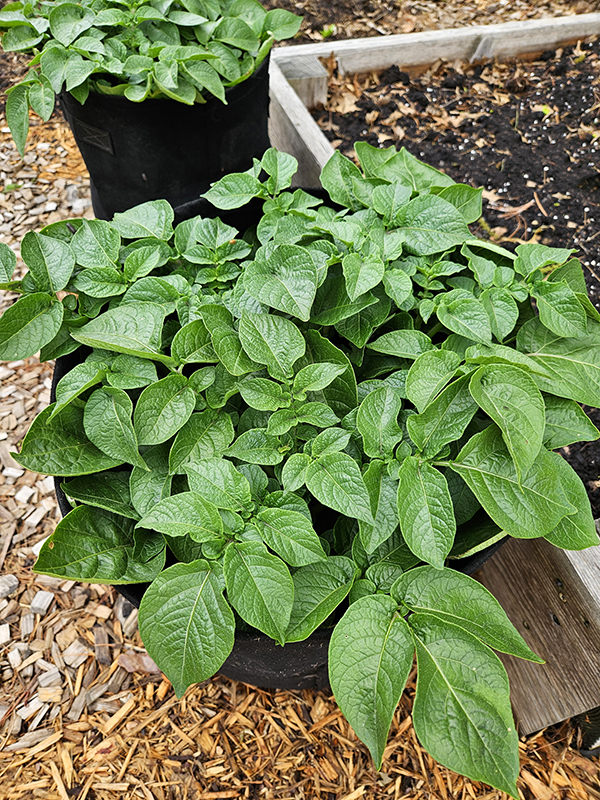
There are different types of potatoes, some of which require hilling (indeterminate potatoes) and others that don’t (determinate potatoes). (See, “Determinate and Indeterminate Potatoes: What You Need To Know”) Choose the right type for your growing location and the containers or space you are using. For example, if you don’t have the time or extra soil to hill plants, choose determinate varieties. (This is the type I grow in our garden.)
Potatoes can be grown directly in the soil if you have loose, well-draining soil. You can also grow them in inexpensive grow bags where you have more control over the soil. I’ve grown potatoes both in-ground and in grow bags with good success. Although I get a bit more return from those grown directly in the soil. These grow bags are identical to the ones I use for our potatoes: VIVOSUN 5-Pack 10 Gallon Plant Grow Bags (Product Link).
Cucumbers – Beginner-Friendly Vegetables
Just like squash, you can grow cucumbers directly from seeds or by using transplants. I normally always start a few seeds indoors in early spring and then plant some seeds directly in the ground once the soil warms up. It’s the best of both worlds.
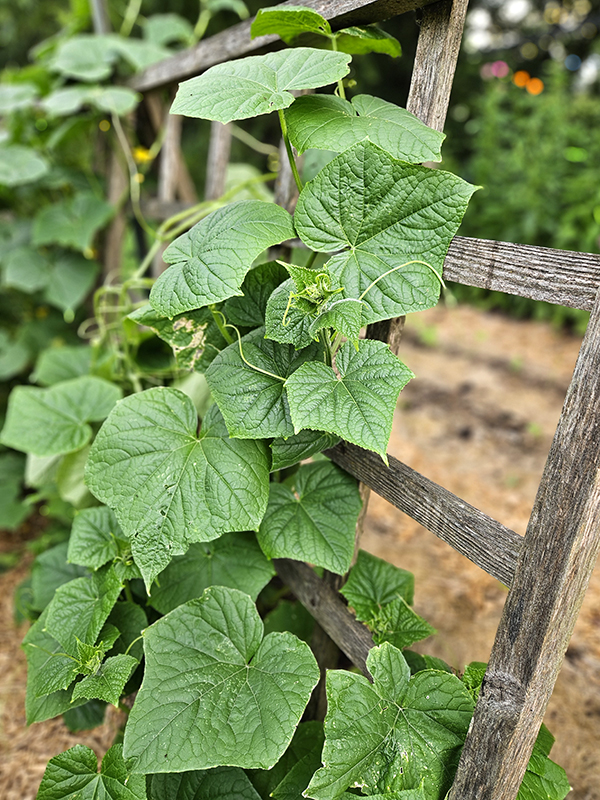
Cucumbers come in multiple varieties, shapes, and styles. Some are best for pickles and canning (smaller cucumbers that only grow to be a few inches long), while others are great for slicing and fresh eating. Think of how you want to enjoy the cucumbers in order to choose the right type for your garden.
Cucumbers are a vining plant, but you can also find bush varieties for container growing or smaller spaces. For vining varieties, you need some type of fence or trellis for them to grow up. Cucumbers produce small tendrils that curl around and hold on to the trellis for support.
Once cucumber plants are established, they will continue to produce until the first frost. Similarly to green beans, the more you harvest, the more the plants will produce.
Garlic – Beginner-Friendly Vegetables
While it might be too late to plant garlic for the current growing season, it’s still one of my favorite beginner-friendly crops to grow. It is such a hands-off crop once you get it in the ground. (See, “Planting Garlic In The Fall For A Huge Summer Harvest”)

Garlic does best when it is planted in the fall. Each garlic bulb breaks apart into multiple cloves. Each clove can be planted and will turn into a whole new bulb. After planting, add a thick layer of mulch on top of the soil to protect the cloves during the winter months. (We use shredded leaves as our mulch in the fall.)
The cloves stay dormant over the winter months, tucked into the ground. Then, when the warmer weather of spring arrives, the cloves start to sprout and grow into brand new plants – all without you doing a thing!
As an added benefit, if you plant a hardneck garlic variety, you will be rewarded with a bonus harvest – garlic scapes. I love to sautee up the scapes in a little butter and salt for a delicious side dish. Then, in the middle of summer, the bulbs can be harvested for long-term storage.
Tomatoes
Of all the vegetables on this list, tomatoes are probably the most common for any new gardener to grow. With so many different tomato types, shapes, sizes, colors, and flavors, it’s no wonder that they are a must-grow crop for many!
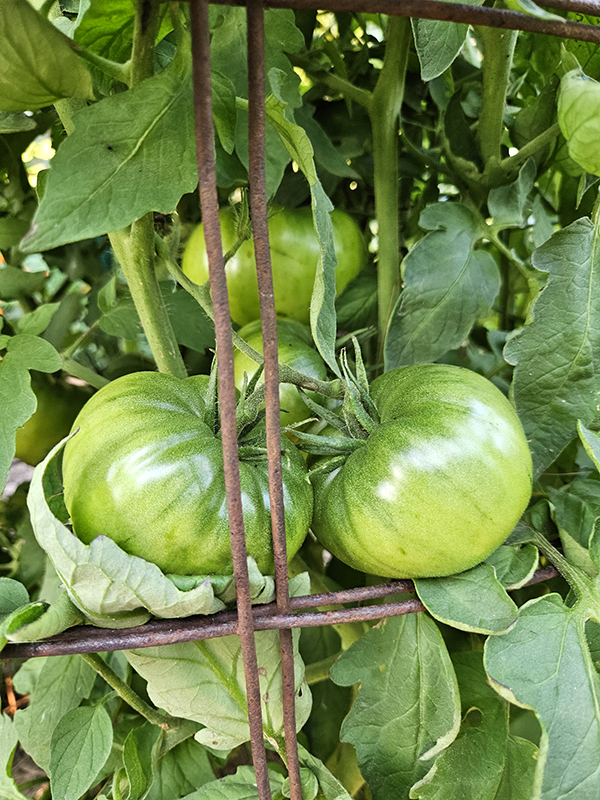
You can grow tall, vining varieties that continue to push out tomatoes all growing season long. These types of tomatoes are called indeterminates, and they require cages or some type of support to keep them healthy and off the soil. Cherry or paste tomatoes are great indeterminate options for new gardeners since they produce loads of fruit with little effort.
If you don’t have the space for vining varieties, choose determinate tomatoes or dwarf varieties. Some of these grow to only be 12 inches tall, like Orange Hat tomatoes.
Determinate tomatoes are perfect for patio gardens or other smaller spaces. To learn more about the differences between indeterminate and determinate tomatoes, check out my article, “Determinate And Indeterminate Tomatoes – All You Need To Know”.
I have loads of articles on growing tomatoes on the website. Just do a quick search, and you should find in-depth articles on everything from starting seeds to preserving the harvest.
Other Great Options – Beginner-Friendly Vegetables
There are many other great vegetables that are beginner-friendly and easy to grow. For cool-weather crops, consider all sorts of different lettuces and spinach. You can have a whole salad growing right in your own backyard!

Radishes are another great cool-weather crop that is extremely rewarding for new gardeners to grow. They easily and quickly germinate from seed and mature quickly. They also don’t take up a lot of space. In fact, you can harvest radishes about 20 to 30 days after planting. For continual crops, plant radishes every couple of weeks.
Peppers are another crop that is easy to grow once established. The main issue I have with peppers is that the seeds take forever to germinate. If you are new to gardening, consider purchasing transplants from a local garden center. One of my favorite pepper varieties is Mini Bell Peppers. They are perfect for snacking, and one plant produces loads of tiny, tasty peppers.
The main goal for beginner gardeners is to start small; grow plants you know you will enjoy eating; follow some basic care tips like providing full sunlight, deep watering, and mulch; and take a deep breath! Don’t expect perfection, learn from your mistakes, and enjoy the process!
Until next time, thanks for stopping by!
– Chelsea
*This post may contain affiliate links. These are products I have used personally and highly recommend. As an Amazon Associate, I may earn a small commission from qualifying purchases if you purchase items through my links. These links and the ads on this page help to support my family and our semi homestead, so Thank You!
Discover more from Semi Homestead Life
Subscribe to get the latest posts sent to your email.