
Aphids are one of the smallest garden pests you will likely ever need to identify in your garden, yet they are also one of the most common. Chances are, if there are aphids living in your garden, you will see their damage long before you ever see one of these tiny insects.
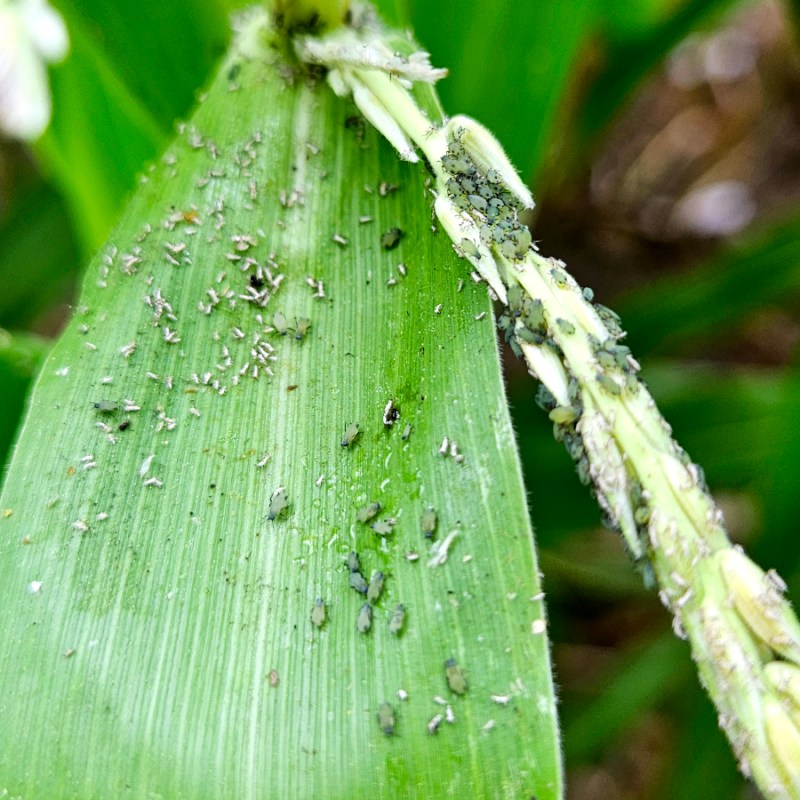
What these pests lack in size, they more than make up for with their ability to reproduce quickly (and in a very interesting way!). That doesn’t even take into account their unique adaptation to grow wings if they need to move from plant to plant due to overcrowding or to find a new food source!
Thankfully, aphids are one of the easier garden pests to manage and treat – That is, as long as you know what you are looking for. In this article, I’ll talk about what aphids are, how to identify them, what type of damage to look for, what plants they prefer, and a few myths and frequently asked questions about these tiny insects.
What Exactly Are Aphids And How To Identify Them
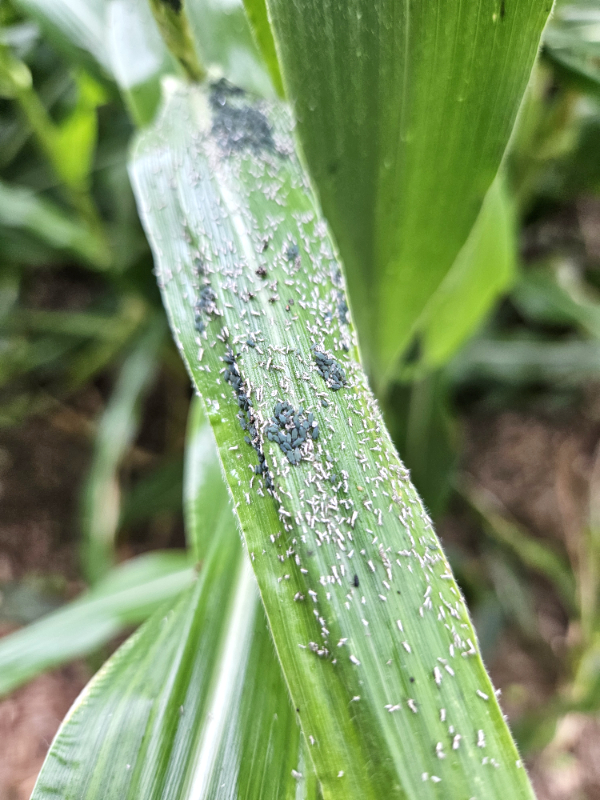
Aphids are small, soft-bodied insects that feed by piercing plant tissues and sucking out their nutrient-rich sap. Their bodies are pear-shaped and can be black, brown, green, yellow, pink, or even white, depending on the species. Some have a waxy or a “woolly” appearance.
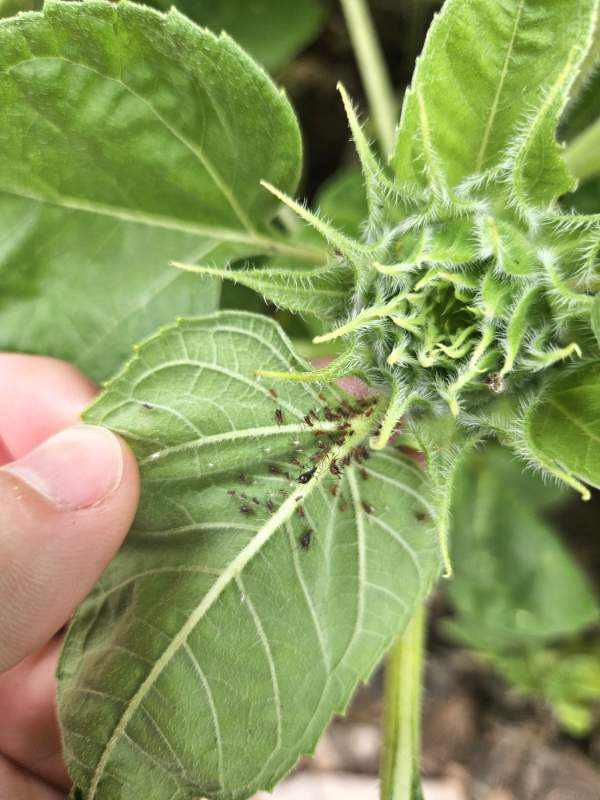
At their mature size, they measure around 1 to 3 millimeters long. They have long antennae and two short tubes (called cornicles) protruding from the top of their rear ends. The nymphs (i.e., babies) look similar to the adults, only smaller. The adults can be either winged or wingless, but you will most likely see wingless ones on your plants.
Aphids are often found in large clusters on the underside of leaves and on new plant growth. Their sucking mouthparts feed exclusively on the sap from plants. As they feed, the aphids leave behind a sugary secretion called honeydew. This honeydew coats the plants and can encourage the growth of black sooty mold, causing even more issues for the host plant.
A Fascinating But Creepy Lifecycle
Even though I don’t like aphids, I will admit their lifecycle is rather fascinating. Here in the Midwest, aphids overwinter as eggs on dead plant matter. (One reason why it is super important to clean out your garden each fall!)
When the weather warms up in the summer, these eggs hatch as wingless females. Yep, you read that right: only females.
After about 20 to 30 days, these females give birth to live young, without the assistance of a male or mating (i.e., asexually). In just a matter of days, the nymphs mature and produce their own offspring. Each female can give birth to around 60 to 100 live nymphs.
Here’s what is kind of fascinating about aphids. Unlike humans, the eggs within a female start to develop long before birth. So not only does a female aphid contain her own offspring, but also the “granddaughter” generation as well. (In other words, the live nymphs are born already pregnant with the next generation, and on down the line.)
So what does that mean for you?
That means that you can wind up with a TON of aphid generations within the same growing season! It also means that aphids multiply quickly. Just a few aphids can turn into a big problem if left unchecked.
But wait, there’s more! Once a current host plant gets too overcrowded with aphids, winged females are produced. These winged females then fly to new host plants, producing more nymphs to take over the new plant.
In the South, where winters are milder, females continue to give birth to live, already pregnant nymphs. Here in the Midwest, only when the temperatures drop at the end of summer and daylight hours are reduced are both male and female aphids produced. These aphids mate and the females lay eggs. This starts the whole dreaded (yet amazing!) process all over again for the next year.
Where Do Aphids Come From
Aphids can come from a few different sources. First, as I explained in the lifecycle above, aphids come from overwintered eggs if you live in the Midwest or locations with colder winters.
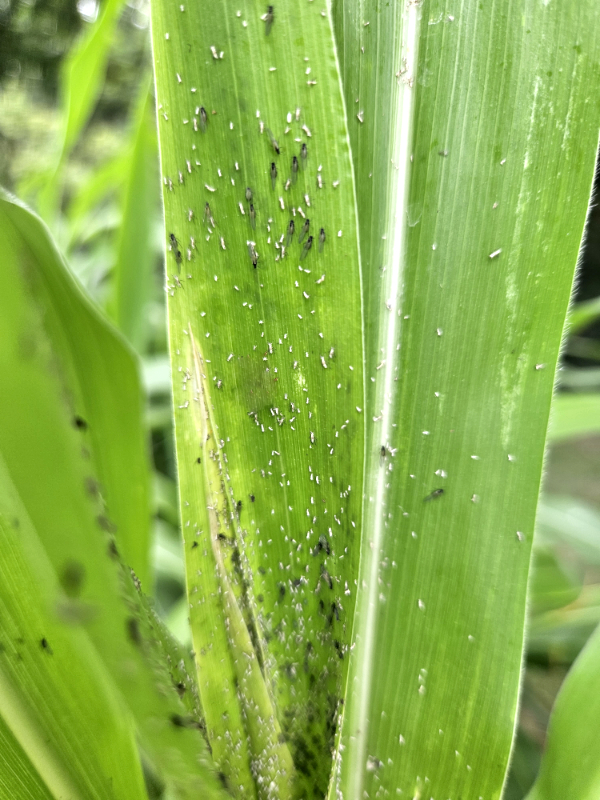
While winged aphids aren’t the best flyers, they can also be distributed via the wind. According to the University of Wisconsin-Madison, aphids can travel hundreds of miles using jet streams and wind currents.
Lastly, aphids can hitchhike a ride from transplants, seedlings, and even animals or humans. (Don’t worry, they don’t bite.) All it takes is just one single female aphid to start the whole colony since they can reproduce asexually.
Signs Of Aphid Problems – How To Identify Aphids
Since aphids can be hard to spot, there are a few other signs you can look for. You will usually spot damage before you spot the aphids. (As always though, the best way to find a problem is to walk your garden often and check plants over top to bottom for any damage or pests. The sooner you find an issue, the sooner you can fix it if needed!)
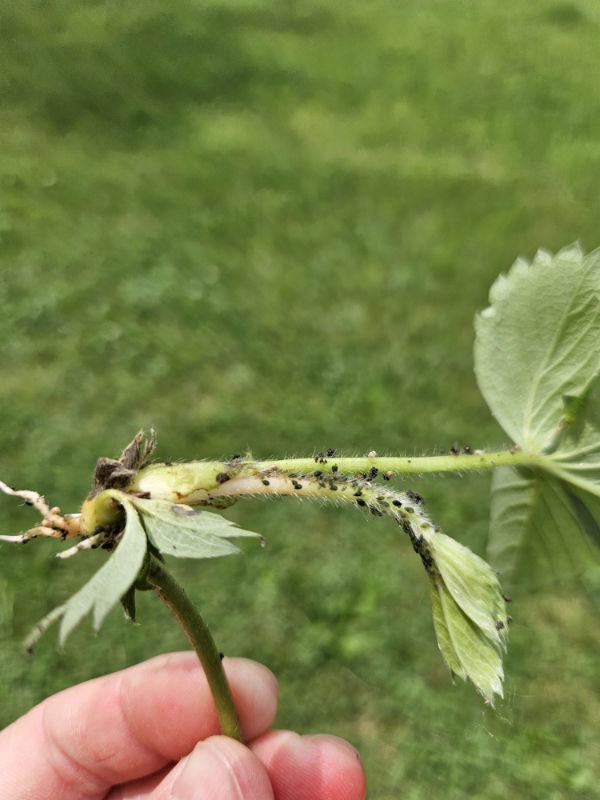
Aphids feed on all parts of a plant, including the stems, leaves, flowers, buds, fruit, and even their roots. New growth is particularly susceptible since it is more tender. If you use a fertilizer that is rich in Nitrogen, be on the lookout since Nitrogen encourages plants to produce new growth.
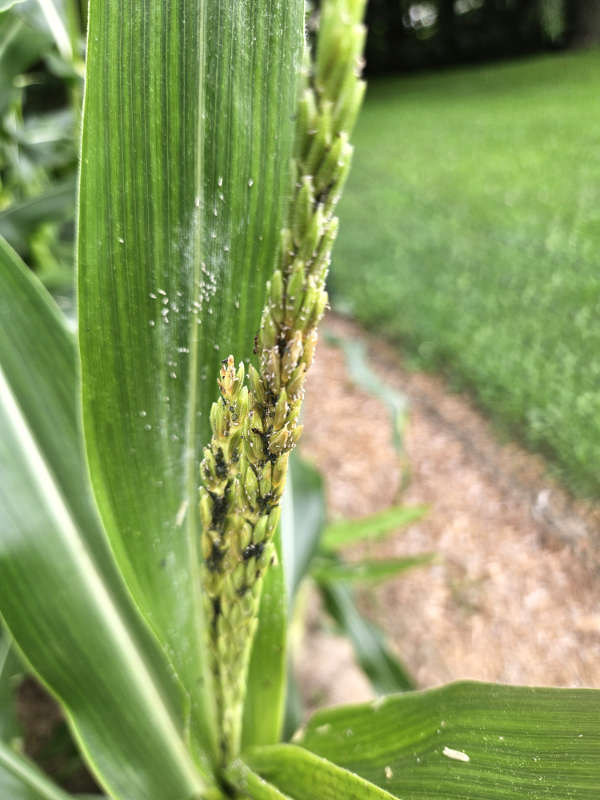
Thanks to their sap-sucking mouthparts, one of the first signs of an aphid infestation is misshapen, curled, stunted, and yellow leaves. Deformed fruit and flowers are also an indicator of damage. Some species of aphids can even create growths called “galls” on the leaves or roots of damaged plants.
Another tip is to look for ants. The sugary honeydew that aphids secrete attracts insects that feed on the substance. Ants love honeydew, so you will often see them hanging out on your plants with an aphid infestation.
The honeydew can also bring about the sooty mold fungal growth I talked about earlier. This gives the leaves, stems, and other plant matter a black appearance.
Most Targeted Plants – How To Identify Aphids
Some aphid species feed only on specific plants, while others aren’t as particular. In general, these are the plants they tend to flock to first. (And yes, it is a pretty long list that includes pretty much every crop I grow in my garden!)
Vegetables
- Beans
- Broccoli
- Brussels sprouts
- Cabbage
- Corn
- Cucumbers
- Kale
- Lettuce
- Peas
- Peppers
- Potatoes
- Radishes
- Squash
- Tomatoes

Flowers
- Cosmos
- Dahlias
- Nasturtiums
- Roses
- Sunflowers
- Zinnias
Fruit
- Fruit Trees
- Raspberries
- Strawberries
Are Aphids Harmful?
A small infestation of aphids on a plant isn’t likely going to kill or hurt your plant too much. In fact, a “watch and see” approach can be the best method, at least if you only see a few aphids out and about and if your plants aren’t really damaged too much. This can allow natural predators time to arrive and take action before you need to step in and help.
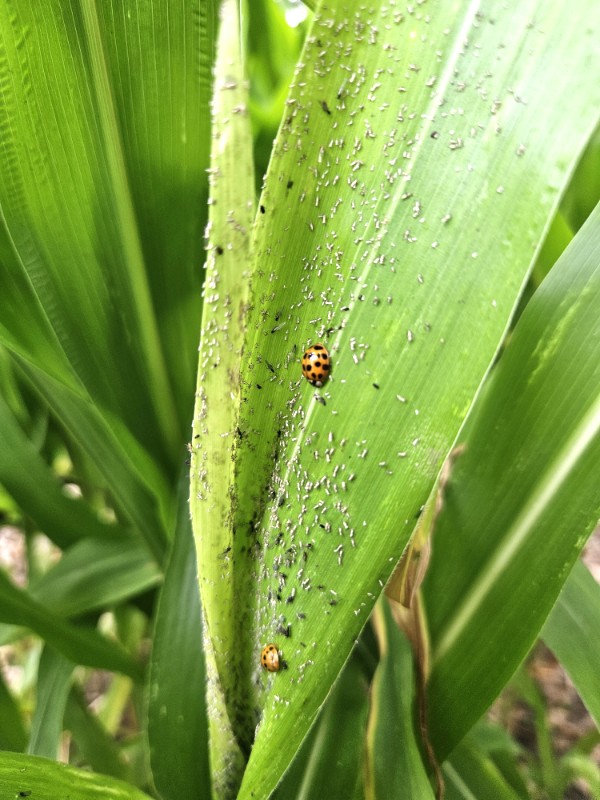
However, a large presence of aphids can quickly weaken plants and reduce harvests. Weaker plants are also more susceptible to other pests and diseases, so it can be the start of bigger issues down the line.
The honeydew that the aphids produce when feeding can encourage sooty mold. This mold doesn’t in itself harm the plant. However, a heavy buildup of the black mold can block sunlight from reaching the plant’s tissues, thus stunting its growth.
And don’t forget, if you have aphids in your garden this year, that can mean you will also have aphids in your garden next year, especially if you fail to remove the dead plant matter in the fall.
Common Aphid Myths – How To Identify Aphids
You have to kill each and every aphid. Mother Nature is all about checks and balances. If you have natural predators around, then you don’t need to remove or immediately treat all the aphids on your plants. If you see a few aphids, just keep an eye on them. A few aphids shouldn’t kill healthy plants. Only start treatments if they start to multiply or get out of hand.
Aphids will kill your plants. While a large infestation can weaken plants and even spread diseases, finding a small amount of aphids isn’t usually a reason to panic. Most healthy plants can tolerate a few pests. In fact, a few aphids can help to attract and feed beneficial insects like ladybugs and lacewings.
Aphids only attack weak plants. Weak or stressed plants are usually more vulnerable to pest damage. However, aphids can also infect healthy, thriving plants as well. Plants with tender, young growth are especially at risk.
Ants cause aphids to show up. It’s actually the other way around. The ants arrive after the aphids to feed on the honeydew the aphids secrete as they feed on the host plants. The ants cause no harm to your plant.
Frequently Asked Questions – How To Identify Aphids
Do aphids bite humans or animals? No, aphids only feed on the sap from host plants.
Can aphids fly? Yes and no! Most of the aphids you see are wingless, but some will develop wings if they need to move due to overcrowded populations or in search of a new food source.
Do aphids only affect one type of plant? Some aphid species do prefer some plants over others. However, most aren’t as particular and can feed on a wide variety of vegetables, fruit trees, flowers, etc.
Why did aphids pick my garden to infest? It’s not that your garden is “bad” or not well kept. Sometimes, pests just arrive and wreak havoc without rhyme or reason. (Lucky you, right!) In my garden, some years I have loads of aphids. Other times, I don’t see a single one.
How fast do aphids reproduce and multiply? Very quickly! Since aphids don’t need to mate in order to reproduce and they give birth to live young that are already pregnant (refer to the Creepy Lifecycle heading above!), multiple generations will occur in the same growing season.
Will rain remove aphids from my plants? A heavy downpour can knock some aphids off of plants, but it normally doesn’t remove an entire infestation. Since aphids primarily live on the undersides of leaves, they are somewhat protected.
Now What?
Now that you know how to identify aphids and the damage they cause to your plants, you can go about treating them.
Check out my article on how to manage, prevent, and treat aphids naturally (Coming Soon!). This article will walk you through the steps I take when I see these tiny pests appearing in my garden, as well as provide you with a few additional tips you might need.
Until next time, thanks for stopping by!
– Chelsea
*This post may contain affiliate links. These are products I have used personally and highly recommend. As an Amazon Associate, I may earn a small commission from qualifying purchases if you purchase items through my links. These links and the ads on this page help to support my family and our semi homestead, so Thank You!
Discover more from Semi Homestead Life
Subscribe to get the latest posts sent to your email.