
June is one of the best months for gardening in Growing Zone 5. By now, the threat of frost is long gone, but the intense summer heat hasn’t kicked in quite yet, making visits to the garden much more tolerable. Most of your crops are probably in the ground and starting to become established, and you might even be starting to get a few small harvests here and there.

However, just because most of the garden is growing along nicely doesn’t mean the chores and planting stop. While it would be nice just to be able to sit back and relax, June is often the start of weeds, pests, pruning, and more.
Whether you are growing vegetables, herbs, flowers, or a combination of everything, June is the time for staying ahead of common gardening issues while also setting your garden up for success for the rest of the summer.
In this article, I’ll go over what crops you can still plant in June, what garden tasks and chores to prioritize, and tell you about common issues you need to be on the lookout for. Consider it your Zone 5 June gardening checklist with plenty of supporting articles linked to deep diving into if desired!
What Crops You Can Plant In June In Zone 5
Thanks to our shorter growing season in Zone 5, we have to be a bit more particular about what crops we plant in June compared to warmer locations. For example, slower-growing crops like tomatoes can only be transplanted by seedlings if we want even a prayer of harvesting fruit before the first freeze.

However, there are some crops that we can plant by seed and still have successful harvests. A lot of these are fast-growing crops with short “Days to Maturity” (i.e., the amount of time it takes from germination to harvesting). Others are crops that we can succession plant every few weeks, providing us with plenty of continual harvests all summer long.
You can maybe get by planting a few warm-weather crops like sweet corn, popcorn, watermelon, pumpkins, and other melons. However, several of those have longer days to maturity, so choose a specific variety that has shorter days to maturity and plant them as early in June as possible.
Direct Sow These Vegetables In Your Garden In June:
Vegetables and Fruit
- Beets: 50 to 65 days
- Bush Breans: 50 to 60 days
- Carrots 60 to 80 days
- Cucumbers: 50 to 70 days
- Kale: 50 to 70 days
- Lettuces: 30 to 55 days
- Radishes: 20 to 30 days
- Turnips: 30 to 60 days
- Zucchini: 45 to 60 days

Herbs – Zone 5 June Gardening
- Arugula: 20 to 40 days
- Basil: 60 to 75 days
- Chives: 60 to 90 days
- Cilantro: 35 to 50 days
- Dill: 40 to 60 days
- Parsley: 70 to 90 days
Flowers
- Calendula: 45 to 60 days
- Cosmos: 50 to 90 days
- Marigolds: 45 to 60 days
- Nasturtium: 50 to 60 days
- Sunflowers: 55 to 100 days
- Zinnias: 60 to 75 days
Gardening Tasks For Zone 5 In June
June is kind of that in-between period for those of us in growing zone 5. Most of your crops are already in the ground, but they haven’t started producing yet. However, that doesn’t mean you can just sit back and relax, waiting for the garden to produce. (As much as you and I might want to!) There are still a few tasks that you should be doing to make sure your garden stays in top condition.
Mulching: Why To Mulch Around Plants
Hopefully, you have already done this task, but if not, get that mulch down asap! (To read in-depth about why I am a huge fan of mulching, check out my article, “Why To Use Mulch In Your Garden – Weed Less & Improve The Soil”.)
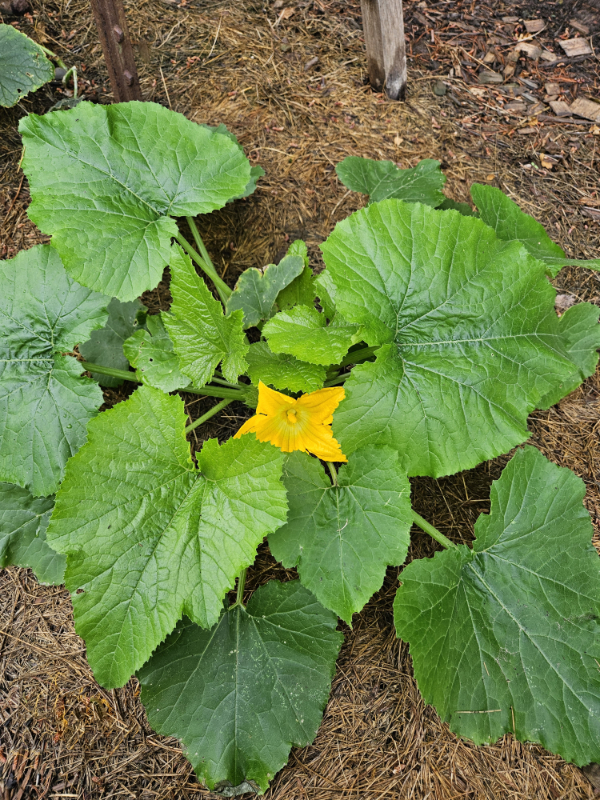
I will always advocate for mulching in gardens. It is the best way to reduce weeds, help retain moisture, regulate soil temperature, reduce soil erosion, and help prevent soil-borne diseases. Use organic materials like grass clippings (my favorite), straw, or shredded leaves. Keep a nice 4 to 6 inch thick layer going throughout the entire summer.
In the years that I don’t add mulch to my plants, I notice a huge difference in not only the amount of time I have to spend weeding and tending to my garden, but also in the health of my plants overall. So trust me, the extra time you put into mulching pays off tenfold for sure!
If you do have weeds growing in your garden, pull them before they start to get out of hand. Wait until after you’ve watered the garden or after a heavy rainfall. This will give you better chances of pulling out the entire root instead of just the part above the soil line.
Watering: Best Ways To Water Your June Garden
Just because the plants are starting to become established in your garden doesn’t mean you can get lazy on the watering. Ensure that your plants get at least 1 inch of water weekly, either by hand watering or by natural rainfall.

The best method to water your garden is to use either a drip irrigation system or a soaker hose. However, most home gardeners don’t have that type of setup installed (myself included!).
Instead, water plants at their base. It does take a bit longer to do, but it is a lot more efficient and ensures that the water is getting directed to the roots of the plant. Avoid using an overhead sprinkler or watering system if at all possible. When you do water, water deeply and only once or twice a week.
Keep in mind that plants growing in pots, containers, or raised beds will tend to dry out faster than those growing directly in the ground. On warmer days, I sometimes have to water plants in my 10-Gallon Plant Grow Bags (Product Link) every day as opposed to once or twice a week for my in-ground garden. (For more in-depth information about watering plants properly, head on over to “Watering Your Garden For Success – A Full Beginner’s Guide”.)
Harvesting: Why To Harvest Producing Plants Often
For any plants that have started to produce during the month of June, harvest them early and often. In most cases, the more often you harvest from these plants, the more they will produce.

Harvesting frequently is especially important for crops that tend to bolt in hotter temperatures. It doesn’t take long for crops like spinach, lettuce, and radishes to bolt and become bitter the further into summer you go. Even the month of June can push it sometimes, temperature-wise.
Some of the main crops I am able to get harvests from in our garden in June here in Zone 5 include sugar snap peas, mint, spinach, zucchini, garlic scapes, radishes, lettuces, chives, rhubarb, and other early-spring-planted crops. What you harvest will obviously depend on the types of crops growing in your garden and when they were planted.
Pruning & Deadheading: Why Pruning & Deadheading Plants Is So Important
In addition to harvesting, stay on top of deadheading and pruning plants. This includes both your vegetables and your flowers. For example, if left unchecked, indeterminate tomato plants will grow like crazy if you don’t stay on top of pruning suckers.
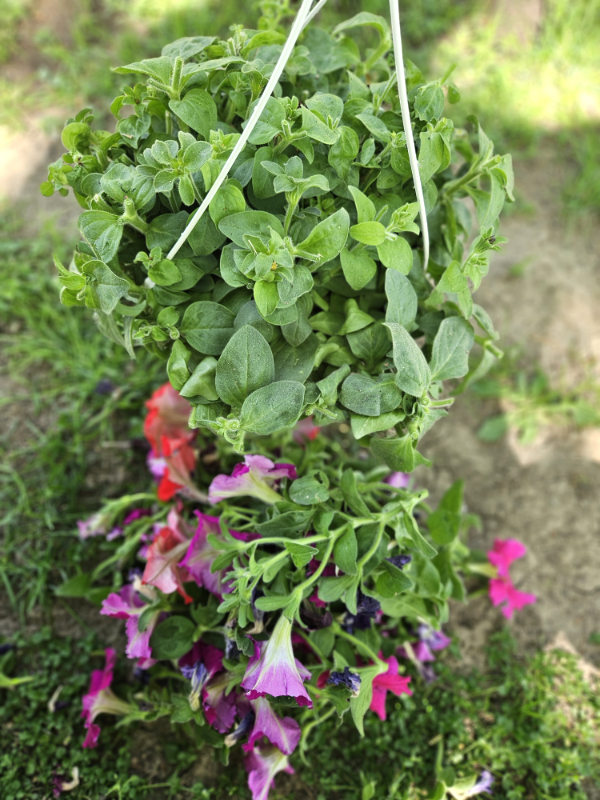
One such plant that benefits from both deadheading and pruning is the petunia. These popular potted summer flowers will often start to look a little worse for wear by the end of June. This is especially true if you don’t stay on top of watering them properly. (No shame; I’ve been there before often, even though I know better!)
If your plants start to look sad, don’t be afraid to give them a heavy pruning in addition to simply deadheading spent blooms. This will remove any leggy or spent growth and keep them looking fresh and full. Get back to watering them frequently, and they will be good as new in no time at all!
Checking Plants: Why Should You Check Plants Often
One of the best ways to stay on top of any garden issues is to walk around your garden. You don’t want to just plant your garden and then only think about it when you think it’s time for harvesting.
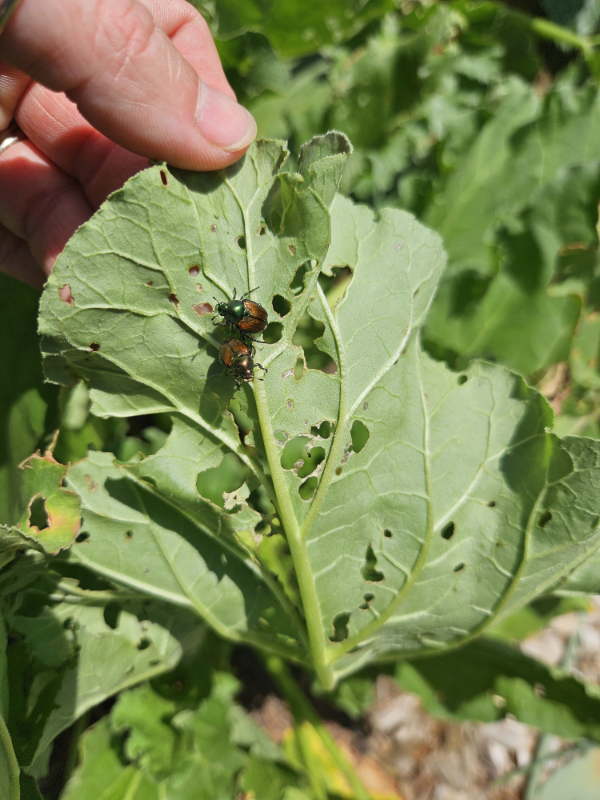
The more often you walk your garden, the sooner you find any diseases, pests, or other issues. That also means the quicker you can stop them! Trust me, it’s a lot easier to control pests like Japanese beetles or squash bugs if you notice just a few bugs compared to a huge infestation!
Every couple of days, go around and inspect each plant. Look for curling or damaged leaves. Check for signs of healthy foliage. Look for any signs of actual pests or pest damage, like holes in the leaves. Often, you can see the insect itself hanging out on your plant’s foliage or possibly even their feces.
I have caught the start of many different diseases, like powdery mildew or early blight, simply by walking around my garden. Once you see the start of an issue, take the proper steps to stop or control it asap.
Final Zone 5 June Gardening Checklist
- Plant fast-growing crops for a late summer harvest
- Continue to plant succession crops every two weeks or so
- Mulch around plants
- Stay on top of weeding, if needed
- Keep plants properly watered
- Harvest crops often
- Prune and/or deadhead flowers and vegetables
- Check your garden plants often for early issues and treat them accordingly
Until next time, thanks for stopping by!
– Chelsea
*This post may contain affiliate links. These are products I have used personally and highly recommend. As an Amazon Associate, I may earn a small commission from qualifying purchases if you purchase items through my links. These links and the ads on this page help to support my family and our semi homestead, so Thank You!
Discover more from Semi Homestead Life
Subscribe to get the latest posts sent to your email.