
Two of the most common questions that new gardeners often ask are “How often do I need to water my plants?” and “Am I watering my garden the right way?” While some gardeners try to stick to a strict schedule in order to water their plants, that isn’t the best choice.
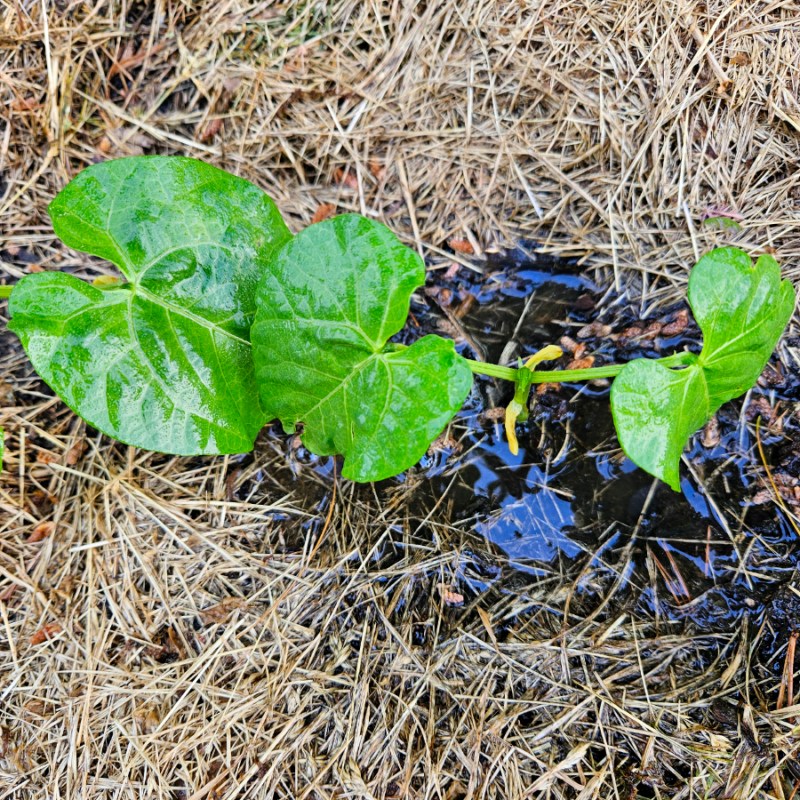
Watering a garden might seem like a simple, straightforward chore. However, it actually takes a little more knowledge and thought process than just hooking up a hose and letting the water fly!
From creating the perfect environment for diseases and pests to take hold to creating weak roots and stems, watering plays a huge part in your plant’s success. In fact, proper watering can be the difference between a garden that is thriving and one that is dying.
In this article, I’ll walk you through all the steps so you feel confident that you are watering your garden correctly and allowing your plants to thrive. You’ll learn when to water your garden, how much water to give, and the method of watering will make a huge difference in the success of your garden.
Why Proper Watering Matters
All living things require water in order to live and thrive, including plants. Without proper watering, your garden will quickly start to struggle. Before long, that lush green foliage will quickly turn to a mass of dried and crispy leaves. This is especially an issue during the heat of summer.
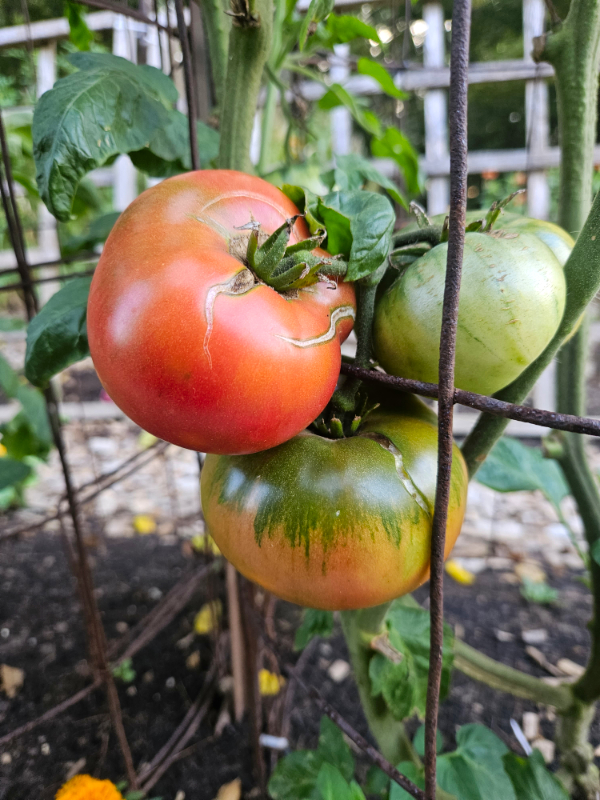
On the flipside, plants getting overwatered can also cause issues. If plants stay in constantly moist soil, not only will the roots start to rot, but the plants won’t be able to absorb oxygen from the soil. In addition, there’s also the issue of both oversaturated and underwatered roots being unable to absorb and distribute nutrients from the soil. No nutrients means no growth.
Watering properly can also help reduce the chance of your plants getting certain moisture-related diseases. One of the most common culprits is powdery mildew. This fungal disease thrives when humidity is high and there is moisture on the plants.
How Often Should You Water Your Garden?
This is a bit of a loaded question because there is no one right answer. How often you need to water your garden really depends on a lot of factors. Everything from the type of plants you grow to the type of soil you have to the amount of rainfall you get all come into play.
Sandy soils or plants grown in containers or raised beds will likely need to be watered more often than those growing directly in the ground. Weeks when the temperatures are hot and super dry may also require more frequent watering than weeks with average temperatures.
In general, most plants require between one and two inches of water each week. This amount can come from hand watering, natural rainfall, or a combination of the two.
Things To Consider Before Watering Your Garden
Natural Rainfall & The Weather
When you are figuring out the amount of water your plants need each week, take into account the upcoming forecast. Any rain your recieve counts towards those one to two inches of weekly water requirements. If you only received a light drizzle of rain that barely settled the dust, then chances are your plants are going to need a good drink.
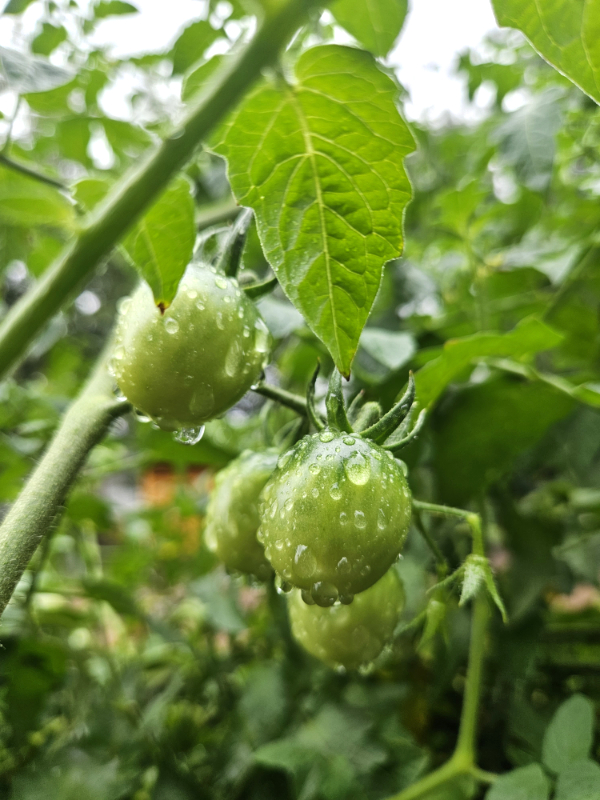
Dealing with the weather is honestly the most frustrating part of figuring out when to water your plants. (At least in my opinion!) I don’t know how many times I’ve been in my garden watering the plants only to hear the pitter-patter of rain falling around me, even though the weatherman said there was little to no chance of rain for the day!
No matter how frustrating it can be, keep an eye on the week’s weather forecast to help you decide when and if you need to water your plants. If no rain is forecasted, chances are you will need to water. Also note the temperature. If you have a super hot week coming up, check plants and the soil often for any signs of stress and water accordingly.
Soil Type & Composition
The type of soil you have also makes a difference in how often you need to water. For example, gardeners with sandy soil will need to water much more frequently than those with clay soil. That’s because sandy soil allows water to drain easily and quickly, whereas clay soil clings to the moisture and becomes compacted.
In addition to the type of soil, how much organic matter in your soil also plays a huge part in moisture retention. Soils rich in organic matter can absorb and retain moisture much better than soils that lack it.
If needed, amend your soil with lots of finished compost. Adding organic mulch will also help with this, as will growing a living cover crop in the wintertime.
In-Ground Growing, Raised Beds, Containers, Etc.
The type of garden you have will also change how often you need to water your plants. Typically, you do not need to water plants that you grow directly in the ground as often as those growing in containers or raised beds. This is because there is an unlimited amount of soil and resources found in the ground. The more resources near the plant’s roots, the longer the plants can go without needing water.
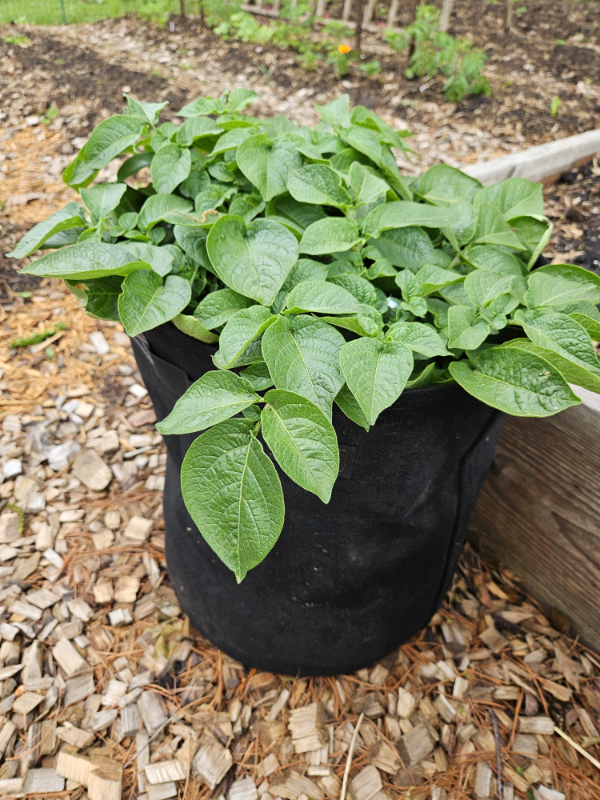
One of the benefits of growing plants in containers or raised beds is that the soil drains much faster than in-ground garden soil. However, that also means you will need to water them more often.
In addition, containers and raised beds are exposed to the heat and sunshine on all sides of the container – not just on the top like in-ground plants. This speeds up how fast moisture evaporates and drains, as well as raises the overall soil temperature.
Again, your best bet is to feel the soil or use a moisture meter to see if it is dry several inches down, regardless of your growing method. If it’s dry, water the plants. I usually have to water the plants in my grow bags and raised garden beds more often than my in-ground growing plants.
The Plants You Are Growing
How you water your garden will also depend on the plant’s growing stage. Newly planted seeds need to be kept in moist soil to help aid in germination. (Moist, not overly saturated. You don’t want to drown and rot the seeds.) Younger seedlings also usually require more frequent waterings than mature, established plants. Mature plants with strong root systems can go longer in between waterings.
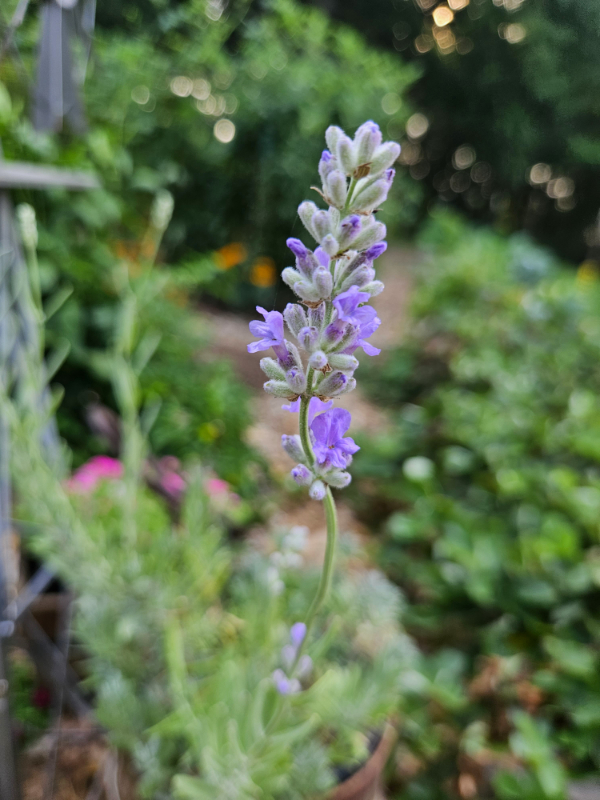
Another factor that can come into play with how often you have to water your garden is the types of plants you are growing. Some vegetables, fruits, and flowers require moister soil than others.
The average moisture requirements are around one inch of hand watering or rainwater per week. Instead of feeling like you are chained to your garden trying to keep track of all your plants’ needs, just vary how long you water each plant when you go to water the garden.
For example, my lavender plants only get a drink every so often since they prefer slightly drier soil. My zucchini plants, on the other hand, get a nice long drink every time I water since they require much more moisture to survive and thrive. (A quick Google search should tell you the watering suggestions for each specific crop if you are curious.)
How To Water Your Garden Properly
Now that we’ve discussed some of the factors that affect how often you need to water and how much plants require, let’s talk about how to go about watering your garden for success!
Check If It Needs Watered First
There are obvious signs that your garden plants need water. They can become wilted, the leaves might curl, and the stems can even start to droop. Extremely dry foliage becomes crispy and brown along the edges and the blooms might drop. On the other side, if plants are overwatered, then leaves can start to yellow, growth will slow way down, and the stems can become mushy.

In addition to the look of the plants, you also want to check the soil. We have very heavy clay soil where I live. Of course, I have amended my garden with as much compost and organic matter as I can. However, when it gets warm out and there isn’t any rain, the top inch or so of the soil starts to crack. It can honestly look like the middle of the desert after just a few days of no rain.
If I were to go off the surface look and feel of the soil alone, I would be watering my garden daily! What you need to do instead is check the moisture level several inches down. This is where the roots are and where the moisture levels really matter.
Dig down about 3 to 4 inches deep and see if the soil is dry. If it is, give the plants a nice, long drink. If there is still moisture, hold off on watering for a day or two.
To have a surefire way to know if the soil is dry deep down, use a moisture meter. You can purchase one for really cheap on Amazon. I have the XLUX Soil Moisture Meter (Product Link). A moisture meter helps to take the guesswork out of the equation.
The Best Time Of Day For Watering Your Garden
Water your vegetable garden early in the morning, just as the sun starts to rise. Not only will the temperatures be a bit cooler and more comfortable for you, but the sun will be less intense. Typically, the winds aren’t as strong as well. This allows the water to soak deep down in the soil as opposed to evaporating immediately away.

Avoid watering during the middle of the day. During this time frame, the sun is at its hottest and most intense, and the winds are usually the strongest. Both of these factors will cause the moisture to all but evaporate away before it can even reach down to the plant’s roots.
The next best option is to water your garden at night, right before nightfall. Only do this if your plants are in desperate need of a drink and morning isn’t an option for you. During the later evening hours, the warmer, moist soil combined with the cooler temperatures can create the perfect environment for bacterial and fungal growth.
The Best Methods For Watering Your Garden
The best way to water your garden is to use a drip irrigation system or a soaker hose. These types of setups allow you to direct moisture right to the base of the plants. However, most backyard gardeners don’t have this type of setup – myself included!
Instead, the next best way to water your garden is to use a garden hose and a sprayer attachment. Spray the water at the base of each plant where the stem meets the soil. I like to use the “shower” setting most often. It is gentle for younger plants and newly planted seeds, yet it has a good output. While this method does take a bit of time and effort, the benefits more than pay off.
When you use an overhead sprinkler or sprayer system, you risk the water not getting down to the soil. In addition, you increase the chances of mold and mildew growth on the plant’s foliage.
The whole goal of watering your garden successfully is to get the moisture to the roots of the plants where it is needed most, not on the foliage. By watering at the base of the plants, we can easily accomplish this.

Watering Deeply And Less Often
Instead of giving your plants a little drink every day or two, aim to water your plants once or twice a week. However, do so deeply.
Light watering causes the plant’s roots to grow only around the surface of the soil. Not only will this create less stable and secure plants, but it also decreases the amount of resources the roots can reach.
Deep watering encourages the plants’ roots to grow deep down into the soil. This helps to anchor the plants down, gives them more resources like nutrients and moisture, and creates a foundation for healthy and strong plants.
If the soil is extremely dry, it can become hydrophobic. This means that it has a hard time actually absorbing the moisture. Instead, most of the water simply runs off. If that is the case, water the soil just a little bit. The “shower” or “cone” setting on yor sprayer usually works well for this.
Move on to another plant and do the same thing. After a few plants are done, go back to the first plant and water it again, but deeper this time. While it takes some time, this method will help make sure the moisture is actually getting absorbed.
Mulch Mulch Mulch – Watering Your Garden For Success
If I can only suggest one tip to a beginner gardener (or even an experienced one), it would be to mulch around your plants. This simple step has so many benefits that I have an entire article dedicated solely to it. Actually, I have written several articles. Here is the main one: “Why To Use Mulch In Your Garden – Weed Less & Improve The Soil”.

One of the best benefits of using mulch is that it helps the soil retain moisture for longer. If you don’t believe me, just set up a small experiment in your garden. Add mulch around some of your plants in one area, then leave the soil exposed in another. The soil with the mulch will retain the moisture levels for much longer than the soil that is exposed to the sun and wind.
The key is to make sure the mulch is nice and thick. A good 4 to 6-inch layer is needed to gain all the benefits. Use organic materials like grass clippings (my favorite choice in the spring and summer), shredded leaves (what we use in fall), pine needles, or straw.
When all is said and done, the goal is to keep your plants healthy, strong, and producing well all summer long. Creating a watering system that works for you will help accomplish this.
Until next time, thanks for stopping by!
– Chelsea
*This post may contain affiliate links. These are products I have used personally and highly recommend. As an Amazon Associate, I may earn a small commission from qualifying purchases if you purchase items through my links. These links and the ads on this page help to support my family and our semi homestead, so Thank You!
Discover more from Semi Homestead Life
Subscribe to get the latest posts sent to your email.