
No matter how “on the ball” you are with checking on the plants in your garden, there are still some common gardening issues that you need to be on the lookout for during the month of June, especially if you live in the Midwest.

I live in Illinois, which is part of Growing Zone 5. If you live in the same growing zone or anywhere in the Midwest, for that matter, there are a few issues you want to be on the lookout for during June.
June is the time of year when most of the plants in your garden start to become established. You may even start harvesting some fruit and vegetables, especially from those early spring crops like sugar snap peas and radishes.
However, June isn’t a time to sit back and do nothing. It’s actually the time to do the opposite. Going out to your garden to check on the plants often is important to make sure your plants stay healthy and thriving all summer long. In this article, I’ll walk you through some of the most common pest and disease issues to be on the lookout for – and what to do if you see those issues starting.
Common June Pests & Insects – Gardening Issues
What are some common garden pests to look out for during the month of June in the Midwest? Unfortunately, just like June brings about annoying outdoor bugs like flies, mosquitoes, and June bugs, it also brings out some common garden pests as well.

These insects and pests can cause big damage to your plants if left unchecked. If the infestation gets bad enough, you might even lose the plants altogether, as well as set up issues for future gardening years if the insects are capable of overwintering.
Not to scare you off, but I can guarantee that you will most likely come across some, if not all, of these garden insects at one time or another in your garden space. In fact, all of the photos in this article are from pests I’ve come across personally in my own garden space throughout my last 10+ years of gardening.
It’s amazing how you can walk through your garden one day and see nothing. Next, there are little creepy crawlies covering your plants. (That’s why walking your garden at least every other day is so important throughout the entire growing season, but especially during the month of June.)
If you do spot pests in your garden, don’t freak out. Most of the time, you can get the issue under control with a little time and effort.
4 Common June Garden Pests – Gardening Issues
1. Cabbage Butterflies
In June, you will start to see Cabbage Butterflies flying around broccoli and other cruciferous plants. Also called Small Whites, these creamy yellow-white butterflies are often the first butterflies I see in my garden here in Illinois.
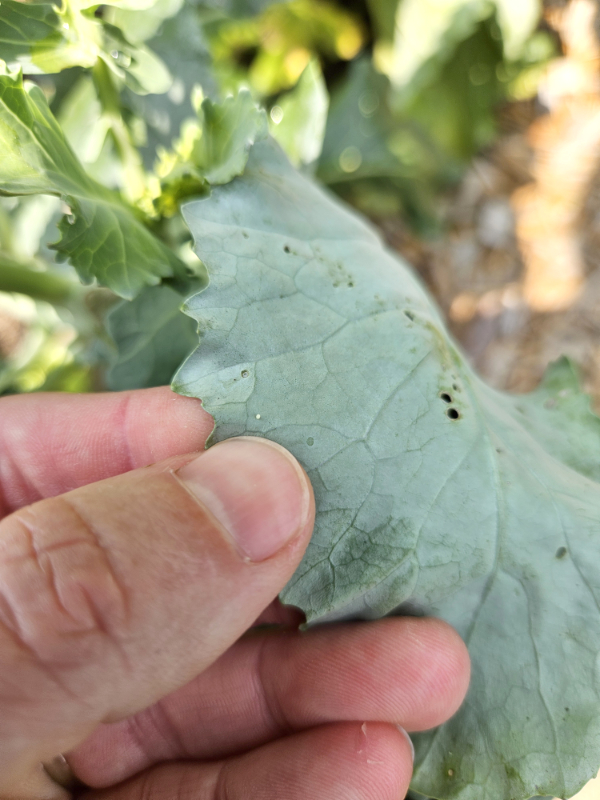
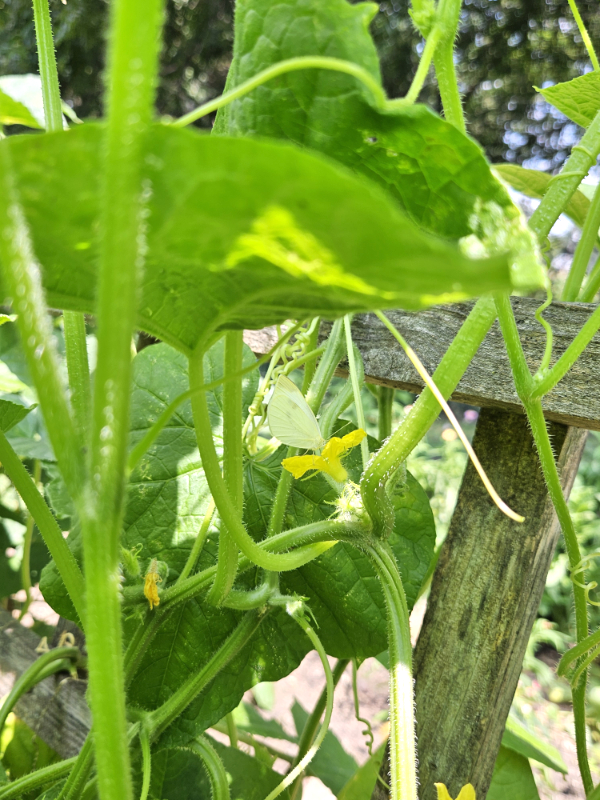
While they do help pollinate the early blooms, they are also busy laying teeny tiny eggs. These eggs will soon hatch into hungry larvae that quickly turn a plant’s foliage into Swiss cheese.
The larvae are blue-green in color with yellow stripes and black dots along their back. It’s the larvae that do the most damage to your plants. While mature plants can withstand damage, younger, tender plants can die after an infestation.
2. Squash Bugs
Then there are squash bugs. These are probably the most common garden pests that you will come across. These insects look like dark brown to gray, little armored bugs. They are sometimes confused with stink bugs, a pest that often infests your home during the fall months.
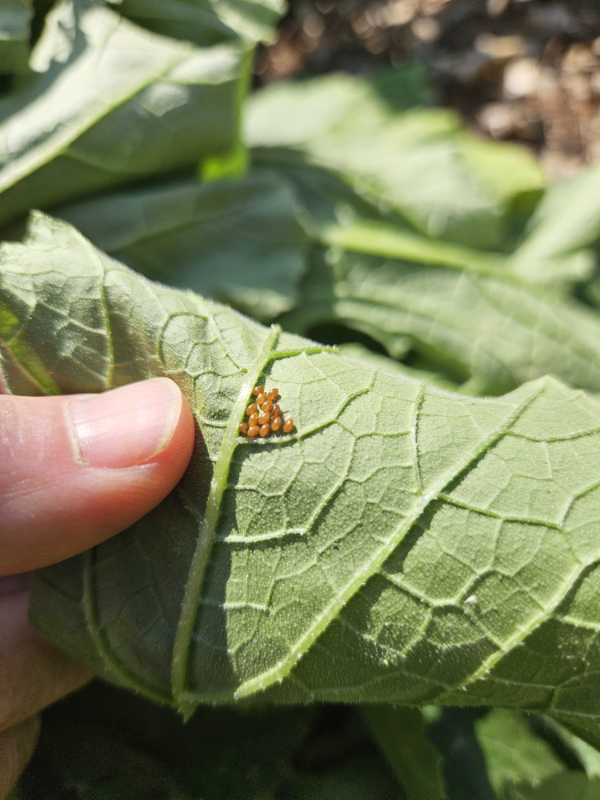
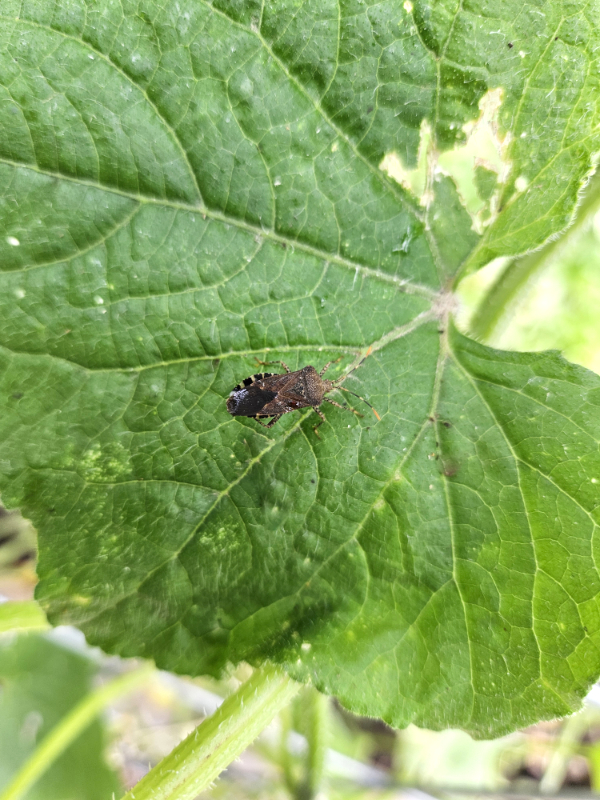
You can start to see squash bugs as early as April here in the Midwest. They often set up shop around zucchinis, pumpkins, winter squash, cucumbers, and melons. (I find them most often around the stem of my zucchini plants.)
Their eggs are also extremely recognizable. The females lay clusters of 20 to 30 light brown eggs, often on the underside of leaves. Staying on top of these pests can seem like an endless battle, but it’s worth it in the long run.
3. Japanese Beetles
Japanese beetles are another pest that you will start to see here in the Midwest during the month of June. Once you see one, you can be sure that more will soon follow.

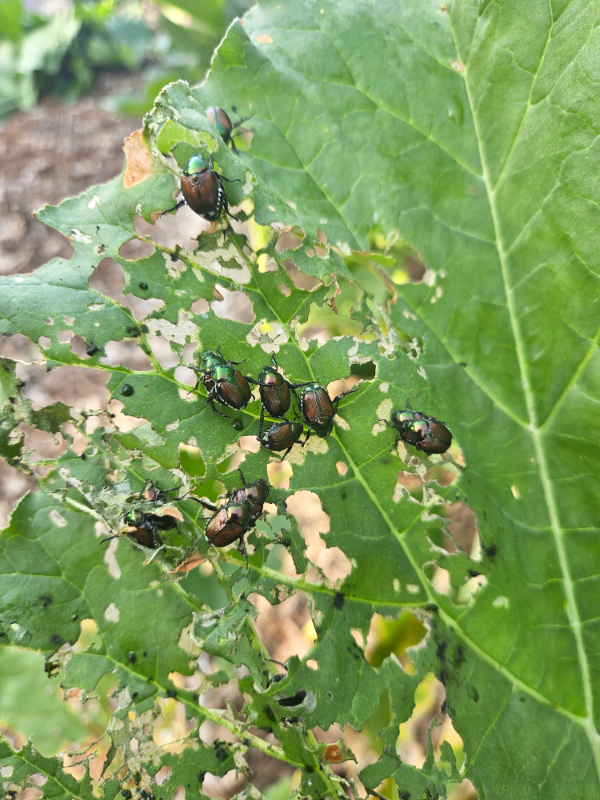
These iridescent beetles are invasive here in the United States and can defoliate an entire tree in no time at all. In fact, they feed on over 300 different flowers, vegetables, fruits, trees, shrubs, field crops, and more. Here at our semi homestead, they often head for our fruit trees and rhubarb plants first.
While mature and established plants can usually survive an infestation, younger plants can die off. Even if they do survive, plants with foliage damage will often have stunted growth and fail to produce fruit or vegetables. What’s more, the grubs can be just as much of an issue for your yard as the adult beetles.
4. Squash Vine Borers
Lastly, another common early summer pest for our area to look out for is squash vine borers. These pests attack summer and winter squash and are often the reason why your zucchini plants suddenly wilt and die.
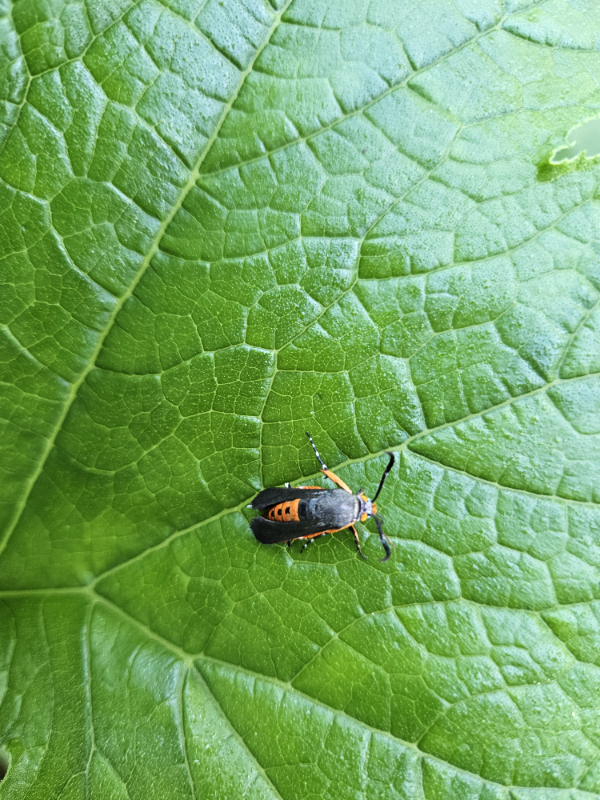
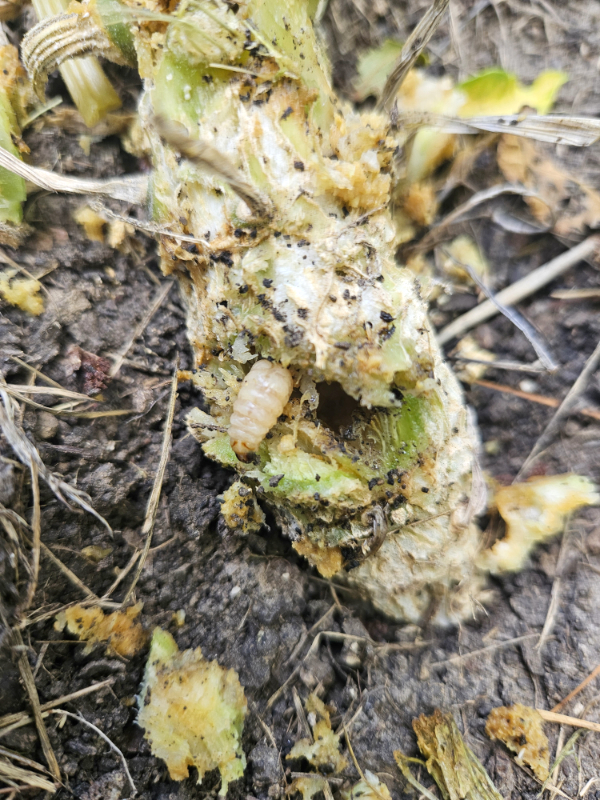
The wasp-like adults fly around and lay eggs low on the main stem of plants in late spring. Once the eggs hatch, the larvae burrow down into the stem, literally eating the plant from the inside out.
One day, the plants will look completely fine. Next, the stems and leaves will all be wilted, with plants dying completely soon after. Since the damage is caused from the inside out, it can be hard to spot any pest issues before it is too late.
Tips On Preventing Or Eliminating These Pests
One way to prevent these pests early on is to use row covers. Get them in place when plants are young to prevent the moths and flying insects from landing and laying eggs. Remove the row covers when plants start to flower.
Companion planting is also a great defence against unwanted pests. Most insects don’t like strong scents, so plant herbs like oregano, dill, sage, thyme, lavender, and mint around susceptible plants. Crops like garlic, onion, and chives, or flowers like marigolds and geraniums, can also be planted around vulnerable crops.
Also, consider planting sacrificial or trap crops. These are plants that are desirable to the bugs. Instead of the insects going after your desired plants, they go after the sacrificial plants instead.
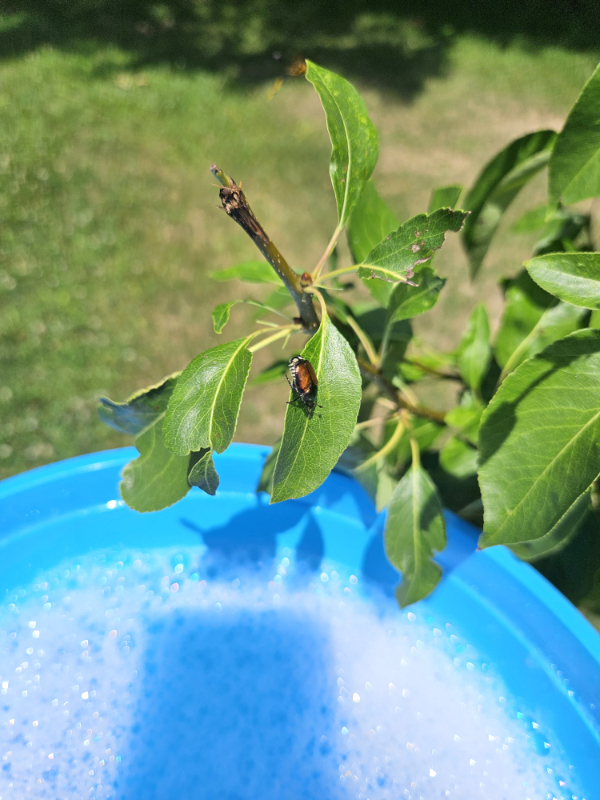
If pests do appear, the best way to remove them is by hand-picking. Remove any eggs you see and dump the adults into a bowl of soapy water. While it does take time and effort, being diligent and consistent with hand-picking can go a long way in eliminating most of these pests.
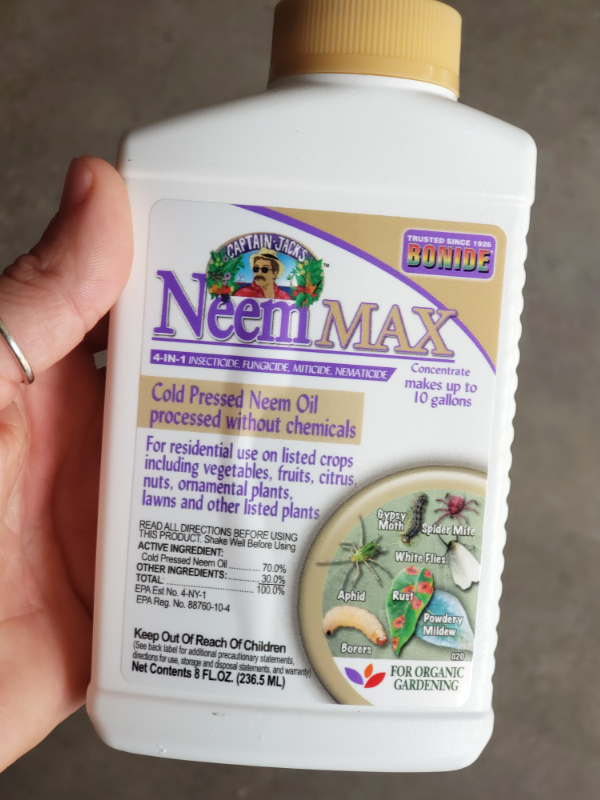
Neem oil is an organically approved product you can use to deter and eliminate all of these pests. I’ve had great success using Bonide Captain Jack’s Neem Max (Product Link) on both my garden plants as well as in indoor houseplants.
Common June Diseases – Gardening Issues
Early blight is one of the most common early issues, but it normally only applies to tomato and pepper plants. Blight is a soil-borne disease that is caused by types of fungi that live in the soil. Once spores get on the foliage of your plants, the spores multiply and take over, causing damage to the plants.
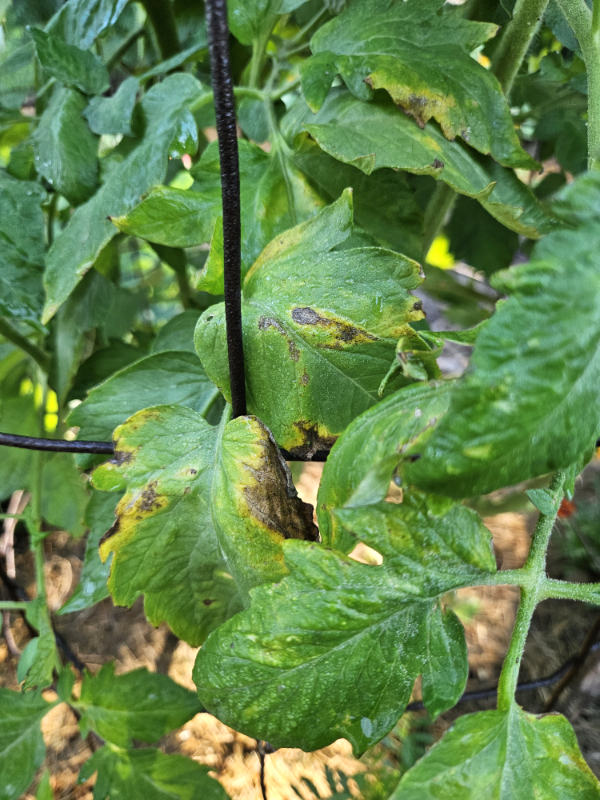
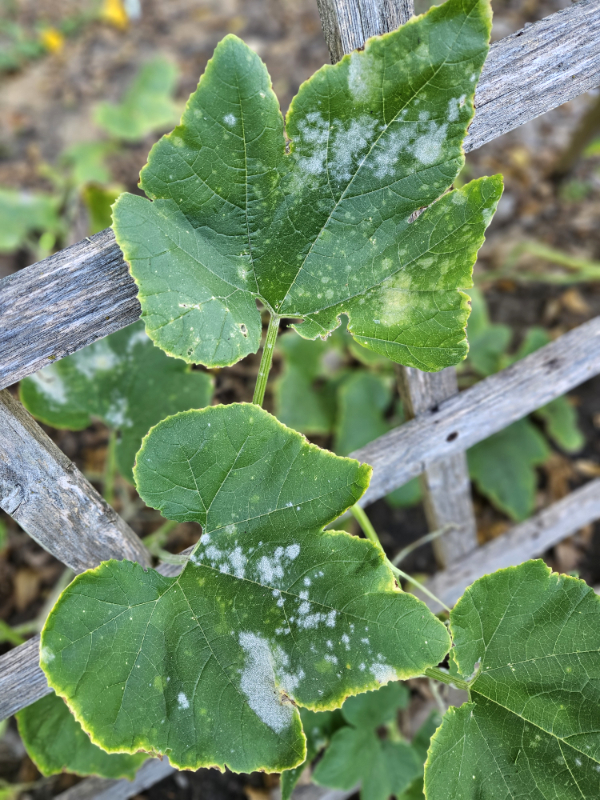
Another common June garden issue is powdery mildew. This fungal disease thrives in 60 to 80º Fahrenheit days with high humidity. These types of temperatures are super common in June for the Midwest. (At least they are here in Illinois!) I most often see powdery mildew affecting my cucumbers, zucchinis, and melons.
Lastly, watch for any signs of leaf spot diseases, especially for tomato plants. Like powdery mildew, it can occur in locations that have wet, humid conditions for extended periods. I had a nasty battle with Septoria Leaf Spot in 2025 that really affected my tomato harvest. I let the issue go on for too long and then had to pay the price for it.
Ways To Prevent These June Diseases
A lot of times, most of these diseases can be prevented by following a few simple tips. First, add mulch early on. This is especially important to help prevent any diseases that are soil-borne. A thick layer of mulch can help keep diseases from splashing up onto the foliage during rain and watering.
Also, make sure to water at the base of the plant as opposed to overhead. This will help reduce the overall relative humidity, which is a culprit in many June diseases. In addition, watering at the base also helps to slow down the spread of any diseases since water won’t be splashing around everywhere.
Make sure your plants have proper airflow and plenty of space to grow and expand. While I don’t follow exact spacing recommendations when I plant my garden, I still consider a plant’s mature size when adding the crops to my garden layout. Pruning also helps with improving airflow.
Lastly, remove any diseased or damaged foliage as soon as possible. Use a pair of clean pruners that have been wiped with alcohol before moving between plants. Get the foliage far away from your garden and do not compost it.
For more in-depth tips and information, be sure to check out all of the linked articles for each pest and disease I mention. And remember, coming across these issues doesn’t mean your garden is doomed for failure. Just stay on top of things, and you can get your June garden back to thriving in no time at all!
Until next time, thanks for stopping by!
– Chelsea
*This post may contain affiliate links. These are products I have used personally and highly recommend. As an Amazon Associate, I may earn a small commission from qualifying purchases if you purchase items through my links. These links and the ads on this page help to support my family and our semi homestead, so Thank You!
Discover more from Semi Homestead Life
Subscribe to get the latest posts sent to your email.