
Growing trap crops is a great way to naturally control unwanted pests like aphids, Japanese beetles, and squash vine borers in your vegetable garden without resorting to using harsh synthetic chemicals and sprays. But what exactly are trap crops, and how do they benefit your plants?
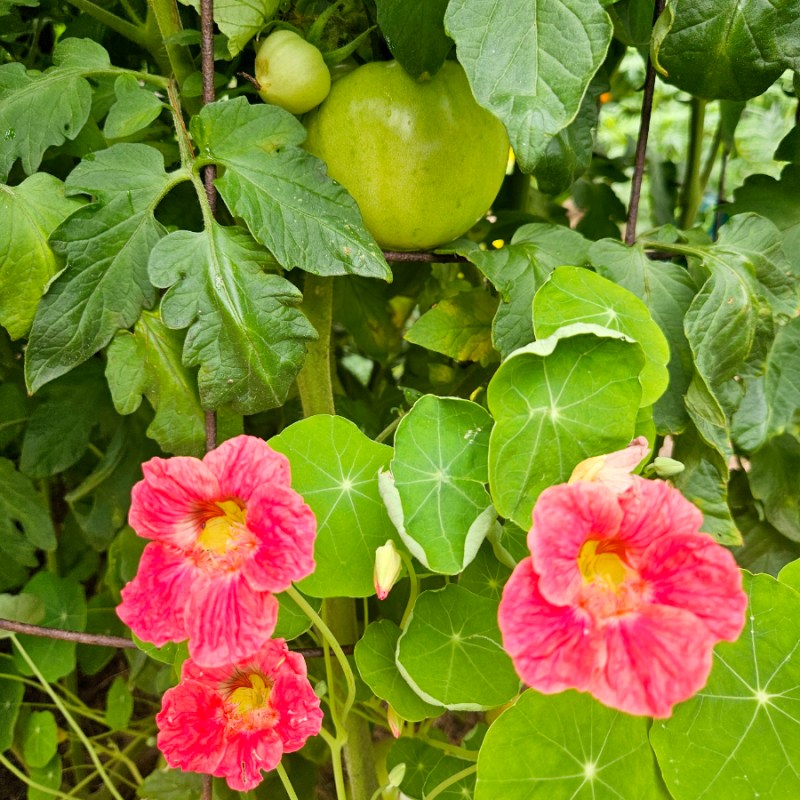
Trap crops are basically sacrificial plants. They are grown specifically to attract unwanted insects and bugs, which keeps them away from your vegetables and other plants. Rather than damaging your desirable crops, the pests flock to the trap crops instead.
You can plant most trap crops right along with your desirable plants. Or, plant them around the edge of your garden to create a sort of natural barrier. Before the pests even have a chance to get to your vegetables, they attack the trap crops instead.
All of these crops will not only help with pests, but they can also add beauty, color, and interest to your garden. At the same time, the blooms on some of these trap crops are great for attracting all sorts of pollinators and beneficial insects to your garden space. It’s a true win-win situation!
Marigolds – Vegetable Garden Trap Crops
This is one annual flower that has always had a place in my garden since day one. Marigolds are easy to grow from either seeds or seedlings and they produce loads of fiery-colored blooms.

In addition, marigolds are one of the best companion and trap crops. They feature a very strong scent that is off-putting to larger pests like rabbits, but can attract pests like aphids, earwigs, Japanese Beetles, thrips, and whiteflies. At the same time, marigolds go to work under the soil as well. They help kill root knot nematodes, a root-borne pest that often eats tomato roots.
Grow marigolds amongst your tomatoes, peppers, cucumbers, chard, spinach, and more. Some varieties grow only a few inches tall and take up little space, so I like to stick them here and there throughout my entire vegetable garden.
Nasturtium
One of my favorite flowering annual trap crops to grow amongst plants like tomatoes, cucumbers, eggplant, and squash is nasturtiums. This flowering plant pushes out loads of blooms all growing season long and is a huge attraction to pollinators.
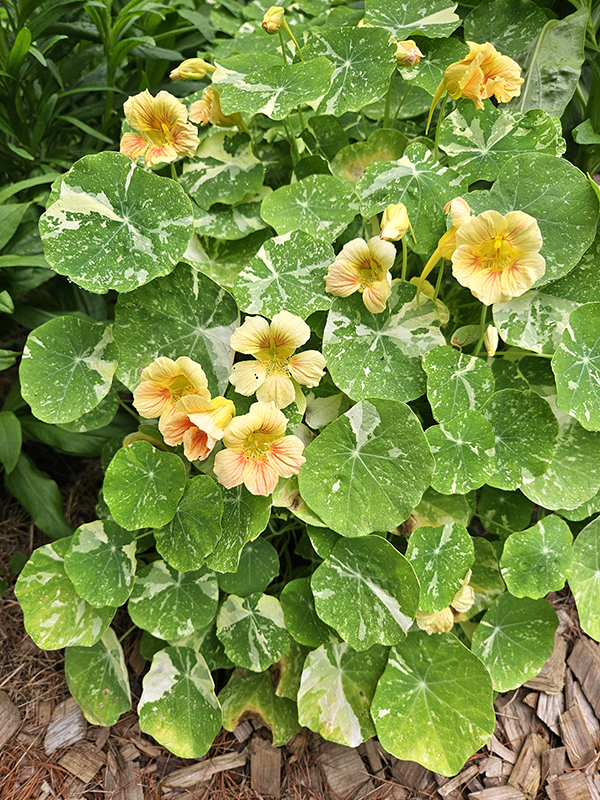
In addition to bringing in pollinators, nasturtium is also a perfect trap crop for drawing aphids, cucumber beetles, flea beetles, squash vine borers, and whiteflies away from your vegetables. Oh, and did I mention that nasturtium is also edible?
Nasturtium is extremely easy to grow from seed. It can be started indoors or planted directly outside in the garden once the soil warms up. In fact, nasturtium often self-sows frequently throughout the growing season, providing your garden and plants with protection until the first frost.
Sunflowers
There’s not one flower that screams “summer” and “sunshine” quite like the sunny blooms of sunflowers. Not only are these annuals what I consider to be the unofficial flower of summer, but they are also excellent trap crops.

Sunflowers are super easy to start from seed and will germinate quickly. You can find varieties that grow well over 7 feet tall, as well as dwarf varieties that are under two feet tall. That makes them an excellent choice to grow in gardens of all shapes and sizes.
These towering flowers are great for attracting pests like aphids, leaf-footed bugs, and stink bugs. Since the flowers are so hardy and durable, they can really stand up to a large infestation without taking much damage.
Dill – Vegetable Garden Trap Crops
Dill is a great multi-purpose plant. Not only can you grow it to use with recipes like dill pickles or for drying out for dill weed, but you can also grow dill as a trap crop.
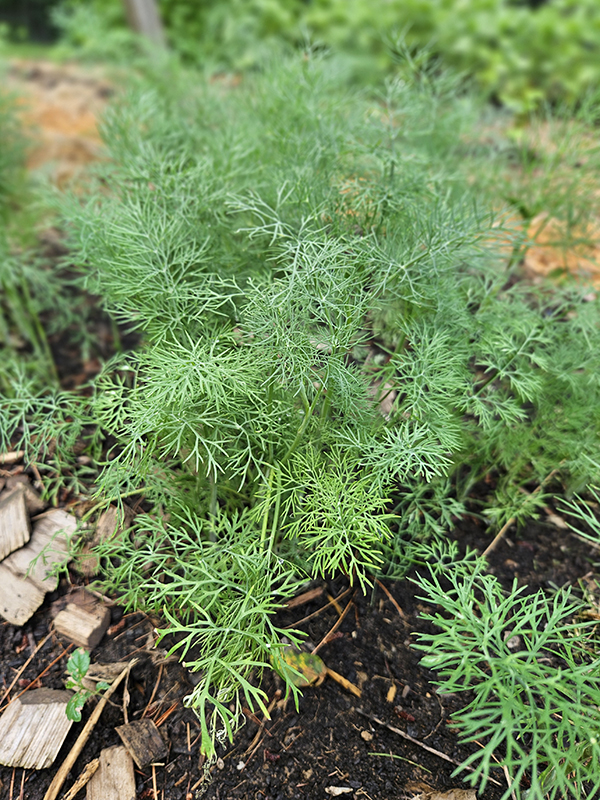
This fragrant herb grows easily from seed. Its scent helps attract the moth that lays tomato hornworm eggs. Instead of the hornworm hatching and devouring your tomato plants, it munches on your dill instead. As an added bonus, it’s usually a lot easier to spot tomato hornworms on dill plants compared to all that lush tomato foliage.
In addition to tomato hornworms, dill also helps to attract aphids and spider mites. At the same time, dill draws in beneficial predatory insects like hoverflies, ladybugs, and parasitic wasps. These beneficial insects help to naturally eliminate many other unwanted pests.
Radishes
If you want a crop that can grow fast and help protect your plants like broccoli, cabbage, kale, and other brassicas, then grow radishes. This fast-growing vegetable can go from planting to harvesting in as little as 30 days.
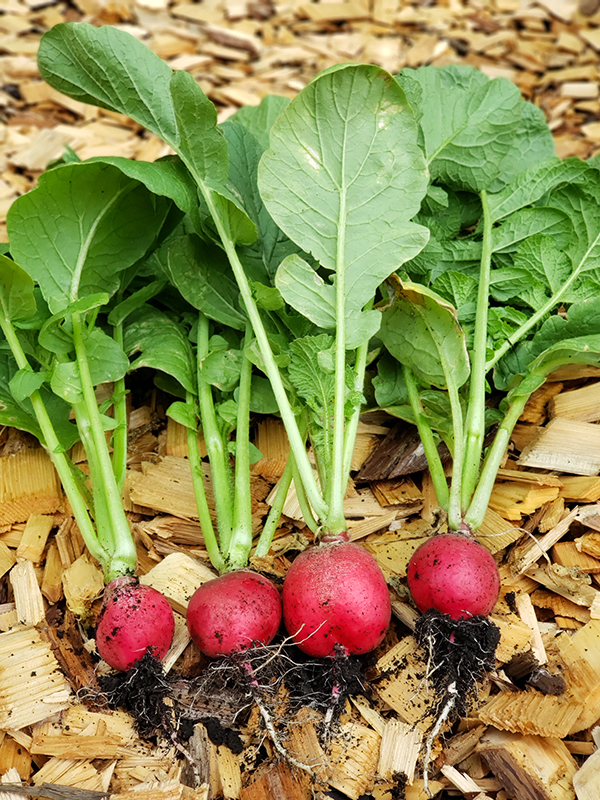
While the radishes grow under the soil, the foliage above the soil helps to attract cabbage root flies, flea beetles, leafminers, and squash bugs. Even if the pests consume most of the foliage, the radish should stay protected under the soil, ready for you to harvest.
One of the best parts of growing radishes is that they take up hardly any space. Interplant them into your vegetable beds for the best success in protecting your plants.
Zinnias – Vegetable Garden Trap Crops
Last but not least is zinnias, another easy-to-grow annual flower that produces bloom after bloom all growing season long. These flowers are actually considered to be “cut-and-come-again” plants because the more you harvest their blooms, the more they will produce.

Zinnias come in a ton of different colors, bloom types, heights, and bloom sizes. It’s easy to plant a packet of seed wherever you have extra space in your garden and enjoy the color the mature plants provide. And, did I mention that pollinators LOVE zinnia blooms?
In addition to bringing your garden loads of color, zinnias are great for attracting the dreaded Japanese Beetle. These tiny iridescent pests can really do a number on your other plants and fruit trees. One day, the plants are fine. Next, they are covered in lacy foliage. Aphids are another pest that zinnias help protect your vegetable garden against.
Additional Tips
To get the best benefits of trap crops, you want to get them growing strong and established in your vegetable garden before the problem pests tend to arrive. Whether this means starting seeds early, purchasing and planting transplants, or holding off on planting your vegetables for a few days, the bigger the trap crop plant, the better.

As mentioned earlier, you can plant them amongst your vegetables or grow them around your garden perimeter. Both options work well depending on your garden setup and space.
Note: just because you are growing trap crops doesn’t mean you shouldn’t still check your plants. Remove any pests as soon as you see them. Don’t allow a small infestation to grow until it gets out of hand, because then even your vegetable plants won’t be safe!
Lastly, know that growing trap crops is not a fix-it-all solution. They should be used in conjunction with other pest control methods, especially if you have had large infestations in the past. However, they will go a long way toward keeping your desirable plants as safe as possible.
Until next time, thanks for stopping by!
– Chelsea
*This post may contain affiliate links. These are products I have used personally and highly recommend. As an Amazon Associate, I may earn a small commission from qualifying purchases if you purchase items through my links. These links and the ads on this page help to support my family and our semi homestead, so Thank You!
Discover more from Semi Homestead Life
Subscribe to get the latest posts sent to your email.