
Allowing any type of pest to bed down and overwinter in your garden can spell disaster as soon as the warmth of spring arrives, but some pests are worse than others!
This is especially a concern if you battled pests on and off during the current growing season. Those little creepy crawlies eat your plants, spread diseases, multiply, and then hunker down once the temperature drops, only to surface in spring to wreak havoc on your newly planted seedlings and seeds. Then the whole dreaded process starts all over again!
Like it or not, the best way to help prevent this from happening is to clear out your garden in the fall after all your plants are done producing for the growing season. This includes any stems, leaves, and fallen fruit or vegetables.
Otherwise, the dead plant foliage provides the pests with a perfect place to hide away, protected from the wind, snow, and freezing temperatures of winter. Unfortunately, there are some pests that even overwinter in the soil!
Whether you clear out your garden or not, here’s a list of 6 pests that can overwinter and wreak havoc when spring arrives. Learning what you can do to stop them is key to a successful growing season next year!
6 Pests That Overwinter In Your Garden & What To Do
1. Squash Vine Borers
If you’ve ever grown zucchini, chances are you have had a run-in with the dreaded squash vine borers – sometimes without even knowing it! These pests are the number one reason why most people give up on growing zucchini plants. (That or they are tired of eating so many zucchini!)
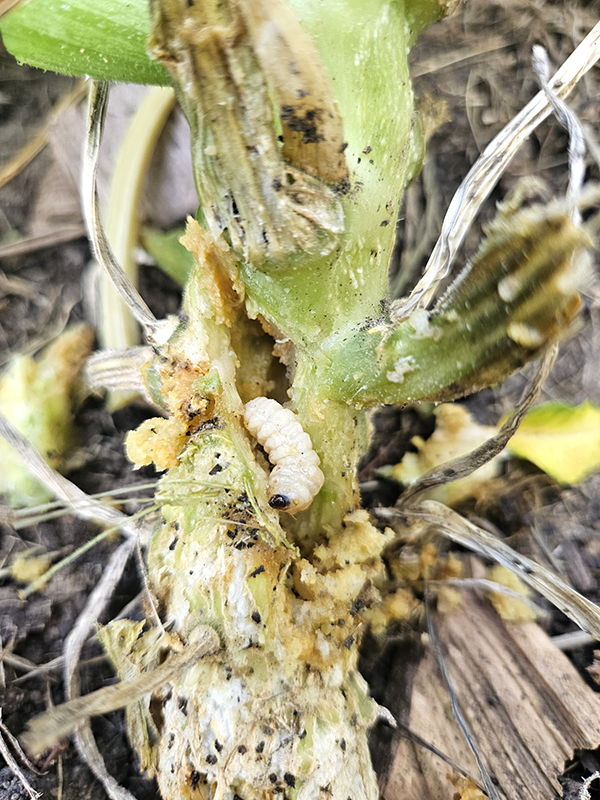
One day, your zucchini plant looks stunning and is growing well. The next thing you know, the entire plant is weepy and starting to die. If that sounds familiar, chances are squash vine borers are the cause.
During the summer, the larvae eat the stems of your squash plants from the inside out. As the weather cools, the larvae drop to the soil and create cocoons there. When late spring arrives, adult moths hatch and lay eggs at the base of the new zucchini plants. Then the whole process starts all over again.
Since squash vine borers overwinter in the soil, the key is to remove any zucchini plants as soon as they start to die to prevent them from getting to the soil. In addition, tilling in the fall can also help expose cocoons to colder temperatures, hopefully eliminating them.
2. Aphids – Pests That Overwinter In Gardens
Another one of the common garden pests that overwinters in the garden is aphids. These tiny pests are notorious for bringing big issues to your vegetables by sucking the moisture from the foliage and stems of plants.
But it isn’t necessarily the damage the aphids do to the crops themselves that is the problem. Aphids are known carriers of several different diseases that can wipe out entire gardens without intervention.

If you see loads of ants climbing up and down your plants, chances are you have an aphid problem. As the aphids feast on the moisture within plants, they secrete what’s known as “honeydew.” This honeydew is a sugary source of food for ants.
While the adult aphids themselves cannot survive freezing temperatures, the eggs they lay can. The eggs are laid most often in the crevices of plant debris, especially woody debris. If you have perennials growing in your garden that can’t be removed, give them all a good spray when spring arrives. The blast of the water will be enough to dislodge and kill the aphid eggs and any emerging adults.
3. Squash Bugs
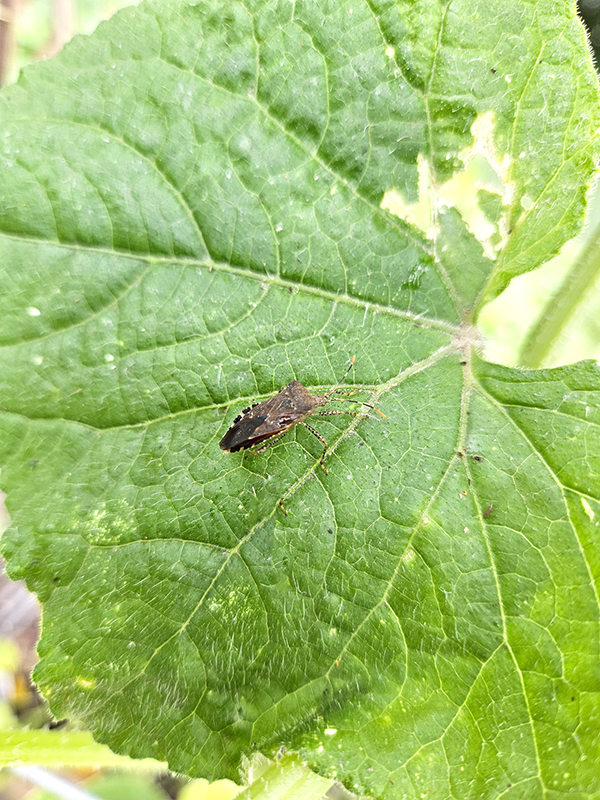
Squash bugs are pests that affect not only squash plants, as their name implies, but also other vegetables in your garden. Plants like pumpkins, gourds, melons, and even cucumbers can also become victims of the armored-looking pests. (I’ve even seen squash bugs hanging out on my tomato plants as well.)
These pests overwinter in dead plant debris, fallen branches, and other nooks and crannies in your garden as adults. Then, once spring arrives, they leave their toasty hiding spots to find any new foliage to eat and mate. Although older plants can withstand some of the damage, young plants are easily wiped out.
Similar to aphids, you can help reduce their numbers by clearing out your garden debris in the fall. Don’t add the foliage to your compost pile either if you’ve had issues with squash bugs in the current growing season.
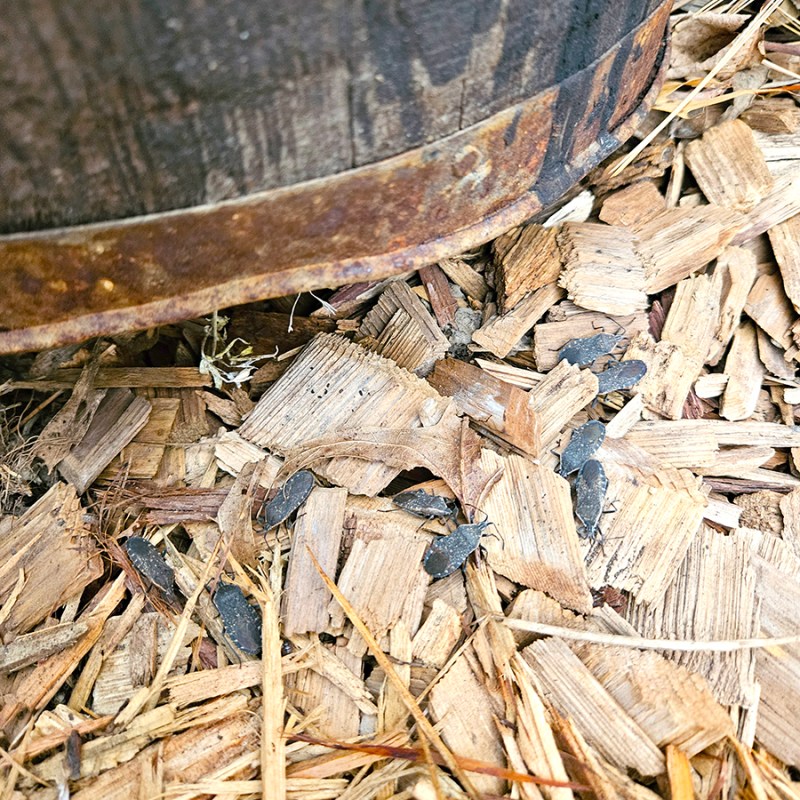
This also includes any pots or containers within your garden. Squash bugs are excellent hiders and will often seek refuge under or within these spots (like under one of my containers in the first photo).
4. Cabbage Butterflies (Cabbage Whites)
Just as soon as you start to see your beautiful cabbage start to form and develop heads in the summer, you likely will also start to see these white/yellow moths as well. Any of your brassica plants, as well as any leafy greens, are victims of cabbage butterflies. (Not to be confused with cabbage moths. However, both cause issues to the same plants.)
The butterflies themselves are not the issue, but the larvae they lay are! These little worms can chew through your leafy vegetables in no time flat. Ever seen a cabbage plant riddled with holes? You can thank a cabbage worm for that!
Cabbage whites overwinter in gardens during the pupa stage in chrysalises. You can often find these hiding in places lower on a plant’s surface, around the soil, in plant debris, and even wedged in the crevices of your raised beds or fence posts.
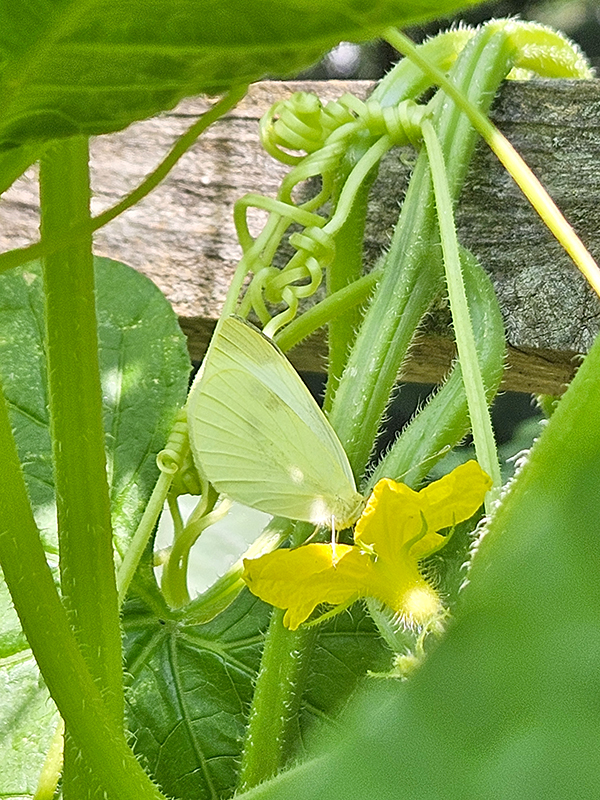
When spring arrives, the adult butterflies are some of the first to emerge and start laying eggs on any leafy plant in sight. There can be several cabbage butterfly generations in a single growing season, causing stress for gardeners, no matter when they plant their brassicas.
Similar to squash vine borers, you can help expose the pupae in the soil by tilling. In addition, remove all of the dead plant matter to help stop these pests from overwintering in your garden.
5. Japanese Beetles – Pests That Overwinter In Gardens
Oh, the dreaded Japanese beetles. These little iridescent beetles may be pretty to look at, but they can wipe out the foliage from your plants and trees in the matter of a day or two.
Some years are worse than others, but gardeners who have ever had to deal with these pests know just how important it is to stop them before spring even arrives. And the way you do that is by controlling the grubs.
Japanese beetle grubs live in the soil. As the weather drops, the larvae dig down further into the soil. There they stay dormant until spring arrives, sometimes burrowing over six inches down into the soil.

When spring arrives, the soil temperature increases, signaling to the grubs that it’s time to emerge. At first, they only feed on nearby grass and foliage, but it doesn’t take long until they pupate and emerge as adults, ready to take flight.
The first line of defense is to eliminate the adult beetles during the summer. To help remove any grubs that have already made it to your soil, apply a grub control to your soil in early fall. There are many safe biological methods you can use without resorting to harsh chemicals. (Product Link: Milky Spore Granular Natural Japanese Beetle Grub Control)
6. Cucumber Beetles
Last on my list of the 6 most annoying pests that overwinter here in the Midwest (or in any location that experiences cold winters) are cucumber beetles.
Cucumber beetles actually feed on a whole host of plants, including cucumbers, beans, tomatoes, corn, squash, pumpkins, melons, and potatoes. All parts of the plants are at risk of damage by the adult beetles, while the roots are at risk of larval damage.
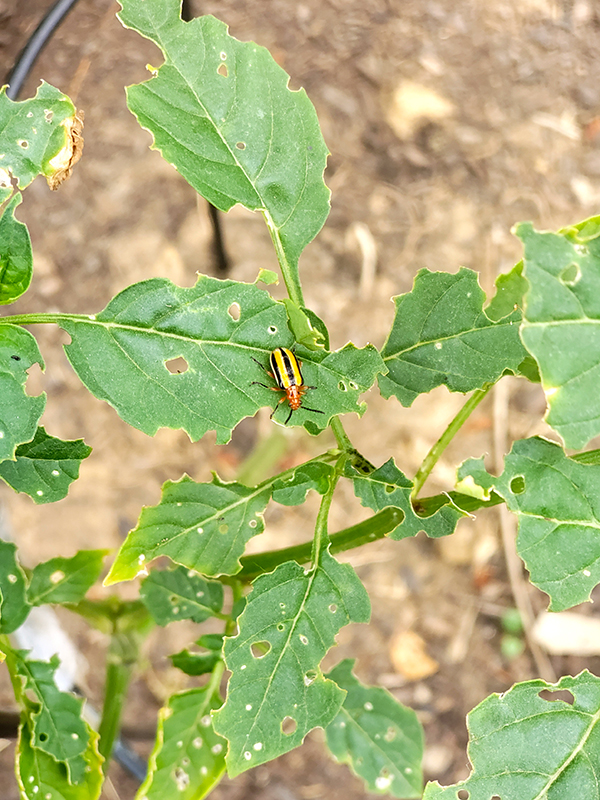
Cucumber beetles overwinter as adults by hiding out in plant debris, leaves, or any nook and cranny in or near your garden. These pests enter a dormant state that allows them to survive winter.
As with most of the other pests that overwinter on this list, you can help eliminate them by removing any dead plant debris or fallen leaves from your garden. In addition, till your soil in late fall to expose any hiding within the soil as well.
Take Note
Many people are against clearing out foliage and leaves because of possibly killing overwintering beneficial insects. However, just like I don’t want pests in my home, I also don’t want them in my garden.
I do the best I can to provide a space for beneficial insects to overwinter away from my garden area. We also live by a bunch of timber, which provides these insects with additional natural hiding places.
The way I see it, if I can avoid using harsh chemicals and sprays in my garden during the growing season by clearing out my garden in the fall, then I feel I am doing the best I can to help the beneficial insects. This also includes tilling my garden lightly in the fall.
You have to use a method that works best for you and your growing situation. If you want to leave your dying plants in your garden all winter long, then go for it! Just be aware that you are providing the six pests in this list and many more a place to overwinter in addition to the beneficial insects. As always, you do you!
Until next time, thanks for stopping by!
– Chelsea
*This post may contain affiliate links. These are products I have used personally and highly recommend. As an Amazon Associate, I may earn a small commission from qualifying purchases if you purchase items through my links. These links and the ads on this page help to support my family and our semi homestead, so Thank You!
Discover more from Semi Homestead Life
Subscribe to get the latest posts sent to your email.